Author: Chris Talbert

Creativity Outside the Office: Our Passion Projects

Posted on by Chris Talbert

Creativity is a finite resource—it demands to be expended, recharged and, ultimately, expended again. In our line of work, we task ourselves daily to be creative, and when we close up our laptops and walk away from the whiteboards, we turn to the things we love. Whether through time with family and friends, weekend travels, some extra gym time or crashing and watching whatever Netflix recommends that day, we all find our ways to recharge. 

However, a few DSers have found a way to marry the hobbies they use to recharge with opportunities to keep the creativity flowing. Here are a handful of passion projects from people inside our walls that we’d love to share with you. 


Evoking with Art
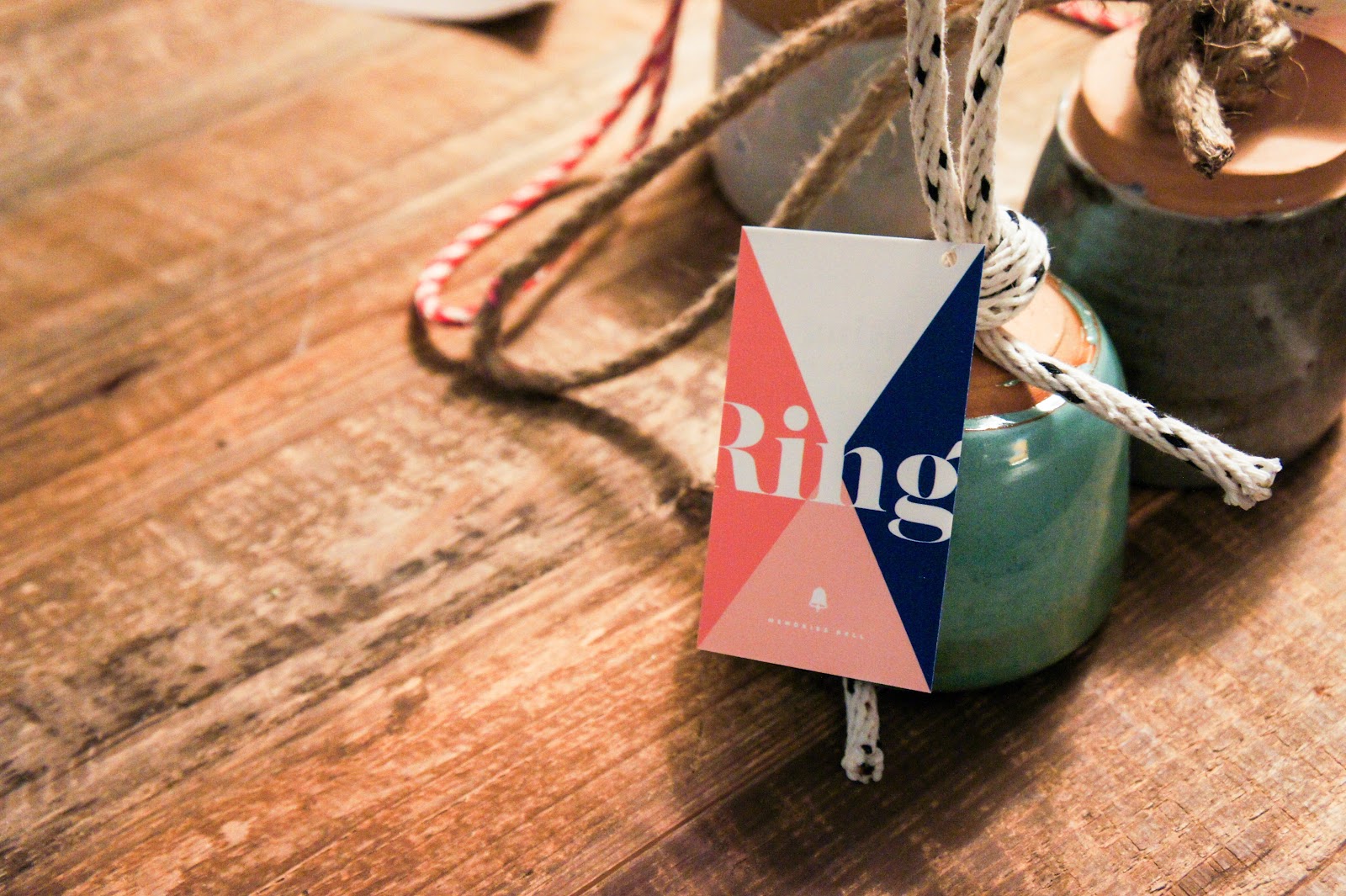
What began with a pottery class once a week with coworkers has turned into a successful art project for Lindsay Miller: her Ring Memories Bells. Lindsay now sells her handcrafted bells exclusively at a local store, Resurrected Relics, which is owned and operated by Mary Blair’s daughter. But the importance of the bells goes beyond their artistry. Flip the tag over and the card reads: 

“When you need to remember a favorite person who is close by or passed away, give this bell a ring. When your heart needs encouragement and assurance you can do great things, give this bell a ring. When you need healing, strength and calm, give this bell a ring. When you celebrate life’s great gifts to you – people, friendship, love… ring.”
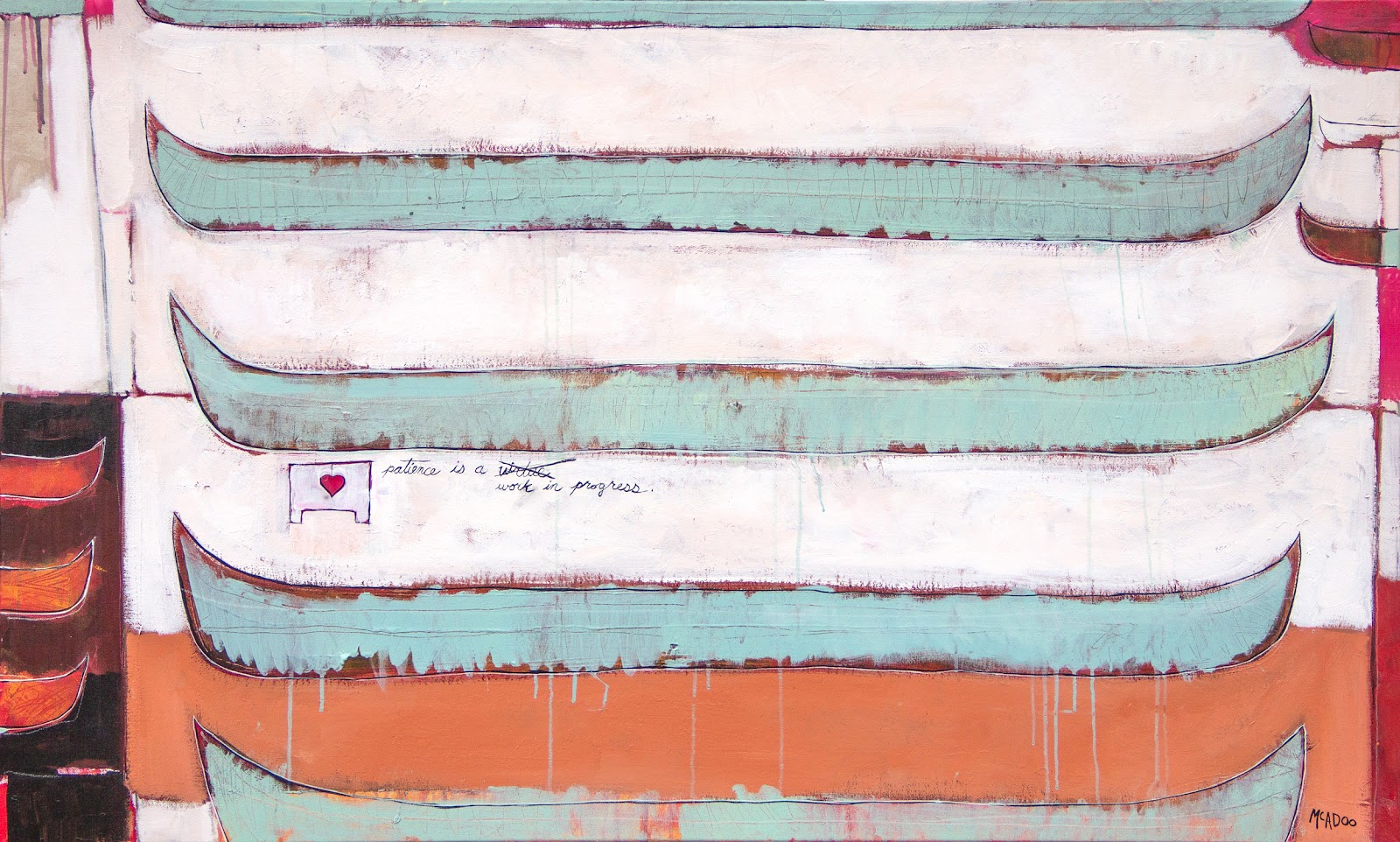
Joining Lindsay as fellow makers are Chris McAdoo and Stephan Zerambo. Chris McAdoo serves as our resident painter in the office. A professional artist for almost 20 years, Chris’s works have continuously been featured in galleries and collections since 1999. This year alone he’s sold several pieces to collectors all across the country. 

If you follow us on social media or have joined us for a meeting at the office, you might remember our custom-built conference room table. We’ve got Stephan Zerambo, a longtime woodworker, to thank for that. Since then, he’s expanded his efforts to making other home furnishings and flexing his carpentry skills.
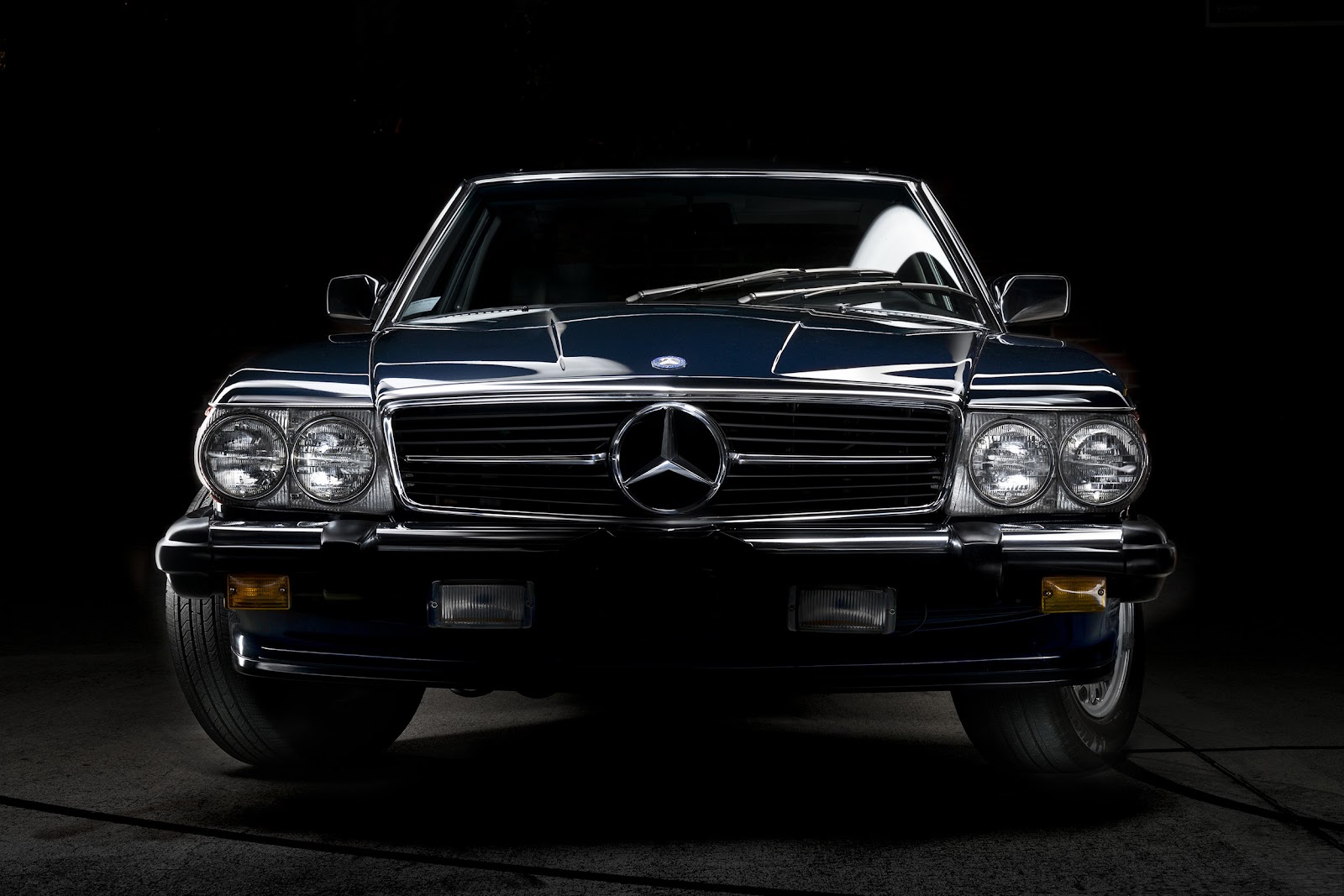
In the dead of night (because that’s the only free time he has) Joseph Nother has been mixing his love of photography, cars and brand building to create The Art of Autos. Using the technique of light painting, Joseph is photographing iconic cars and offering them as prints and posters. You can follow his work on Instagram. 

As we all know, art isn’t just prints and paintings. The performers among us, Matt Montgomery and Brad Carpenter, thrive on being on stage. Matt is the lead guitarist of the rock band Common Creatures, which has been recently recording its next album at Sequoyah Studios and playing gigs all across the city. Brad, on the other hand, has been taking the spotlight as a stand-up. Cutting his teeth in the L.A. comedy scene, Brad wanted to keep his passion for performing up when he came back home to Knoxville — he’s since played shows from here to Chattanooga.


Feed the Mind and the Body
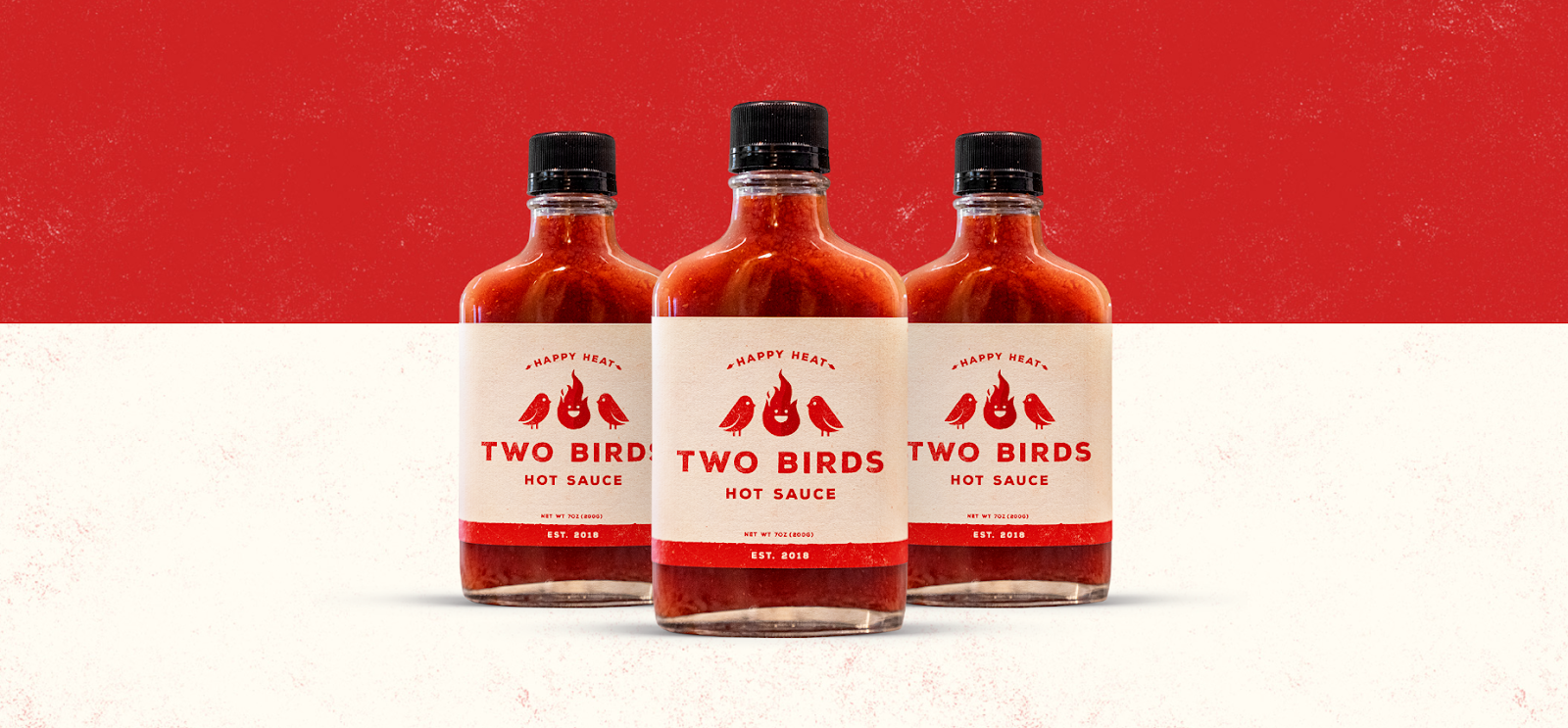
Ben Maxey recently helped a local hot sauce start-up develop its branding, packaging and online presence. What was simply a freelance gig for a friend wound up turning into something more, as Ben has since become a part-owner in the company and is the guiding hand for all design decisions behind Two Birds Hot Sauce. (Editor’s Note: This hot sauce is very, very good.)

One of our most tenured DSers—Michael Pryfogleis a veteran brewer. We have him to thank for keeping our upstairs kegerator consistently full of delicious adult beverages. Stop by sometime to give it taste. Michael has even leveraged his experience to become a judge of regional brewing competitions. 
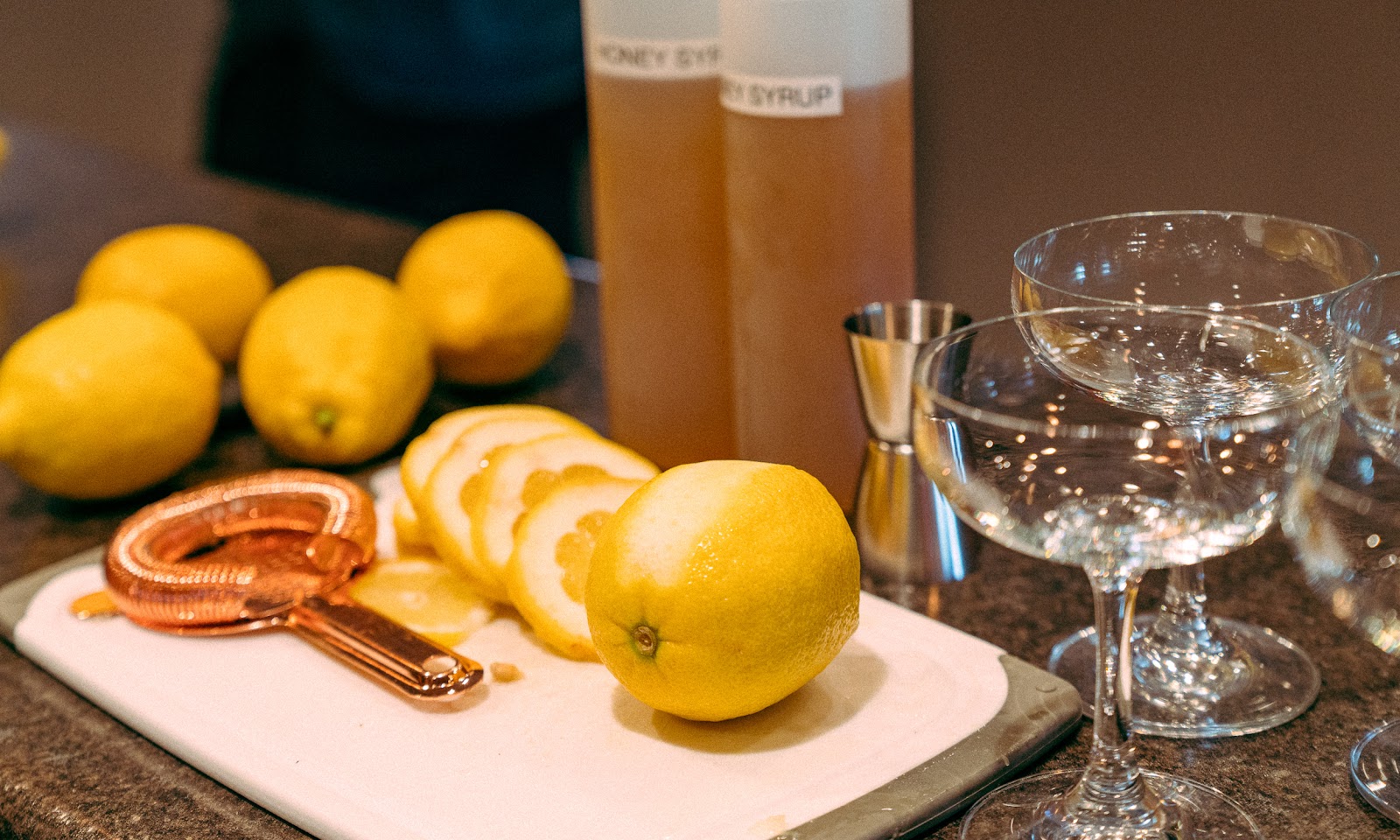
One of our newest traditions, and probably already the most enjoyed, is our monthly Designsensory Cocktail Club. DSCC is the brainchild of Ryan Lee, a man passionate about his cocktails. During the gathering, we all huddle around as he instructs the group on how to make (and enjoy) a new cocktail and details its history. With everything from an Old-Fashioned to a Ramos Gin Fizz under his belt, we’re excited Ryan shares this particular passion with the office.


For the Love of the Game
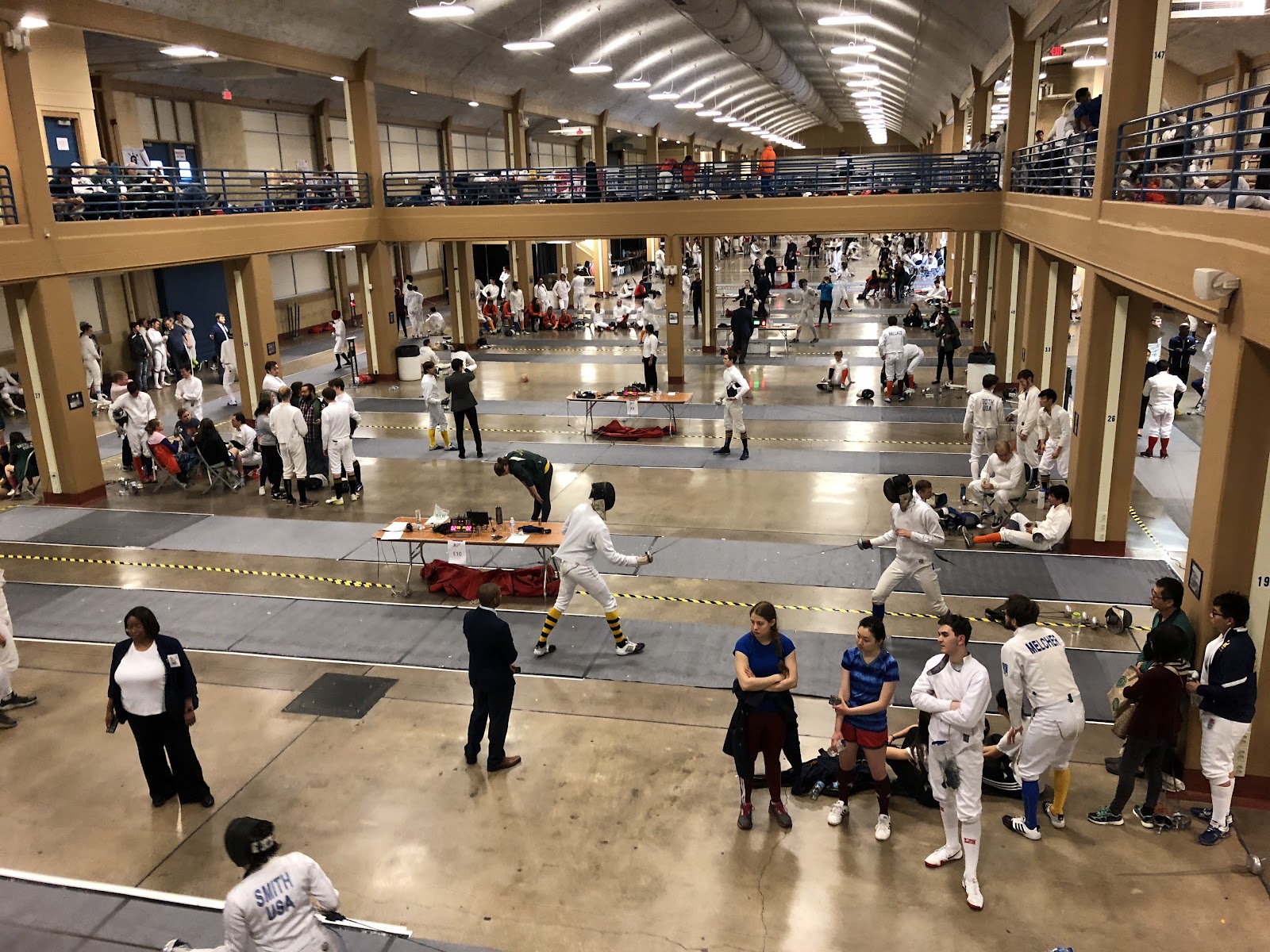
If you aren’t aware, Brandon Rochelle is kind of a big deal in the world of fencing, although, he’d never admit that. While he personally fences in a handful of tournaments each year, Brandon is regularly traveling around the world as part of his responsibilities as National Tournament Committee Chair for USA Fencing. In his role, he discusses best practices for tournament execution and organizational rules. Most recently, his love for fencing has taken him to cities like Hong Kong, Seoul, New York, Denver, Kansas City, and many, many more. Wish him luck on an upcoming trip to Shanghai. 


Business and Blogging
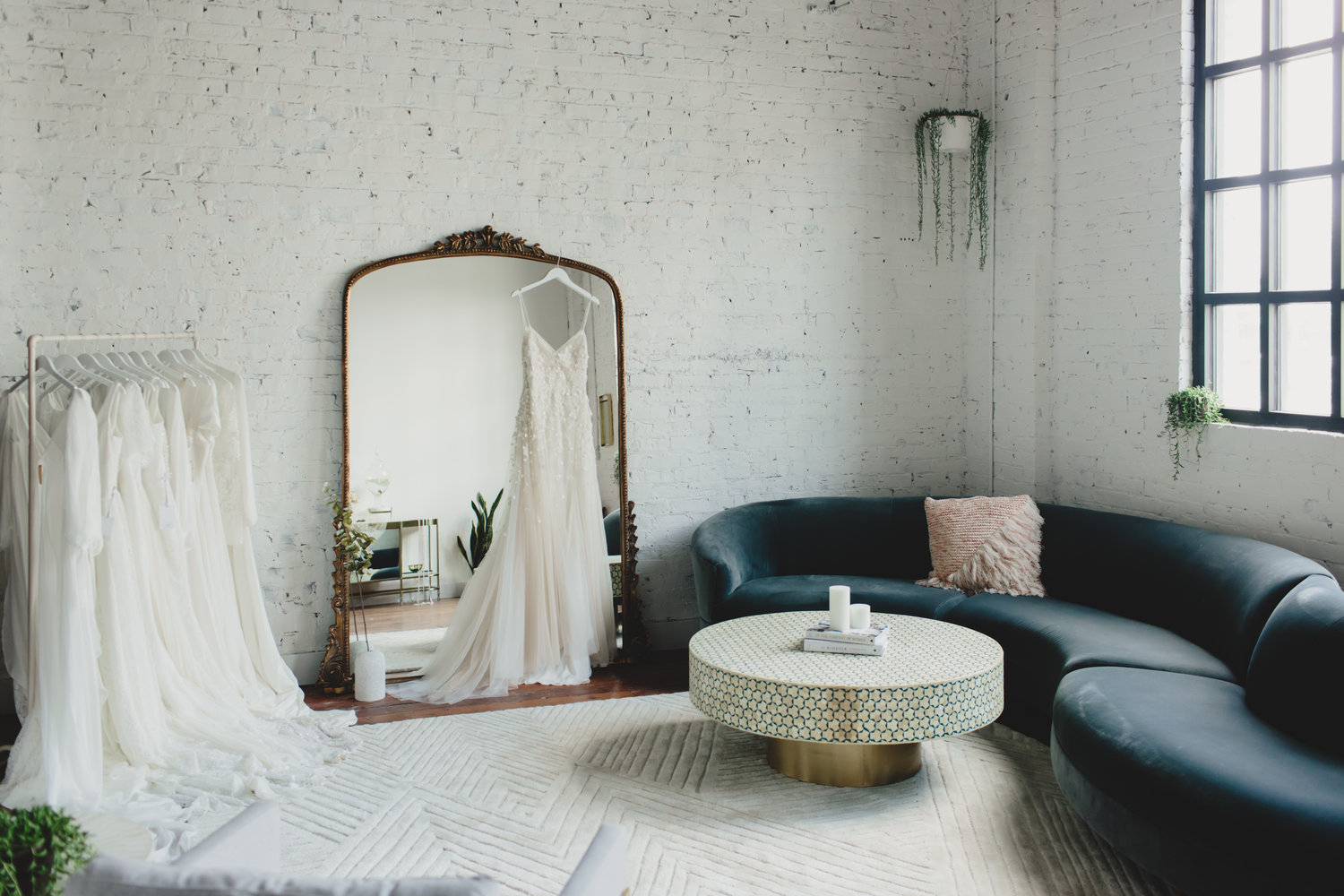
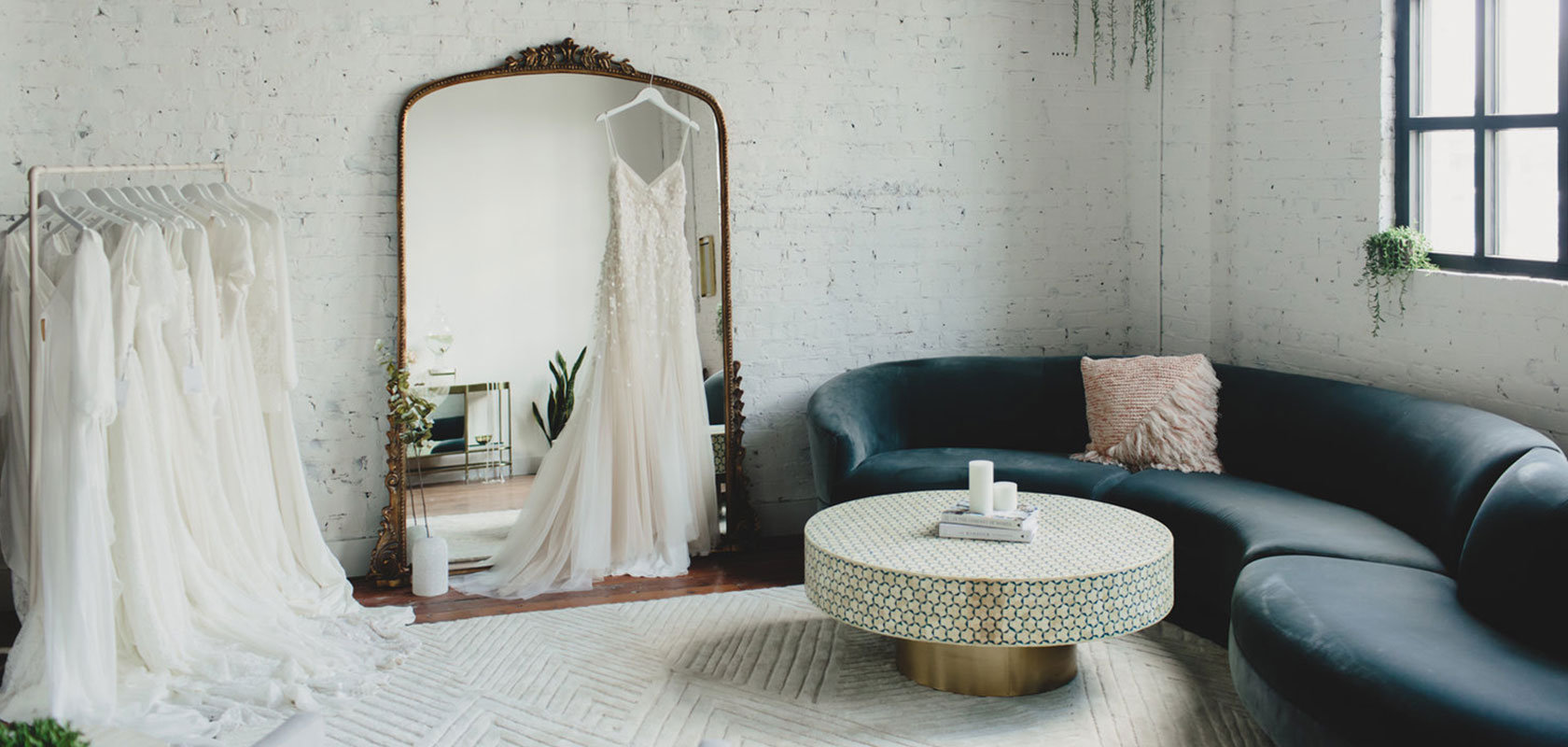
Lindsay Miller isn’t the only DSer running a side business. Madelyn Cunningham invests her spare time and energy into growing and investing in her (already wildly successful) wedding boutique Kindred Bridal. The Downtown Knoxville store just recently celebrated its first year of business. But, Madelyn doesn’t stop with her store, she also teaches yoga at Renegade Yoga Center

On the note of teaching, Josh Loebner continues to invest in both the education of the professional advertising world and in hopeful students. Josh is a University Lecturer at the University of Tennessee, Knoxville, and he teaches Advertising 360, Media Strategy. However, he also continues to write, speak and consult on disability in advertising. You can check out his blog here

Another blogger on our hands is Tuyen Ho, who runs @be.designerly, where she curates her design work, fashion and work as an influencer. And if you’re looking for other influencers around the office, look no further than Kaleigh Veca Smith’s Instagram account for her dog, Cliff. We promise, it’s an easy follow—@cliffgsd. Tuyen and Kaleigh both find creativity in managing social media accounts for the things they’re most passionate about. 


We couldn’t include everyone in this one piece, so we’d love for you to learn more about any of our team members. Let us know how you choose to use and recharge your creative energy!
Staylist: New Brand, Brand New Experience

Posted on by Chris Talbert

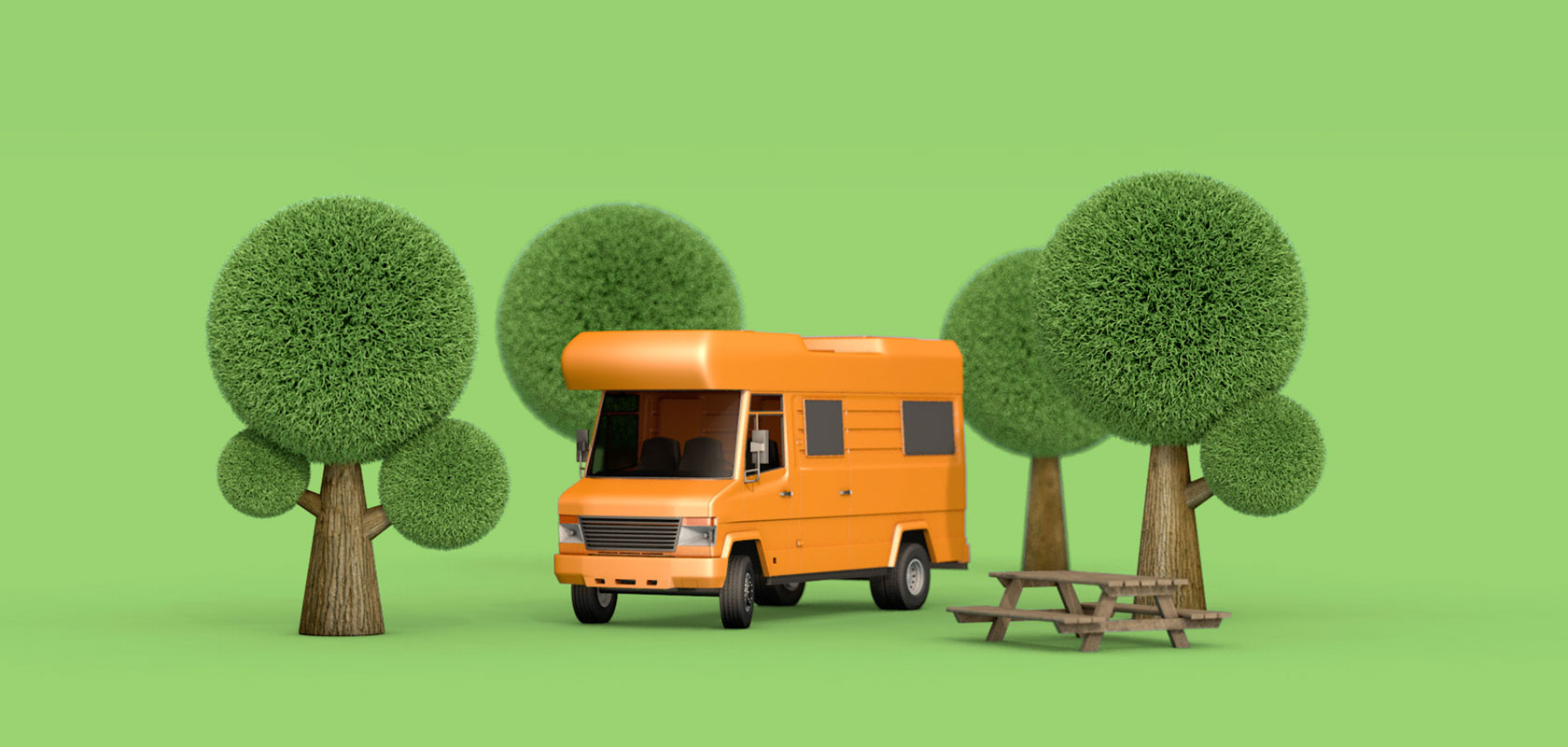
Owned and operated just outside of the most-visited American national park, the Great Smoky Mountains National Park, Staylist knows the outdoors. Launched in 2015, the reservation management software is a space for businesses in the lodging industry—RV parks, campsites, glampsites, vacation rentals, tiny homes and cabins — to efficiently manage their units, rates, bookings and more. With its newest venture officially underway, Staylist is redefining the landscape of outdoor reservation.

The Staylist team came to Designsensory for help in building a new brand and launching its first mobile application. Built for reservationists, by reservationists, now millions of travelers will discover their next adventure with the new Staylist app.

The new app filters booking options to meet the needs of its business owners and travelers, including the number of guests, structure type, prices, amenities and more, and it’s just the latest addition to an already successful Staylist brand—assisting with more than 500,000 reservations across 30 U.S. states and Canada.

Efficient and on-the-go, we’re proud to play a part in delivering this improved vacation experience to both rental owners and guests through the new Staylist. After months of preparation (and designing a pretty awesome event space), our teams debuted the newest features and functionality of the app at the National Association of RV Parks and Campgrounds (ARVC) Outdoor Hospitality Conference & Expo here in Knoxville. Check out some of the photos from the November 7th event here.

The Staylist app is now available for download in the Apple and Google Play stores.

5 Ways to Make Job Interviews Less Awkward and More Accessible

Posted on by Chris Talbert

As a regular contributor to Adweek, I’m able to speak about diversity and inclusion to a much larger audience. Below is my most recent article “5 Ways to Make Job Interviews Less Awkward and More Accessible”  in its entirety.

October was National Disability Employment Awareness Month and the perfect time to look among staff at agencies and advertisers and consider how disability is represented beyond portrayals in campaigns and, more importantly, within the workforce.

Disability is gaining visibility in the ad industry, with many of the Cannes Lions winners featuring disability inclusion in their work. Caroline Casey, founder of the Valuable 500, a nonprofit driving global businesses to commit greater disability inclusion, recently hosted the panel Disability Inclusion: A Valuable Conversation. This positive momentum will continue as more disabled creatives, programmers, strategists and others compelled to advertising are welcomed into the industry as young professionals and those already employed are promoted to leadership positions where they can continue advocating for inclusion.

Hopefully hiring managers, human resource teams and everyone on the job hunt are aware of ethical, moral and social boundaries and etiquette when it comes to interviewing a marginalized person, whether that person in the hot seat is a woman, person of color, queer or a combination of any of those groups. But what if that person has a disability? A big barrier for many employers to consider hiring someone with a disability is the fear of perceived unknowns, such as unknown costs, unknown physical barriers and unknown distractions, among other considerations. Many of these unknowns may be brought up by hiring managers during the interview process as reasons for not selecting a viable candidate that has a disability.

The situation facing people with disabilities on the job market is so unique that the A&E Network premiered The Employables, which, according to the network, is a “groundbreaking new docuseries [that] follows job seekers with conditions such as autism or Tourette Syndrome as they work to overcome obstacles and find fulfilling employment.”

Hiring managers and disabled job seekers should consider the following disability-specific tips to make interviews less awkward and more accessible.

Ask about a company’s inclusion practices

Reach out to diversity and inclusion employee resource groups in an agency to gain insights. Ask questions on sensitive areas and other points to lean into. Or simply connect with one (or several) disabled staff members at the company that are open and comfortable to share a conversation about day-to-day agency experiences and how disability fits in to better guide the hiring process.

Meet with professional groups that advocate for diversity

Connect with industry professional organizations that help to foster greater inclusion in the workforce, such as the American Advertising Federation’s Mosaic Center for Multiculturalism, where anyone that is hiring or looking to be hired will find diversity and inclusion information.

Attend disabled student mentoring group events

Seek out disabled student mentoring organizations such as Lights! Camera! Access! 2.0 and consider attending one of its media, advertising and entertainment mentoring summits, which include guidance on self-disclosure and how to leverage your disability to sharpen your competitive edge.

Research an agency’s overall approach to disability

Understand how diversity and inclusion is, or isn’t, part of the agency’s culture and where disability fits in. Consider the most recent Cannes Lions winners that included disability in some way and which agencies led those creative campaigns. Dig deeper to find out how disability commitment is promoted within agencies and advertisers beyond inclusive ads.

Show, don’t tell, your strengths

Show how disability, diversity and inclusion bring out strengths of adaptability, ingenuity, creativity and commitment, all traits any hiring manager in the ad industry would agree are worthy of a candidate’s consideration. Be comfortable weaving disability into the narrative in a positive way to define your passions, personality and purpose. Often, there is a strong bond between disability and creativity, and in those instances, boldly include it at the forefront of the conversation.

One example of an individual connecting creative and disability is James Rath, who is a legally blind video producer. He wove his talents and disability together and produced Tommy Hilfiger’s inclusive ad and accessible campaign.

Disability isn’t one-dimensional. Disabled creatives and advertising staff don’t need to be segregated to only focus on disability-specific campaigns or creative elements unless that is an agreed-to role, such as a user experience specialist focused on accessible websites or an inclusive design strategist. Disabled staff will share a depth of insights to guide disability-specific campaigns, but also know that disabled creatives will bring bold ideas to any brainstorming session or boardroom meeting.

Because we took this month to celebrate, educate and value disability employment awareness, take the time to plan and discover how disability can be purposefully and proactively woven into your agency’s career recruitment efforts on an ongoing basis throughout the year. Be a champion for diversity and disability inclusion and a leader in your workforce to open the door, break the glass ceiling and welcome individuals from a group that has been marginalized, misunderstood and often invisible in advertising for so long. Look beyond diversity and inclusion quotas to the powerful qualifications and passions of so many creators in the disability community.

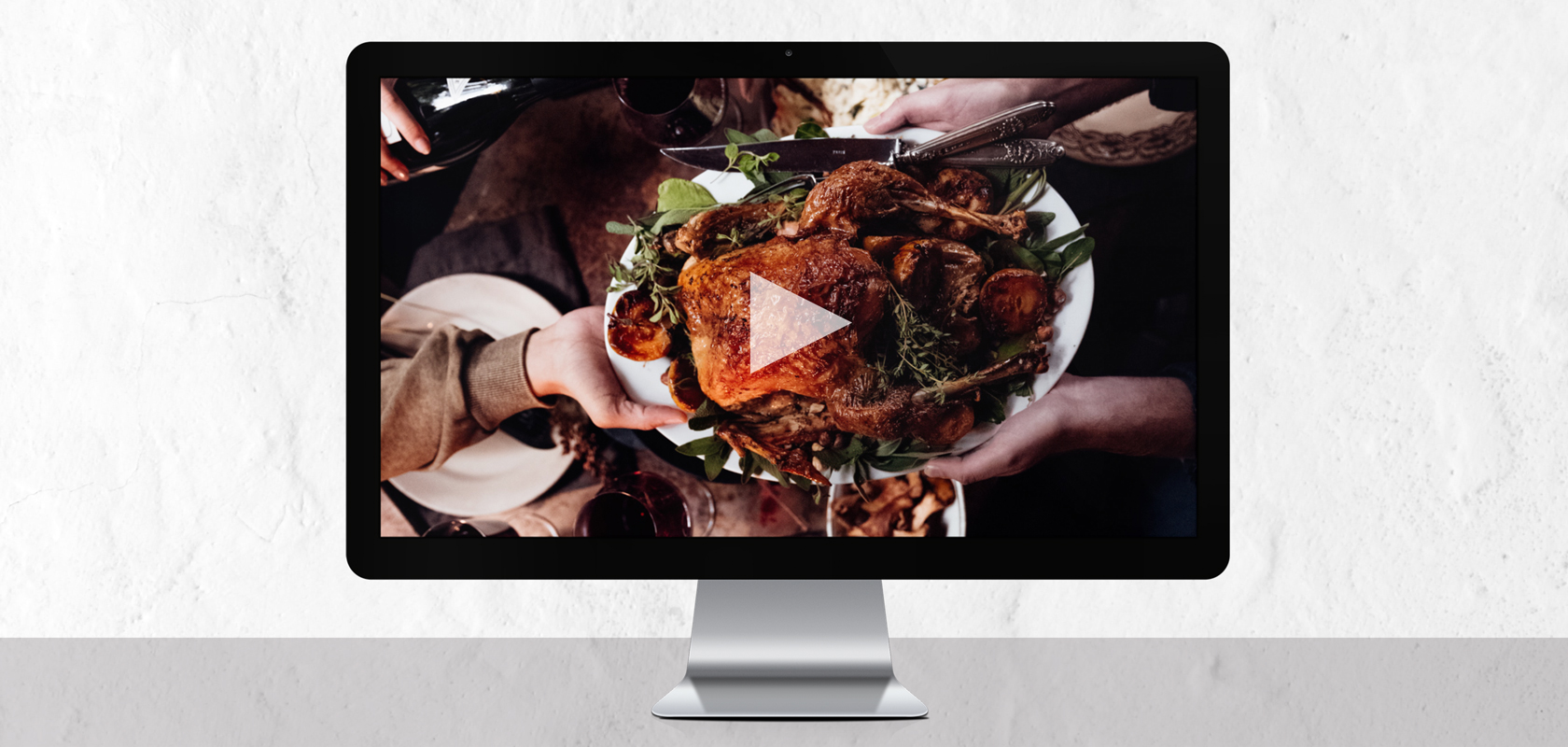
Long-form Content is a Whole Meal

Posted on by Chris Talbert

In a world where video content is king, strategy needs to be the crown jewel. What that really means is that, to build an effective content calendar, you need to know what types of content you should be making and at what lengths. With a landscape that is increasingly distracting, you might think that short-form is the leading lady. However, a quick look at the best content strategies in advertising (and especially on social channels) will argue a different point. Let me enlighten you.

First, let’s define what we mean by long-form. 

In the digital world, and specifically when talking about broadcast or digital advertising, long-form is anything over 30 seconds. Who knew? We’re not always talking about 20-minute clips when we say the word long-form.

When we talk about short-form content, we’re talking about 10 seconds or less, and then mid-length is in between. YouTube offers up some terminology that I’m going to steal here: Bite (0-0:10), Snack (0:10-0:30), Meal (0:30+). And thus, long-form content is the most filling. You’ll want to include long-form content in your strategy for that very reason. A careful incorporation of each of these will produce the most effective ROI for your brand.

Next, let’s discuss some content frameworks. 

Instead of just creating for the sake of creating, using a content framework can get everyone on the same branded page. There are three different types of content (actually four, since we added one) we use here at Designsensory when determining a content strategy for clients. 

  • Halo: Halo refers to a larger segment of content that introduces your brand at a very high level. It could be a TV or streaming series or movie. (Halo is a content option that lets your brand speak for itself).

  • Hero: This content type is specifically for informing or catching attention. Think of it as your big-picture, awareness content. (Side note: hero can be great short-, mid-, and long-form content).

  • Hub: Hub content is a shorter series format that is more focused on product or service. It includes in-depth content specific to your audience’s interests. (Again: This lends itself to a longer storytelling approach).

  • Help: This might be self-explanatory. Help content is answering questions that your users have for your brand. We’re talking tutorials, how-to’s, customer service, etc. (Last side note: notice which videos are doing well and at which length. Rinse. Repeat).

Now, let’s wrap it all together.

Each of these formats can expand into unique long-form setups. The more people are willing to watch long-form, the more invested they are in your brand. In essence, I’d always recommend getting a media plan from an expert (you know, like Designsensory), but you should always be exploring ways to establish your brand and its content in a sustainable way. Start with a strong concept and stay consistent. Then, as you’re pushing it out, or placing it in the digital world, keep a track record of what’s working and what isn’t. The key to success is adjusting to your users, but ensuring you place different content lengths is also pivotal.

Before we go, enjoy one of my favorite pieces of hub content, Undercover Lyft. And, of course, an indescribable brand favorite: Apple. They do a solid job of segmenting their hero content from hub and help. We also do a hero, hub, help model when advertising Bristol Motor Speedway and Zoo Knoxville, from awareness videos and micro campaigns to a digital series. Go create great (longer) content!

October at Designsensory: Autumn Ads & Anniversaries

Posted on by Chris Talbert

DS anniversaries, a fashion show and a podcast? We love sharing our agency news with friends and clients. Read on to find out what we’ve been up to since our last post.

Destination Marketing and DS

If you’re keeping up with our regular agency round-up pieces (of course you are), then you know we like to travel here at Designsensory. Our team recently returned from a whirlwind couple of weeks at the Tennessee Governor’s Conference on Tourism and Hospitality and the Georgia Governor’s Tourism Conference. At the Tennessee Governor’s Conference, many of our DS experts spoke on a destination marketing panel, and we recorded our live Best Behavior Creative Club podcast with a ton of awesome industry leaders. Didn’t know we had a podcast? Check it out here. In Georgia, our own Josh Loebner was invited to speak on diversity and inclusion and accessible tourism and Mary Blair joined him for the trip, as our subject matter expert in tourism and destination marketing. You can read more about both of those trips here. We are on the road again soon for the Tennessee Governor’s Conference on Economic Development. Stay tuned! 

New Members and Milestones 

We have some new (and familiar) faces here at Designsensory: Haley Naylor and Kelly Raines. Haley, our new Research Assistant, will play a key role in deepening our analytical work and maintaining the daily needs of Voice of The American Fan and other Lancaster Research initiatives. She comes to us from the University of Georgia and most recently worked as a Young Life leader. Kelly, on the other hand, is no stranger to DS — she worked as a Project Manager four years ago. She returns in a new role as Operations Manager, adding to the five years she’s already spent with the team. We’re thrilled to have her back. 

Speaking of our super talented employees, we have several celebrating their DS anniversaries this fall. Ryan Lee, Brad Carpenter and Katie Marshall are celebrating one year as our Brand Strategist, Influencer Strategist and Senior Graphic Designer, respectively. Sam YakowenkoKaleigh Veca Smith and Emily Bullen recently completed their second year at the agency, and Ben Maxey a third year. Account Director Mary Blair and PR and Social Media Specialist Hunter Foster just marked their fourth year, Josh is celebrating 9 years as our Director of Strategy and Lindsay Miller completed her 14th year at Designsensory this summer. (Time flies when you’re having fun, right?)

Fun With Old Friends

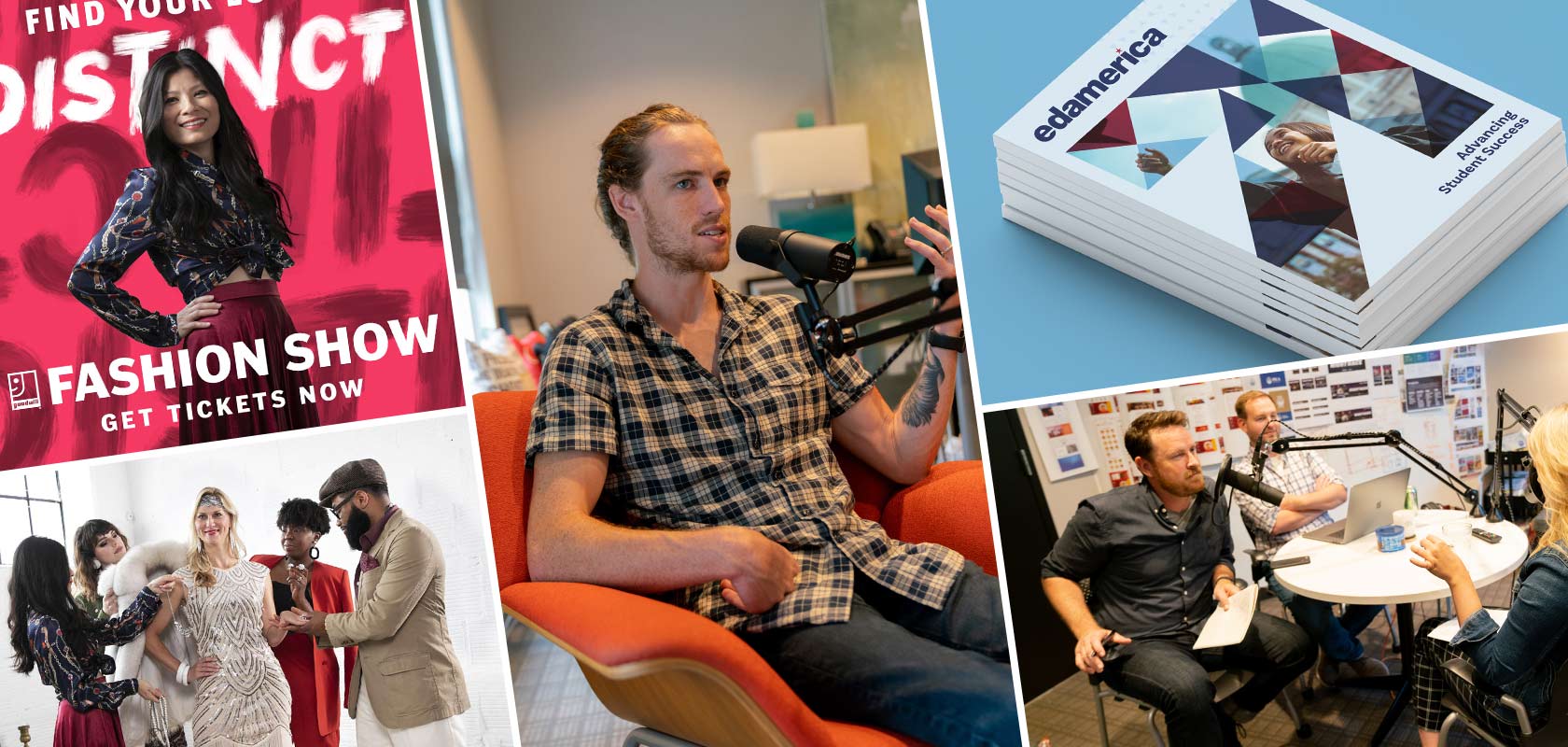
We had a blast working with Goodwill Industries-Knoxville on another year of its annual fashion show and sale. This year, we helped to identify local fashion influencers who pulled outfits for a photo shoot and for the models on the runway. We then leveraged the photographs for promotional materials, such as social graphics and a poster. Speaking of models—our very own Tuyen Ho worked her magic as an influencer, showing off her amazing style. 

We recently shot a new set of promotional TV spots for Nassios + McLaughlin, and we’re still talking about the amazing talent we used. Josh Brandon is a local actor that speaks in over 20 voices, and we promise that you’ll love the new ads. Take a look at our previous work for the law firm.  

Bold Brands and Strategic Plans

We’ve welcomed some new clients here at DS, and the work has already begun. EdFinancial came to us with a big opportunity to reintroduce and reinterpret the Edamerica brand in bold ways. We are building out a variety of marketing including a compelling brochure, vibrant trade show display, digital assets and in-depth ads. 

Smart Trips promotes alternatives to driving alone here in Knoxville, and we are partnering with their team for research and strategic planning, along with their marketing needs. Our Director of Research, Chris Wise, is deep into a series of interviews to gain insight on employee carpooling, various forms of transportation and more. We have even more exciting projects on the way, so be sure to check back. Until next time!


DS Originals: Best Behavior Creative Club

Posted on by Chris Talbert

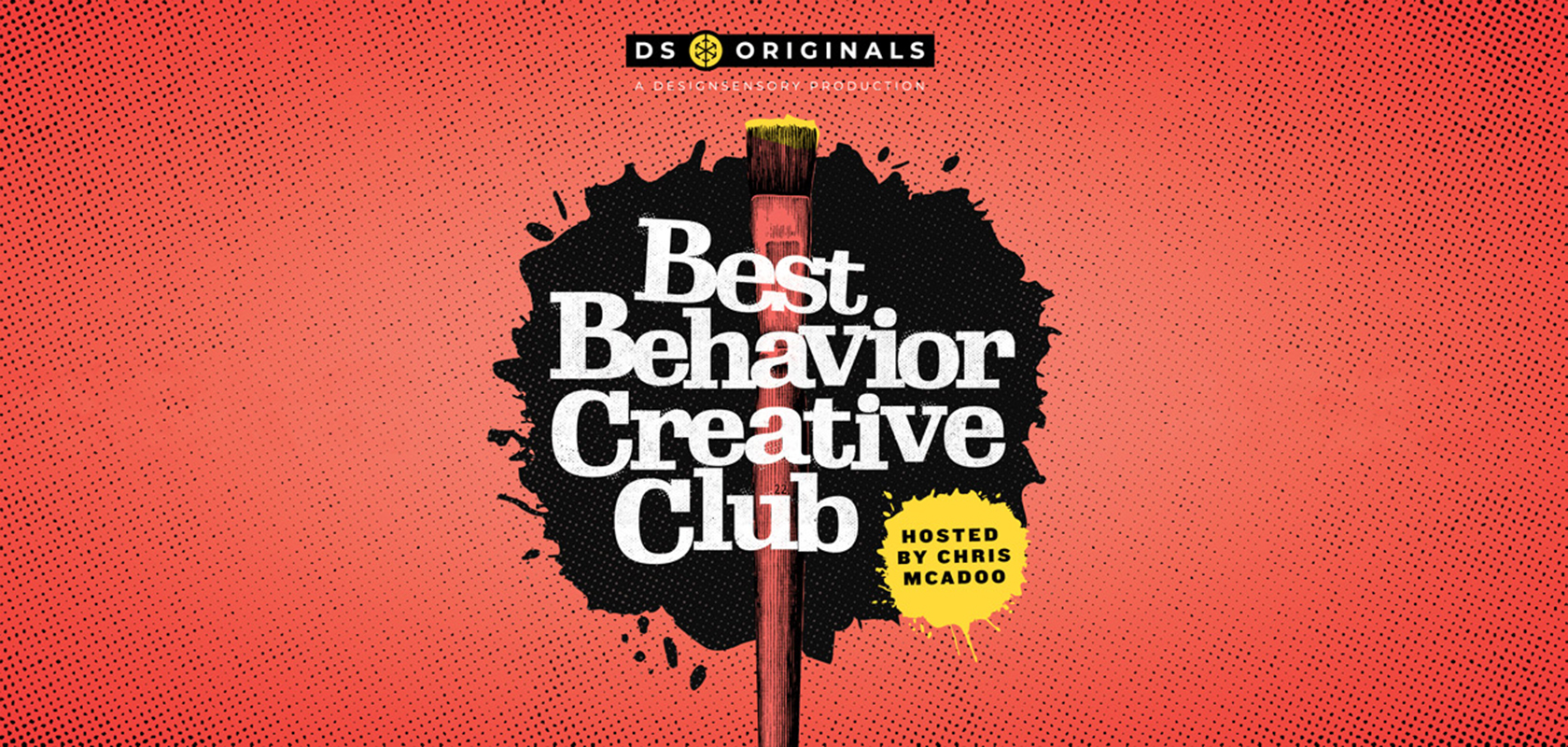
From the hungry freelancer to the successful CEO, “Best Behavior Creative Club is a podcast for people who make things, and make things happen. Our host, artist, entrepreneur and creative director, Chris McAdoo, takes listeners behind the scenes with experts in creativity, business, technology and marketing.  

“Best Behavior” is a DS Original and is positioned to act as a catalyst for additional original podcasts, limited series and other forms of content. Over the last few years, we’ve created original broadcast television series like “Tennessee Valley Uncharted” and “Remastered.” Now, we’re looking to expand further into the world of podcasts, adding our own original production in “Best Behavior” alongside our other shared client audio projects like “Of Note.”

This series starts off on a strong foot — seeing DS Co-Founder and CEO Joseph Nother join the show as a welcome message to listeners. Chris, and show producer Brad Carpenter, then were joined by tourism marketing guru Caitlin Gouge before hitting the 2019 Tennessee Governor’s Conference on Hospitality and Tourism. 

There, they set up the mics live in the DS booth to get the last word from a few of the featured conference speakers. All together, Chris and Brad interviewed more than 20 guests about what’s new and what’s next in tourism and destination management, including Tennessee Commissioner of Tourist Development Mark Ezell. Up next, they welcome David Francisco, a Knoxville-based singer-songwriter best known for his time as a contestant on American Idol. 

“Best Behavior” is available anywhere you listen to your podcasts and releases new episodes bi-weekly. 


Inclusive Design & Website Accessibility: Going Beyond Just Meeting ADA Compliance

Posted on by Chris Talbert

Writing for Adweek is a wonderful opportunity to share ideas and insights on inclusive design, advertising and disability to a larger audience. Below is the article “Agencies Need to Implement Accessibility Measures When Designing Websites” in its entirety. Is your website accessible?

Virtually every brand has a website, but many fall short when it comes to disability inclusion and accessibility.

While a handful of agencies and advertisers are leading the charge for online accessibility, there’s still confusion, misunderstanding and sometimes ambivalence that could easily shift with disability insights and best practices for developers, content creators and clients when building or updating websites.

The web was designed to give everyone access to information, but not everyone who goes online has the same abilities. To make a more user-friendly internet for everyone, including people with disabilities, Americans With Disabilities Act (ADA) compliance and web content accessibility guidelines, or the WCAG 2.1, have been developed.

Currently federal, state and local governments, public universities, schools, hospitals, airports and airlines are mandated to have accessible websites. Even if your clients aren’t on this list, having an accessible website still makes sense.

Adding a level of complexity are the thousands of ADA compliance lawsuits filed against everyone from mom and pop businesses to Fortune 500 companies if their websites aren’t accessible. Some brands have made compliance updates, while others fight to keep their websites segregated.

For example, Domino’s petitioned the Supreme Court to overturn a lower court ruling mandating ADA compliance updates to their website and app. None of the 2020 presidential websites are ADA compliant, and many Cannes Lion winners—even some with campaigns focusing on disability—don’t have accessible websites.Simple and proactive website accessibility fixes will pivot brands from appearing in court to appealing to new users.

Furthermore, far too many tourism websites dedicate content to pet-friendly lodging, attractions and restaurants. While I’m a dog lover, I also know that people with disabilities and their families and friends want info about accessible tourism.

Some brands, though, are ahead of the online accessibility curve, such as grocery chain Albertsons. Grocery Store News reported on the brand’s improved websites and apps, which allow blind and visually impaired people to more easily interact online.

Simple and proactive website accessibility fixes will pivot brands from appearing in court to appealing to new users. To get started, here’s a 10-point introductory list that will allow a website to be more perceivable, operable, understandable and robust for all users.

Color contrast

Adjust color contrast for content clarity for people with visual impairments such as color blindness and/or low vision.

Fonts

Create live text for ease of scaling text size and font style for readability for people with dyslexia and other neurodiversity or visual impairments.

Responsive design

Ensure sizing and functionality across desktop, laptop, tablet and mobile devices.

Photography

Allow for representation of disability inclusivity in photos and provide legibility, proper alt tag descriptions and descriptions of in-photo text on the website.

Video

Provide audio descriptions and closed-captioning and allow for representation of disability and transcripts.

Hyperlinks

Allow links to provide enough of a description for those using an assistive screen reader so they understand where the link goes.

Buttons

Use buttons and clickable elements with color, style, text descriptions and hover states that can allow for ease of clickability when using a mouse or keyboard.

Menu

Provide logical UX best practices that can easily guide people to disability information.

Terminology

Ensure content uses disability-friendly words and phrasing.

Technical development

Use code for HTML tags, header hierarchy, title tagging and alt text and other coding best practices.

If an advertiser or brand has a physical location that meets accessibility requirements, such as ramps, braille signage, grab bars in bathrooms or other amenities, it makes sense that their website be accessible, too. And for purely digital brands, website accessibility means the chance for more users to engage and convert.

So, what’s the next step? A Google search for website accessibility will bring up dozens of options for downloadable software, automated monitoring and AI-driven compliance tools to audit websites, but I believe compliance software is only one part of the solution. Educating creative teams on accessibility and inclusion, welcoming customers with disabilities into the website development process and considering agency talent recruitment of people with disabilities as developers, content creators and other positions will ensure voices are heard throughout the process.

Lastly, don’t have your creative teams and clients check off the website accessibility compliance boxes. Instead, recognize the value, loyalty and passion that people with disabilities will bring when agencies and advertisers establish a creative commitment across the digital landscape and beyond.

Agencies Need to Better Connect Disability With Diversity and Inclusion Efforts

Posted on by Chris Talbert

Through his articles in Adweek, Josh conveys industry-leading insights, thought-provoking commentary and pragmatic ideas for readers to consider and make their own. His latest continues on the path guiding greater inclusion of people with disabilities in the advertising industry.

With the 2020 Paralympics just around the corner, brands will soon start to plan and develop disability-inclusive campaigns. But are conversations about employing people with disabilities also top of mind among those agencies and other advertisers?

For some campaigns and brand activations, the Paralympics are a regular commitment that powers up every four years, and for others, this will be a first foray into disability inclusion. While much of the focus will center on disability portrayals in the creative, now is the time to consider disability beyond the campaign and also as a component of ongoing diversity and inclusion within talent recruitment programs.

As a disabled person in the industry, I’ve seen some advancement, but many conversations are stilted with minimal insights and sputtering commitments. I applaud the ad community for taking a stronger stance on diversity in so many facets, but disability continues to be marginalized mostly to topics surrounding ad creative, with little industry education or agency employment dialogue.

Not considering outreach toward people with disabilities among employee candidates continues decades of second-class citizenry, misinformation and stereotyping toward a group that many still consider unemployable.

In an industry that celebrates creative iconoclasts, hiring managers should consider people with disabilities for out-of-the-box ideas and as daily problem solvers. Recognize that many break the rules and the mold regularly and repeatedly, things brands want to achieve every day. One in four people (or 61 million) Americans are disabled, and many could translate into employees in the advertising industry. Whether talking about a career move or consumer purchasing power, people with disabilities can make a big advertising impact.

Collectively, Americans with disabilities have an annual disposable income of $188 billion. Beyond the bottom line and dollars spent, advertising has the power to drive brand affinity and social justice.

Employing more people with disabilities means agencies and brands won’t simply be thinking about inclusion every few years surrounding the Paralympics or during a particular month celebrating a certain cause, but instead have daily advocates and ambassadors willing and able to share advice and creative ideas toward greater inclusion. Other minority groups aren’t put on pause to only be discussed and included among infrequent campaigns during sports spectacles, and neither should people with disabilities.

More people with disabilities will be in ads when more people with disabilities are hired in the advertising industry. This can be the year when more conversations, conviction and commitment takes place to elevate advertising and disability.

Announcing our Submissions for the 34th Annual Emmy Awards

Posted on by Chris Talbert

The 34th Midsouth Regional Emmy® Awards by The National Academy of Television Arts and Sciences (NATAS) are right around the corner, and we’re thrilled to submit some of our favorite client work for consideration. From 1-minute commercial spots to detailed animations and an outdoor lifestyle television show, we have a full list of submissions that we are incredibly proud of. See them below: 


We’ll be sure to update with any (hopefully, all) of the submissions that are nominated. Fingers crossed that we add some hardware to our collection!