The monolithic fan is dead. The sports landscape is fundamentally split into Legacy and Growth Ecosystems, demanding completely different media strategies. This report provides the definitive 2025 blueprint for monetizing modern fandom, detailing the shift to player-first loyalty, the necessity of “shoulder programming,” and the financial opportunity presented by high-growth properties like the WNBA (avid fandom up 65%).
Stop targeting the average fan. Download the report to master the integrated strategy that drives action in 2025.
Close your eyes and picture this: An old-timey paperboy stands at the corner of a bustling city street, shouting, “Read all about it!” He’s holding up a newspaper with a massive, eye-catching headline, and no one can resist a quick glance. In that single moment, the typography does all the heavy lifting—it shouts, “Look at me!” and wins your attention before you ever read a word of body copy.
Fast-forward to today’s digital world. We’re bombarded by brand messages in every feed, on every platform, and across countless devices. The question becomes: How do you stand out? Sometimes, the best way to get noticed is to be a little weird, a little funky, and a lot memorable. That’s where unexpected, playful typefaces come in.
The Case for Quirky Type: Why Weird Sometimes Wins
There’s a time and place for classic typefaces. Fonts like Helvetica, Garamond, or Times New Roman have stood the test of time because of their versatility and timelessness. But as more and more brands look to express a unique personality, safe choices can sometimes be too safe.
Think of it like fashion. A well-tailored black suit will always look sharp, but if you’re trying to turn heads at a big event, maybe it’s time for a vibrant blazer or bold accessories. In branding, your “accessory” might be a surprising typeface—one that breaks the mold of “corporate minimalism” and stops people mid-scroll.
Playful, funky, and even slightly awkward fonts can do a lot of heavy lifting for your brand:
Memorability: People’s minds latch onto novelty. If your font feels fresh or a little offbeat, it sticks.
Emotional Resonance: Typography can evoke mood just like color or music—whimsical curves and playful flourishes can spark joy, curiosity, or excitement.
Brand Differentiation: With countless brands vying for attention, a weird font can be the quickest way to stand out in a sea of sans-serifs.
Of course, it’s not enough to pick a wild typeface and call it a day. You want your typography to support a bigger message about who you are as a brand and what you offer.
UnderConsideration’s Brand New: Where Funky Trends Take Center Stage
If you’re looking for a pulse on what’s shaking up the branding world—especially in terms of interesting and out-there type—UnderConsideration’s Brand New is where you should point your browser. Think of it as a living, breathing newsfeed of brand transformations and identity overhauls.
The folks at Brand New review major (and sometimes minor) rebrands, commenting on everything from color palettes and logos to, yes, typography. Over the years, it’s become a sort of community hub where designers, marketing pros, and brand enthusiasts chime in with critiques or praise for new brand work. And what’s especially cool is seeing how many brands are leaning into unusual, customized typefaces to breathe fresh life into their identities.
By scanning through Brand New’s archives, you’ll notice the rise of expressive lettering and funky design that, a decade ago, might have been dismissed as “too eccentric.” Now, it’s widely embraced if done thoughtfully. The takeaway? If you’re flirting with the idea of unconventional type for your own brand, you’re not alone—and you might just be on-trend.
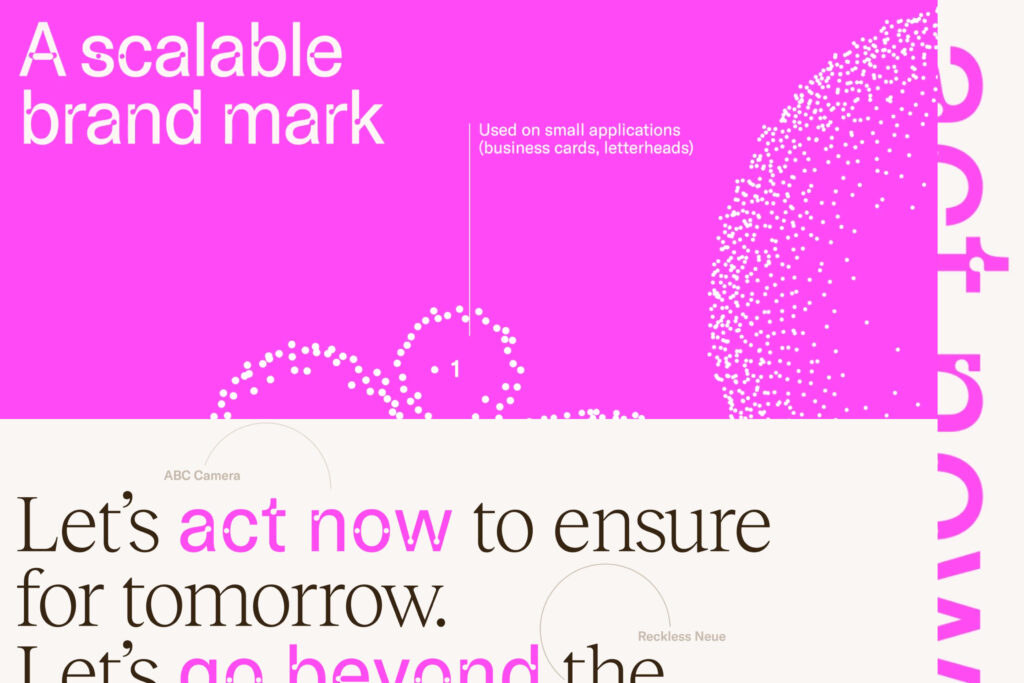
Gush by Pentagram: When Typography Reflects (Liquid) Personality
Let’s take a look at a rebrand that captures this fun, boundary-pushing spirit: Gush, developed by the design powerhouse Pentagram. While the brand itself might not be a household name like Coca-Cola or Apple, it’s a fantastic example of how type can be the real star of a visual identity.
What’s Gush All About?
Gush is a creative platform focused on capturing movement, fluidity, and bold expression. Their identity employs a custom typeface that mirrors the shape and flow of water droplets. The letters feel organic, almost alive, with playful proportions and big, round counters. It’s definitely not your standard minimalistic Gotham or Helvetica clone—and that’s exactly the point.
Why This Works
Brand Messaging: The idea of “gushing” conjures images of waves, liquid, and free-flowing creativity. The typography personifies that concept with letterforms that appear to be in motion.
Memorable First Impression: We’re so used to tight, geometric type that seeing these fluid shapes gives your brain a little jolt. If you see a Gush piece of marketing, you’ll remember it.
Flexibility Across Media: The identity doesn’t just look cool on a website. The watery typeface can be animated, printed, embedded—whatever the brand needs.
Gush teaches us that when your brand story aligns perfectly with a distinctive type style, magic happens. It becomes more than just letters on a page; it’s an experience.
SanDisk’s Refresh: Balancing Corporate & Cool
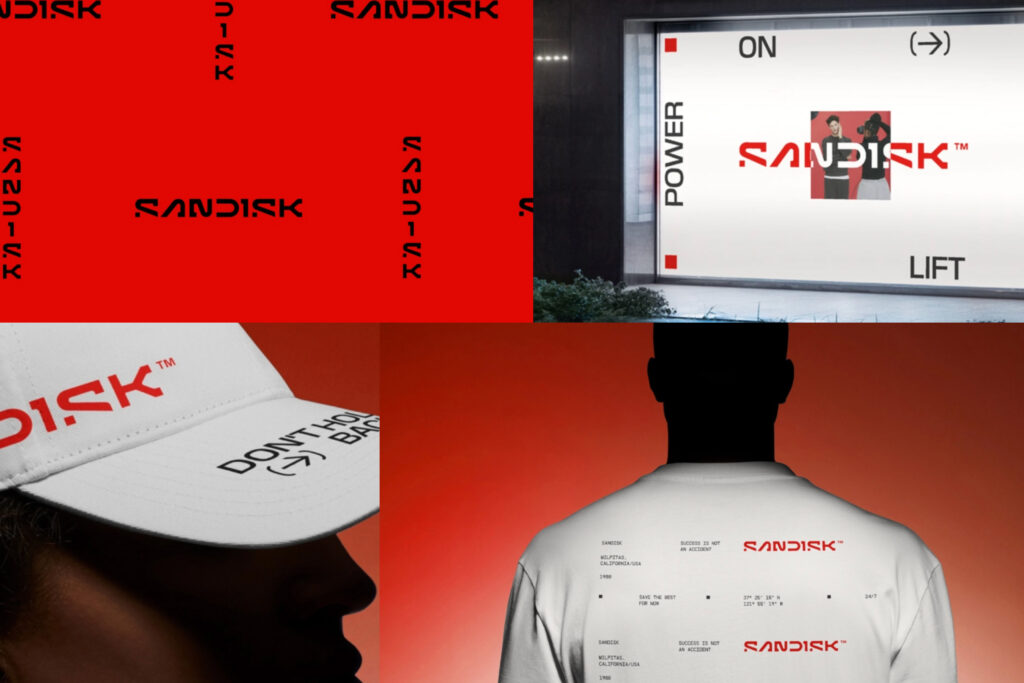
On the other end of the spectrum is the newSanDisk identity, which made headlines in branding circles for giving a techy, established company a modern facelift. If you’ve ever used a SanDisk memory card, you’re probably used to their simple, recognizable logotype. But as technology evolves, so does the need to stand out in an incredibly saturated market—especially when competing with other memory and storage giants.
The Key Typography Choice
The newly unveiled SanDisk identity leans into unconventional letterforms to express innovation, speed, and a forward-thinking ethos. While still professional enough to suit enterprise clients, you’ll notice some quirky details that break from the old, rigid style. Angles might be sharper, curves might be a bit more pronounced, and certain letters are styled in a way that suggests motion or cutting-edge design.
Why This Matters
Differentiation: SanDisk competes with companies like Samsung and Lexar; a more memorable typeface sets them apart on packaging and advertising.
Subtle Funkiness: The typeface isn’t outrageous—it’s not full of wild swashes or bizarre ligatures—but it pushes just enough boundary to convey a fresh, updated vibe.
Scalability: SanDisk’s brand system is used on everything from microscopic product labels to large trade show banners. A well-designed, distinctive type needs to scale while remaining recognizable.
The result is a perfect compromise between corporate utility and creative flair. It’s a blueprint for how established companies can adopt a bit of funk without alienating their core audience.
Conveying Tone Through Type
So what exactly makes a funky typeface convey a particular tone, and how can you leverage that for your own brand? The secret lies in understanding how each design decision in a typeface can create a visual voice.
Serifs, Sans-Serifs, and Beyond: Serifs can evoke tradition and trustworthiness, while sans-serifs often feel modern and clean. For a funky vibe, consider serif typefaces with exaggerated feet or sans-serifs with playful curves and unusual proportions.
Weight & Contrast: Heavier fonts can feel bolder and more confident. High-contrast letterforms (thin meets thick) can appear elegant or even flamboyant. Think about how these qualities align with your brand message.
Spacing & Alignment: Kerning, tracking, and leading (line spacing) can significantly change how “open” or “tight” your design feels. If you want a breezy, airy vibe, give your letters room to breathe. If you want urgency, tighten it up for impact.
Case Usage & Letter Shapes: All-caps can come across as strong or even shouty. Lowercase can read as friendly or approachable. Mixing it up (small caps, or a single capital letter in an otherwise lowercase word) can add quirkiness without going overboard.
When used wisely, these elements form the backbone of a brand’s typographic identity. They ensure that even a single word set in your brand’s typeface instantly conveys the right mood.
Funky Fonts as the Foundation for a Greater System
One common misconception is that a “funky” typeface can only be used in flashy headlines or one-off marketing stunts. But the truth is, unusual typefaces can absolutely form the backbone of an entire brand system, as long as you build your guidelines with care.
Hierarchy: Maybe you have one super-expressive display type for headlines, and a more neutral but complementary font for body text.
Color Palettes: Bold type often pairs well with vibrant color. Just make sure to test readability.
Graphics & Icons: If your letters have a certain weird shape, you can riff on that for secondary graphic elements, shapes, or iconography.
Motion & Animation: A typeface with funky curves can be easily animated for social posts or digital billboards, creating an engaging, cohesive brand moment.
When it all comes together, you’re not just slapping a weird font on your ad and hoping for the best. You’re crafting a system that tells a story from top to bottom, whether on a business card, a web banner, or a physical storefront.
Pitfalls & How to Avoid Them
Of course, the danger with pushing the boundaries is, well, pushing them too far. Sometimes a strange typeface might clash with your brand’s actual personality or overshadow important messaging. Here are a few ways to keep things in check:
Test, Test, Test: Before rolling out a funky font across all your materials, see how it looks in different contexts (digital, print, big, small, etc.).
Feedback: Gather opinions from your team or even a small user group. Do they find the type intriguing, confusing, or off-putting?
Accessibility: Quirky letterforms can sometimes challenge readability, especially for users with visual impairments. Consider employing accessibility best practices like adequate color contrast and legible letter spacing.
Brand Alignment: If your product is all about serious data security, maybe a kooky font with dripping letterforms isn’t the best fit. Strike a balance that respects your core values.
Just because a font looks awesome in a vacuum doesn’t mean it’s right for your brand. The real trick is finding a type style that’s as unique as you are—and still conveys the right messaging.
Bringing It All Together
So, are we saying every brand should ditch their traditional typeface and leap headfirst into a carnival of swirling letterforms? Not necessarily. The real message is that considered, distinctive typography can be a powerful secret weapon—especially if you’re fighting for attention in competitive markets.
Relevance: Make sure your funky font aligns with your brand DNA.
Purpose: Use the typeface to reinforce your message, not to hide it.
Strategy: Incorporate it into a wider system of design elements for maximum impact and consistency.
Final Thoughts: Dare to Be Different
When done right, a weird and wonderful typeface can become your brand’s own version of that city-corner paperboy, shouting your headlines loud and proud. And in a world brimming with white noise, having a typeface that says, “Hey, look over here!” might be just what your brand needs.
In today’s world of automation, dashboards, and “smart” software, it’s tempting to think tech alone drives marketing success. But tools don’t run campaigns, people do.
Strategy Doesn’t Come Out of a Box
Automation can handle tasks, but without the right team steering, it’s just guesswork at scale. Real ROI comes from human insight.
We’ve seen it: campaigns left on autopilot, budgets drifting into underperforming segments, dashboards full of numbers but no real answers.
A campaign targeting a broad demographic with a generic message might run for months with low engagement and wasted spend, simply because no one was actively managing it.
A strong team changes that. They monitor performance daily, tracking metrics like engagement, click-through-rate, conversion rates, and creative performance, not just letting the campaign run. When they see a drop in performance, they act: tweaking messaging, testing new creative, pausing underperformers, and reallocating budget where it matters.
That kind of hands-on optimization is what keeps campaigns effective and efficient.
Strategy demands curiosity, real-time adjustments, and the ability to turn data into decisions, skills that come from experience, not software.
Human Judgment = Real Results
What sets us apart is the level of human attention each campaign gets. We don’t “set and forget.” We’re in accounts daily: adjusting spend, checking pacing throughout the lifetime of the campaign, shifting audiences to better reach a target, and pausing underperformers.
That hands-on approach lets us catch what algorithms miss: audience shifts, creative fatigue, and performance anomalies. These aren’t just tasks, they’re insights only engaged humans can surface and act on.
Tools Support. People Lead.
We love automation, it helps us work faster and smarter. But tools are just that: tools. They provide data. People decide what matters, and people make a difference.
Real success comes from blending intuition with analytics, and strategy with adaptability, something no tool can fully replicate.
The Right Team Brings What AI Can’t
Even Google says it: top marketers succeed not because they use AI, but because they bring human qualities that AI simply can’t replace:
Curiosity: AI can surface trends, but it takes human curiosity to ask why. The best marketers don’t stop at dashboards, they dig into patterns, outliers, and behavior shifts to uncover insights that drive smarter decisions. They ask the right questions and pursue the nuances no algorithm is trained to see.
Creativity: AI can help generate content, but it can’t craft stories that feel. Emotion, humor, timing, cultural relevance. These are human instincts. Great marketers use creativity to connect with audiences on a deeper level, transforming strategy into campaigns that make people care and act.
Empathy: Metrics tell you what people did, not why they did it. Human empathy brings the context: understanding fears, motivations, and needs. It’s the difference between talking at people and truly communicating with them. Great marketers use empathy to build trust and relevance.
Agility: AI needs time to learn and recalibrate. People can pivot on the spot. Whether it’s responding to market shifts, client needs/requests, changing campaign goals, or a sudden creative insight, human teams can make the quick, strategic moves that keep campaigns effective, even under pressure.
Collaboration: AI doesn’t work cross-functionally. But marketers do. The best outcomes happen when media strategists, creatives, data analysts, and clients come together to align messaging with goals. Collaboration brings out the best in every channel, and every person involved.
These are the skills that drive impact, unlock efficiency, and ensure your media spend delivers real value. When You Invest in the Right Team, You Get:
Faster pivots when plans change
Smarter spend optimization, not just rule-based logic
Strategic eyes on creative, messaging, and targeting
Transparent conversations about what’s working (and what’s not)
Fresh perspectives that challenge assumptions and spark innovation
Strategic decisions grounded in experience, not just metrics
This is the real return on investing in people, not just platforms.
In a media landscape shaped by clicks, scrolls, and short attention spans, it’s easy to assume traditional channels are past their prime. But that assumption misses the bigger picture – and the bigger opportunity.
TV, radio, print, and out-of-home aren’t dead. They just need to be used more intentionally. When done right, they add reach, trust, and staying power to digital strategies that move fast but sometimes struggle to stick.
Here’s how we’re using traditional media to help clients grow, and how it could be working harder for your brand, too.
1. Traditional Still Reaches – Big Time. If you need broad awareness or want to win a local market, traditional media still delivers.
TV brings scale and visibility, especially around live events or regional campaigns. Radio reaches people during their routines like driving, working, or running errands, and builds frequency through repetition. Billboards and OOH cut through digital noise and get seen by people not already in your funnel.
For our clients, we often lean into traditional when we need visibility fast or when we want a brand to show up boldly in the real world, not just online. It’s not about nostalgia. It’s about attention. And traditional media still gets a lot of it.
2. It Builds Trust You Can’t Always Buy Online. Digital is great for targeted reach, speed, and flexibility. But it can also have its baggage, like low-quality content, privacy concerns, and oversaturation.
Traditional media, especially in credible or familiar environments, carries built-in legitimacy. A well-placed magazine ad or radio spot often feels more vetted, more stable, and can elevate your digital brand. For clients looking to build long-term credibility or show up as a meaningful brand in people’s minds, this type of placement matters.
3. It Doesn’t Compete With Digital – It Makes It Stronger. Some of the best results we deliver come from integrated campaigns where traditional and digital play off each other instead of working in silos. It’s something we actively plan for, not just hope happens.
A billboard can create name recognition before someone even hits search.
A radio ad can prime awareness that turns into a click later that day.
A TV spot can drive real-time engagement on social during a campaign launch.
If your digital campaigns aren’t getting the traction you hoped for, the issue might not be the creative or the platform. It might be what’s missing around them.
4. It All Comes Down to Fit. There’s no one-size-fits-all media mix. The right plan depends on what you’re trying to do and the audience you’re trying to reach.
Launching a new brand? Traditional helps you scale awareness fast. Targeting an older or hyper-local audience? Radio and print still win. Focused on conversions? Digital should do the final lift, but traditional can help lay the groundwork for trust and familiarity.
When we work with clients to define the right mix, it’s always grounded in context, not guesswork. Traditional doesn’t mean outdated or unsophisticated. It just requires strategy that goes beyond reach and frequency.
So, Where Does Traditional Fit Today?
When we build media strategies for our clients, we don’t rank channels – we evaluate roles. Traditional sits right alongside digital, not behind it. Because when it’s used with intention, it still earns attention, builds trust, and drives action, especially in places digital can’t always go.
This isn’t about clinging to the past. It’s about being smart enough to use every tool that works, and bold enough to design a strategy that actually delivers.
If your current mix isn’t hitting the mark, it might be time to reconsider what traditional media could do for you when it’s done with purpose.
In 2024, U.S. brands spent nearly $80 billion on social, almost double 2020 levels. Add in TikTok’s rise, Instagram’s influence on food culture, and the explosion of influencers-turned-brand-founders, and the story is clear: the algorithm is now the new aisle. What people see, scroll, or binge is shaping their carts just as much as what they notice in-store. Shelf space still matters, but now screen space holds just as much weight if not more.
That’s a hard pill to swallow for many. For decades, CPG marketing was basically a street fight for shelf space. Endcaps, coupons (aisle dispensers, anyone?), and cardboard cutouts. If you won the aisle, you won the sale.
Shelf space still matters, but today the scroll shapes the cart.
The Old Model vs. The New Reality
Old world: Retail was king. You fought for visibility in-store, maybe layered on some coupons or a catchy jingle. Consumers still waited hours outside in the cold for Black Friday deals found in the latest circular only to be nearly trampled by a stampede of fellow bargain hunters.
Now: Consumers discover in a dozen places before they ever hit the aisle: Instagram recipes, podcast ads, YouTube pre-roll, TikTok influencers, and the relentless push of deals through a phone app.
In other words, the aisle is no longer the finish line. It’s just one of many pit stops in the consumer journey.
What “Aisle to Algorithm” Really Means
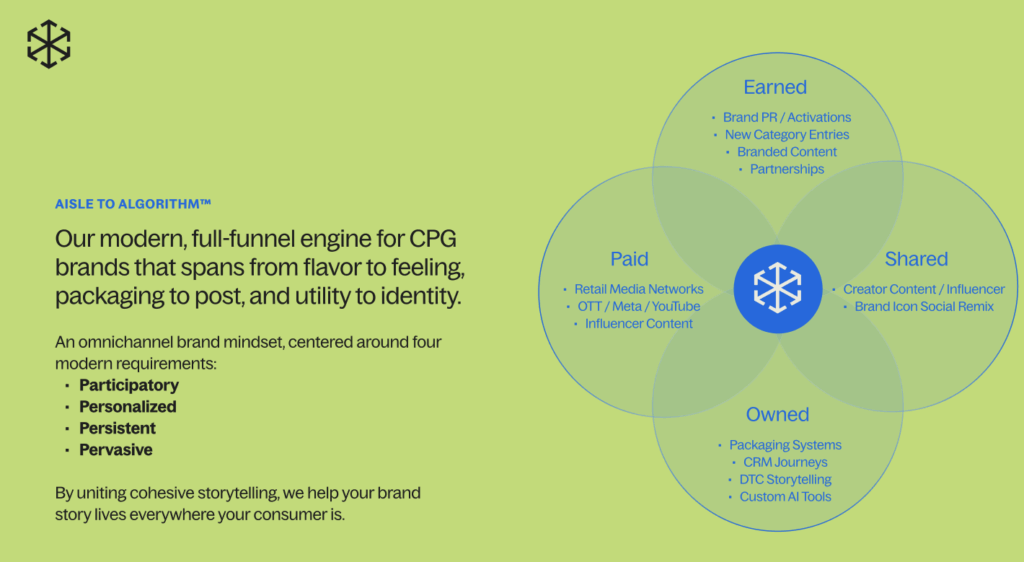
It’s not a buzzword, but it is catchy. Maybe even genius, if I do say so myself. Winning today requires brands to show up across four realities: Participatory, Personalized, Persistent, Pervasive. Let’s break it down:
Participatory: People don’t just buy products, they remix them, review them, and meme them. Your brand needs to be co-created or it won’t be celebrated. Think of it as giving consumers the pen.
Example:Olipop tapped into TikTok by inviting fans to remix their product in wellness routines and mocktail recipes, turning consumers into brand storytellers.
Personalized: Algorithms curate everything, from dinner recipes to what’s in their Amazon cart. Brands must lean into data-driven storytelling.
Example:Magic Spoon leaned on algorithm-driven ads to deliver custom flavor bundles to health-conscious millennials, showing how personalization can drive conversion.
Persistent: Once the cart rolls away, the story shouldn’t end. Smart brands live on in content, rituals, and moments people seek.
Example: Unilever is shifting half of its ad spend to social and multiplying influencer partnerships, demonstrating how legacy brands are working to stay present in the scroll long after the first purchase.
Pervasive: Shelf, screen, and stream aren’t silos. They’re all part of the same funnel. When your brand shows up everywhere with consistency, it feels less like advertising and more like belonging.
Example: Graza built ubiquity by pairing striking packaging with viral Instagram and TikTok moments, creating consistency across shelf and screen.
Challenger vs. Legacy: Two Paths to the Same Shelf
Challenger brands like Olipop, Magic Spoon, Graza, and Fishwife prove how a social-first approach builds momentum that eventually translates into retail success. Screen presence pulls them into the aisle.
Legacy brands like Unilever and PepsiCo are learning to invert the old model, using social-first strategies to keep their dominance as consumers shift attention away from shelves to screens. Aisle visibility now follows algorithmic relevance.
Both paths point to the same truth: screen and shelf are inseparable.
Opportunities for CPG Brands
Retail Media Networks: The new prime shelf.
Influencer & Creator Spaces: Digital word-of-mouth with infinite reach.
DTC Storytelling: Build loyalty beyond the promo code.
Media & Memory: Own the moments that stick, from podcasts to OTT.
The Takeaway
Aisle to Algorithm isn’t about abandoning retail. It’s about making sure your brand story lives everywhere your consumer is. From packaging to post, utility to identity, the brands that succeed don’t just show up—they show up in ways people remember, repeat, and share.
Because today, algorithms don’t just decide what you binge-watch. They’re deciding what you cook, crave, and carry home.
A Question-Based Challenge
You’ve seen what it takes to win in this new era. But let’s be honest: is your brand built to be participatory, personalized, persistent, and pervasive? Is your social strategy just a series of posts, or is it a cohesive story that pulls consumers from the scroll to the shelf? Are you treating retail media like an afterthought or the new prime real estate it is?
The aisle to algorithm journey is a a race for relevance, and the winner will be the one who owns the story on and off the shelf.
You know, history is a funny thing. For brands that have been around forever, it’s like having a superpower that’s also like a pair of cement shoes.
On the one hand, you’ve got something priceless: trust. The kind of reputation that startups burn millions trying to create overnight. Your name is a part of people’s lives. It’s that go-to tool, that comforting taste of home, the brand your grandparents swore by. This brand loyalty is your fortress, built brick by brick over decades of keeping your promises. It’s a huge asset.
But here’s the catch: that same fortress can start to feel like a prison. The consistency that made you a household name can also make you slow and stubborn, stuck in a “this is how we’ve always done it” mindset. Meanwhile, the world outside is changing at lightning speed. All of a sudden, “timeless” starts to feel, well, just plain “old.” Your most loyal fans are getting older with you. And the next generation? Millennials and Gen Z? They play by a whole new rulebook. They grew up with the internet in their pocket and have seen it all. They see you as their parents’ staple, and let’s be real, their whole mission is to carve out their own unique identity, not copy the last generation.
So, that’s the big puzzle, isn’t it? How do you stay true to your roots while still being cool and relevant today? How do you honor the past without getting stuck in it?
What’s Shaking Things Up?
First up, the whole digital world has flipped the script. You’ve got these speedy, direct-to-consumer (DTC) brands popping up and talking directly to your customers. They’re not weighed down by old-school systems or slow decision-making. They can launch a new product based on a TikTok trend in a matter of weeks! They’re nimble and quick on their feet, building a direct line to their fans.
A real digital makeover means completely rethinking how you do business. Look at Walmart using fancy tech to get products to people faster. Or Under Armour, which went from just selling clothes to creating a whole “Connected Fitness” world with apps that are part of your workout. And what about LEGO? They have a site where fans can dream up and vote on new sets. How cool is that?! For these guys, digital isn’t just a side project; it’s the heart of everything they do.
Second, and this is a big one, the new wave of customers has arrived. Here’s the deal with Millennials and Gen Z: they don’t just buy your stuff. They buy your story and what you stand for. A good product is just the starting point; it’s the bare minimum. What really makes you stand out is your purpose. They have a built-in radar for anything that feels fake and can’t stand slick, corporate talk. They want brands to be real and open and to take a stand on issues that matter, from sustainability to social justice.
They don’t want to just be sold to; they want to be a part of the conversation. They love it when brands share their photos and videos. It makes them feel like they’re on the team, not just a number. The big question has changed from “Is this product better?” to “Do I vibe with what this brand is all about?”
So, What Now?
First things first, you need to do a real, honest check-up on your brand to see where you stand with people today.
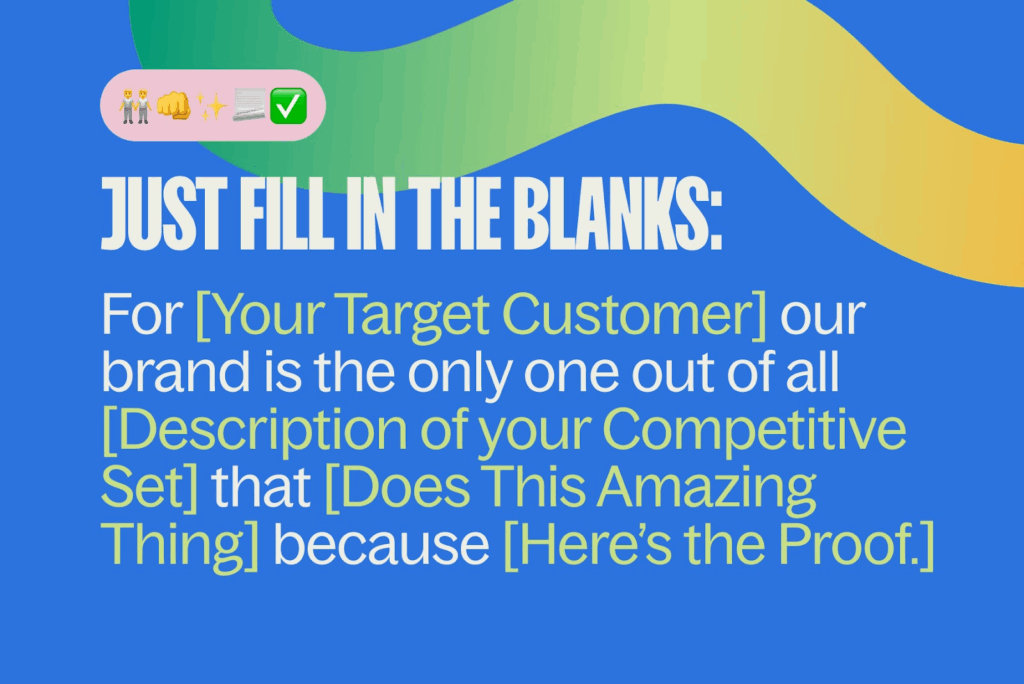
The biggest change you need to make is in your mindset. You’ve got to tell a new story, and it all starts with a clear-as-day plan. You need to nail down your “Customer Value Proposition” or CVP.
This little exercise makes you get super clear. Who are you for? Who are you up against? And what’s your special sauce? Once you’ve got that locked down, you can start telling your story. And remember, that word “only” is doing a lot of heavy lifting here. If your competitors can accurately say they do that amazing thing you listed, it won’t stack up.
Brand Marketing vs. Performance Marketing: Why You Can’t Have One Without the Other
Now, it’s super tempting to pour all your money into what’s called “performance marketing”—you know, those super-targeted digital ads that give you instant, measurable results like clicks and sales. And hey, those are important. But here’s a secret: performance marketing works a thousand times better when you’ve also invested in brand marketing.
Think of brand marketing as the big-picture storytelling. It’s what builds awareness, trust, and a real emotional connection with people over time. It’s the reason someone searches for your brand by name instead of just “running shoes.” When people already know you, like you, and trust you, they’re way more likely to click on that targeted ad when they see it. Brand marketing fills the tank so performance marketing has gas to burn.
And get this: the best brand stories do something completely different. They make the customer the hero and figure out what they’re really struggling with. Is it something practical, like high prices? Or something emotional, like feeling guilty or overwhelmed? Or maybe it’s something bigger, like wanting to be a better person?
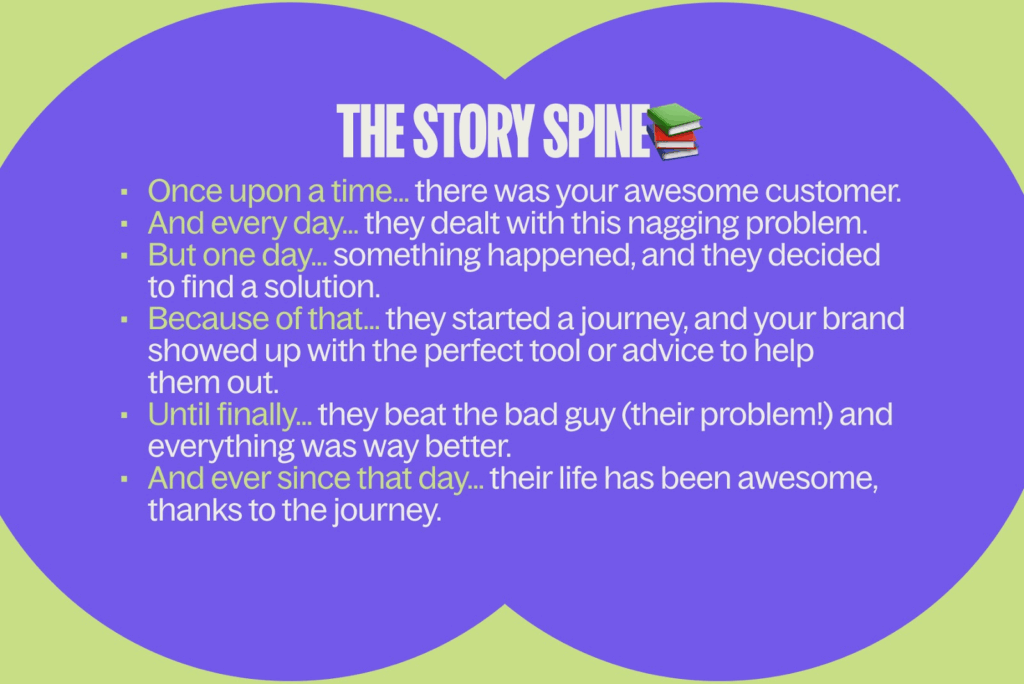
Once you know what the hero’s quest is, you can map out your story. The folks at Pixar use a simple trick called the “Story Spine,” and it works like a charm:
To make your story extra powerful, you can give your brand a personality, like an archetype. Are you The Creator, like LEGO? The Rebel, like early Apple? The Caregiver, like Dove? Picking one makes it easier to know how to act in your role as the hero’s guide. You’re not changing for no reason. You’re changing to be a better guide for your hero—the customer!
Don’t Just Tell Your Story, Live It! (And Learn from Past Fails)
Once you’ve got your story straight, everything else just falls into place. Your digital stuff? That’s how you help the hero on their journey. Your social media? It’s where you chat with them. The whole experience, online and off, becomes the world where their story happens.
Changing up a brand that’s been around for ages is a big deal. It takes guts. But hey, a word of warning: history is full of brands that got this wrong.
Remember the Kraft Heinz mess? They got acquired by a private equity firm, and cut costs on things like staff, marketing and new ideas to save a quick buck, and their famous brands just faded away. It’s a huge reminder that you have to keep investing in your brand. Or what about Tropicana? They changed their classic “orange with a straw” carton to something boring and generic. People were confused, sales dropped and they had to spend millions to switch it back. It shows you can’t just mess with things people know and love without a good reason.
These slip-ups all point to one big truth: this isn’t a one-and-done project. The brands that really win are the ones that are always changing, always learning, and never taking their customers for granted.
Ready to Write Your Next Chapter?
Does this whole “legacy vs. relevance” puzzle sound a little too familiar? You don’t have to figure it out alone. If you’re ready to honor your brand’s incredible history while building an exciting future, we’d love to chat. Contact Us.
The theme of the 2025 AZA Conference was “Embracing Change,” but the paying guests took a clear third-row seat. As marketers, we saw a missed opportunity.
The Conference Experience
The Association of Zoos and Aquariums (AZA) is a non-profit organization dedicated to the advancement of zoos and aquariums in the areas of conservation, education, science, and recreation. They provide resources, funding, networking and policy advocacy to more than 250 accredited zoos and aquariums across the globe.
The AZA annual conference took place last week in Tampa and as new AZA members, Designsensory wanted to be part of the action.
Over 3,000 professionals attended to share ideas and explore best practices with more than 150 educational programming sessions. Designsensory was among the presenters. We shared insights on behavioral models that can help zoos and aquariums increase their membership revenue. More on that below. Overall, a 10 out of 10 on event production and professionalism.
The Conservation Branding Conundrum
We saw that several zoos and aquariums are going through or just starting a rebranding effort to better reflect their commitment to the conservation of wild animals and wild places. They aren’t just caring for animals in captivity, they are ensuring the ongoing existence of thousands of species. Animal welfare and enrichment, habitat design, medical and reproductive care all fall under ‘conservation.’
The problem is, the majority of the general public can’t accurately define the word conservation. A swing and a miss. This shows just how important it is to do audience research before a rebrand. Right now, it feels like the industry is only communicating with itself and a small group of highly affluent donors.
What is Missing from The Mission?
The core theme was ‘embracing change’ across every dimension of the industry. Increasing the size of habitats, adding more non-animal attractions, more kiosks for operational efficiency, making parks more accessible, continued research and conservation efforts for polar bears to plankton, and everything in between. All very important.
As marketers, we saw a lack of focus on zoo membership transactions and benefits. Driving revenue from selling zoo memberships is critically important to the bottom line that finances the overall mission. Our analysis showed that many zoos don’t directly post member benefits on their website! Does a 5% discount at concessions and a monthly member appreciation day really provide enough value to warrant the cost of membership?
We have research that says no. A survey we conducted in a mid-size city reported that only 38% saw value in a zoo membership for the price. It is time for zoos and aquariums to get more innovative and personalize member benefits, then communicate them more directly.
For example:
Did you know 2 annual trips for a family of four pays for your membership?
Did you know that members get valet service so you don’t have to carry a tired toddler a football field away?
Did you know that members get the first look at new animals?
Did you know as a member, concierges will help you map out your day at the zoo?
In addition, we learned most zoos and aquariums weren’t equipped to sell memberships at the kiosks, only day passes. This is a missed opportunity to clearly communicate the tangible benefits at the point of sale and make it easy to transact.
Science Behind Membership Conversion & Retention
Once you reimagine the member benefits package, communicate the value and eliminate the barriers to transact, how do you win and retain your members?
Behavioral science teaches us how habits are formed, giving us a roadmap for understanding human behavior and driving long-term engagement.
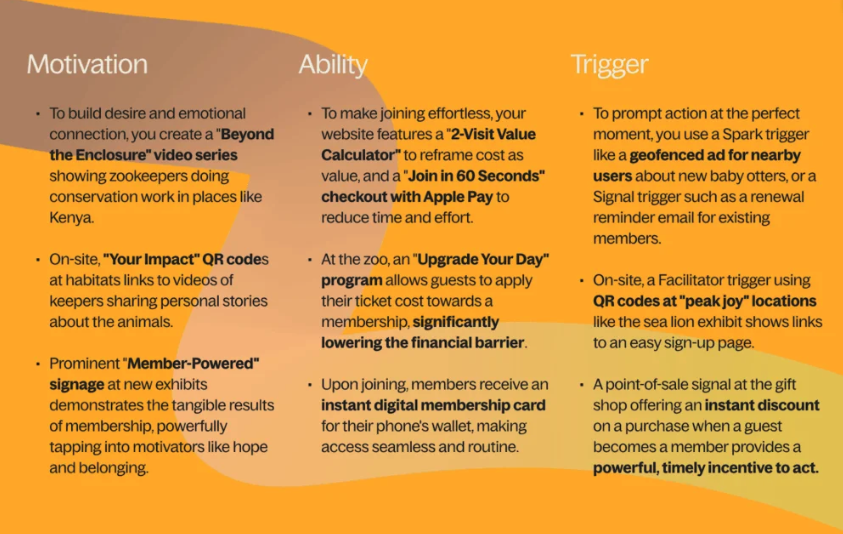
In our AZA presentation, we shared how the Fogg method can transform casual visitors into deeply engaged, loyal, and habitual members, fostering a stronger connection to the vital mission.
Beyond the Zoo…
The AZA conference reminded us that zoo animals aren’t just for our entertainment. We have a renewed appreciation for the people who build careers around protecting them.
Our challenge to you is to get to know your guests, clients, customers as humans. What makes them tick? How does your brand fit into their daily life?
At Designsensory, we know how to make brand experiences feel personal again. We’ve done it for zoos, aquariums, attractions and destination marketing. A little research, a little science and a lot of passion is our recipe.
Balancing AI Innovation, Infrastructure, and Human Insight
In today’s digital economy, your tech stack is your brand. It doesn’t matter how great your visuals or messaging are—if your site lags, your app crashes, or your AI gives bad answers, that’s what your customers will remember. From the backend frameworks you choose to the AI tools you implement, every technical decision now plays a visible role in shaping your brand experience.
This is the new reality: systems aren’t just enablers—they’re expressions of values. Performance, reliability, automation, and intent aren’t technical footnotes. They’re customer touchpoints. And increasingly, they’re the difference between trust and doubt, loyalty and churn.
Infrastructure Is Experience. Experience Is Brand.
We’ve spent years designing systems that power complex user journeys—course registrations, custom dashboards, CRM workflows—and we’ve seen firsthand how backend infrastructure shapes brand perception. Whether you’re using Laravel Nova or Filament to streamline administrative tasks or integrating the Forecast API to manage internal resourcing, your tech choices show up in the real world as either friction—or fluidity.
Consider this:
A fast, well-designed admin panel isn’t just a developer win—it communicates care, modernity, and intentionality to everyone who uses it.
A seamless registration process doesn’t just convert users—it signals that your organization is organized, thoughtful, and credible.
And when a system crashes at a critical moment? That’s not just downtime. That’s a broken promise.
The infrastructure is no longer invisible. It’s front and center in the customer journey.
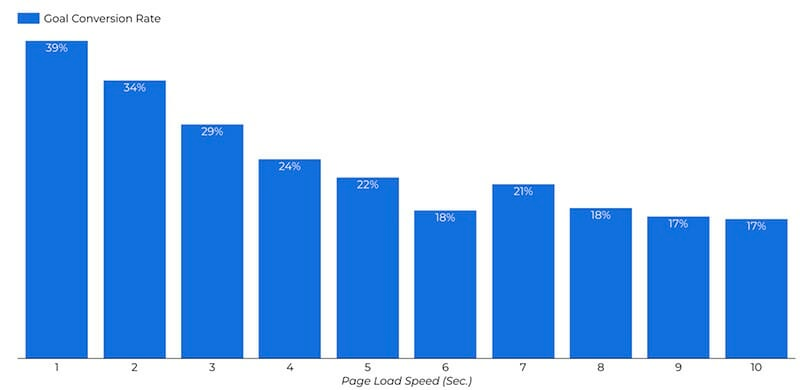
Here’s a chart showing the correlation between page load time and conversion rates. Image Source: Portent
Smarter Systems, Not Just Smarter Machines
At the same time, AI has moved from hype to utility. It’s in the IDE, in the CMS, in the chatbot. Tools like GitHub Copilot help us autocomplete boilerplate, auto-generate tests, and even surface better implementation patterns. But here’s our stance: AI is a tool, not a vision. And automation is not a license to stop thinking.
We don’t chase novelty. We use AI to make systems cleaner, workflows smoother, and teams more efficient. But every AI decision needs a why. Because the more power we give the system, the more clarity we owe the humans interacting with it.
When we use AI to surface recommendations, route leads, or prefill data, we build guardrails around it—fallback paths, transparency logs, auditability. Why? Because accountability is the real product. You can’t build trust with a black box.
Every Technical Choice Sends a Message
Here’s how we see it:
Performance equals professionalism. A system that loads in 400ms doesn’t just work better—it feels premium.
Reliability equals trust. Failures in infrastructure erode user confidence. In enrollment systems, even a few seconds of lag during peak traffic can damage your brand.
Transparency equals integrity. Whether it’s an API call, an AI decision, or a sync between systems, users deserve to understand what’s happening—and why.
From Laravel-powered admin panels to Forecast-backed resource planning, we design for speed, scale, and clarity. And we design with eyes open—balancing what automation can do with what people still need to control.
Developer Experience = User Experience
Tools like Filament and Nova don’t just make devs happy—they make users happy. Why? Because a clean, modular, auditable codebase translates into better iterations, faster bug fixes, and ultimately smoother experiences for everyone.
When systems are designed with developers in mind, users benefit from:
Fewer bugs and less downtime
More frequent, useful feature updates
Systems that grow and evolve as the organization does
And when AI is used with intention—not just to automate, but to amplify—those benefits multiply.
Infrastructure, Intelligence, and Intent
In the end, our goal is simple: to build systems that reflect the best of what humans and machines can do together. Systems that scale human insight. That move fast—but never faster than we can explain. They feel as thoughtful as they are powerful.
Because in 2025, your backend isn’t just part of your brand. It is your brand.
Want to turn your tech stack into a brand asset? Let’s talk about how we can help you build infrastructure—and intelligence—that earns trust.
For organizations with thousands—or even hundreds of thousands—of members, global events, and competition results that demand split-second accuracy, the stakes are high. A standard CMS might work for your main marketing site, but for those running large-scale memberships, processing high-volume registrations, managing credentialing, or tracking live results, the marketing website is only the front door.
Behind the scenes, you need a platform built for operational heavy lifting—one that unifies membership management, event operations, eCommerce, performance tracking, advanced reporting, and third-party integrations into a single, AWS-backed system.
That’s DSXL: our proprietary, enterprise-grade platform engineered for scale, performance, and your exact business needs—so you can deliver world-class experiences for your members, athletes, students, campers, parents and partners.
What makes DSXL different from a standard CMS?
The wrong technology tools act as a bottleneck, leading to frustrated users, data silos, and systems that fail under peak demand. DSXL was engineered to solve these exact problems. It’s the difference between an everyday, passenger car and a rally-ready SUV built for demanding terrain.
Your leadership decisions are only as good as the data behind them. DSXL gives you on-demand, fully customizable reports for every corner of your organization:
Membership trends and retention analysis
Event attendance, ticket sales, and revenue breakdowns
Athlete performance summaries and historical comparisons
Merchandise and eCommerce sales reports
Export reports in CSV, Excel, or PDF for easy sharing with executives, coaches, accounting teams, or stakeholders.
Fully Tailored to Your Organization
You don’t get a “version” of our CMS—you get a custom DSXL build aligned with your processes, branding, and goals:
Bespoke scoring algorithms and ranking systems
Branded portals for members, athletes, and partners
Event workflows optimized for your operations
Advanced analytics dashboards and automated reporting
AWS-Powered Scalability You Can Trust
Whether it’s a membership renewal period or the peak moments of a national championship, DSXL performs flawlessly.
With Amazon SQS, we process millions of transactions and background tasks without slowing your operations.
AWS Lambda powers heavy lifting—like bulk imports, scoring, and reporting—without costly manual scaling.
How does DSXL improve membership management?
Your members are your most valuable asset—and neglecting their experience is a direct hit to your bottom line. When registrations are clunky, event check-ins drag, or competition results lag, it’s not just an inconvenience. It’s a breach of trust. Frustrated members disengage, renewals drop, and referrals dry up.
Prioritizing the member experience isn’t just a “nice to have”; it’s the foundation of long-term growth. Every interaction—from the first click on a registration form to the moment they see their results—shapes how they feel about your organization. DSXL is built to make every touchpoint seamless, intuitive, and reliably fast, so members stay engaged, loyal, and ready to recommend you to others.
DSXL ensures every interaction is seamless:
Instant onboarding and automated renewals at scale
Tiered memberships with advanced role-based access
Fully integrated payments and invoicing
CRM and marketing automation integration for targeted engagement
And with Apple Wallet and Google Wallet support, members carry digital membership cards directly on their smartphones—ready for event check-ins, facility access, and loyalty perks with a single tap.
For USA Triathlon, a previous system left half of members struggling with password errors and one in five unable to complete basic tasks. Our solution fixed these glitches, simplified sign-ups, and added smarter filters. The result was a platform that works exactly as members expect—fast, intuitive, and frustration-free.
Can DSXL handle events at scale?
Yes. DSXL was built for organizations that run multiple events, sometimes across multiple continents.
The Arrowmont School of Arts and Crafts came to us with a challenge: their registration process wasn’t keeping up with the demand for their world-class workshops. With a new DSXL system, they’ve logged over 230 registrations in 2025 alone, which is four times their previous average.
From regional competitions to national venue sales, our event management suite keeps you in full control:
High-volume ticket sales and registrations without bottlenecks
Streamlined check-in with scannable, wallet-ready tickets
Personalized schedules for VIPs, sponsors, and attendees
Post-event analytics and actionable insights to drive smarter planning and revenue growth
No matter the size of your event, you deliver an experience that feels seamless, professional, and premium.
What about performance tracking and credentialing?
For some clients, DSXL isn’t just about selling tickets. It’s about managing complex training and certification programs or tracking real-time competition results. DSXL delivers:
Real-time scoring, rankings, and leaderboard updates
Support for complex, multi-event scoring systems
Long-term historical performance archives
Instant publishing to web and mobile for athletes, fans, and sponsors
For USA Fencing, the challenge was clear: a growing membership of over 40,000 required a platform that could handle the intricacies of a competitive sport. Their previous systems made it difficult to track athlete points and rankings in real-time, and managing coach and referee certifications was a cumbersome, manual process. Our solution was a custom platform built to simplify these exact tasks. The result is a system that provides real-time performance tracking and automates credentialing, empowering USA Fencing to support its community with speed, accuracy, and operational excellence.
Is DSXL reliable and easy to manage?
If your organization is juggling multiple third-party systems for memberships, events, and reporting, your team is losing time, money, and focus. DSXL replaces all of that with a single, unified platform that:
Eliminates the cost of maintaining and integrating multiple vendors
Reduces data silos and errors from manual transfers
Provides a single source of truth for your entire organization
Our built-in e-commerce suite allows you to sell memberships, add-ons, and merchandise directly, with seamless integration for global payment methods like Stripe and Apple Pay. This keeps inventory, orders, and payments perfectly synchronized. The entire platform, backed by enterprise-grade AWS infrastructure, scales effortlessly to process millions of transactions and is custom-built to your exact workflows and goals.
It’s so easy and intuitive that an organization like Wilderness Medical Associates Internationaluses it as their all-in-one administrative backbone, managing everything from enrollment and certifications to course schedules across six continents.
Is your organization built for what’s next?
DSXL is more than a CMS. It is the operational backbone your organization needs to grow, scale, and deliver exceptional value.
Contact us today to see how DSXL can become your strategic advantage.