
Your Brand’s Legacy Could Be Holding You Back

Spread the word. ❤️🔥
C’mon. I know you want to subscribe to our Email List.
Or Follow us on X and Facebook.
Your Brand’s Legacy Could Be Holding You Back
You know, history is a funny thing. For brands that have been around forever, it’s like having a superpower that’s also like a pair of cement shoes.
On the one hand, you’ve got something priceless: trust. The kind of reputation that startups burn millions trying to create overnight. Your name is a part of people’s lives. It’s that go-to tool, that comforting taste of home, the brand your grandparents swore by. This brand loyalty is your fortress, built brick by brick over decades of keeping your promises. It’s a huge asset.
But here’s the catch: that same fortress can start to feel like a prison. The consistency that made you a household name can also make you slow and stubborn, stuck in a “this is how we’ve always done it” mindset. Meanwhile, the world outside is changing at lightning speed. All of a sudden, “timeless” starts to feel, well, just plain “old.” Your most loyal fans are getting older with you. And the next generation? Millennials and Gen Z? They play by a whole new rulebook. They grew up with the internet in their pocket and have seen it all. They see you as their parents’ staple, and let’s be real, their whole mission is to carve out their own unique identity, not copy the last generation.
So, that’s the big puzzle, isn’t it? How do you stay true to your roots while still being cool and relevant today? How do you honor the past without getting stuck in it?
What’s Shaking Things Up?
First up, the whole digital world has flipped the script. You’ve got these speedy, direct-to-consumer (DTC) brands popping up and talking directly to your customers. They’re not weighed down by old-school systems or slow decision-making. They can launch a new product based on a TikTok trend in a matter of weeks! They’re nimble and quick on their feet, building a direct line to their fans.
A real digital makeover means completely rethinking how you do business. Look at Walmart using fancy tech to get products to people faster. Or Under Armour, which went from just selling clothes to creating a whole “Connected Fitness” world with apps that are part of your workout. And what about LEGO? They have a site where fans can dream up and vote on new sets. How cool is that?! For these guys, digital isn’t just a side project; it’s the heart of everything they do.
Second, and this is a big one, the new wave of customers has arrived. Here’s the deal with Millennials and Gen Z: they don’t just buy your stuff. They buy your story and what you stand for. A good product is just the starting point; it’s the bare minimum. What really makes you stand out is your purpose. They have a built-in radar for anything that feels fake and can’t stand slick, corporate talk. They want brands to be real and open and to take a stand on issues that matter, from sustainability to social justice.
They don’t want to just be sold to; they want to be a part of the conversation. They love it when brands share their photos and videos. It makes them feel like they’re on the team, not just a number. The big question has changed from “Is this product better?” to “Do I vibe with what this brand is all about?”
So, What Now?
First things first, you need to do a real, honest check-up on your brand to see where you stand with people today.
The biggest change you need to make is in your mindset. You’ve got to tell a new story, and it all starts with a clear-as-day plan. You need to nail down your “Customer Value Proposition” or CVP.
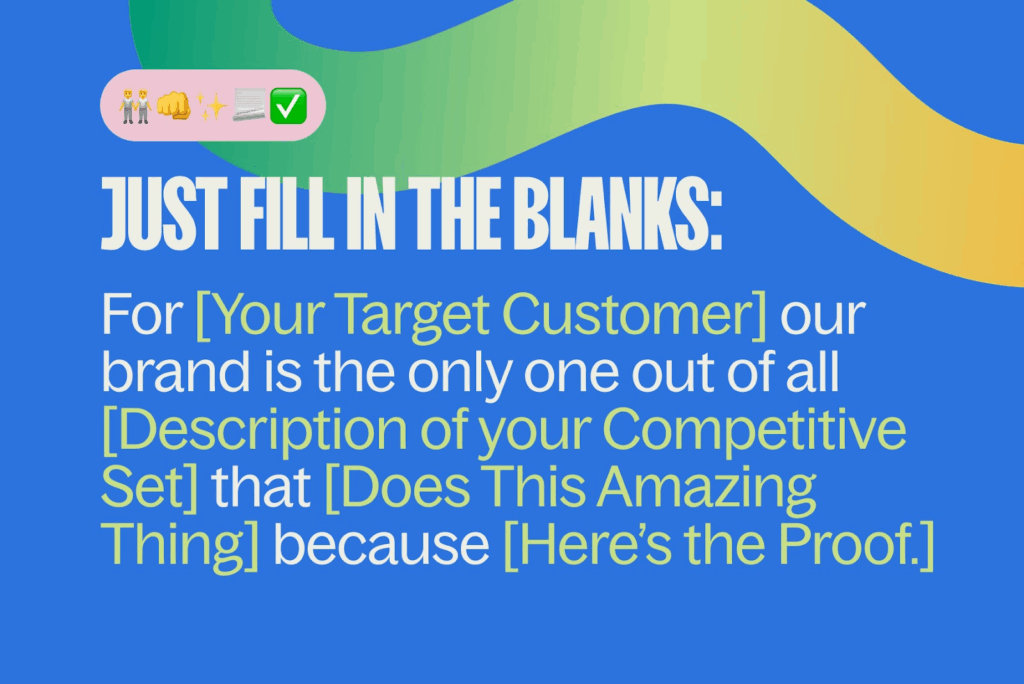
This little exercise makes you get super clear. Who are you for? Who are you up against? And what’s your special sauce? Once you’ve got that locked down, you can start telling your story. And remember, that word “only” is doing a lot of heavy lifting here. If your competitors can accurately say they do that amazing thing you listed, it won’t stack up.
Brand Marketing vs. Performance Marketing: Why You Can’t Have One Without the Other
Now, it’s super tempting to pour all your money into what’s called “performance marketing”—you know, those super-targeted digital ads that give you instant, measurable results like clicks and sales. And hey, those are important. But here’s a secret: performance marketing works a thousand times better when you’ve also invested in brand marketing.
Think of brand marketing as the big-picture storytelling. It’s what builds awareness, trust, and a real emotional connection with people over time. It’s the reason someone searches for your brand by name instead of just “running shoes.” When people already know you, like you, and trust you, they’re way more likely to click on that targeted ad when they see it. Brand marketing fills the tank so performance marketing has gas to burn.
And get this: the best brand stories do something completely different. They make the customer the hero and figure out what they’re really struggling with. Is it something practical, like high prices? Or something emotional, like feeling guilty or overwhelmed? Or maybe it’s something bigger, like wanting to be a better person?
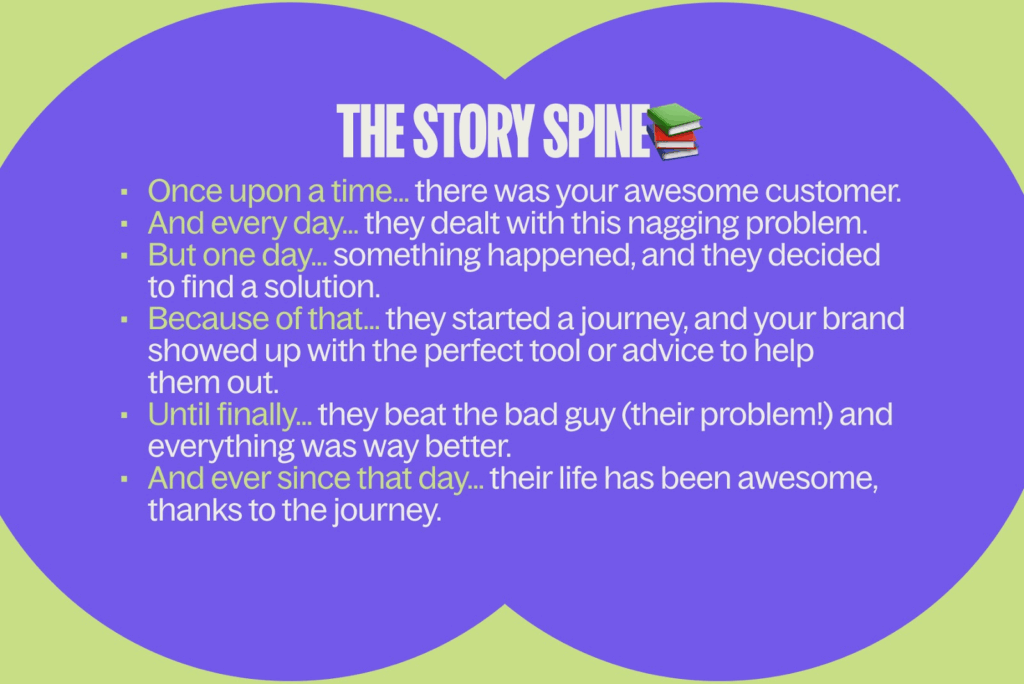
Once you know what the hero’s quest is, you can map out your story. The folks at Pixar use a simple trick called the “Story Spine,” and it works like a charm:
To make your story extra powerful, you can give your brand a personality, like an archetype. Are you The Creator, like LEGO? The Rebel, like early Apple? The Caregiver, like Dove? Picking one makes it easier to know how to act in your role as the hero’s guide. You’re not changing for no reason. You’re changing to be a better guide for your hero—the customer!
Don’t Just Tell Your Story, Live It! (And Learn from Past Fails)
Once you’ve got your story straight, everything else just falls into place. Your digital stuff? That’s how you help the hero on their journey. Your social media? It’s where you chat with them. The whole experience, online and off, becomes the world where their story happens.
Changing up a brand that’s been around for ages is a big deal. It takes guts. But hey, a word of warning: history is full of brands that got this wrong.
Remember the Kraft Heinz mess? They got acquired by a private equity firm, and cut costs on things like staff, marketing and new ideas to save a quick buck, and their famous brands just faded away. It’s a huge reminder that you have to keep investing in your brand. Or what about Tropicana? They changed their classic “orange with a straw” carton to something boring and generic. People were confused, sales dropped and they had to spend millions to switch it back. It shows you can’t just mess with things people know and love without a good reason.
These slip-ups all point to one big truth: this isn’t a one-and-done project. The brands that really win are the ones that are always changing, always learning, and never taking their customers for granted.
Ready to Write Your Next Chapter?
Does this whole “legacy vs. relevance” puzzle sound a little too familiar? You don’t have to figure it out alone. If you’re ready to honor your brand’s incredible history while building an exciting future, we’d love to chat. Contact Us.

