Author: Ilana Stark

Understanding and Connecting with Latino Consumers: Insights and Trends

Posted on by Ilana Stark

In today’s highly segmented marketing world, it’s critical to recognize and respect the diversity of consumer groups. Among these, the Latino community in the United States represents a dynamic and fast-growing population with unique values, behaviors and preferences. Understanding Latino consumer trends and applying multicultural marketing strategies is key for any brand aiming to create meaningful connections with this vital demographic.

Here at Designsensory, we’ve been working with Centro Hispano, an organization with the mission to develop effective, relevant and culturally aware programming and help Greater Knoxville understand the presence and contributions of Latino families in East Tennessee, to create more impactful and resonate marketing campaigns. 

See what we’ve learned in conversation with the organization and some additional thought starters for your next campaign for a Latino audience.

The Increasing Buying Power of Latino Consumers

As the Latino population in the U.S. continues to grow, so does their buying power. In 2023, Latino buying power reached an estimated $2.0 trillion; in 2024, it is expected to surpass $2.3 trillion. This increase is driven by population growth, rising educational attainment and greater participation in the workforce. For marketers, these figures highlight the importance of investing in Latino market segmentation to develop strategies that resonate with this audience.

Building Cultural Connections and Representation

Cultural respect and authenticity are essential when marketing to the Latino community. Latinos often feel underrepresented or misrepresented in advertising, so building trust requires more than just translating content into Spanish. Brands must go deeper by ensuring Latino representation in advertising that is genuine and reflective of the diverse experiences within the Latino community.

Key Facts About the U.S. Hispanic Population (Pew Research)

Here are 10 facts about the U.S. Hispanic population, its origin groups and how those groups differ from one another, dispelling some common myths:

  • Eight Hispanic origin groups have at least 1 million people living in the U.S. By the beginning of 2022, the five largest Hispanic populations in the U.S. by origin group were Mexicans (37.2 million), Puerto Ricans (5.8 million), Salvadorans (2.5 million), Dominicans (2.4 million) and Cubans (2.4 million). The other three origin groups with populations over 1 million were Guatemalans (1.8 million), Colombians (1.4 million) and Hondurans (1.1 million). Venezuelans, Dominicans and Guatemalans are the fastest-growing Hispanic origin groups.
  • The share of Hispanics in the U.S. who speak English proficiently has increased. In 2021, 72% of U.S. Hispanics ages 5 and older either spoke only English at home or spoke English very well. The share of U.S.-born Hispanics who were proficient grew from 88% to 91%, and the share among immigrant Hispanics grew from 32% to 38%. This is largely driven by the growing share of U.S.-born Hispanics who grew up in households where only English was spoken. The increase in proficiency is seen with each new generational cohort. (Pew Research).
  • Immigrants are a declining share of the U.S. Hispanic population. U.S. births to Hispanic parents have outpaced the arrival of new immigrants. As a result, the U.S.-born Hispanic population has grown by more than 11 million, while the immigrant population has grown by just over 1.5 million.
  • A significant majority of U.S. Hispanics are U.S. citizens. More than 80% are U.S. citizens, including people born in the U.S. and its territories (including Puerto Rico), people born abroad to American parents and immigrants who have become U.S. citizens through naturalization.
  • Most Hispanic immigrants have lived in the U.S. for at least a decade. Nearly four in five Hispanic immigrants have lived in the U.S. for more than 10 years.
  • The makeup of the U.S. Hispanic population varies widely across major metropolitan areas. Mexicans make up 60% of U.S. Hispanics overall, but no other origin group makes up even 10%. These shares differ dramatically in specific metro areas.
  • The U.S. Hispanic population is aging but remains younger than Americans overall. The median age of U.S. Hispanics is about 30, compared to 37.8 for the overall U.S. population. The median age of U.S.-born Hispanics is just 21 years, compared with 44.5 among immigrant Hispanics.
  • The share of U.S. Hispanic adults with a bachelor’s degree is growing. In 2021, one in five Hispanics aged 25 and older had a bachelor’s degree or higher, compared to 38% of the overall U.S. population. This number continues to grow.
  • Household incomes vary widely among Hispanic groups. The median household income for Hispanics in the U.S. in 2021 was $59,000, below the overall U.S. median of $67,800.
  • Homeownership rates are rising among Hispanic households. Hispanic homeownership in the U.S. increased slightly from 47% in 2010 to 51% in 2021. However, this rate still trails the overall U.S. homeownership rate of 65% in both years.

The Economic Impact of the Latino Market

Latino Americans are a driving force behind many key sectors of the U.S. economy. They represent a growing share of entrepreneurs, with 4.7 million Latino-owned businesses contributing billions in revenue and creating millions of jobs. Latinos also make up a significant portion of the U.S. labor force, particularly in industries such as construction, healthcare and service sectors, where their participation is essential to maintaining economic productivity.

Additionally, the rise in Latino homeownership has supported the real estate market and related industries, further underscoring the economic influence of this demographic. Again, with their buying power expected to reach $2.3 trillion by 2024, the contributions of Latinos to the U.S. economy will only continue to grow.

Multicultural Marketing Strategies: Building Trust and Inclusivity

To connect with Latino consumers effectively, brands must move beyond surface-level marketing tactics. Developing a genuine connection requires strategies that demonstrate respect, inclusivity and cultural understanding. Some effective approaches include:

  • Bilingual Communications: Hire bilingual staff and create bilingual content for websites, apps and customer support to ensure that your brand speaks directly to Latino consumers in a way that feels natural and welcoming.
  • Representation in Advertising: Ensure Latino representation in advertising by including authentic portrayals of Latino culture and experiences, rather than superficial or stereotypical portrayals, to build trust.
  • Family-Centered Messaging: For many Latinos, family is a central value, and incorporating family-oriented messaging can help create deeper emotional connections.
  • Localizing Content: Latino consumers come from a variety of backgrounds and origins. Tailoring content based on regional dialects and cultural practices ensures that marketing efforts feel personalized and genuine. Don’t assume that one approach will work for all Latino audiences, even within a particular subgroup.

By understanding the nuances of Latino consumer behavior, and focusing on multicultural marketing strategies that celebrate diversity, brands can build long-term relationships with Latino consumers and foster loyalty, ensuring success in this dynamic and fast-growing market.

15 Niche Social Media Platforms to Elevate Your Brand Presence in 2024

Posted on by Ilana Stark

Believe it not, there are other social media platforms beyond the “Big 6.” Audiences are finding other platforms to flock to that provide new experiences, boast different form factors and have communities and content that their looking for.  While some of these platforms would never be considered niche by their beloved users, they are often left out of the social media manager’s staple diet. Consider these platforms as your supplements. The big sites — Facebook, Instagram, X, TikTok — are your core food groups, essential for building strength and reaching a wide audience. But just as you wouldn’t rely solely on grains and beans, you can supplement your diet with smaller, niche platforms like Nextdoor, Discord or BeReal. 

These smaller, more niche social media platforms can offer that breath of fresh air that brands and social media marketers seek and provide additional ways to connect with their audience. Here are 14 platforms with opportunities for your brand to thrive in a crowded online space.

1. Google Business 

Most wouldn’t consider Google My Business a social platform, but when it comes to engaging and informing your customers this is the first place most everyone looks. It’s effective at boosting local SEO, and customers are 70% more likely to visit a business with a complete Google Business profile. 

How to Use It: With the ability to add posts underneath your profile, it’s an easy and effective way to keep your customers informed, especially new and potential ones who follow the first thing they click on (because let’s be honest who doesn’t). 

2. Reddit 

Founded in 2005, the long-time internet staple for answering your very specific questions hit over a billion monthly active users last year, up 11% from 2022. A majority of traffic comes from mobile, with the average daily time spent on the platform sitting at 15 minutes. While not necessarily a haven for brands, the community-driven platform is a place where people gather to discuss brands in subreddits with other brand loyalists. 

How to Use It: We suggest participating in relevant subreddits as a representative of your brand or creating your own subreddit with community-led admins to establish a place for your audience to connect, share experiences and provide feedback. Consider folding Reddit into your community management plans and taking a human-first approach by having a representative of the brand interact with others, as opposed to interacting as a brand account. 

Note: It’s crucial to approach marketing on Reddit in an informed and strategic way, as the platform’s users are quick to detect and reject overly promotional or insincere content. Respect the platform’s culture of transparency and authenticity to create genuine engagement. Additionally, after going public earlier in 2024, the platform will likely continue to focus on refining its advertising model and use cases, which will provide additional opportunities to engage its user base.

3. Snapchat 

Snapchat is the world’s 12 most popular social media app and is used by 69% of teens. You can reach this audience by using Snapchat’s spotlight feature. Like a discover or for you page, anyone can submit posts using the Spotlight feature to have their content featured. Snapchat released its Discover page and ‘Lenses’ (filters) in January 2015, mirroring other major competitors. 

How to Use It: Provide behind-the-scenes and real-time content from your brand. Post vertical videos or photos on your public profile after 8 pm, when most users are on the app, to see better engagement rates on your content. Another more passive way to utilize Snapchat is by creating an original filter for your business and pinning it to your physical location to help build brand awareness. 

4. Pinterest 

The numbers don’t lie: Pinterest has 498 million monthly users (70% of whom are women) and 80% of the platform’s weekly pinners report they have found a new brand or product through the platform. You know what else doesn’t lie? The vibe. More people turn to Pinterest every day for inspiration, curation and the #aesthetic

How to Use It: Brands can market themselves on Pinterest by creating visually appealing pins that showcase their products or services in context, utilizing keyword-rich descriptions and relevant hashtags to increase discoverability. By curating themed boards that reflect the brand’s aesthetic and values and engaging with the Pinterest community through comments, repins and collaborations, brands can effectively reach and engage with their target audience in a high-utility way. But most important of all, drive significant traffic to your site.

5. Threads  

When Twitter was purchased and spiraled (upward? or downward? Who is to say yet?) into X, Meta released its version of a text-based social platform, Threads. While both have vast similarities, their demographics are different. When the platform was launched, it saw 70 million users in under 48 hours, setting a record. Since then, platform usage has tapered. Not as many members are signing up, and the average daily use was down 79% in the first month. Threads users skew older than X, and the platform sees far less daily engagement. Rumor has it that being active on Threads can help boost Instagram engagement helping to direct new eyes to your account. 

How to Use It: Merge your X strategy and Instagram strategy together by extending text-based updates to your Instagram followers. Provide a more intimate and real, or candid and humorous, approach and supply your Instagram followers with extra content in this additive approach.

6. WhatsApp

It’s the leading communication platform for global smartphone users, expected to hit 3 billion unique active users by June 2024. WhatsApp has a 98% open rate for messages, compared to industry averages for email marketing which fall between 20-40%. 

How to Use It: Receive direct customer feedback, create an AI chatbot or run a multimedia advertising campaign to extend your brand reach on WhatsApp. 

7. Telegram

The encrypted instant messaging app hosts 800 million users as of 2023. Telegram’s broadcasting features enable businesses to reach large audiences instantly, perfect for announcements or product launches. Integrating Telegram bots can improve user experience by providing automated support, surveys or facilitating transactions within the chat interface. The most popular channels on the platform include news, entertainment and education.

How to Use It: Think of it as an extension to your approach to email, SMS and (formerly) tweeting. Market your brand on Telegram by creating dedicated channels or groups (up to 200,000 users) to share content, updates and promotions directly with their audience. Offering exclusive deals or insights can encourage users to join and engage, building a sense of community and loyalty. 

8. BeReal

BeReal recently released a new feature for creators called RealPeople and RealBrands for businesses. This platform’s audience veers younger with 66% of users being women under 24. There’s an uptick in brands creating accounts on the platform to strengthen their relationship with this younger generation of consumers. The candid and… real… nature of this app lends itself to behind-the-scenes content. Think influencer and celebrity cameos, updates on product development and event activations.

How to Use It: Create engaging content that resonates with this audience’s interests and values. While a new offering, brands can foster authentic interactions, build brand awareness and cultivate loyalty among BeReal’s active user base.

9. Nextdoor 

The “neighborhood app” is perfect for brands and businesses who are trying to target a local audience. According to the platform, “79% of Nextdoor users say they are more likely to consider shopping at a business or using a service if they knew it was a Nextdoor Neighborhood Favorite.” Spark a conversation with your next future customer on the app. 

How to Use It: Create a business page and engage with the local community by participating in discussions, sharing relevant content and responding to comments or reviews to help establish credibility and trust.

10. Quora

Within Quora, the question-asking-question-answering platform, lies more strategies to connect with your target audience. And this one is perfect for your CMO, your sales rep or your trusty community manager. Seek out questions specific to your company, vertical/industry or core offering and simply answer them (with a plug or two thrown in). Think about it as an opportunity to share the same insights on LinkedIn. Quora Ads is another effective method for reaching a wider audience through targeted campaigns. Receiving 400 million monthly unique visitors, thought leadership on Quora could be the answer for your brand. 

How to Use It: Create an account and engage with relevant questions in your industry, join a Quora Space related to your niche and become a voice of authority on the platform. 

11. Discord

Discord communities, called servers, hit 19 million in 2023. Discord is the self-proclaimed “communication” platform, with 67% of users being men and 70% of users being 34 and younger. Chipotle attracted nearly 24,000 job applicants in under a week by hosting a virtual job fair on the platform. With Discord, you’re able to create a brand server, foster a strong connection with your community, boost user-generated content and collaborate with influencers. Gucci shares what’s happening behind the scenes of their luxury fashion brand with over 50,000 users, and Louis Vuitton has an exclusive community for LV NFT holders

How to Use It: Create a server for your community to gather, outline community guidelines and rules, assign moderators and build channels based on the topic you and your community would like to discuss. With built-in audio and video functionalities, create spaces for your community to host virtual calls, stream a presentation or host a town hall call — or, even better, host live music and performances. There are several bots and additional tools built into the platform for added functionality and gamification, and the platform offers custom emojis, user titles and more. 

12. Twitch 

Live streaming launched a new generation of online personalities and modern vernacular… what’s good, Chat? With 7.94 million active users, the rise of Twitch influencers is shaping the way other platforms host live streams. While often seen as a place to watch gamers and live gaming events, the top category on the platform for 2023 was ‘Just Chatting’ with 3.1 billion hours streamed. Brands can capitalize on the app by partnering with influencers to market their products during live streams, or host their own and have a brand representative do a Q&A. 

How to Use It: Sponsor popular streamers via product placements, in-stream callouts and graphics, etc. or consider more traditional advertising placements, such as display, pre-roll and in-stream ads. But, we bet you do have something worth streaming — video games, board games, crafting, reactions, cooking, conversations with other industry professionals, real-time vlogs, 

Note: The Twitch community is specific, to say the least. And the platform doesn’t always host brand-safe content. Gauge where your brand fits, or doesn’t fit, into the platform thoroughly.

13. Letterboxd 

With a user base of over 10 million, brands like Time Magazine, LG and Regal have flocked to the movie review app to cultivate relationships with their audience members who are passionate about movies. Time uses the platform to leave reviews and promote film-related articles and content from their magazine. LG has used the platforms to showcase the new line of OLED TVs and start an OLED Movie Club. Maybe you’re not a big Hollywood studio or media conglomerate, but if your audience overlaps with Letterboxd users – the majority of which is under 35 – leaving these fun reviews can deepen your relationship with them, personify your brand and create conversation. 

How to Use It: If you’re a publisher or consumer brand already in the movie and pop culture space, extend your content to Letterboxd by using its HQ account to share articles and links, lists and reviews. Get creative and ask: does your brand discuss movies in any way? Should it? Letterboxd could be a great opportunity for you.

14. Lemon8 

In my opinion, this is TikTok’s little sister. Owned by ByteDance, the app is said to be a mix of Instagram and Pinterest, housing lifestyle content that’s typically posted in photo carousels. The platform saw momentous growth in mid-2023 with nearly 4.1 million downloads last year. With the fate of TikTok in the United States looming, this platform is likely subject to the same ban hammer. Until then, it will continue to see an increase in users looking to consume content in a new way that merges elements of what they already love together. We can’t see the future, but we do know early adopters in social media flock together and you’re likely to find them within the budding Lemon8 community. 

How to Use It: Lemon8 has established categories: fashion, beauty, food, wellness, travel and home. If you fall into any of these categories, and have a mission for improving the quality of life of your customers, consider if Lemon8 is right for you. Showcase your brand through lifestyle content, product reviews, tutorials, testimonials and more.

15. Goodreads

Goodreads isn’t just a place for bookworms—it’s a thriving social network for readers and authors alike. With over 125 million members, Goodreads is the go-to platform for discovering new books, sharing reviews, and participating in reading challenges and book clubs. Readers can create virtual bookshelves to track their reads, rate books, and receive personalized recommendations based on their literary preferences. Authors can engage directly with fans through author profiles, book giveaways, and Q&A sessions, fostering a community centered around the love of literature.

How to Use It: For authors and publishers, Goodreads offers a powerful platform to promote books and connect with a passionate audience of readers. Create an author profile to showcase your bibliography, bio, and upcoming releases. Host virtual book launches, participate in group discussions, and offer giveaways to generate buzz and build anticipation for new releases. Engage with readers by responding to reviews, sharing behind-the-scenes insights, and joining book-related events to cultivate a loyal following and increase book sales.

From engaging with local communities on Nextdoor to tapping into the visual inspiration of Pinterest, each platform offers distinct opportunities for brands to connect with their audience in meaningful ways. By strategically folding in one of these platforms, your brand can unlock untapped potential, amplify its message and elevate your brand presence in the digital sphere. 

Who Owns AI-Generated Content? Navigating Credit and Ownership in the Age of Artificial Intelligence

Posted on by Ilana Stark

In the digital age, the rise of artificial intelligence (AI) is causing big time anxiety among creative professionals. Even in the face of a huge disruption in our established ways of working, writers, designers, and other creatives face another unsettling question: Who owns the content produced by AI, and who deserves credit for it?

The Role of AI in Content Creation

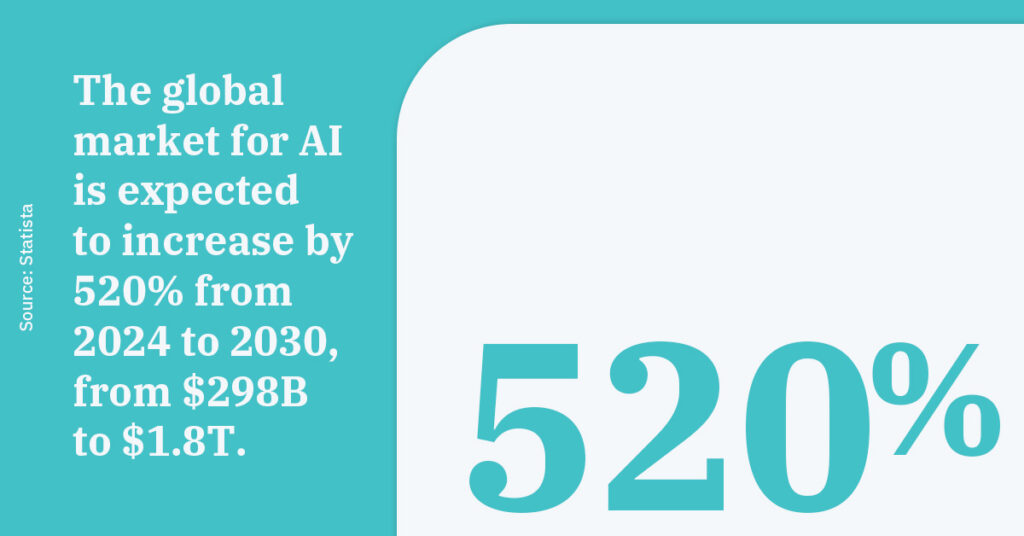
AI, especially generative AI models like ChatGPT, has completely changed the game in content creation. The global market for AI is expected to increase by 520% from 2024 to 2030, from $298B to $1.8T

These technologies write articles, compose music, generate art, and even develop software. But as AI’s capabilities expand, so do the ethical complexities surrounding ownership and credit.

Generative AI models work by analyzing tons of existing data to predict and produce content. For example, ChatGPT can craft coherent text by predicting word sequences based on its training data. While this makes AI an invaluable tool for generating ideas and speeding up repetitive tasks, it raises big questions about intellectual property and authorship. Think of it as a high-tech parrot: it might know all the right words, but it certainly didn’t come up with “Polly wants a cracker” on its own.

The Ownership Dilemma

The primary issue is straightforward, yet profound: if an AI generates content, who owns it? The answer isn’t exactly clear-cut. Generally, AI-produced content ownership can be broken down into a few key perspectives:

  1. The Developer’s Claim: Some argue that the creators of the AI—those who designed and trained the model—should own the content. After all, they built the foundation for the AI’s capabilities.
  2. The User’s Claim: Others believe that the person or entity using the AI to generate content should hold ownership. This viewpoint considers the user’s input, such as the prompts and guidance given to the AI, as a form of creative direction.
  3. A Joint Claim: A more nuanced perspective suggests joint ownership between the AI developers and the users. This approach acknowledges the contributions of both parties in producing the final content.

Each of these perspectives has implications for how credit is assigned and disputes are resolved. Right now, the legal landscape around AI-generated content is still evolving, and different places might have different interpretations.

Credit Where Credit’s Due

Beyond ownership, giving credit for AI-generated content is just as tricky. Traditional ideas of authorship involve creativity, intentionality, and originality—qualities that AI sorely lacks. AI doesn’t have thoughts or intentions; it just processes and regurgitates data. 

Should we be giving a pat on the back to the toaster for making breakfast too?

However, the role of the user in shaping AI outputs can’t be dismissed. A writer using AI to draft an article, for instance, still exercises creativity and decision-making in refining and finalizing the text; the user arguably deserves recognition for their part in the creative process.

In practice, credit for AI-generated content might look different depending on the context. For instance:

  • Co-authorship: In academic or collaborative works, AI can be listed as a co-author, alongside human contributors. Imagine citing “John Doe and ChatGPT”—a duo for the digital age.
  • Acknowledgments: In other contexts, AI’s role might be noted in an acknowledgment section, crediting it as a tool rather than a creator. “Special thanks to ChatGPT for tirelessly suggesting synonyms.”
  • Attribution Models: Some propose developing new attribution models that specifically address the contributions of AI in content creation.

And this attribution doesn’t just affect who gets credit for the work. Proper attribution influences how people perceive marketing efforts when AI is involved in the creation of content. Only 27% of people find an AI ad trustworthy even with disclosure of AI’s role in its creation. Without disclosure, that number drops to 15%. Perhaps more concerning is the effect that these disclosures have on brand trust. 53% of audiences will trust a brand who discloses AI’s role in creating their ad content; when AI is not disclosed, only 27% are likely to trust the company.

Moving Forward

As AI continues to advance, it’s crucial for creatives to stay informed and adapt to these changes. Here are some steps to consider:

  1. Understand the Technology: Knowing how AI works and what it can and can’t do is vital. This knowledge can help you better navigate the complexities of AI-generated content. Think of it as knowing the secret recipe—only then can you spice it up.
  2. Stay Updated on Legal Developments: The legal landscape is continuously evolving. Keeping abreast of new laws and regulations can help you protect your rights and understand your obligations. The New York Times’s ongoing lawsuit against OpenAI is shaping up to be a pivotal moment in the history of AI. Lawyers are having a field day with this, so stay tuned.  
  3. Collaborate and Innovate: Embrace AI as a tool that can enhance your creativity. By working alongside AI, you can push the boundaries of what’s possible while ensuring your contributions are recognized. It’s like having a super-smart assistant who never needs coffee breaks.

The advent of AI in content creation echoes the historical tensions between skilled workers and technological advancements. Just as the Luddites fought to protect their livelihoods, modern creatives have to navigate the challenges and opportunities presented by AI. Ownership and credit for AI-generated content are complex issues that require thoughtful consideration and adaptive strategies. By understanding these dynamics, creatives can ensure they remain integral to the ever-evolving landscape of content creation, rather than becoming a relic of the past.

So, gear up, fellow creators. The machines are here, and they’re not just taking jobs—they want credit for it, too.

Overcoming Creative Burnout: Insights and Strategies for Marketing Professionals

Posted on by Ilana Stark

At Designsensory, we know that maintaining peak creativity and productivity is crucial for both our team and clients. However, creative burnout can sneak up on even the most passionate professionals, impacting performance and innovation. With our expertise, we offer insights and strategies to help creative professionals navigate and overcome burnout effectively.

Understanding Creative Burnout

Creative burnout is that sneaky state of mental, emotional, and physical exhaustion that makes you feel like you’ve lost your creative mojo. It can stem from a heavy cognitive workload and not enough time for creative experimentation and exploration. Recognizing and addressing burnout is essential for keeping that creative spark alive in the workplace.

Burnout can manifest in various ways, including stress, reduced excitement for projects, feelings of imposter syndrome, and the dreaded template mode. Creative professionals thrive on their passion for artistry and innovation, so burnout can hit hard, impacting both professional and personal lives.

Preventing Burnout

Preventing burnout requires a proactive and personalized approach. Research highlights several activities that address fundamental human needs for connection and creativity. Our findings emphasize four key themes: nature and outdoors, physical activity, mindfulness and meditation, and breaks and downtime.

1. Nature and Outdoors

Exposure to natural settings enhances creativity and mental clarity, boosting problem-solving skills significantly. Encouraging short breaks in nature can refresh the mind and stimulate new ideas. Marketing professionals can benefit from stepping outside the office for a brief walk or holding brainstorming sessions in a park. Who knew Mother Nature was also a creative director?

2. Physical Activity

Regular physical activity is linked to improved brain function, including memory, attention, and problem-solving abilities (Oppezzo & Schwartz, 2014). Activities like walking can enhance creative ideation both in the moment and afterward. Incorporate physical activities into your routine, such as walking meetings or a mid-day workout, to keep your creative energy high. Think of it as a gym membership for your brain.

3. Mindfulness and Meditation

These practices reduce stress and foster a state of open, non-judgmental awareness, enhancing divergent thinking. Encouraging mindfulness can open the door to creative insights. Marketing professionals can integrate short mindfulness or meditation sessions into their daily schedule to maintain mental clarity and creativity. Remember, a calm mind is a creative mind.

4. Breaks and Downtime

Strategic breaks prevent decision fatigue and encourage creativity. The “incubation period” concept suggests that stepping away from a problem can lead to more innovative solutions. Ensure you take regular breaks throughout the day to allow your mind to rest and recharge, enabling better creative problem-solving. Consider it your brain’s coffee break, minus the caffeine.

Addressing Existing Burnout

Addressing existing burnout requires supportive team dynamics and proactive management. Open communication and sharing experiences of burnout can significantly mitigate its effects. Creating a supportive environment where team members can discuss their workload and experiences without judgment is essential. After all, a problem shared is a problem halved.

Tip 1: Effective Time Management

Proper time management can alleviate the feeling of being overwhelmed by multiple projects. By planning and prioritizing tasks, marketing professionals can manage their workload more effectively and reduce the risk of burnout. Use tools like project management software to organize and schedule tasks, ensuring a balanced workload. Remember, calendars are your friends.

Tip 2: Allocating Time for Creative Processes

Designating time specifically for creative processes, beyond production deadlines, is crucial. This allows creatives to experiment, collaborate, and develop innovative solutions without the pressure of immediate deliverables. Set aside dedicated time for brainstorming sessions, creative workshops, and individual creative exploration. Think of it as a playground for your brain.

Tip 3: Managing Project Load

Balancing the number of concurrent projects can prevent creative fatigue. Focusing on fewer projects at a time enables deeper engagement and higher-quality output, ultimately benefiting both the creative team and the client. Prioritize projects and allocate sufficient time for each to ensure thorough and thoughtful creative work. Because juggling is best left to clowns, not creatives.

Leveraging Time Off to Recharge

Recognizing the importance of downtime, our team at Designsensory plans to use the summer months to recharge. For instance, Chris Cable, VP & Creative Director, plans a trip to Asheville, North Carolina, to visit art galleries and hike the Blue Ridge Mountains. Motion Designer Lisa Schweikert has a getaway planned in Philadelphia to reconnect with artistic friends and gain fresh perspectives.

Time away from work allows creatives to recharge, return with renewed enthusiasm, and contribute more effectively to their projects. Encouraging planned vacations and breaks is a valuable strategy for maintaining long-term creativity and productivity. Remember, even superheroes need a day off.

Join the Conversation

At Designsensory, we prioritize maintaining a healthy, creative work environment. We invite you to share your experiences and strategies for combating burnout. Our goal is to foster creativity, increase productivity, and deliver exceptional results for our clients. Let’s work together to create a supportive and innovative industry.

For further insights and tailored strategies, reach out to us at Designsensory. We’re here to help you navigate the challenges of creative burnout and enhance your team’s performance and well-being.

The State of Social Media

Posted on by Ilana Stark

The state of social media today: it’s not what it was yesterday, and it’s not what it will be tomorrow. As someone who works in social media, I find myself preaching about how fast these platforms, their respective algorithms and their users’ preferences change. But what is consistent is the continued growth of social media platforms and the number of users around the world. As the population grows, so too does the popularity of social media. We all ask ourselves, “Where are these platforms going next?” But it’s just as important to remember where they are today.

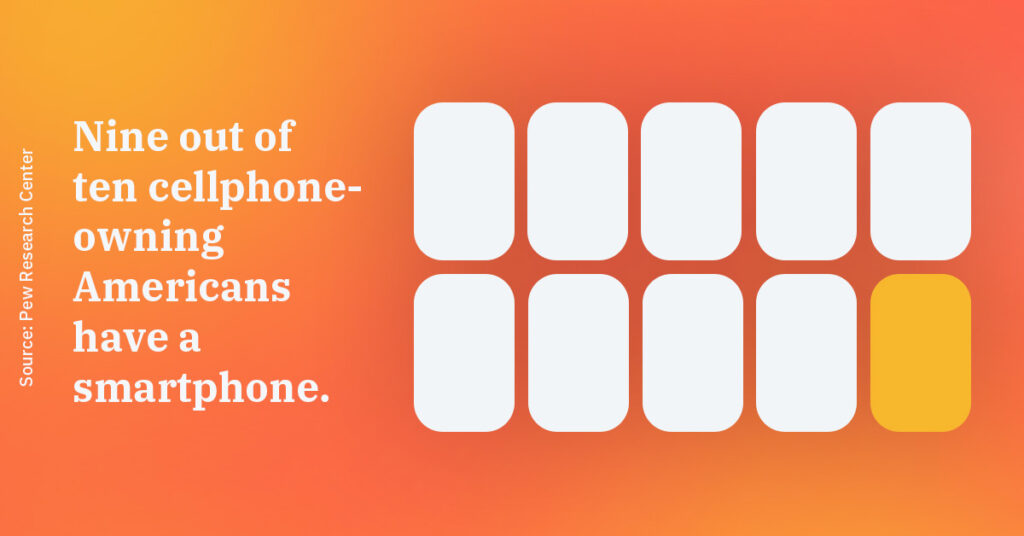
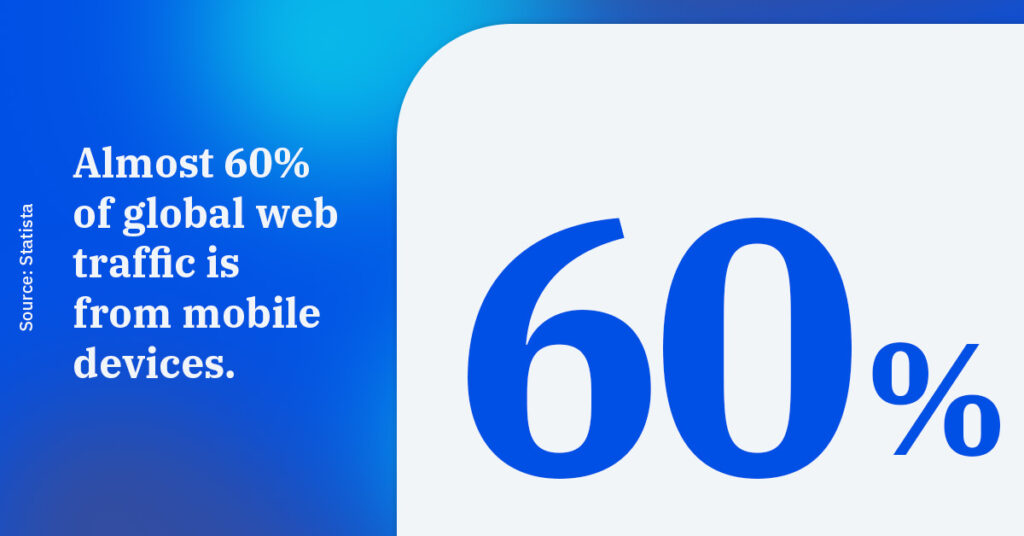
Our world is mobile-minded. As of 2022, there were more mobile subscriptions than people – 7.95 billion people with 8.58 mobile subscriptions. Nine out of ten cellphone-owning Americans have a smartphone and only 1% of Americans age 29 and younger own a phone that isn’t “smart.” Smartphone dependency is a real thing, 15% of Americans have a smartphone but no broadband internet subscription. Social media users are expected to hit 7 billion by 2027, people are spending an average of 2.5 hours a day using social media and almost 60% of global web traffic is from mobile devices (meaning if your marketing plan isn’t also mobile-first… wyd?). 

In this constantly in-flux, dizzying social media landscape, knowing what users are on each platform and their behaviors while using them is paramount to effective digital marketing. When you understand this and can read the tea leaves on where each platform might be heading, it becomes far easier to pick the right platforms for your brand, create an effective content strategy and orient toward your goals. Through audience segmentation, content personalization and social media analytics, marketers can more easily navigate the intricate realm of online consumer behavior. Staying up to date with digital marketing trends and employing tools like social SEO or adding in-platform audio and captions ensures that businesses connect with their target audience and stay ahead in a competitive social media landscape. But what does that mean for you and your business today? 

Get to know the current state of social media by identifying the primary audiences of these platforms. Storytelling is the most important part of content creation, but who are you creating this content for and why would they want to consume it? Through photo and video posts, captivating copy, and quite literally ‘Stories’ – we’re able to transform a brand into a personality and personify it through a handheld screen. Your brand becomes a character in the story of your audience’s life. Know key platform demographics to reach your target audience and get to know their life to better understand the stories you need to be telling. 

Facebook

Celebrating its 20th birthday this year, Facebook is currently the most popular social media app by users around the globe. The largest social media platform, hosting over 3 billion monthly active users and 98.5% of users access the platform via mobile. 4 million Facebook post likes occur every single minute. The odds of someone being on Facebook are higher than not having an account with the platform. While everyone might have a profile, specific groups of people are found using the app more than others. A slight majority of users are men and active users skew younger

It seems every major update from Meta relates to AI at the moment — whether by teaming up with Amazon, launching a new multimodal model, or having fun with generative profile photos — serving as a strong indicator of where the brand aims to go next. Pair this commitment to AI with its continued hardware push, and its clear the company is diversifying its offerings to feed back into its ever-expanding ecosystem.

Instagram

IG, Insta, Finsta, Rinsta, just do it for the gram! Worldwide, there is a slight majority of male users, but in the US 56% of users identify as female. Reels are the platform’s most shared content, and with shares being the most valuable engagement metric, there’s a clear desire for video content on Instagram. It’s the fourth most popular social media platform with 2 billion monthly active users. With the majority of US marketers already using the platform, the competition is hot. Instagram is the top dog for influencer marketing. HubSpot reports that influencer marketers see short-form video content on the platform as having the highest ROI.  

On Instagram, the platform continues to mirror successful features from its competitors. And elsewhere (but also the same place), Meta continues to push Threads and refine the offering. Almost a year old, Threads is still “in development” as the platform continues to roll out updates like location tagging, muting notifications and other essentials that have existed on other platforms for a long, long time.

Twitter X

After changing ownership, X (formerly known as Twitter) saw a decline in users, time spent on the platform and a drop in ad dollars. In January 2022, before the change, it was the 15th most popular social media app. According to a survey conducted in spring 2023 by Pew Research, 60% of U.S. adults who had utilized Twitter in the previous year reported taking a hiatus from the platform during that period. Only 15% of content on the platform are original posts (RIP calling them Tweets), which pales in comparison to 83% of users having created at least one video over on TikTok. The platform was originally launched in 2006 as a microblogging site, and 18 years plus 2 owners later, it has become more of a microcosm for memes than anything. Still, Twitter has a large audience of high earners who are more likely to be educated, and Gen Z is downloading the app at higher rates than its competitor, Threads. 


Similar to Threads, X is also in development, but more so as a major overhaul to the platform’s pre-existing systems. It continues to beef up its Premium offering in ways that are sometimes good and sometimes bad. However, it does continue to share the wealth, so to speak, by incentivizing its creators through monetization.

LinkedIn

With 1 billion users, over 200 million of those being US users, LinkedIn spans the globe as a digital hub for professionals. More than 81% of LinkedIn users are 18-34 years old, and only 3.8% of users are 55 or older. LinkedIn is a home for young professionals to find their career path, filled with unlimited networking opportunities. Yet, only 30% of US adults have an account. All businesses should have a LinkedIn page. It helps connect your employees, market to potential clients or future team members and projects your professional brand voice. Another great way to utilize LinkedIn is its newsletter feature. Get out of your audience’s inbox and into their LinkedIn notifications. The platform hosts over 146,000 newsletters with over 500 million total subscriptions


And LinkedIn wants its users to visit the platform more often with some unexpected moves, like introducing once-a-day games. Ultimately, we anticipate this and similar moves will continue to redefine how professionals interact and position the platform to be a one-stop-shop for all things “work” — emails, networking, news, learning and accreditation, jobs, whitepapers, think-pieces, newsletters and, now, a bit of solitaire while the boss isn’t looking. Pair the journalist exodus from Twitter/X with the rise in LinkedInfluencers and you’ve got a wealth of content and interesting features on LinkedIn to share, engage with and utilize as your brand.

YouTube

Who isn’t watching YouTube? A recent report shows that 83% of US adults use YouTube, the second most popular website in the world. And 93% of US adults aged 18-29 use the platform, most on a daily basis. The platform’s viewership is 54.4% male and veers a bit younger. With 2 billion monthly active users and 1.5 billion people watching Shorts, someone from your target audience is actively watching YouTube. Capitalize on the Shorts boom by resharing vertical video content that’s under a minute, it’ll help drive views and subscribers. With the launch of YouTubeTV and premium music offerings, the platform also reported 100 million paid subscribers, helping contribute to the platform’s 8 billion dollars in advertising revenue

YouTube is in an interesting position. Viewers in the U.S. spending more time watching YouTube than all other major streaming services. The major streamers continue to bundle and consolidate, as they begin to mirror traditional cable networks while consumers cry “please, not another streaming service.” However, even in that race, YouTubeTV already has 8 million subscribers while it’s leading competitor Hulu Live TV has 4.5 million subscribers and other competitors like Sling TV hold a smaller market share of 2 million subscribers. Meaning, its not only dominating in online video, but in streaming TV as well. And make that music too: Apple Music 92 million subscribers, YouTube Premium and Music has 100 million subscribers (a joint offering), while Spotify has 236 million subscribers.

And all that to say: YouTube is still prioritizing its creators. Even though many are looking for ways to separate from the platform. Again, in ways that are sometimes good and sometimes bad.

TikTok

TikTok has not only taken all of the other social media platforms by storm, but now it’s on track to compete with Google. Okay, maybe not yet, but it’s now a leading search engine for more than 2 out of 5 Americans. Expected to hit 2.25 billion users by 2027, on average, people spend almost an hour a day using TikTok. And 30% of daily users reported purchasing on the platform’s shop feature, yet only 26% of marketers are on TikTok. 

There’s much to be said about there’s no telling where this platform will be by 2025. As for now, users are still incredibly active and are openly voicing their opinions against a full TikTok ban. Whether or not the ban ends up finalizing in January, there is still time for your brand to create awareness and entertainment on the platform to grow your audience. It’s not uncommon for users on the app to see their accounts increase by thousands of followers with one solid piece of content. And, if the ban hammer does fall, who knows what the next platform will be, but there are certainly quite a few trying to claim the throne, like Instagram Reels, YouTube Shorts and plenty of newcomers.

The dynamic world of social media requires adaptability from anyone who wishes to leverage the platform’s power effectively. With the number of social media users projected to continue rising, staying informed about the changing demographics and behaviors on each platform is crucial. Whether you’re utilizing Facebook’s broad user base, Instagram’s visual engagement, LinkedIn’s professional networking or the unique appeal of TikTok and YouTube, understanding and targeting your audience with relevant, engaging content is key. Embrace the opportunities these platforms offer, and let your brand’s story resonate with your audience, transforming casual browsers into engaged followers and loyal customers.

Oh S***, It’s a F*** Blog Title (Oh Snap, It’s a Fake Blog Title)

Posted on by Ilana Stark

Have you ever had the urge to add a bad word to your social graphic or newsletter copy? 

Maybe you should’ve.

There is power in cursing, swearing or whatever you want to call the foul language that often leaves marketers’ tongues (behind the screen). It’s proven. But what happens when you put that language on paper, infuse it into your social strategy or use bad words for good to achieve your 2024 KPIs?

Consider the evolving ethos around curse words:

  • According to Wrike’s 2016 Work Management Survey, 67% of millennials said they swear in the workplace, and over 40% said they preferred a workplace where foul language regularly occurs. (Not your grandpa’s workplace)
  • Psychological Science says, “Swearing is positively correlated with extraversion and is a defining feature of a Type A personality.”
  • Profanity, often deemed offensive in marketing, surprisingly makes product reviews more helpful, as per a recent study in the Journal of Marketing Research
gone with the wind frankly my dear gif

A survey done by Preply found that Americans, on average, use profanity around 21 times daily. Gen Z tends to swear more (24 times) compared to Baby Boomers (10 times), and men (22 times) swear more than women (18 times) daily.

Attention-grabbing A******

First of all, it’s adverts. Get your mind out of the gutter. But while you’re here…  

Don’t be afraid to play with your words. Strategic swearing can work. 

Evoking emotions is crucial. Marketers can strategically use swearing to boost authenticity, as research suggests it enhances perceptions of honesty and trustworthiness. Mild swearing also increases message persuasiveness by adding passion and informality. Clever wordplay or humor fosters inclusion, making your audience feel connected.

Simpsons animated Gif

Trending Now: Next-Gen Language to Use in Your Marketing Strategy

Your millennial best friend has told you they are in their “new era.” Your Gen Z co-worker said, “It’s just not the vibe.” Don’t take offense if Gen Alpha calls you the rizzler. It’s a compliment.  

Beyond the bad words you know, you need to get in with these generations and ahead of their inventive idioms while you can. Otherwise, you might get ratio’d. There’s a reason why the 2023 Oxford Word of the Year was Rizz, and there’s no counting out that it might be Nyming next year. Does the term Baby Gronk mean anything to you? Well, it should. 

These terms drive SEO results on social platforms, personify your brand voice and form authentic relationships that create repeat patrons. 

Stats to keep in mind: 

  • About 40% of Gen Z utilize TikTok as a search engine over Google. 
  • Gen Z constitutes 30% of the world’s population and will make up 27% of the workforce by 2025. On top of that, Gen Z’s annual buying power will hit trillions of dollars in the next few years.  
  • Common Sense Media found that 53% of kids in the United States have a phone by age 11. Many younger have tablets or other devices with internet access, or as marketers might see it, access to follow, subscribe and buy. 

Do not count this young market out. While many are still trying to get careers off the ground, and many more are years away from getting their first job, you need to think about the buying power of their surroundings. People like parents, grandparents, influential friends and the constant influence of screens.  

Let's trend it GIF

Language is Ever-evolving

From the Phonecian system to transatlantic accents and new colloquial nouns, you need to get comfortable with the language your audience uses in their everyday lives. While the science of swearing or the psychological implications of profanity is still not fully realized, we know it has become increasingly normalized and is sure to grab attention. 

Using swearing and slang in marketing adds a real and relatable touch to the message, making it appealing to a diverse audience. Finding the right balance creates a dynamic communication style that connects with modern consumers and builds stronger brand loyalty.

The most memorable failed marketing campaigns were regarded negatively because of their levels of insensitivity, not because they snuck profanity into their copy. Use swearing in an intentional way to enhance your relationship with your audience, like you would your friends.

Kendal Jenner Pepsi Ad Gif

It might not be for everyone, but if your goal is to reach markets like Gen Z and Gen Alpha, you must branch out to stay above. Bend the rules, redefine the norms and create genuine relationships with your audience.