Author: Courtney Borgers

5 Signs You Might Need a New Website

Posted on by Courtney Borgers

Is your website holding you back? In today’s digital landscape, your website is often the first—and most important—interaction a potential customer has with your business. If it’s showing its age, it might be time for an upgrade.

Here are five key signs that you should start planning for a new website.

1. It’s Difficult to Update

If making simple content changes feels like a complex coding task or requires calling in an expensive developer for every minor tweak, your current setup is too complicated. Over time, the difficulty involved in updating your website will lead to outdated content and missed opportunities to connect with your user audience.

A modern Content Management System (CMS) should empower you to easily manage your site. Designsensory has expertise across multiple CMS platforms but primarily develops websites on WordPress, with flexible blocks and design options that allow you to quickly edit information or build a page from scratch. We load the content on your website prior to launch and provide training to make sure you are capable and confident in maintaining your website. Don’t worry—if you ever have any questions, we’re always happy to help!

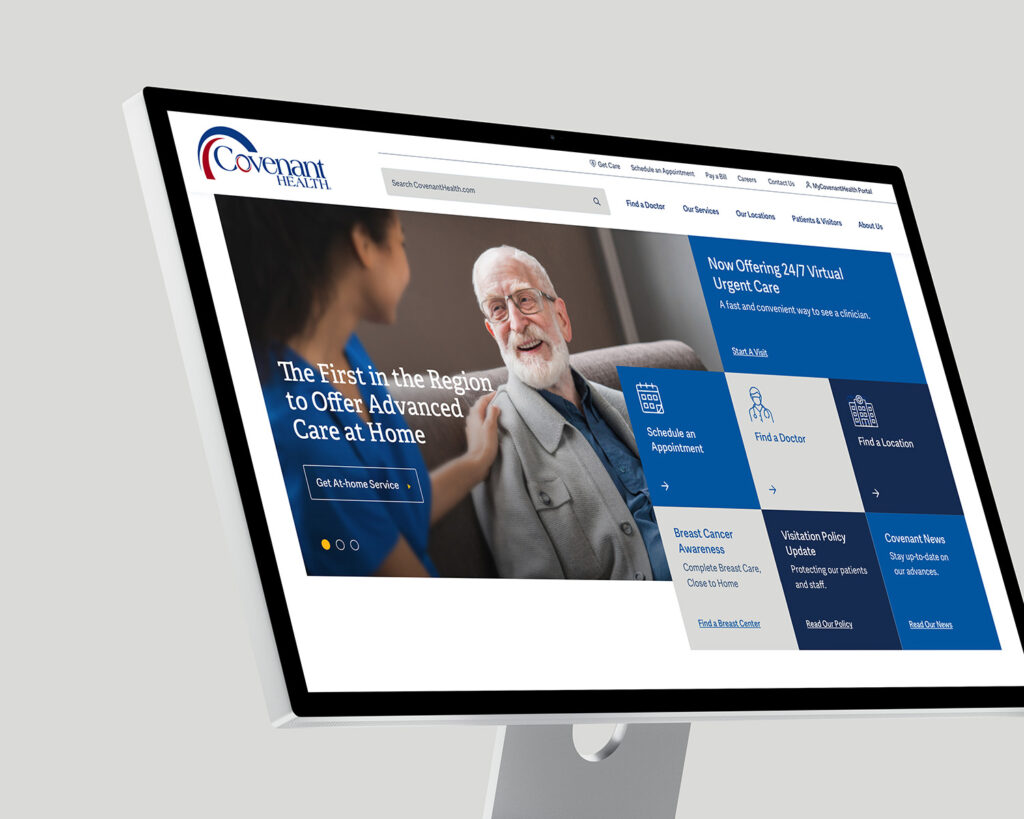
CMS Usability Example: Covenant Health

Large computer screen showing Covenant health website.

Covenant Health was overwhelmed with maintaining over 80 different websites. Designsensory transformed their online presence and simplified their content management by streamlining all those sites into one powerful, cohesive multisite platform.

Covenant Health Client Story >

2. It Doesn’t Meet ADA Standards

Digital accessibility is not just a matter of good practice; it’s increasingly a legal requirement. An inaccessible website can exclude users with disabilities, potentially leading to lost business and even lawsuits.

If your site is not designed to meet Web Content Accessibility Guidelines (WCAG) standards, it is inherently difficult for visitors to use who rely on screen readers, keyboard navigation, or other assistive technologies. A new website build is the perfect opportunity to prioritize inclusivity and compliance. Designsensory builds all websites to meet WCAG 2 AA and follows best practices for ADA, so your website will be inclusive for all.

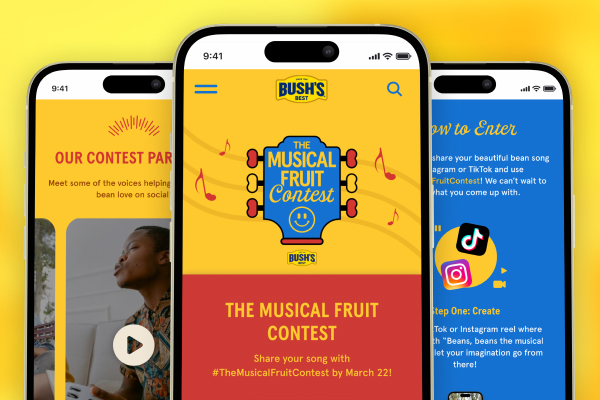
ADA Updates Example: Bush’s Beans

Three phones showing the Bush's Beans website and custom landing pages.

When Designsensory took over management of the iconic Bush’s Beans website, it was failing to meet modern accessibility standards. We redesigned pages and content blocks to meet color contrast requirements while maintaining their bold, bright brand colors.

Bush’s Beans Client Story >

3. It’s Not Optimized for Mobile Screens or Speed

If your website isn’t fast, people will leave. If it doesn’t look great on a smartphone, people will leave.

Slow loading times and a non-responsive design are two of the quickest ways to frustrate visitors and drive them to your competitors. Google also heavily prioritizes speed and mobile-friendliness in its search rankings. A new website from Designsensory is built using modern techniques that ensure lightning-fast performance and flawless display across all devices, as well as navigation menus that make sense no matter what devices your audience is using.

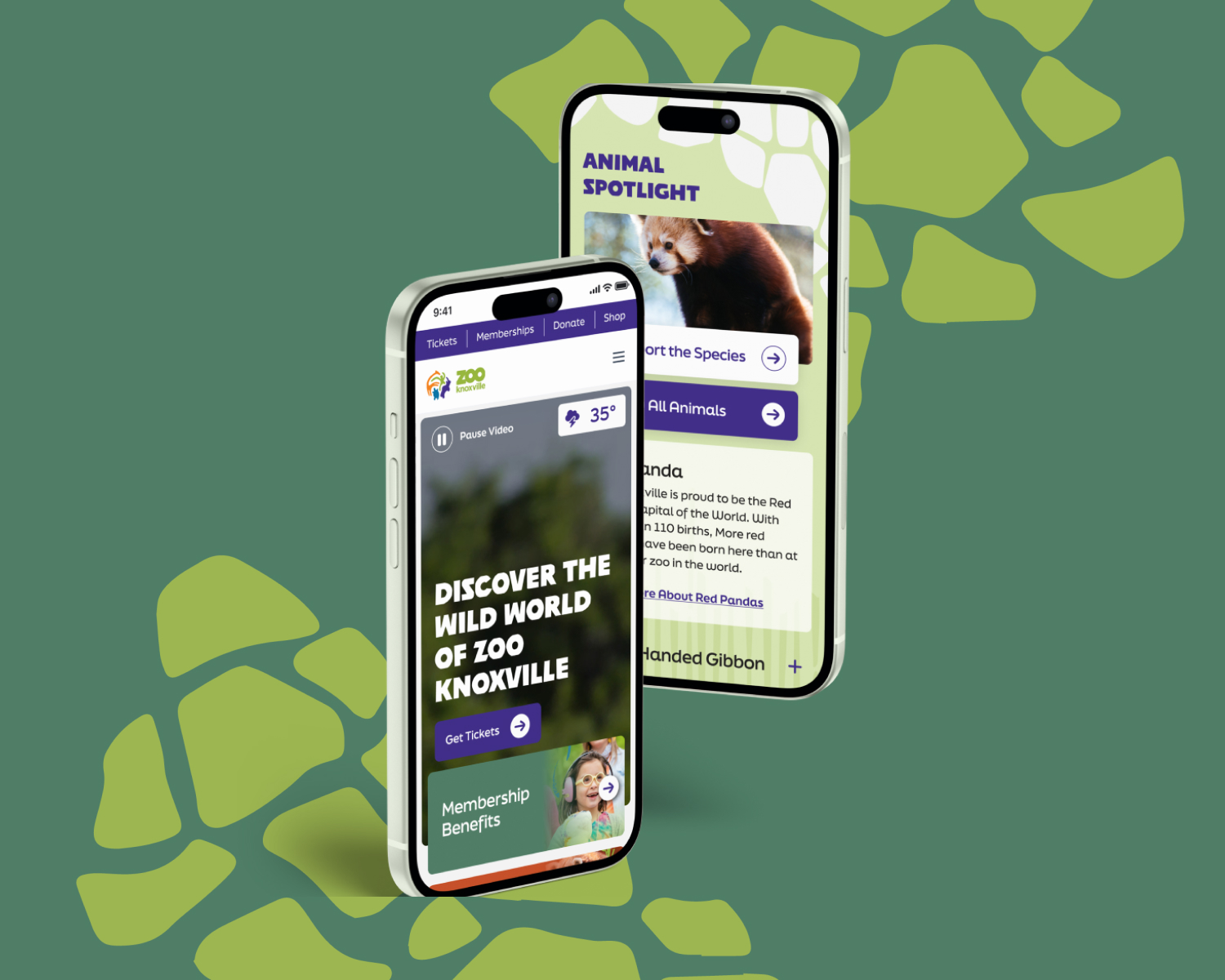
Website Mobile & Speed Optimization Example: Zoo Knoxville

Two mobile phones showing the Zoo Knoxville website.

Zoo Knoxville’s website was outdated and slow. Designsensory started from a user-first perspective and created a digital experience that aligned the Zoo’s mission messaging with a visitor-first design.

Zoo Knoxville Client Story >

4. It Has Outdated Branding or Design Trends

Look at your website. Does it reflect your current brand identity? Do the fonts, colors, and overall design feel contemporary?

Web design trends evolve constantly. If your site looks like it was built in a previous decade, it can make your entire business seem behind the times. A brand design refresh can instantly communicate professionalism and modernity, aligning your digital presence with your business’s current success and future goals. The expert digital designers at Designsensory can create a website that’s current and trendy, or something more classic—whatever aligns with your brand goals. Your new design will look great and can include detailed motion graphics and seamless user interaction to enhance your content.

Branding Updates Example: Arrowmont

Crafted "A" branding mark for Arrowmont.

Arrowmont School of Arts and Crafts showcased incredible art and artists, but struggled to translate that into a cohesive, creative brand. Designsensory moved forward with a full digital refresh AND rebrand, refining Arrowmont’s core visual identity and designing for the future.

Arrowmont Client Story >

5. It’s Not Following Updated SEO (And GEO!) Practices

If you’re creating great content but seeing little traffic, the problem may be your website’s foundation. A site with poor Search Engine Optimization (SEO) is fundamentally difficult for search engines like Google to crawl and understand.

Outdated or poorly coded websites often lack essential SEO features such as schema markup, proper site structure, or fast page load times. Rebuilding your site with SEO best practices baked into the core structure is crucial for long-term organic traffic growth.

While SEO is still important, it’s no longer enough to follow SEO best practices and call it a day. As more and more users turn to AI models for search, websites now need to incorporate GEO (Generative Engine Optimization) strategies to make certain their content gets attention. Designsensory can help your company build SEO and GEO strategies into your website from the ground up, ensuring that both traditional search engines and AI models can easily discover and promote your brand.

SEO + GEO Best Practices Example: See Rock City

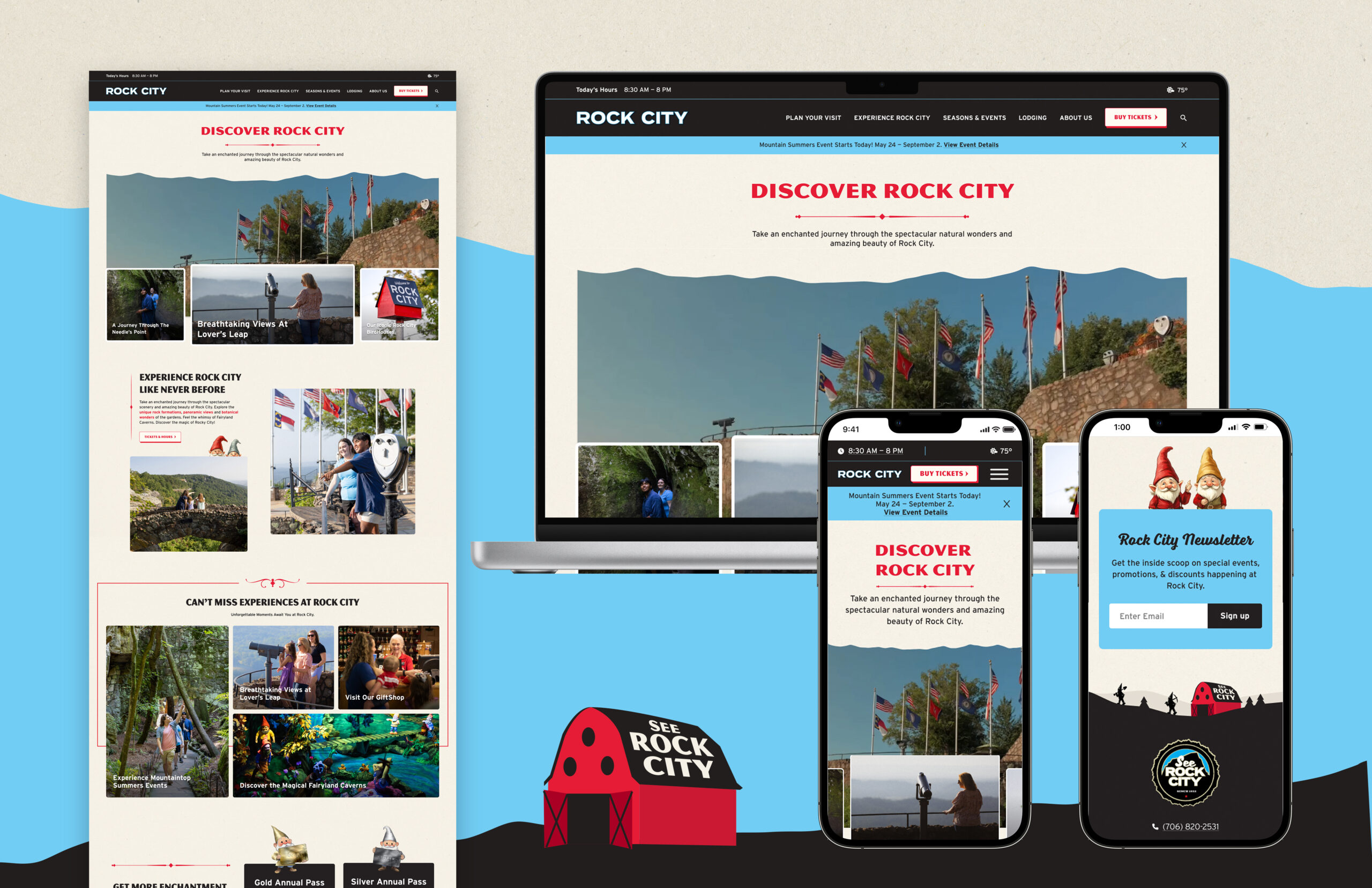
Several screens showing the See Rock City website.

Rock City’s outdated website was struggling to perform in both traditional search and AI search. Designsensory developed a new website that followed SEO, GEO, and UX best practices from the ground up, integrating an intuitive user flow for ticketing and designing a digital visual identity to communicate the enchanting experience. Finally, we created a content and SEO strategy to implement on the new website to ensure that users from all over discover Rock City and all it has to offer.

A Bonus Sign: It’s Built on Old Technology

Older websites often rely on obsolete code and platforms. This creates a cascade of problems:

  • Poor User Experience (UX): Old technology limits the interactive features and smooth navigation that modern users expect. The loading speed, navigation, and design issues compound to make the website unusable, let alone ADA accessible.
  • Security Issues: Unmaintained or legacy platforms are a prime target for hackers, leaving your data and your visitors’ data vulnerable. If your website no longer supports security updates, plugin upgrades, or content refreshes, your site is not only looking stale but is also a significant security and privacy risk.

My Website Needs Updating. Now What?

If any of these signs sound familiar, it’s time to start planning your new, optimized, and secure digital home. Reach out to Designsensory today to schedule a consultation for your website redesign. Our web development process starts with experts listening to you to identify your pain points, with dedicated account and project managers prepared to keep things on timeline and under budget. Are you ready? Let’s design a website to carry your brand into the future.

Designsensory Agency Founders Acquire Full Ownership of PopFizz Productions

Posted on by Courtney Borgers

PopFizz Managing Partner Bryan Allen Exits After 14 Years

KNOXVILLE, TN — Designsensory, a Knoxville-based integrated advertising agency, founders Joseph Nother and Brandon Rochelle have acquired full ownership of production company PopFizz, ushering in a new era of integrated storytelling. PopFizz was co-founded by Nother and Rochelle with longtime partner Bryan Allen. After 14 years as managing partner, Allen is stepping away from production to pursue new ventures in technology and real estate development.

“Bryan helped define the voice and vision of PopFizz,” said Rochelle. “His love of visuals and storytelling shaped the company from day one. We’re proud of what we built together, and ready for what’s next.”

Over the past decade, PopFizz has produced nationally recognized content across advertising and entertainment. That includes branded and original series like Tennessee Uncharted on PBS, Lil Jon Wants To Do What, Remastered and Let Them Be Naked: A Documentary on Sustainable Fashion—as well as commercial and campaign work for NASCAR, Bush’s Beans and Dollywood. The team has also contributed to programming for Warner Bros. Discovery, including Love It or List It, Food Network Kitchen, Handmade, HGTV Happy, Bargain Mansions, Unspouse My House and more.

Under full Designsensory ownership, PopFizz will continue to operate independently with a sharper focus on content that blurs the line between advertising and entertainment. The acquisition also brings the production arm closer to Designsensory’s core, creating a more unified engine across brand, strategy and story.

“We’re not merging functions, we’re building momentum,” said Nother. “From small screens to cinema, this is about moving faster, creating with intention, channeling culture and capturing attention where it matters. We’re also leaning into AI and emerging tech. Not to replace craft, but to accelerate it. It’s about augmenting skills, empowering creators and giving auteurs and brands alike the tools to tell sharper, more human stories—faster and with greater relevance.”

The acquisition positions the Designsensory-PopFizz group to compete more aggressively across commercial, branded and entertainment categories, as demand grows for integrated storytelling that lives across platforms, from 15-second verticals to full episodic formats. The move further strengthens the group’s broader storytelling ambitions, which also include Good Gravity Entertainment, a co-owned venture focused on original content development across TV, streaming and digital-first platforms.

Kristin Majni will continue to serve in a senior leadership position as Director of Operations for PopFizz and remains the primary contact for all business, partners and vendors. PopFizz remains headquartered in Knoxville, TN, with no planned staff changes.

Are Overlays a Good Option for Web Accessibility?

Posted on by Courtney Borgers

Accessibility overlays are everywhere—and they’re failing silently.

As digital accessibility lawsuits climb, overlays promise an easy way out: slap on a widget, claim compliance, and move on. But the reality is murkier. These tools often add barriers instead of removing them. Worse, they give website owners a false sense of security while leaving users frustrated—and vulnerable to legal risk.

Let’s look beyond the sales pitch and break down what overlays actually do, what they don’t, and why relying on them may cost more than they save.

What are accessibility overlays, and how do they work?

In this case, “overlays” broadly refers to solutions that apply third-party code to the front end of your website to make improvements and change appearance and functionality. These solutions can also be referred to as plugins, widgets, or tools. Popular accessibility overlays include UserWay, AccessiBe, and AudioEye. These overlays typically allow users to change fonts, colors, text size, and similar aspects of the website, and they work by modifying the code on the page with JavaScript. Many of these solutions make claims that using them will make your website accessible without having to do any additional work, and some also claim to detect and proactively fix accessibility issues on websites using AI. Website owners often turn to these solutions as protection against accessibility lawsuits, especially since the number of lawsuits over digital accessibility has increased sharply over the last few years. In 2021 alone, the most prolific year for WCAG and web ADA-related lawsuits, there were a record 11,452 suits filed. The ease of filing these lawsuits makes it especially important to make sure that your digital experience meets the appropriate standards.

Do overlays make your website fully accessible?

Web Content Accessibility Guidelines, or WCAG, are the set of standards used to determine website accessibility. WCAG standards require visual accessibility, such as sufficient contrast for text, but also include extensive technical requirements so that websites are usable with assistive technology like screen readers. Overlays are unable to fix these background technical requirements because they don’t address issues in the source code of the website.

Unfortunately, overlays can miss a lot of accessibility issues. Since they are just adding on to the existing code, they can’t fix the underlying errors. They also can’t fix inaccessible content.

Here are some examples of issues that overlays won’t help:

  • Missing or incorrectly coded content headings
  • Unclear or missing link text
  • Missing alt text on images
  • Form field errors, including missing labels, no indication for required fields, or unclear submit buttons
  • Missing audio or video captions or descriptions

Since overlays are automated solutions, they lack manual testing and remediation. It is estimated that automated tools are able to detect only about 30% of WCAG errors, so no matter what, many issues will be missed unless manual testing is done, which would make the overlay redundant. Many consider overlays to be a “band-aid” solution only, while a company actively works to remediate errors across web properties.

These gaps can leave difficult barriers for users with disabilities to navigate. Because overlays are marketed as making your website accessible, website owners assume they no longer have issues, when in fact, these inefficient solutions are leaving them open to lawsuits. According to UsableNet’s 2023 Digital Accessibility Lawsuit Report, 30% of all digital accessibility lawsuits involved websites with overlays, a 60% increase for that year. UsableNet’s 2024 Year-End Report found that over 1,000 lawsuits were filed against websites using overlays. In some instances, just using the overlay could make a website an easy target for a lawsuit, as it is easy to find lists of websites using various accessibility widget solutions, and firms may use these lists to find targets.

The overlay vendors themselves are also open to lawsuits and complaints. On January 3rd, 2025, the FTC required AccessiBe to pay $1 million for deceptive claims that its AI product could make websites compliant with accessibility guidelines. According to the press release, AccessiBe “misrepresented the ability of its AI-powered web accessibility tool to make any website compliant with the Web Content Accessibility Guidelines (WCAG) for people with disabilities.” This is likely to make websites using AccessiBe (and other overlays) even bigger targets, since this order specifically states that the overlays do NOT make websites compliant with WCAG.

Do disabled users use overlays?

Many disabled users actively block overlays because they can actually make it more difficult to navigate a website, especially when users already have preferred assistive technology. Overlays can fail to adapt to a user’s specific assistive technology, such as screen readers. Users relying on assistive technology already have their devices and browsers configured to their desired settings. In some cases, overlays override these settings and force them to use the overlay. A 2021 WebAIM survey found that 67% of users rated “overlays, plugins, and widgets for accessibility” as not effective, and the percentage increased to 72% in users with disabilities.

What other impacts can overlays have on your website?

Overlays can impact the overall performance of your website. Since overlays and plugins are using additional scripts hosted on third-party servers, they can be slow to load, and you have no control over it. If an overlay is resource-intensive and slows your website speed, it will degrade the experience for all users, who are very unforgiving of slow websites. Not only that, but Google uses website speed as a ranking factor, so overlays could cause fewer visitors overall.

Accessibility overlays can also impact a website’s security. Allowing third-party vendors to inject code into your website carries inherent security risks. In addition, some vendors may set cookies to allow preferences to “follow” a user to different websites, or use other tracking capabilities to collect browsing data. According to Overlay Fact Sheet,

“Overlays that automatically enable certain settings, like those for screen reader or speech recognition users, do so by detecting when an assistive technology is running on the device. This exposes the fact that the person using the device at the time has a disability. In certain cases, like screen reader users where the majority are blind or have low vision, it exposes even more detail about the nature of their disability. Like age, ethnic background, or preferred gender, disability is sensitive personal information. It is not data that should be collected without the informed consent of the person it belongs to.”

Overlay Fact Sheet also found that typically, users did not opt-in and are unable to opt-out of being tracked, which creates risk for the website owner to be found in violation of GDPR and CCPA.

So, how do you actually make your website accessible?

The most efficient, effective way is to build accessibility in from the start. But even if a rebuild isn’t on the table, you’re not stuck. Remediation is possible—and necessary.

Our accessibility and UX experts at Designsensory can run a full manual audit to uncover the issues overlays miss, then guide your team with practical, maintainable solutions. We don’t just scan and report—we train, test, and implement to ensure real compliance, not performative fixes.

Want to start today? Tools like WAVE by WebAIM and axe DevTools by Deque Systems can help you spot obvious issues in-browser, privately and securely. But remember: automated checks only go so far. Real accessibility requires human eyes and hands.

We’ve helped make everything from small tourism sites to enterprise health systems fully WCAG-compliant—and we can help you do the same.

If you’re ready to move beyond checkbox compliance and build something that actually works for everyone, get in touch. We’ll help you get it right.

Navigating Accessibility: Your Guide to Inclusive Web Design

Posted on by Courtney Borgers

As we close the chapter on this year and look forward to 2024, we’re beginning to plan our new year’s resolutions. One thing that will continue to be a priority for us, and should be for you, is accessibility. We want to ensure that all viewers have the same access to information being shared via the web. In order to do so, we should all comply with ADA requirements and follow the Web Content Accessibility Guidelines (WCAG) created by the World Wide Web Consortium (W3C), considering factors such as visibility (color contrast), usability, and functionality for accessibility software. Let’s dive into our top recommendations to keep in mind for making your website more accessible and creating a digital world free of barriers.

Use Headings to Organize Content

One of the first things that users see on a website is the heading. It’s what gives the viewer a starting point from which to begin exploring the page. As such, it’s essential that each and every user can easily read and understand the heading.

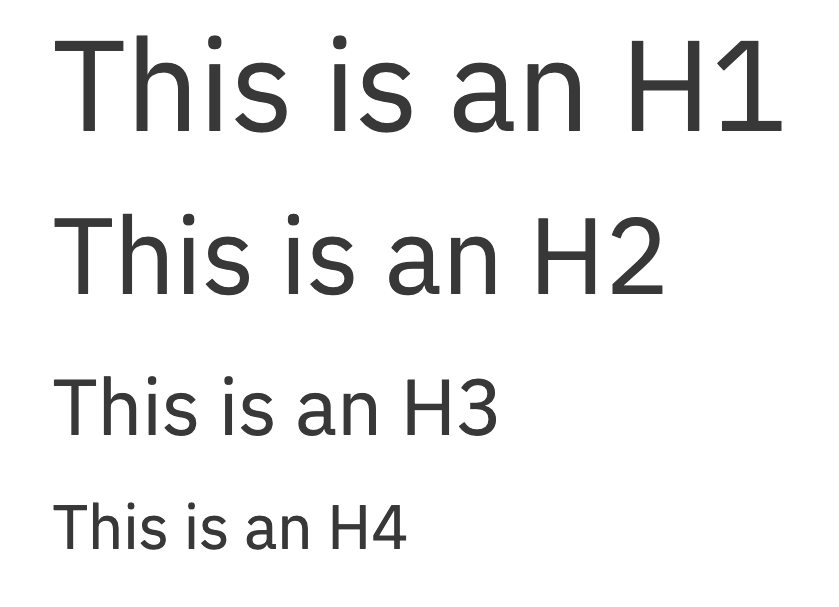
Headings should always be used in order from top to bottom. Since each page should start with an H1 and only have one H1 on the page, following content areas should start with H2 (then H3, H4, etc). Just like creating an outline, you can always go back up a level (e.g. start a new section with H2 after using an H4 in the previous section), but you cannot skip levels (i.e. do not use an H4 after an H2).

Example:

Visual example of headings 1-4

In general, headings should be short and to the point, and describe the content that comes next. Headings should never be used for style only, but always follow the correct structure. Finally, remember, headings can not be left empty and should not be on images.

Make Images Accessible

And what measures can we take to make sure that images, where there otherwise would not be text, are accessible to all? Users with vision impairment may not be able to see the images clearly and often use screen readers or other tools to read the alt text, helping them understand the content on the page.

To help, all images should have descriptive alt text. Alt text is the portion that a screen reader will read aloud for those with visual impairments. This text can usually be added in the media gallery, and should repeat any words in the image and give a brief description of the image.

If the image is linked to another page, it MUST have alt text which describes the linked page, such as the page title. All links must have discernible text, which does not include text as part of an image.

Choose Your Link Text Thoughtfully

Because screen readers are so commonly used by those with vision impairment, link text is always necessary outside of an image, and should always be descriptive of where the link is going. See the following examples:

Effective

Learn more about our organization’s history. Read our fact sheet to learn more.

Here, the user will know that the first link will take them to information about the history of the organization, while the second link will take them to a separate fact sheet. Furthermore, link text should never be the same for two different pages. In the effective example above, if there were more than one fact sheet, the link text for each would have to be different. For example, the writer can vary the text between “statistics fact sheet” and “nutritional fact sheet”.

Ineffective

To learn more about our history, click here. Read our fact sheet to learn more.

Having good, descriptive link text helps screen reader users know where the link goes. Usually, it’s possible for viewers to get a list of links on the page, which means that the surrounding context will not be available.

As a bonus, descriptive link text can boost both click through rates and SEO!

Select Colors with Sufficient Contrast

Low-contrast colors can create a major barrier for some users. Vision impairments such as poor vision or color blindness can prevent low-contrast text and images from being readable or even visible.

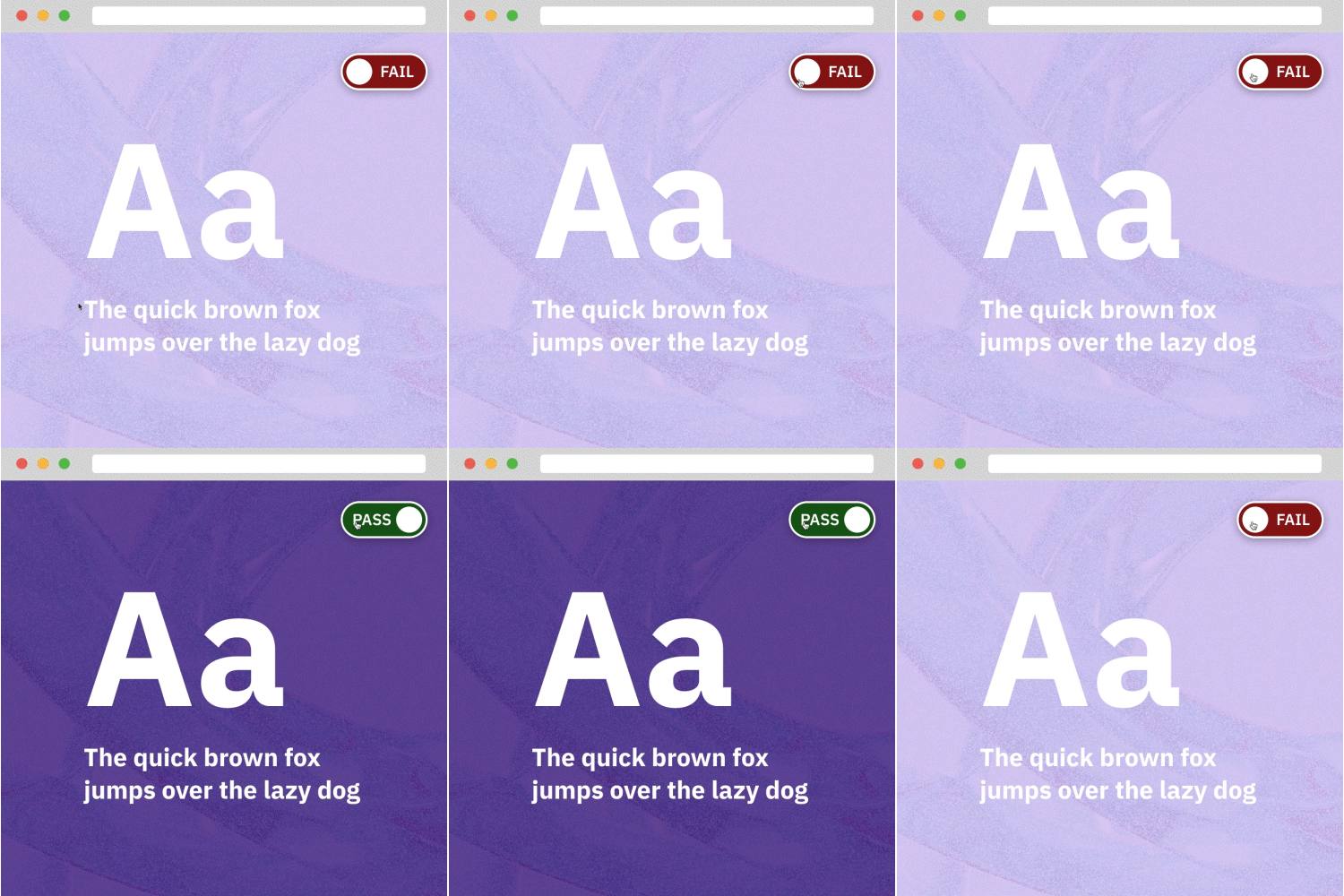
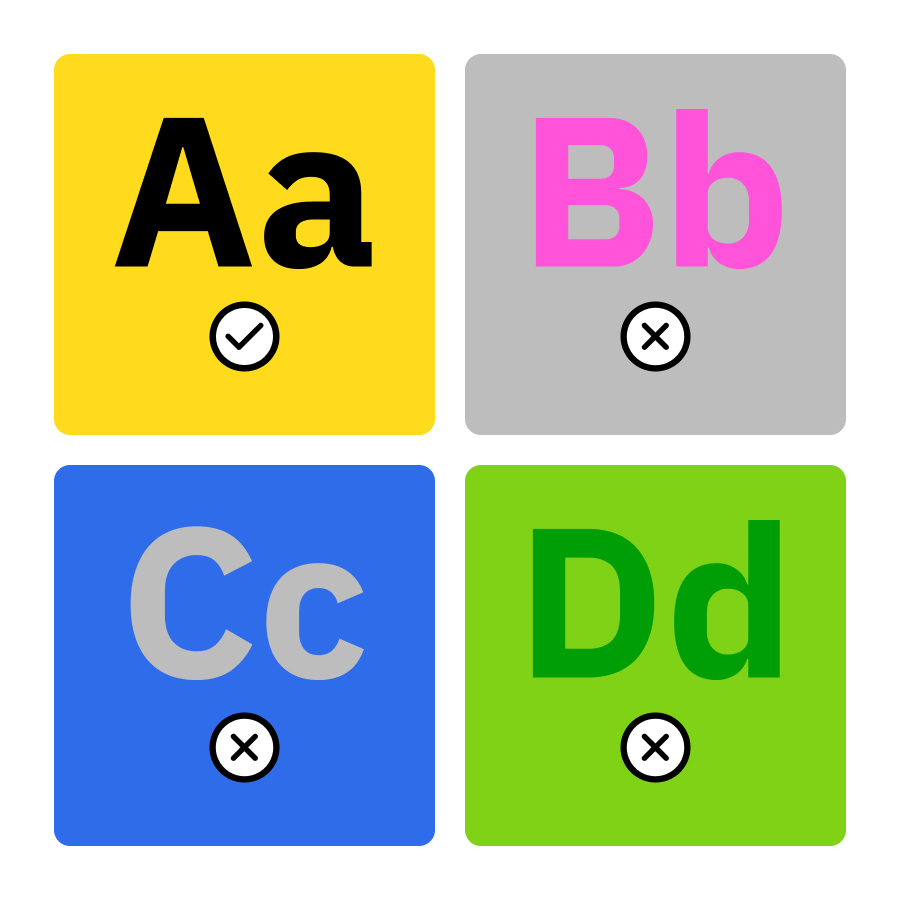
Color contrast must be at least 4.5:1 for small text or 3:1 for large text (you can check color contrast here). Large text has been defined in the requirements as 18pt (24 CSS pixels) or 14pt bold (19 CSS pixels). This rule also applies to interactive elements.

A gif showing the difference between high and low contrast text
Four examples of high and low contrast text with different colors

It’s best to simply not use additional colors in text content, beyond what is already existing based on your design (such as heading styles). If your design colors are already ADA compliant, then this will avoid any color contrast issues.

Put Inclusion at the Forefront of 2024

In this blog, we’ve summarized a few simple tweaks that you can make to your web content and design in order to ensure that your information is available to all. As we enter into the new year, we should all strive to be as inclusive as possible, with content that is accessible and entirely ADA compliant. The value of inclusivity is limitless!

These are all pieces of a larger knowledge base that we’ve developed throughout the years. If you’re interested in learning about any of the topics we’ve discussed in this blog, especially any more specific information about the tech side of it all, please reach out to us! We’re always available for consultation.

How to Show Your Brand’s True Colors During Pride Month, Impactfully

Posted on by Courtney Borgers

Written By Caroline Stringfellow, Copywriter
Research By Cole Pawlaczyk, Marketing Intelligence Strategist

Brands today are eager to be viewed as inclusive, diverse and equal, but there’s a big difference between making public statements to influence your image and doing so to inspire positive change. We’ve all seen the fallout that companies face when they try to capitalize on issues that they have no connection to or involvement with. Heightened skepticism from consumers comes at a time when tensions are rising across the nation in response to lesbian, gay, bisexual, transgender and questioning (LGBTQ+) rights shifting.

What’s really changed is that now there’s almost an imperative for marketers and companies to signal during June that they are in solidarity with and supportive of LGBTQ communities and particularly really want to court LGBTQ consumers and their allies.

Katherine Sender, Professor of Media and Sexuality at Cornell University, in an interview with NPR

We identified recent trends in brands’ attempts at inclusivity and wanted to pinpoint some of the most notable things they’re doing right, in hopes of inspiring other organizations to engage in positive, proactive and authentic LGBTQ+ initiatives. And we’ll explore others’ major missteps, to help prevent you from making the mistakes others already have and offending the community. Take a look at these examples to learn some of the best ways your brand can showcase LGBTQ+ Pride intentionally.

Tip #1: Don’t rainbow-wash.

If you decide to slap the flag of an oppressed community onto your packaging, you better back it up with accurate LGBTQ+ representation, donations to gay rights organizations, partnerships with members of the community and authentic messaging. What happens if you don’t? You may wind up caught in the crossfire of LGTBQ+ leaders voicing disappointment in your actions on social media and aggressive right-wingers, like Kid Rock, blasting your product with an AR-15.

To backtrack, one of the nation’s favorite beermakers, Anheuser-Busch (AB InBev), attempted to profit off of Pride by partnering with transgender TikToker, Dylan Mulvaney in a TikTok “Easy Carry Contest” promoting Bud Light. The big-name influencer caught the unwanted attention of right-wingers who turned to social media to organize a Budweiser boycott, and demeaned Mulvaney, publicly posting slander and misgendering her. AB InBev’s Global CEO, Michel Doukeris, responded to the snowballing hate by saying, “We will need to continue to clarify the fact that this was one can, one influencer, one post and not a campaign and repeat this message for some time.”

If his message strikes you as alarmingly impartial, vague and insincere, the audience that this campaign was initially targeting would agree. By retracting the initial sentiment, the Anheuser-Busch has lost trust from the LGBTQ+ community, and liberals, while remaining ostracized by conservatives. The brand’s statement made it crystal clear that its intention for the partnership was to attract a new audience by posing as LGBTQ+ positive, using a transgender influencer as bait and then dropping her the moment the campaign received backlash.

Do be colorful and expressive, in June and the other 11 months of the year.

Instead of attempting to cash out on the important movement and treating it like a trend, Anheuser-Busch should be following Macy’s example. The major retailer has earned its longstanding reputation for supporting the gay rights movement by meaningfully advocating for the community and demonstrating inclusivity in brand behaviors year-round. Macy’s partners with LGBTQ+ designers and suppliers, showcasing their products on an ongoing basis. In June, the brand maintains its regular practices and participates in additional initiatives.

This year Macy’s raised and donated $1M to The Trevor Project (TTP), a national organization that provides LGBTQ+ youth with crisis-intervention and suicide prevention services, educational materials, resources and advocacy. And the retailer isn’t just writing checks. Macy’s is using its website to connect people with positive LGBTQ+ events across the country, like pride parades, and featuring resources for those in need. The brand encourages people to donate to TTP on their site without requiring them to purchase anything from Macy’s.

Additionally, they’ve launched an inclusive marketing campaign celebrating the styles of LGBTQ+ individuals and announced that they will sponsor The Trevor Project’s semi-annual gala this year.

Don’t just rep the rainbow. Recognize and realize it.

What did we learn from Bud Light and Macy’s? Actions speak louder than rainbow ink. There are plenty of creative ways to get involved and offer genuine support. Whether you choose to fundraise advocacy groups, feature LGBTQ+ influencers, create inclusive campaigns on a regular basis or contribute to awareness or celebratory events, your brand’s actions will make a positive impact and the community will notice.

Tip #2: Don’t back down to bullies.

Remember that the pushback comes from a place that is the antithesis of inclusion. So respond accordingly. Be more supportive of the community, not less.

Aby Hawker, Founder of TransMission PR, a communications consultancy specializing in trans and non-binary inclusion and awareness

Authenticity goes a long way, in the eyes of the consumer, your audience, your skeptics and the media. Additionally, words spread like wildfire in 2023. Whether an executive makes a statement to the press, in a social media post or through brand behaviors, it is being documented. People will see it, share it and remember it long after its source can retract it. Because of this, it’s important to pause and make sure that your position is one you’ll stick with for the long haul before you voice it publicly. Or you’ll have a Target-like debacle on your hands.

The popular retailer began to earn a reputation for being LGBTQ+-friendly and progressive, partnering with LGBTQ+ designers, featuring their products and representing members of the community in merchandise photography and advertisements. When Target launched its annual pride collection this year, the brand received strong criticism, particularly surrounding Pride baby onesies, swimwear and Erik Carnell’s line, Abprallen. Conservatives found products he sold outside of Target with phrases like “Satan Respects Pronouns” and spread rumors and misinformation that Carnell created “satanic” products and marketed them towards children.

As a result of these false claims, rapidly spread by right-wingers, Target, individuals employed by Target and Erik Carnell all received death threats. The major retailer took down their 2,000+ item Pride collection and removed all of Carnell’s products from its stores, website and app, in response. LGBTQ+ consumers and allies took note of Target’s poor reaction to the backlash and voiced their frustration and disappointment with the company. The transgender designer reported that Target has yet to contact him since he began receiving hateful messages and death threats.

There will always be bias and discrimination toward our community. So preparing for anti-LGBTQ+ action is part and parcel of reaping the benefits of a Pride campaign that lands well.

Matt Dabrowski, CEO of OutBritain, the UK’s LGBTQ+ Chamber of Commerce

Do take a stand and own it.

Erasing the evidence of a partnership with Carnell and failing to support him when the collaboration went south revealed a cowardly and disingenuous side of Target to consumers. Other brands have experienced hatred for their Pride initiatives and took a more respectable approach in their response. Instead of ghosting its campaign and collaborators, North Face doubled-down on its position.

The outerwear brand turned Instagram comments off on posts announcing its second-annual Summer of Pride tour in partnership with drag queen, Pattie Gonia. When Pattie’s sponsored videos went live, conservatives were quick to criticize both the queen and the brand. U.S. Representative, Marjorie Taylor Greene turned to her large Twitter following to complain and incentivize a boycott. The North Face gave a statement saying their brand has always believed that the outdoors should be a “welcoming, equitable and safe place for all.” They added, “Creating community and belonging in the outdoors is a core part of our values and is needed now more than ever. We stand with those who support our vision for a more inclusive outdoor industry.”

North Face and Pattie Gonia will kick off the sold-out Summer of Pride tour in Salt Lake City in July, as scheduled. The brand did three excellent things during this campaign:

  1. They were proactive. TNF anticipated negative reactions, created a response plan and prevented instagram users from sharing hurtful comments by simply turning the feature off.
  2. They were authentic. Yes, they released a rainbow apparel line in June, but it’s in conjunction with a partnership with transgender influencers and the upcoming outdoor event series their hosting that offers LGBTQ+ individuals hikes, art, workshops and a community to enjoy the events. When backlash bubbled, they connected their actions and beliefs back to their brand values.
  3. They maintained their position. Now the brand is viewed as even more credible by the LGBTQ+ community and its allies, and the event and campaign get to resume.

This was a beautiful example of a brand that cares. The North Face stood by their LGBTQ+ audience and drag queen partner during a time when they needed support. They demonstrated how quickly and calmly companies that act intentionally can de-escalate a situation and prevent a crisis.

Take the high road. Stay true to your brand. Love your audience and let them know where you stand. THIS earns credibility and support, from audiences that will stick with you.

Tip #3: Don’t slap the rainbow flag on your packaging without tailoring the products to LGBTQ+ individuals.

If you walk the walk, you will be celebrated. You will get what all of these brands are chasing: the consumer base… you have to be convincing and come across with that authenticity and integrity. More than anything, it’s about action.

Cole Pawlaczyk, Marketing Intelligence Strategist

The first month of summer brings longer days, warmer temperatures and shelves that scream “We love love!” from the top of their lungs, at many major retailers. For over fifty years, Pride month has brought LGBTQ+ individuals together to advocate for their rights as a community, combat the discrimination they’ve faced by oppressors and celebrate love in all of its forms. Companies that have tried to paint their packages rainbow for personal profit without connecting back to the community the flag represents cause more harm than good. When brands attempt to capitalize on the important political movement without contributing anything to the LGBTQ+ community, they’re signing up for public scrutiny.

Beyond earning public disapproval, empty attempts to join the movement take attention away from organizations and individuals who are actively trying to make progress and benefit the oppressed. Ben & Jerry’s rebranded its iconic chocolate chip cookie dough ice cream in celebration of the historic Supreme Court ruling that guarentees the right to same-sex marriage. Leading the charge in 2015 with their progressive “I Dough, I Dough” pints, Ben & Jerry’s used the ice cream sleeves to raise awareness for the victory and made the honorary pints available for purchase online through the Human Rights Campaign, so all proceeds benefitted the nonprofit.

Ben & Jerry’s is proud of the Supreme Court’s landmark decision against discrimination as it boldly stands up for equality for same sex couples everywhere.

Jostein Solheim, CEO of Ben & Jerry’s

If their position wasn’t clear before, the company’s CEO went out of her way to make it. Prior to this, and since, B&J’s Founders, Ben Cohen and Jerry Greenfield have been proponents for equal rights and the LGBTQ+ Movement. The company celebrated the legalization of gay marriage in Vermont, where the creamery is based, by rebranding “Chubby Hubby” to “Hubby Hubby” in a similar pint initiative.

Everyone and their mother wants to comment on Pride, but thoughtlessly doing it will not earn your brand support from LGBTQ+ consumers or boost sales. Your audience is smarter than you think. (See Tip #1)

Do collaborate and partner with LGBTQ+ creators, influencers and other professionals.

Representation is key. By giving LGBTQ+ individuals equal opportunities to work for and with your company, you gain team members who can offer insight on how the community might respond to different attempts at inclusive marketing. They might be able to offer suggestions for meaningful initiatives your company can get involved with and they are equally qualified for the position as the next candidate.

Your audience wants to see themselves in the brands they buy from. When a company looks like its consumers, makes products and services for them and is by their side through challenging times, that organization builds secure, meaningful relationships with long-term consumers.

This is year 10 for Nike’s “Be True” campaign, one of its many ongoing efforts featuring LGBTQ+ audiences that was made to inspire them. The brand has a longstanding reputation for advocating for the LGBTQ+ community and welcoming them into the world of sports, a space that historically has discriminated against this demographic. Nike partnered with artist Xavier Schipani and featured the transgender man’s euphoric designs in the 2023 Be True collection.

The athletic apparel brand released a statement on their website voicing their position that, “Every Body Should Be Safe in Sport.” This aligns with their brand identity, and precedes information about their gender-expansive run crew, Team Phenom, which is actively creating inclusive spaces and breaking down barriers for LGBTQ+ athletes.

Inclusive Advice

Designsensory aims to be transparent and considerate of all audiences, working to accurately and equally reach individuals of all backgrounds, and we invite you to learn from our findings. We hope this read inspires you to make a conscious effort to better represent the LGBTQ+ community in your marketing efforts, company culture and brand practices year-round. Learn from other brands’ mistakes so you don’t repeat them yourself, and learn from their accomplishments so you can enjoy the benefits of broadened brand love.

To recap:

  1. Anticipate
  2. Plan
  3. Celebrate & engage with LGBTQ+ audiences: partner, promote, provide with support, make your products the source of impactful change.
  4. Respond to the feedback appropriately: respectfully, responsibly and in a way that reflects your brand values.
  5. Repeat, every day of the year (not just when the #LoveWins is popping off on social).

As always, if you’re interested in learning more about the most effective and respectful ways to practice inclusive marketing, we’re here to provide research-driven guidance and branded services.

*We’re striving to better represent these groups as a company and hope you’ll join us in our support of LGBTQ+ individuals, the community and other minority groups.