Category: Articles 🔎

After All These Years, Content is Still King

Posted on by Chris Talbert

The year was 1996. George Clooney was an ER doctor performing death-defying procedures on your analog TV set; the world couldn’t get enough of Jim Carrey; and the only thing remotely close to a global pandemic was the “Macarena.” 

It was also the very beginning of the Internet… and the year that Bill Gates would make an incredibly prophetic statement in an essay published on the Microsoft website. 

“Content is King,” proclaimed Gates to all the marketers, advertisers and brands of the world. That phrase would live on in cliched infamy for decades. Now, here we are (25 years later!), and all of us marketers have become jesters in the court of the King, juggling for relevance and kneeling for Likes, Shares and those sweet, sweet, Impressions. 

Did you know that 62 percent of consumers say they are more likely to buy from brands that create one-of-a-kind, custom content? 

We’re living in an era when marketing and branding are in a constant state of flux. More and more people tune out traditional advertising. Welcome to the generation obsessed with on-demand shows, viral videos and unique experiential activations. We block banners, skip ads and throw full-blown fits when an ad interrupts our three-hour-Instagram-scrolling-sesh! Companies are now forced to rethink how they get their message across. And this is a GOOD THING. Thus the rise of Branded Content.

Enter “the King,” Stage Left.

What is Branded Content?

Simply put, branded content, rather than having the look and feel of overt advertising messages, is more in line with content that users seek out for themselves. 

With branded content, the marketing message is so subtle that it’s almost invisible. It’s a way for companies to engage with their audiences, improve their reputation and cultivate new relationships.

In understanding branded content, it’s important to have basic knowledge of why people seek out certain media. This process gets a bit complex, as there are several sets of “Content Needs” that your customers may be trying to satisfy at any given time. For the sake of simplicity, these Content Needs can be grouped into two larger categories: Rational or Emotional. A successful branded content strategy takes into account both of these needs and delivers content to satisfy each

Let’s take a look at a recent example of branded content from Designsensory as an example that appeals to both needs. 

The Wild Life

Zoo Knoxville came to Designsensory with a unique challenge: 

Create an entertaining and informative digital content series that showcases 

(1) individual animals at the zoo, 

(2) the zoo itself, and 

(3) the people who work there. 

Armed with these clear goals, we set out to design a show to inform and entertain. “The Wild Life” was born from the strategy of fulfilling the two Content Needs: Rational and Emotional.

We knew early on that the show would be a hosted experience going behind the scenes of the zoo. Why? Because this particular show format is well known to consumers and easily digestible, leaving plenty of room for the host to tell stories and jokes and have fun interactions. 

We met the Rational elements of the content by presenting facts about Zoo Knoxville and its animals. The Emotional pieces of the content came from interactions with zoo personnel, learning about the daily efforts of conservation and giving consumers a window into the never-before-seen places of the zoo.

The end result is a fun show that goes behind the scenes at Zoo Knoxville. Each episode is a blend of conservation messaging and adventure, showcasing the life of the animals and the people who care for them.

Currently, we have two episodes of “The Wild Life” available to watch: The Giant Anteater and Giraffes. Stay tuned for episode 3, Turtles, coming very soon. Check us out on YouTube or even Amazon Prime.

Wrapping Things Up

Now we know that people seek out content to satisfy a need, and that demand for content is growing—so much that it’s outpacing the supply. What does this mean for the future of your marketing strategy? Branded content is here to stay, and it will continue to become more popular. If your company hasn’t gotten on the branded content wagon yet, it’s not too late to get started. Make 2020 the year you connect with your customers in an authentic and engaging way. Put on your creative caps and begin the development process. Long live the King!


Making Diversity, Equity and Inclusion Operational

Posted on by Chris Talbert

Now more than ever, diversity, equity and inclusion (DEI) are woven into advertising and marketing conversations, campaigns and corporate commitments. We recognize that everyone is at a different point on the path towards making DEI operational and want to share some considerations, insights and a clear, actionable pathway to progress.

Our goal is to spark conversations and positive momentum forward with this important and timely topic. With an abstract, key call outs and easy-to-digest data points, this whitepaper, Making Diversity, Equity and Inclusion Operational, is both a quick read and call to action for readers. Download the FREE whitepaper below, or watch the on-demand webinar.

And for more on the topic, feel free to connect with us.

Safety on Set: Returning to Production in the Age of COVID-19

Posted on by Chris Talbert

If you’re anything like us, your year thus far has been full of questions. No corner of life has been spared from inspection, review and — let’s be honest — at least a small dose of uncertainty. Whether it’s evaluating if the vacation plans you made months ago are still valid or safe, determining if sending your children back to school is right for your family, or even just deciding how many masks you need to get through the week, every day seems to be full of an unprecedented number of questions. 

It can all be a little exhausting. But, arguably, it would also appear that this current reality is forcing us to be extraordinarily present. 

For the team at Designsensory, being present has meant a whole lot more than just keeping up with refilling our hand sanitizers! In particular, it’s meant taking stock of three key indicators: 

  1. The need for content: Crafting the right conversations with your customers to educate and inform, as well as maintain engagement
  2. The demand for content: Answering the call of households across the country to replace activities that have otherwise been paused, as well as maintain a connection to the outside world
  3. The role of content in our economy: Continuing to support and employ the tens of thousands of citizens — and their hundreds of millions of dollars in economic output — that rely on the production industry

Alongside our financial responsibility to our clients, we all have a responsibility to our colleagues and communities to stay safe and minimize risk, which brings me back to the concept of “questions.” As part of our work servicing the State of Tennessee, our agency was deemed “essential” as early as mid-March, with production services continuing in an adapted, but uninterrupted format ever since. 

Over the last six months, we’ve worked with respected institutions like the Centers for Disease Control and Motion Picture Association to develop a rubric to determine the format and production envelope that is most appropriate for your situation. These guidelines have not only provided consistent evaluating criteria for assessing our work, they have also served as a daily touchstone to determine if we need to adjust our strategy or approach. 

Question 1: In order to create your “safe” set, is a set even really necessary?

Although answering this question will likely touch on the topics of budget, timeline, audience, message and usage, at the heart of it is the understanding that “further is safer.” 

For the team at Designsensory, this meant plotting all of our production options along a spectrum from contactless to conventional. These options include:

  • Animation: Our work with the Tennessee Office of the Governor required that we unpack extensive and sometimes confusing  guidelines for everything from applying for the Paycheck Protection Program to equipping gyms, salons, and restaurants with best practices for reopening their businesses. Furthermore, these projects required the content be fully developed, designed and delivered within 48-72 hours. Videos featuring animated text and illustrations provided a solution that could be executed quickly in-house, even while staff were working from home. They also provided a shareable, digestible means of communicating complex recommendations and restrictions. 

  • Sourced and Archival Material: In an age of increasing customization, it can be easy to quickly dismiss the value of “stock material.” However, in the case of clients like the Gatlinburg Convention and Visitors Bureau, footage from past shoots provided easily accessible imagery that capitalized on the timeless, iconic attractions they have to offer, while also providing the viewer with an opportunity to escape momentarily to a happier time. Furthermore, “sourced” doesn’t necessarily mean “stock.” For clients like Memphis-based Old Dominick Distillery, sharing free product with influencers embedded within target markets resulted in custom, original content. At the same time, this content benefited from the organic discovery of each influencer’s niche following in lieu of typical budgets for paid and boosted media. In the case of Zoo Knoxville, a call to action via social channels for fans to share photos and videos from past trips engaged the audience, activated their nostalgia, and quickly generated a robust repository of material. 

Question 2: Can you start small?

For some clients, unprecedented times mean unprecedented content. Reflecting a new reality may mean that capturing highly specific footage is simply unavoidable. 

For the team at Designsensory, this need drives us further down the spectrum, including:

  • Studio Productions: We may not be able to go out or travel as much as we’d like, but luckily the magic of e-commerce allows us to bring some of our favorite brands to us instead. With clients such as Old Dominick Distillery and Biltmore, launching new product lines required product photography, both for marketing and promotional purposes. Utilizing our in-house photography studio, a crew consisting of an art director, photographer, and digital imaging technician we were able to divide and conquer, maintaining distancing while setting up equipment, styling, and managing media.  

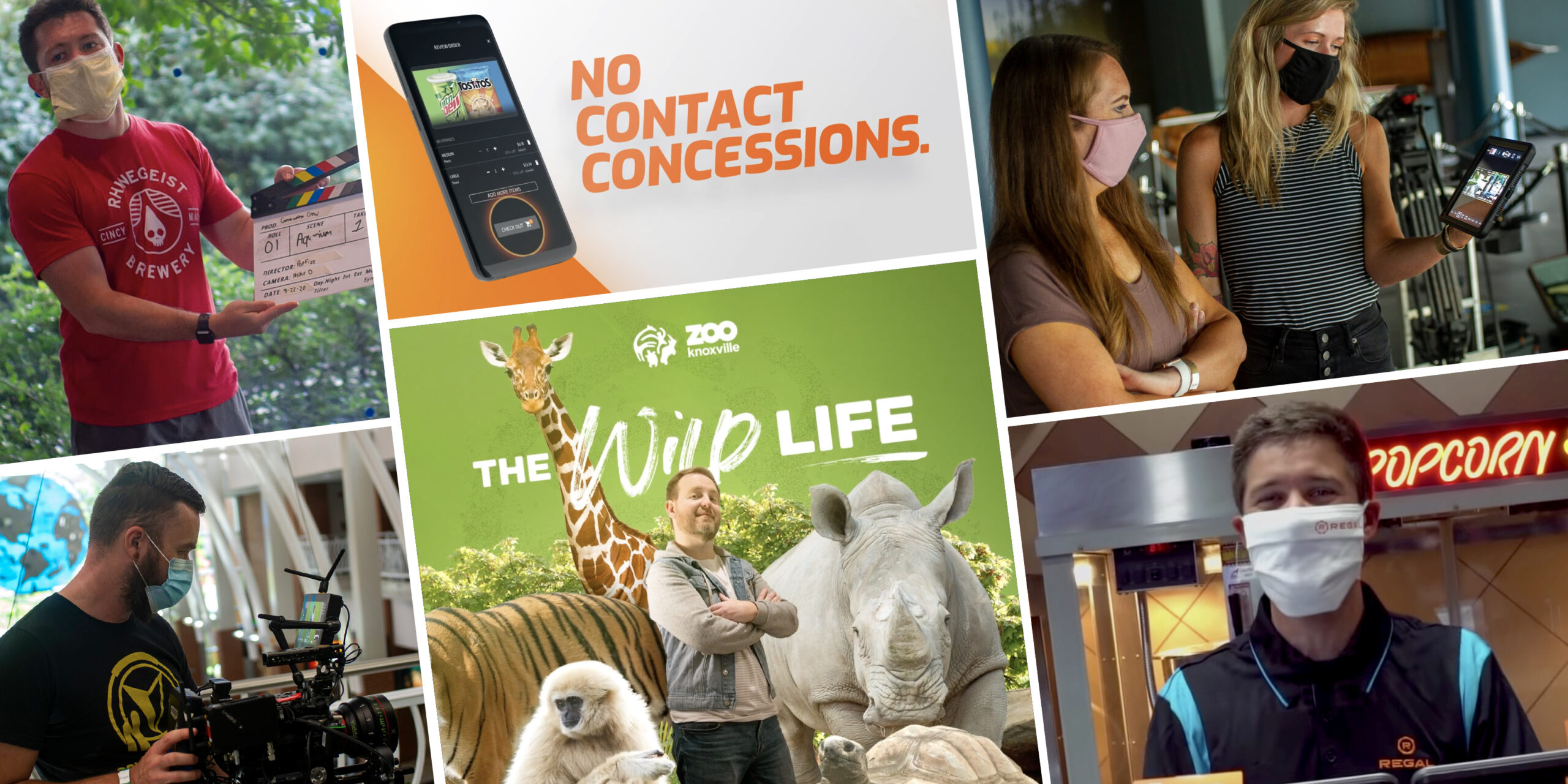
  • Small-footprint Productions: For clients like Regal Cinemas, making guests comfortable in coming back meant implementing extensive procedures and guidelines within their locations. Original capture was the only option that made sense to showcase these policies in practice, but a condensed production envelope consisting of a director, a camera operator with a long lens and on-screen talent were sufficient to tell this story visually. For clients like Zoo Knoxville, however, content not only provides a means of staying connected to your audience during a time of reduced capacity, it also creates opportunities for connections with educators, either professional or temporary, who are suddenly confronted with the challenges of at-home or virtual learning environments. In this instance, a mid-form episodic digital series called “The Wild Life” allowed Zoo Knoxville to showcase their animals, as well as their staff’s work behind the scenes, all while educating and entertaining. Given the nature of on-the-fly unscripted content, two cameras and an audio operator were necessary to ensure no magical moment was missed. 

Question 3: Can you accommodate COVID-safe procedures?

Where scripted content is concerned, crews can often only be optimized to a point, with departments like wardrobe, hair and makeup, and art being integral to telling the correct visual story. 

In these instances, the team at Designsensory believes achieving safe sets can be accomplished in the script, as well as the situation:

  • Formulating narrative solutions: In many instances, taking a creative pass through your script will identify opportunities where small adjustments allow for characters to be distanced and/or separated. Often, these choices also impact the crew and departments involved behind the scenes, as they may be styling, directing, lighting, etc. fewer characters at once. After pushing the filming of a longform children’s pilot for the Tennessee Aquarium, our executive producers and screenwriter went back to the writer’s room to identify conversations in the script that could be accomplished via video conferencing. The adjustments not only meant fewer folks in a space at one time, they also increased the content’s sense of timeliness and authenticity

  • Orchestrating a safe set: In an effort to set sterling standards for safety, it’s important to integrate the intention of policies like distancing and sanitization within every layer. Start by limiting the size of each department, then scheduling work to leapfrog departments as often as possible. For instance, sending a camera team into a location to establish a frame and then activating Grip and Electric means the teams never have to be in the same space. Next, when choosing your location for filming or base camp, look for a space that allows teams to occupy separate rooms (i.e. one holding room for talent, another for HMU, another for art, etc.). Within each room, take the time to lay down tape marks or decals and hang signage to guide the occupants on how to maintain distancing while in the space. Obviously avoiding the possibility of introducing the virus to the crew is ideal so, if the budget allows, consider contracting a service to provide quick-turn testing for the cast and crew 24 hours before principal cinematography begins. Past this, designate a Sanitization Officer on the crew tasked with checking in cast and crew members each day, along with performing a temperature and symptom check. For multi-day productions, consider using a different color of disposable bracelet each day to clearly indicate who has and has not gone through this process. Aside from outfitting each space with sanitizing supplies, equip your production staff with appropriate sanitizers to wipe down high-touch surfaces regularly. Mandating that masks be worn by crew at all times, and the cast anytime they aren’t actively filming, adds yet another layer of protection — literally. Single-serve snacks, drinks, and boxed meals also eliminate an additional point of contact. Finally, if the budget allows, consider integrating certain technologies into your gear package to allow footage reviews to take place remotely. For instance, the Teradek Serv Pro system allows camera operators to easily share their feed to Apple and Android devices, as well as stream securely online for offsite audiences. 

This is a developing situation; a choice made a few weeks ago may not be a good fit a few weeks later. How exactly do you come to that determination? It’s not enough to ask questions; you must ask the right questions — and ask them frequently.

Let’s face it: as creatives, we’ve made a career out of thinking outside the box. And while this pandemic may present us with unique challenges, we’re all in this together. We may not be able to come together physically right now, but we can come together collaboratively. It may mean that the only thing we get comfortable with over the coming months is being uncomfortable. But if necessity truly is the mother of invention, then our best days are still ahead of us.


Coronavirus Advertising Has Had a Glaring Lack of Disability Inclusion

Posted on by Chris Talbert
This is an incredibly challenging time for everyone, especially for marginalized groups, but I believe in the power of advertising as a force for social justice and positive change. Please take a few minutes to read this Adweek article to find out how your brand can support diversity as we pivot our marketing efforts into a new normal.

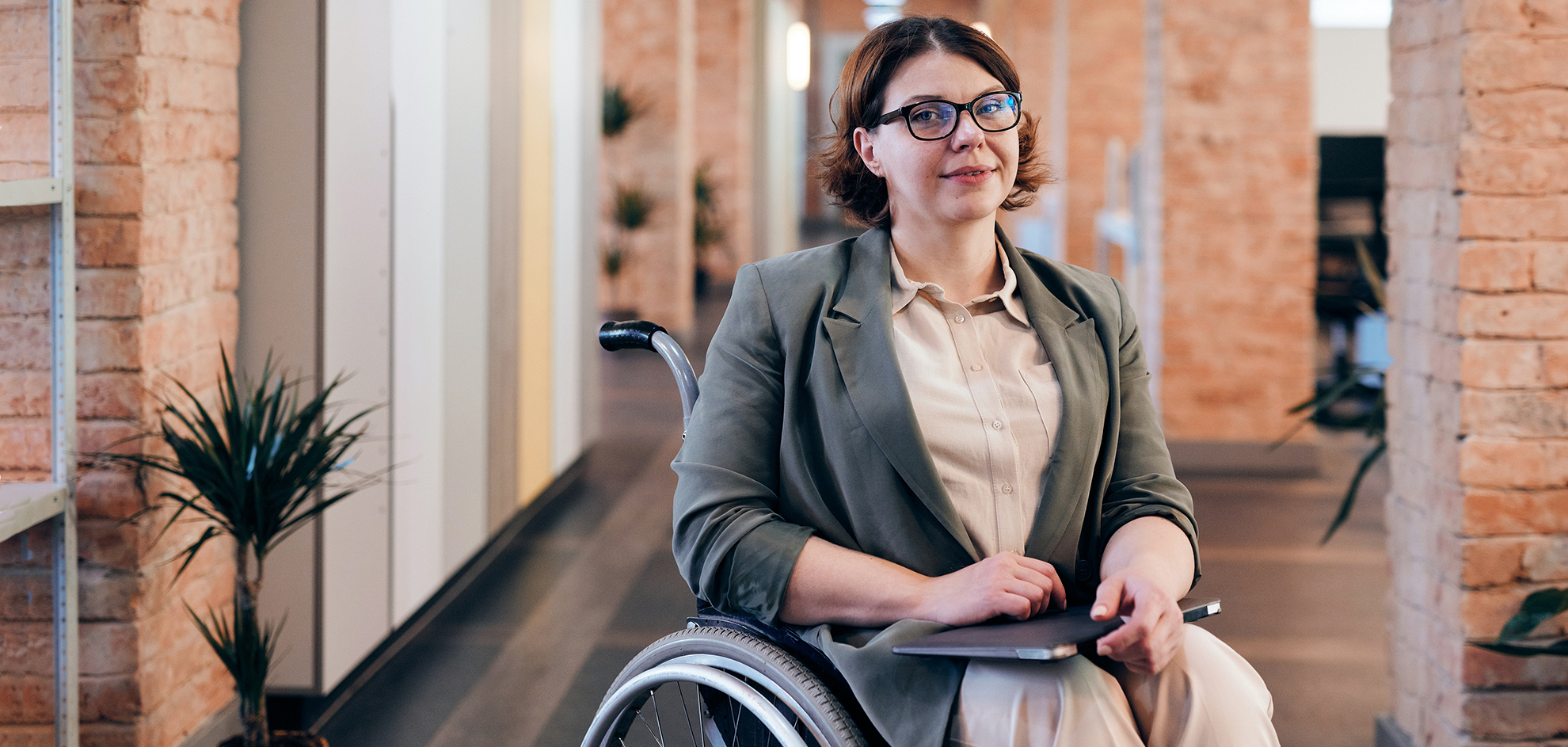
Before Covid-19, disability in advertising was on a positive upward trend, with creative recognition at Cannes and brands formalizing inclusive efforts for the 2020 summer Paralympics Games. But over the past several weeks, the exponential upward trajectory of Covid-19 cases, state lockdowns, stay-at-home orders, industry furloughs and layoffs have seemed to create a downward spiral in momentum for disability in advertising, and it couldn’t come at a worse time.

Most, if not all, of the precautionary measures we are taking—from simple handwashing to sheltering in place and social distancing to facemasks—help prevent the spread of the virus to populations that may be more susceptible to contracting it. This group includes millions of people with disabilities, yet among the PSAs and brand messages of hope, disability is somehow not part of creative considerations.

Advertisers such as Campbell’s Soup have captured society’s collective moment in what many see as heartfelt commercials celebrating everyone together staying apart. But these attempts at unity are framed from an ableist viewpoint, vacantly inconsiderate of audiences with disabilities. We are comfortable documenting the wine toasts in Zoom meetings and social sing-alongs among the 80% of the population the virus is least likely to impact and at the same time are oblivious to the erasure of disability and those in the 20% that are most susceptible.

This acknowledgment of a lack of disability visibility in advertising’s current state isn’t a nudge to suggest the industry do better someday down the road in a new normal. It’s a plea for immediate action. Alarmingly, when news headlines suggested hospitals may not be able to handle the surge of patients, the disability community had to fight for their voices to be heard in literal life and death scenarios, where based on medical guidelines, some may have been passed over for treatment. Many are feeling like society, including brands, have disregarded them as second-class citizens in this crisis.

As we plan advertising’s roadmap forward, where will disability fit in? We are all isolating, but that does not mean we need to forgo inclusion in recognizing the value and voice disability brings to brands and society.

Six tips for implementing immediate disability inclusion in advertising:

Include user-generated content from brand ambassadors with disabilities

People with disabilities are sheltering, working and parenting from home just like everyone else. If you’re capturing content by reaching out to brand ambassadors, consider connecting with someone in the disability community.

Consider disabled influencers and actors

There are amazing disabled influencers and talent available to work with. Blind influencer Molly Burke and Paralympian Amy Purdy are just two examples among thousands of talented disabled influencers, actors and athletes ready to add their voice to your brand message.

Use appropriate disability stock photography

If you don’t have the budget for influencers or the time to research brand ambassadors, consider using stock photography featuring authentic disability representations from Getty’s Disability Collection.

Ensure your digital ecosystem is accessible

During these challenging times more than ever, people are embracing social media and getting information online. Digital accessibility needs to extend beyond your brand’s website to social media and email to ensure that people with disabilities can connect with your brand and important information where and when you need.

Be informative to everyone

Brands that are essential businesses and organizations need to be informative to all audiences, including those with disabilities. If there is a press conference, video or other messaging platforms, be sure to incorporate alternate forms of messaging. Interpreters and closed captioning allow D/deaf to connect; live text across digital platforms support screen readers; audio captions allow blind and visually impaired users to gain information; and alternate forms beyond digital, such as phone messages, support those that may not have internet access.

Plan ahead

As creative teams, agencies and advertisers look ahead, everyone needs to ensure strategic planning efforts as we emerge from the crisis include diversity and disability representation. Just because the Paralympics are postponed for a year doesn’t mean disability in advertising should be postponed. If your is brand trying to better understand the mood and momentum of customers, bring people with disabilities into that research.

We all know that advertising can’t cure Covid-19, but it can be curative. Advertising has an opportunity to be a powerful voice of support and solidarity during this challenging time.

Creativity Without Limits: The Value of Blue-Sky Thinking

Posted on by Chris Talbert

Fanciful. Impractical. Unrealistic.

Those are a few of the words you’ll come across when you search the definition of “blue-sky thinking,” but in the agency world, blue-skying is just the baseline. 

There is something so meaningful about pulling off an idea that seemed too big or too “out of the box.” The kind of idea that comes with a side of skepticism when you first hear it. The kind of idea that is followed by “I don’t know if we can do that” or “that may not be possible.” 

It’s thrilling. Of course, to truly pull off something “fanciful,” there has to be some practicality to it—but we don’t always have to limit ourselves to what feels reasonable. True innovation comes from letting the ideas flow. 

Clear as mud? Let me give you a little more. 

Imagine that we’re all back in the office. The coffee’s on, we’re gathering our notes and laptops, and we’re heading to the conference room for a meeting… 10 a.m. sharp (because internal meetings always start exactly on time, right?). You’ve been isolated at home and the creative juices are flowing. You take a big sip of that office coffee you’ve missed and prepare to share your long-awaited insight. And you are met with “we don’t have the budget” or “there isn’t enough time for that.” Devastating. 

Don’t shut it down. Let’s shoot for the moon. Big, blue-sky thinking is crucial to creatives. It’s tough to come up with a really fantastic idea on a deadline, so if you get that flash of inspiration, run with it. I bet the guy who sold 1.5 million Pet Rocks in the 70s had a few naysayers, too. 

There is nothing better than gathering in a room full of your incredibly smart and talented coworkers and running through your best ideas. And maybe they aren’t the next Pet Rock, but think about how good it feels to have that creative input and team of supporters. It’s something I always look forward to at Designsensory. But I did say that we have to have some practicality, and honestly, I’d be lying if I said that I wasn’t usually one of the first people to come back to those ideas with “okay, but how?” 

I think that’s what takes a really good brainstorming session and makes it a great one. Meet that big dream with a plan that stays in budget. Explore how we can make that Pet Rock idea work within the given timeline. Has something like this been done before? How can we do it better? Ask questions. Challenge ideas. Build up your teammates. Creativity without limits is a beautiful thing. Just for fun, let’s look back on a few of our proudest blue-sky moments here at DS, shall we? 

That time we made a roaring tiger crate.

As Zoo Knoxville was anticipating the arrival of Arya, its new Malayan Tiger, they wanted to create some buzz and excitement for the public. We created an environmental piece that could be moved around to places like Market Square in Downtown Knoxville or Regal Cinema. Activated by motion, this roaring crate piqued the interest of pedestrians as they walked by.

When we turned an old storage container into a trade show booth.

After rebranding and launching an app for Staylist, we created an elaborate booth activation out of an old storage container to show it all off at their big national trade show. The container was marked with “Adventure Awaits” in graffiti for photo opportunities, and with board games, s’mores and additional giveaways, the event booth truly made each guest feel like they were discovering their next adventure.

We made a television show. Twice.

It’s not often that one of your key tactics in any given campaign is “make a television show.” But who says you can’t? In an effort to generate high-level awareness of their community initiatives, public land and boots on the ground efforts, we created a hosted travel and lifestyle television show called “Tennessee Valley Uncharted” for Tennessee Wildlife Resources Agency and Tennessee Valley Authority, which broadcast on public television stations around the country. And we did it again in the form of a six-part documentary-style series called “Remastered,” which highlighted iconic heritage brands in the State of Tennessee for Tennessee Department of Economic and Community Development. It premiered on RFD-TV, as well as YouTube and Amazon Prime Video.

My point (however long it took me to get there) is that, yes, sometimes it’s easier to list all of the reasons that something cannot be done. But what’s the fun in something easy? Let’s get imaginative. Let’s excite our clients. Let’s get fanciful. You know you want to.

12 Knoxvillians Sharing Joy and Creativity During the Corona-Apocalypse

Posted on by Chris Talbert

Ah, Knoxvillians… Bless our sweet-tea-swilling, backyard-grilling, orange-and-white-cheering hearts! Here, in the Maker City, we don’t mind a little red on our necks and a whole lot of blue in our grass. But nowadays (during these Mad Max-esque times), the only color we see is gray.

The quarantine has been tough on all Knoxvillians. Sure, there ain’t no smoggy smoke on Rocky Top… but we sure as hell got to keep paying those Verizon bills!

We are a proud community, self-conscious of who we are and what we love. We are a strong tribe of creatives, entrepreneurs and kind-hearted souls.

Chances are you’ve heard it said – or sung – that what doesn’t kill you makes you stronger. Well, I recently came across a new take on the phrase, courtesy of the one and only Dolly Parton: “Storms make trees take deeper roots.”

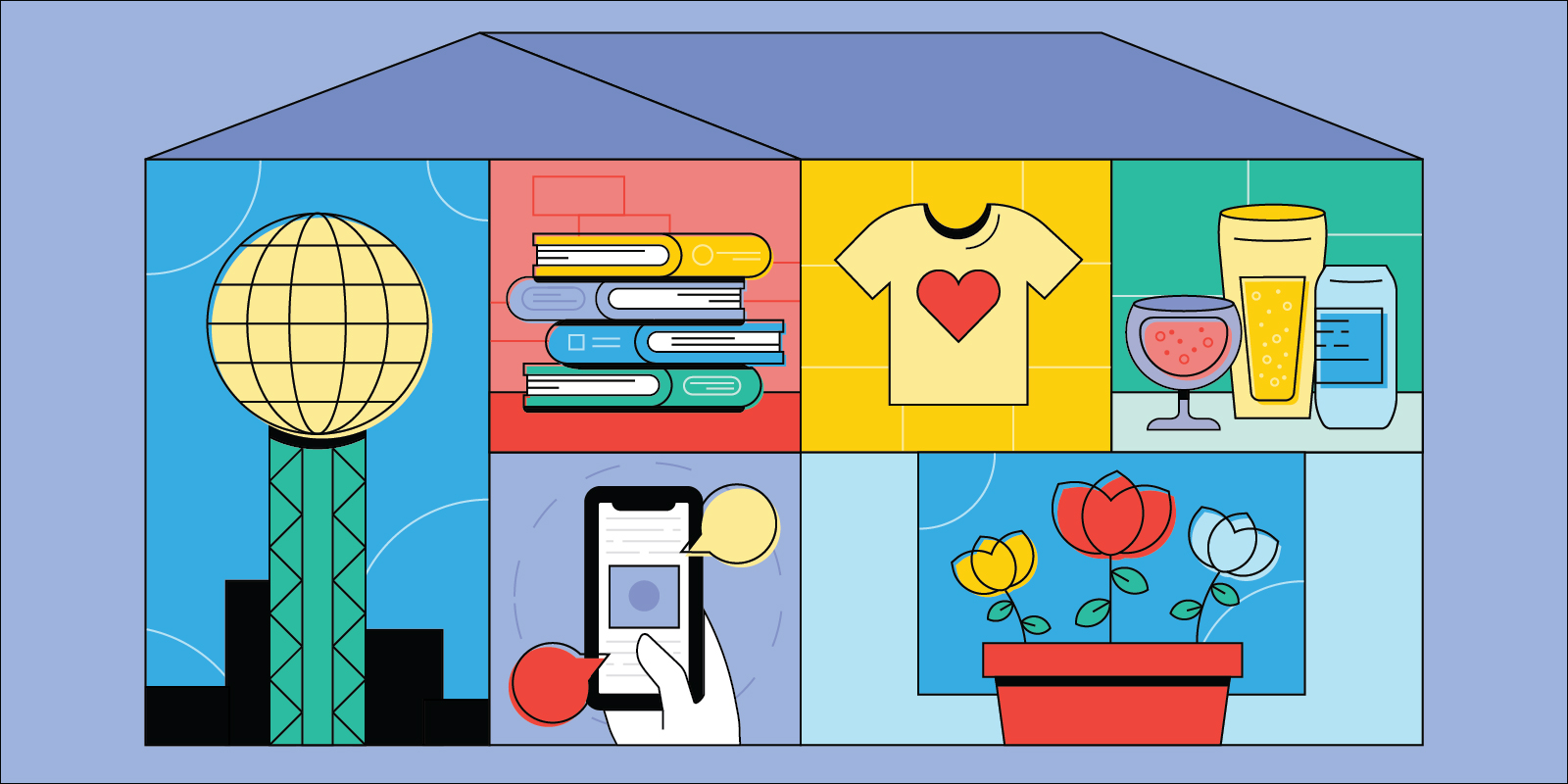
Here are 12 examples of people & local businesses going through the storm and making deeper roots:

1) Paris Woodhull & WRTHY  | Wash Your Hands Tee

Knoxville superstar artist, Paris Woodhull, teamed up with Christine of WRTHY to forge one unforgettable tee. These bad boys are limited supply, because each shirt is hand cut and sewn by Christine and printed by Paris! Go on, wear these shirts at Kroger and point to the Gal on the Horse when, inevitably, someone gets too close.

Wanna be fashionable AND support two cool Knoxvillians? Sure you do! Grab your tee.

Also, be sure to check out Parris Woodhull’s other imaginative goodies and Christine of WRTHY’s Instagram!

2) Rala | Get Creative, Knoxville

Speaking of artists and beautiful imagery… Allow me to present you a treasure trove of craft and culture: Rala Knoxville. I double-dog dare you to online-peruse this fountain of creativity and not be inspired! Rala features original art, letterpress prints, unique greeting cards and contemporary jewelry.

Bored at home? Stop whittling that stick for no reason (like, really, why are you even doing that?) and comb through Rala’s online assortment of puzzles, games and books. Bet that man cave or basement is smelling real ripe right about now… Rala has got you covered with some curbside pickup candles.

Follow Rala on Instagram for a bit of inspiration on the daily.

3) A Dopo Pizza | Pizza Done Right in the Time of COVID

They say a picture is worth a thousand words, and that saying has never fit something more than shots of artisan pizza being displayed by a rubber-gloved hand. Also, get in my belly!

In the Knoxville community, A Dopo Pizza has always been a culinary and entrepreneurial innovator, and during quarantine, things are no different. To fight COVID-19 on the front lines, A Dopo has completely revamped their menu, and are now offering “Nightly Trust Fall Dinners For Two” which consists of the following: Two pizzas, one bottle of wine, one appetizer, one gelato… All the chef’s choice!

Sign me the heck up. Beware, they sell out fast (we’re talking minutes here). And for good reason. Order for curbside pickup for dinner today and follow A Dopo Pizza’s incredible Instagram for a reminder to have dinner there tomorrow, too.

4) Cruze Farms | Bring Some Flavor to Quarantine & Chill

I scream. You scream. We all scream because the end of the world inches ever closer and existential dread now permeates every facet of our lives… but whoa this ice cream is delicious.

Blackberry ice cream? Okay, stop. With every bite, it reminds you that maybe life DOES have meaning… and love DOES have intrinsic value!

Hey you… yes, you! Stop philosophizing about the illusion of free will for thirty minutes and get to the Cruze Farm website and pick up a pint or two, or maybe a gallon. For more photos of frosty delights, follow Cruze Farm Ice Cream on Instagram.

5) Dale Mackey | Dale’s Fried Pies & The Good Sport Box

You had me at fried. But the next word is equally good: pies.

Dale Mackey and her famous sweet and/or savory pies have been a staple of the Central Collective for quite some time. And now, Dale continues her mission to spread joy (and not germs)! She and Central Collective have teamed up to “keep whimsy alive” by creating the Good Sport Box. Each box contains art and products by local artisans and game/activity suggestions. No two boxes will be exactly the same!

So reward yourself for being socially responsible and order the Good Sport Box, get a taste of Dale’s Fried Pies or just enjoy a very on-point Instagram.

6) Linds Edwards & Ashley Shelton | A Hot Thesbian Couple

Binge-watching The Office on repeat is a favorite pastime for many of us, but after the one billionth viewing, some of the magic is gone (lol, just kidding).

But good news! Two local Knoxvillians have made a parody called The Home Office about a couple working from home. The entire series takes place in basically two rooms and with two people: Linds Edwards and Ashley Shelton, a cute Knoxville power couple who are both working actors/writers/directors.

Check out Linds’s Instagram for The Home Office and Ashley’s Instagram (she just made a really cool music video too)!

And lastly, they have a short film streaming on Amazon Prime called Magnolia & Clementine.

7) Zack Roskop | Much A Brew About Nothing

Zack Roskop is the man behind Knoxville Brew Tours. He takes a bus and carts strangers all over Knoxville on a backstage tour for great local beer.

But what does that man do when the world has closed and brewers are making hand sanitizers (thanks, by the way! I love clean hands)? Well, that man adapts, by God! And he takes his bus all over the community to bring people food, groceries and yes, beer. All the beer.

Zack and Knoxville Brew Tours have partnered with a plethora of local breweries to bring you different craft beer selections each day and even virtual brew tours! But wait, there’s more… Zack also participates in the Local Love Box, helping deliver goodies of all shapes, sizes and flavors right to your doorstep.

Here’s the list of things to check out on this one: Knoxville Brew Tours Virtual Tours and it’s Instagram, as well as more info on the Local Love Box and its instagram (Zack’s on there as well! Hi, Zack!).

8) Yassin’s Falafel House | Sooo Hummus Ya Miss Me?

The above tweet says it all. Share a meal, share the love with people in need and first responders. What is better than fresh hummus and an authentic falafel? The answer is: nothing. Also, an acceptable answer would be: more hummus and more falafel.

Yassin Terou and his family have brought so much joy to the Knoxville community through food, and it continues now during the crisis.

Get more information on Yassin’s Falafel House’s Share Meal, Share Love initiative.

9) Pretentious Beer Co | Slurrrrp

Here’s just a fun bunch of people who run a fun brewery downtown: Pretentious Beer Co. Come for the beer, stick around for the clever names and associated artwork (but don’t actually come, cause social distancing, duh).

Once again, we’ve got a delivery box. But this time there are so many options. When you order you select the general types of beers that suit your soon-to-be pretentious palate and the craft brewery will select a variety pack to help stimulate those endorphins hibernating in your brain during this time of crisis.

Remember. the beer may be dark but your soul doesn’t have to be. I am pretty sure Shakespeare said that.

Order some brewskies or check out all the artwork and beer names on Pretentious’s Instagram.

10) Flourish Flower Truck | You Don’t Have to Shower, Just Order a Flower

Seriously, who wouldn’t love fresh flowers dropped off at their door? And just look at how cute this car. Everyone knows that I’m pretty manly… and, well, I’m melting right now because of the cuteness.

Savannah and her husband Issac own Knoxville’s OG flower truck, and they take pride in preparing each petal and handwriting each note.

Secure your bouquet of happiness now and stop by Flourish’s Instagram to see some stunning flower pics.

11) Union Ave Books | Take a Look, It’s in a Book, A Reading Rainbow

Vellichor. The smell of books. Nothing on the planet has the power to make me happier. It’s like pouring a bucket of smiles on my brain. And Union Ave Books oozes with it. Now, sadly, we can’t go inside… but Union has us covered.

The independently-owned bookstore is offering an awesome book concierge service that will help you discover what to read next, virtual book events, curbside pickups or even delivery if you live within 5 miles of the store.

Now, if you will excuse me, I am going to go smell To Kill A Mockingbird for a good five minutes.

Learn about Union Ave Books’s concierge service and event schedule and stroll its virtual aisles on Instagram.

12) Megan Lingerfelt | Paintin’ 9 to 5

Somebody defaced this beautiful Dolly mural downtown. But that didn’t slow down the muralist who gave Dolly’s face yet another lift.

Knoxville, please give a collective round of applause to Megan Lingerfelt. Not all heroes wear capes, some sling paint. And please enjoy some more of Megan’s beautiful murals.

Excuse me while I wipe this tear out of my eye, Knoxville. I know that, at times, it may not seem like it – but, hey – we’re doing alright. There are dozens (if not hundreds) of people and businesses I could have put on this list.

We should all be proud of how we’ve come together as a community. And we all need to step back and look at this city of culture and color and creativity with awe and gratitude.

Now, curl up on your couch, order some food, get some books, buy some art and take comfort in Dolly’s words, “storms make trees take deeper roots.” And then ask yourself this—where else would I want to face this storm? Where else, but Knoxville, do I want deeper roots?

Sports in COVID-19: A Unique Time For Understanding

Posted on by Chris Talbert

For the first time in our lifetime, arenas, fields, gyms and stadiums are silent, and if you’re sitting back, steeped in the “woe is me … I wonder when we’ll get the green light to function normally” attitude, you are in serious trouble. Now, as we face the challenges of partially opening the economy, marketers and sports brands are wrestling with hard questions: 

  • “What must we do both operationally and in our communications that assures fans it is safe?”
  • “If we open now, will enough people return to make the cost worthwhile—short term and long term?”
  • “Will our messages be well-received?”
  • “What incentives will bring people back?”

As we walk down this unprecedented path of COVID-19, we need to make decisions now and—in the moments that follow. We can’t rely on pulling from our lifetime of experiences that usually feed our decision-tree wisdom. We need to find a fresh bank of information to inform every step moving forward. 

That is exactly what NASCAR wanted to know when they turned to us to help uncover answers to questions like: “We need to know what the sports fan is thinking and feeling … specifically, our fans.” Will NASCAR fans stay loyal to the sport? Will they return to the stands? How will they engage with us, and how do we leverage those expressed behaviors for the long-term health of the sport and the sport-fan relationship? 

Rather than speculate on a “wait and see” approach, our Designsensory Intelligence team is talking to fans now – and continuing every three weeks – to gather their exact feelings and anticipated behavior once this crisis is past us. It really is interesting to see how those feelings change as our daily outlook on life changes.

Not long ago, everyone we talked with was happy to ingest sports on broadcast/cable/streaming platforms knowing well that they were reruns and thus knowing the outcome of the competition. Today, that has changed—nearly 1/5 of sports fans are choosing to wait until action returns. 

Additionally, we know that one in four fans will head to the track as soon as the action starts, but that isn’t enough to sustain the business model. It will take a sincere strategy to build trust and confidence that measures are in place to protect the nearly 70% of fans who either aren’t sure what it will take … or acknowledge that they will just need to feel psychological comfort to be part of a large crowd again.

New operational imperatives will prevail, and marketing will be deployed to allay any fears, but the changes to operations – and the entire business culture – must be genuine and honest. Trust and safety will be the dominant attributes that ooze from the event for fans to be present in the seats. And we can’t wait!    

Keeping track of fan or customer feelings in relation to reactivation with a brand, venue, attraction or team is an ongoing activity, and we’ll be here each step of the way.  Stay in touch and informed to make wise decisions.

Clear Your Mind: 6 Ways to Mindfully Manage Stress

Posted on by Chris Talbert

We’ve had a lot on our minds the past few months. Staying safe, staying at home, staying productive—you name it. But dealing with stress hasn’t necessarily been at the top of our list since we’ve been confined to our makeshift WFH offices. And I get it. You’re trying to figure out how to keep the kids occupied, get some lunch on the table and reassure your mother that, yes, you’re still washing your hands. All just so you can finally send that email you’ve been working on for 20 minutes. Not even going to lie, I got stressed writing that – LOL. 

OK – BREATHE. 

Times are stressful, but one of the most important things we can do after a long day of work is to clear our minds and switch from “work-mode” to “chill-mode.” Finding that balance between work and home life is something we’ve all been dealing with. So, in order to keep us all sane – literally – we have some tips to help you recharge. 

Fresh Air = Fresh Mind 

This isn’t some top-secret list of ways to deal with stress. These are the things we’ve all known for years, but in times like these, we can simply lose ourselves to stress and anxiety and overlook the small things that keep us healthy. So, GO OUTSIDE! Being outdoors impacts not only your mind but your body, too (you know, two birds with one stone kind of thing). Even taking a 15-minute walk can completely reset your psychological state. So, grab your pup, cat, kid or favorite human and get to sniffin’ those trees and flowers (allergies permitting). 

Music Heals 

Whether you are a soft pop kind of person or a heavy metal stan, music has been an escape for people since the beginning of time. Did you know that music can be a drug to certain people? The Nucleus Accumbens section of the brain seeks pleasure and reward, and for some people, listening/playing music increases dopamine. I personally know this to be true because, as a music lover, it’s my form of therapy. It instantly takes me to a different place, especially when I’m stressed. 

Grab A Book 

Now, I have never been one to pick up a book after a long day at work, but I know you all are out there. Getting lost in a story or someone else’s thoughts will literally put you into a different headspace. So, get comfy in your favorite reading nook or surround yourself in a blissful meadow (just me telling you to go outside again) with your go-to book and get to reading. 

Creative People! Go Forth and Be! 

There are some people who weren’t wired to “chill out.” I know who you are, you beautiful-minded humans. You create. It’s what you do, and it’s how you “recharge.” Whether it’s playing an instrument, drawing, writing, sculpting, designing, singing, dancing, painting and all of the many creative things—go do you. There is something wonderful about getting lost in something you love to do/make. So, do it. 

Phone a Friend (or Family Member) 

Having someone you can chat with on the phone as a form of relaxation is one of the easiest ways to reset after a long day. The power that expressing your thoughts and feelings to someone has on your mental state is huge. So, go call your mother and ask her about her day. 

Get To Moving

You knew this one would make the list. Exercising has so many benefits. According to the Anxiety and Depression Association of America, “Scientists have found that regular participation in aerobic exercise has been shown to decrease overall levels of tension, elevate and stabilize mood, improve sleep and improve self-esteem.” The wonderful thing about the 21st century is that technology has allowed us to work out from home, just pull up a YouTube exercise video and you’re set. Or you can go for a walk outside while listening to music (see what I did there?). But seriously, the important thing is to stay moving.

So, there you have it. I know these aren’t groundbreaking tips for a clear headspace, but sometimes all we need is a simple reminder to take a step back and do the little things. Try incorporating one or a few of these techniques into your “after-work” routine and clear your mind. Oh, last thing! Wash your hands. 

Tips from our Coworkers: Staying Productive While Working from Home

Posted on by Chris Talbert

Once upon a time, in what seems like a distant memory, people used to work in offices. Desks were shared. Face-to-face meetings were had. Germs were exchanged. Then, without warning – except actually with much warning – we were advised to quarantine at our homes.

Today, as I sit on my bed preparing to move to my “designated work area,” I have the luxury of not showering (I still do) and not having to wear shoes (I definitely don’t). However, those small details that once mattered in a world of in-person interaction don’t truly elevate my productivity levels as I’m working from home. And while you’re at home (we hope), in your own designated work area, you may be finding it difficult to focus. To help you get back on track while we fight the COVID-19 pandemic collectively, we interviewed our now-remote office folks for advice. 

(Side note: humor helps us have hard conversations, but this is serious business. Stay home, stay safe.)

How are you staying productive?

From waking up earlier and taking morning walks before getting started on creating to-do lists and being mindful of distractions, it seems DSers have one thing to say: turn off the TV and develop your own routine.

“I’ve developed routine amidst the chaos. I typically start my day from my room with my windows open and essential oils diffusing. I later migrate down to my living room, where my make-shift desk is, to continue working. I like the change of location mid-day. It keeps my mind moving.”

I picked up some unique advice from someone who’s doing it right: make your spouse cook breakfast. Even with all of these day-to-day changes, on one thing we can all agree, there’s a huge benefit to working from home.

“For sure I keep the TV turned off during my working hours. Honestly, I’m probably more productive than when I’m at the office because the phone’s not ringing, I’m not getting pulled into impromptu meetings and I don’t have to keep the kitchen cleaned up.”

And, while loungewear has become the new office uniform, there is something to be said about simply putting on a pair of jeans to feel more productive, or so they tell me.

Is there anything you’ve learned while working from home that you plan to bring back with you into the office?

For me, the answer is easy: bring more snacks to work for additional brain power. For some, getting used to being on the phone or a teleconference has become less daunting. And for others, well, see for yourself.

“Don’t leave CNN on in the background all day. Snoring puppies underfoot are helping productivity. Can they come back to the office too?”

“Having a cat in your lap during work is pretty therapeutic, but I don’t think my co-workers would enjoy that at the office. So, probably won’t be able to bring that one back. Maybe an occasional therapy dog?”

Can I get a woof woof? In all seriousness, people have learned that production time is best spent in quiet; Google Meet video is way better than UberConference; status check-in sheets are next to godliness; two monitors are better than one; and taking better notes helps everyone reference things after meetings.

“I think I’ve learned the value in consistency, the beauty in routine. I’m not sure exactly why yet, but I think it’s good for us.”

Are there any challenges you’re facing working from home? If so, how are you overcoming them?

There’s no doubt that, whether in the office or at home, distractions can hinder the best of us. To maximize mental space, it’s so important to take breaks and feed your soul. Here’s what the jury has to say.

“Staying focused can be difficult at times, so I batch the tasks I need to do and give myself small breaks in between.”

“I don’t have a home office because I have a one bedroom apartment. That means I’m working in my living room and then sitting in my living room for most of the evening, so the separation between work and leisure time is not there. It helps to go outside and run or pop over to my parents’ for a bit, just to get some space.”

“I try to listen to music and go for short walks to get some fresh air to reset.”

“My ‘coworker’ at home is a chatty five year old. I’ve had to learn creative ways to keep her busy so I can be productive”

Challenges are just opportunities that need to be unmasked. Can someone please unmask this person’s challenges? Or at least release its claws.

“I’ve moved my workspace to the back porch because my husband, also working from home, is on conference calls ALL DAY LONG. I’ve also learned not to leave my phone on the couch, because the dog tried to FaceTime someone. And, finally, I’m still struggling with how to keep the cats off the laptop keyboard and am currently taking suggestions.”

“Honestly, my biggest problem is not letting myself snack all day.” (Editor’s Note: Literally same.)

“Uh. Keeping myself presentable.”

Take These Wings and Learn to Fly

Our hearts go out to everyone affected by Covid-19, and we are so appreciative to our leaders at Designsensory for letting us work from home and do our part to ensure this virus does not spread unnecessarily. During these times, it’s important to cherish the loved ones around us, support the communities we live in, and encourage others to do the right thing and stay safe. We hope these tips truly inspire someone to thrive better during a time of social distance. Let’s make the most out of our current situation. Cheers to working from home, and cheers to health!