Category: Articles 🔎

Revolutionizing Retail: Navigating the New Era of eCommerce

Posted on by a776ed85_admin

Written by Lily Hardwig, Copywriter
Researched by Cole Pawlaczyk, Intelligence Strategist

Within the past few decades, the virtual buying and selling of goods and services has become one of the most engrained facets of everyday life. As a society, we’re always looking for ways to make our daily routines as efficient as possible. One of the ways brands have helped weave convenience into our lives is through eCommerce. Think about it. If someone asked you how often you use the internet to purchase what you need, how often would you say? Every day? Every week?

Mobile Commerce

Because of our newfound appetite for uninterrupted mobile shopping experiences, retailers are progressively recognizing the need to enhance the mobile shopping journey. What is it that makes a customer more or less likely to buy their goods online? There is much to learn from different platforms’ approaches to skillful product display, search engine optimization, transaction processing, and customer interaction.

When we think about successful eCommerce, likely the companies that pop into your head include Amazon, eBay, and others. And it’s true, platforms like eBay and Amazon provide comprehensive infrastructural services and boast a substantial base of regular users. What can we learn from them? Let’s break it down.

Simplification of the Checkout Process

First, it’s been proven that customers appreciate the simplification of the checkout process, preferring fewer clicks or one-touch checkouts. No one wants to put their credit card information into every eCommerce platform. Streamlining the checkout process is essential for lowering conversion hurdles and enhancing the ease of online payments for shoppers. By streamlining the last few steps of the online buying process, companies like Amazon and eBay significantly cut cart abandonment. For example, Amazon makes the information that consumers want, such as reviews, discounts, delivery times and payment options, immediately accessible. This assuages the frustration and confusion of customers by shortening the checkout process without losing any details necessary for a consumer to make an informed purchase.

Delivery Optimization

Delivery optimization, or the redefining of traditional delivery methods, enhances the shopping experience and customer satisfaction. Innovations like parcel delivery lockers, precise delivery schedules for the working demographic, urgent drone shipments for critical items like medications, and same-day delivery options represent the cutting edge of delivery service enhancements. Logistics veterans, alongside innovators like Amazon, Uber, and newcomers like Shyp, are driving these advancements. Customers have come to rely on quick, simple and dependable shipping and handling.

Loyalty and Memberships

Because checkout and delivery processes are becoming more efficient, the market has grown saturated with competitive pricing, selection, and quality. This can make it difficult to compete and retain your customer base. As a solution, large companies are increasingly focused on fostering customer loyalty to boost engagement, purchase frequency, and basket size. By providing membership programs and benefits, sellers cultivate a loyal community of buyers. Amazon Prime sets the standard for such schemes. Nonetheless, niche players, particularly in fashion, are catching up, with Vente-Privee’s lucrative model standing out by offering membership options that makes the shopping experience of dedicated customers more even convenient. The success of Zalando Zet and Walmart’s ShippingPass also highlights the value of loyalty programs in eCommerce by increasing traffic through membership deals and perks.

VoiceCommerce

eCommerce does not only encompass buying and selling through a process of clicks. eCommerce has come to even include orders through the use of intelligent assistants such as Siri or Alexa. While VoiceCommerce is not typically ideal for first-time product searches, it is extremely useful for repeat purchases. Presuming these smart agents can learn from past orders and eventually handle a set budget, this could pave the way for a novel approach in merchant-customer interactions.

Headless Commerce

Additionally, Headless eCommerce has developed as a technology trend that empowers online businesses to craft highly tailored and engaging shopping experiences across various digital touchpoints. By decoupling the front-end presentation layer from the back-end eCommerce infrastructure, brands are liberated to customize how they showcase their offerings, whether through mobile apps, voice-activated assistants, social media platforms, or beyond. Companies such as Magento, Shopify, and Salesforce leverage headless commerce to assemble dynamic, fluid, and visually appealing online shopping experiences.

Dropshipping

Though incredibly well organized and efficiently structured, business giants like Amazon and eBay are not the only entrants into the world of eCommerce. Thanks to alternative delivery methods like dropshipping, new entrepreneurs have recently been able to break into the virtual world of buying and selling. Dropshipping, which enables sellers to send products straight from the supplier to the customer without holding stock themselves, has opened the door for small-scale operations because of its low barrier to entry and reduced financial burden.

Customer Journey

When engaging with eCommerce, each and every user has a customer journey that we can evaluate to improve the online buying experience. A customer journey refers to the path of interactions a customer has with your brand, product and services. Across various surveys, we have learned that 73% of customers prefer to use their mobile devices to participate in eCommerce, and 51% said that the driving force behind their participation is purely convenience. The platforms on which consumers most prefer to shop include Facebook, Instagram, YouTube and TikTok. Other platforms recruit buyers as well, just at a slower rate.

Holiday Shopping with eCommerce

Both Black Friday and Cyber Monday are eCommerce holidays that take place just after Thanksgiving and before the winter gift giving season fully commences. The holiday season, the season of gift giving, brings consumers from far and wide looking to order the perfect gift for their loved ones. Because of the aforementioned eCommerce trends, retailers jump at the chance to provide timely online shopping experiences that take advantage of increased site traffic. Whether the retailer is a single startup or a massive corporation, it relies on Black Friday and Cyber Monday to get a successful sales season underway.

Key Takeaways

Whether you are a business owner, a small scale entrepreneur, a consumer or even just a user of technology, it’s becoming increasingly apparent that eCommerce is going to remain central to the exchange of goods and services in our society. Because of this, it’s important that we all understand how this new system of trade works. eCommerce technology is here to stay. Once fully embraced, it has the potential to ease many of the stressors and complications in our everyday processes of purchasing goods. For ways to research, design and optimize your checkout’s User Experience, our team is here to help.

NIL Collective Opportunities & How We Got in the Game

Posted on by a776ed85_admin

The future of sports is changing fast with the rise of Name, Image, and Likeness (NIL) opportunities. Only two years old, NIL has become a game-changer for college athletes, opening up new ways to connect with fans, boost brands, and empower student-athletes. Designsensory, known for innovation, is diving headfirst into this movement. We’re partnering with Opendorse and NIL Solutions to reshape the sports marketing landscape.

Meet Our Teammates

Opendorse is a leading athlete marketplace platform and NIL technology company that helps athletes ink deals. The organization serves athletes and their supporters by helping them understand, develop, protect and monetize their brand value. With a reach of over 100,000 athletes, 2,000 sports organizations and 1,000 sports agents, Opendorse has helped an impressive roster of athletes along their brand-building journeys.

NIL Solutions operates from the collectives’ end of the deal, empowering them with resources and solutions to succeed long-term. Created by Aspyre Media and Designsensory, the industry-leading team has over thirty years of experience in digital advertising and twenty-plus years of experience with sport agency and college athletics funding. NIL Solutions combines marketing, revenue growth and operational services, collaborating with national partners. Highly skilled in e-commerce, fan membership, gift funding and brand sponsorships, the company positions clients to succeed.

The Game-Changing Team-Up

Opendorse connects athletes with deals and refers collectives to NIL Solutions. NIL Solutions then empowers these collectives with resources, optimizing revenue streams for collectives. The elite combination of NIL Solutions’ broad digital advertising expertise and Opendorse’s expansive reach promises to be a dynamic duo.

“This partnership combines the extensive industry experience and wide-ranging services of both companies to offer a premium suite of services to our clients,” said NIL Solutions partner, Brea Parke. “We look forward to working closely with Opendorse to provide our clients with the best possible support and solutions in the industry.”

“Designsensory’s mission has always been to challenge convention, disrupt categories, and deliver meaningful results. We are eager to ensure a powerful alliance that is anticipated to bring a myriad of benefits for our stakeholders,” said Joseph Nother, Designsensory Co-CEO.

Coaching The Brands

If you’re wondering where Designsensory comes into play, don’t worry, we have plenty of drills to coach both teams through the NIL field. Designsensory brings branding, advertising, and digital marketing expertise to the table. We’re helping athletes and brands navigate the evolving sports marketing landscape, positioning NIL Solutions as the premier collective consulting firm.
Our competitive advantage is applying industry knowledge to develop creative strategies that amplify brands’ robust capabilities. Our sports marketing agency, Spyre Sports Group, has become one of the top five collectives in the U.S.

Athlete Wins

Even seasoned college athletes can be rookies in the business field. With more opportunities and options to navigate than ever before, student-athletes are thrown into the world of PR, branding, finance and marketing. Our partnership will train them to secure deals, set trends, and explore new revenue streams like personalized merchandise and content creation. We’re empowering student-athletes to manage their image and negotiate on their own terms.

Brand Wins

As NIL is a fairly new concept, NIL collectives need support. Whether your collective is fresh to the scene or established and eager to grow, our partners will help make it happen. We connect brands with athletes who align with their values, creating authentic partnerships that boost ROI and brand recognition. Supporting student-athletes and elevating branding opportunities – it’s a winning strategy.

Conclusion

The innovative NIL space requires marketers, brands and student-athletes to make adjustments in our game plan, take advice from coaches and establish trust with our teammates. We hope this strategic partnership inspires you to not sit on the sidelines when it comes to sports marketing. Embrace new opportunities, take risks, and change the playbook. With the right team, you may even earn a few championship titles along the way. Connect with us to learn more about sports marketing and how we can help your team win! In the meantime, read more about 2023 sports entertainment trends from our research wizards over at Designsensory Intelligence.

Crafting Conversations: Threads, X, and the World of Text-Based Platforms

Posted on by a776ed85_admin

We’ve seen the rise of vertical video, but now, new text-based platforms are entering the social media conversation. From X to Threads (and yes, TikTok, even), your brand’s social media mix should be evolving.  

X’s Trajectory and Elon’s Goals

X (as we all previously knew it, Twitter) has become the topic of conversation amongst businesses, marketers and users. For over two decades, Elon Musk has been pitching and shaping his idea for an all-inclusive, versatile app that essentially combines the signature features of Twitter, Substack, YouTube, PayPal, Amazon, TikTok, WeChat and Baidu all into one platform — often referred to as “the everything app.”

The recent rebranding of Twitter paired with Musk’s vision for X as a whole, has become a conversation for digital marketers everywhere. What is the potential user base and reach of an “everything app?” And, more importantly, what are the implications for your brand’s strategy? Civic Science data reveals intriguing insights into the audience most inclined to embrace X’s current rebranding and future features:

  1. Gender Divide: 50% of daily male users expressed strong interest in the new X branding, compared to 26% of their female counterparts.
  2. Banking Integration: X’s future inclusion of banking features makes it an attractive option for individuals interested in switching banks. An estimated 23% of U.S. adults are considering switching banks in the near future and 18% of X users are interested in using X’s banking services.
  3. Elon Musk’s Influence: Elon Musk has a profound influence over embracing X’s rebranding, with 80% of users expressing keen interest in the rebranding due to Musk’s association.

While your present Twitter/X strategy might not need immediate adjustments, as X evolves into a larger, more intricate platform, strategic realignments to your current strategy may become imperative.

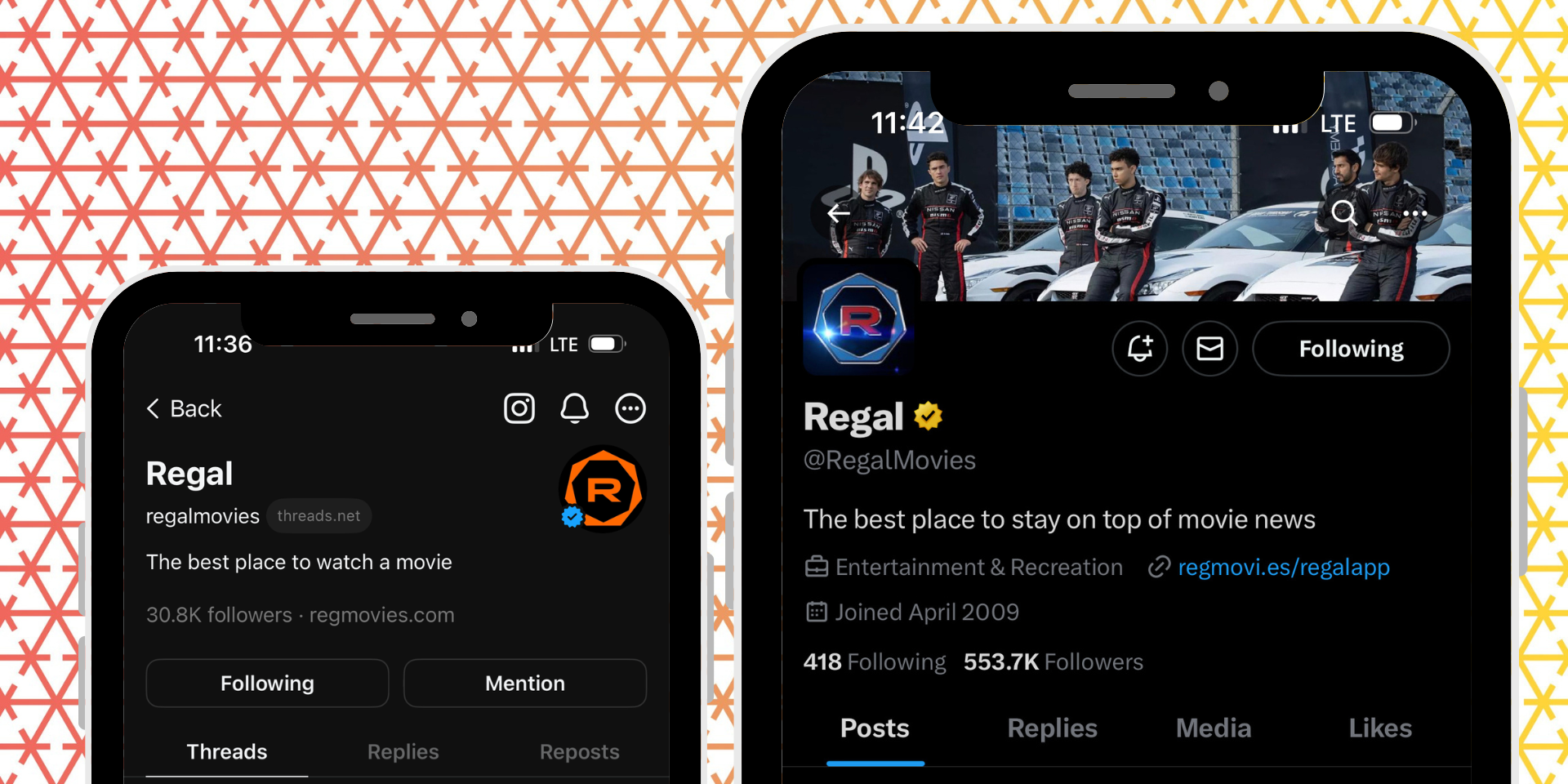
Text-Based App Disruptors: Big Names

Meta, the parent company of Facebook, recently introduced “Threads,” a text-based platform, very similar to Twitter/X, designed to streamline online conversations. This move signifies a shift towards fostering more thoughtful and focused interactions compared to the overwhelming nature of traditional social media feeds full of photos, videos, graphics and more. From what we’ve learned and experienced on Threads, though similar to X, it still has a lot of work to be done. Users are requesting additional features such as hashtags and direct messaging, while advertisers are looking for ads and sponsored posts. Though Threads quickly became the world’s fastest app to reach 100 million sign-ups, this massive growth in users quickly declined after the initial launch as active users dropped by 75%.

Similarly, TikTok soft-launched a similar concept of text-only posts in order to diversify its content and user experience beyond just short-form vertical videos. This style of content has primarily been used on TikTok Stories, rather than in-feed posts, however, this may continue to grow as we see more text-based content across all platforms. 

Smaller Players and the Shift Towards Decentralization:

Beyond the giants like Meta and TikTok, smaller players in the tech industry such as Lens Protocol, Mastodon and Bluesky are paving the way for a shift towards decentralized text-based platforms. Decentralized platforms are like any other social media app but differ from traditional platforms in that they’re built using blockchain technology, a major driver of the next iteration of the internet, often called Web3. These platforms prioritize user privacy, data ownership and content control, addressing growing concerns about centralized social media platforms. The shift towards decentralization is indicative of a broader trend in the tech world, emphasizing user empowerment and autonomy.

Our Takeaways & How to Use X, Threads, etc. for Your Business:

As text-based platforms evolve, it’s essential for businesses to adapt and harness their potential. Utilizing platforms like X and Threads for marketing and customer engagement can yield significant benefits such as communicating directly with their audience, sharing updates and providing personalized experiences, which fosters a stronger community. 

New platforms can be nerve-wracking and you may be wondering how to use the platform for your business. Here are some basic ways to get started on text-based platforms to build a community. 

  1. Engage Authentically: Use X, Threads, and other text-based platforms to engage in authentic conversations with your audience. These types of platforms are very community-based, so you want to build a close-knit relationship with your audience. Share personal stories, humor, trends, respond to customer inquiries and participate in relevant discussions among your followers.
  2. Content Marketing: Create concise and impactful content that resonates with your target audience. Threads, focusing on thoughtful conversations, can be an excellent platform for sharing valuable insights and expertise. 
  3. Promotions and Campaigns: Launch promotional campaigns on these platforms to generate buzz and drive user engagement. Encourage user-generated content, ask questions, and leverage contests to foster a sense of community and conversation.
  4. Customer Support: Offer prompt customer support through these platforms. Addressing customer concerns and inquiries in real time can enhance your brand’s reputation and customer satisfaction.
  5. Develop a Platform-Specific Strategy: Though your audience on each platform will differ, oftentimes, your biggest fans will follow your business on each platform. Create a different strategy for each platform. Users who see the exact same content on each platform are less likely to engage.

The Future of Text-Based Platforms: A Glimpse Ahead

As we all know, social media platforms continue to surprise us in many ways and are ever-evolving. The future of text-based platforms is exciting and promising. As technology continues to change and improve, we can expect even more innovative features and functionalities. With new technologies like virtual reality or artificial intelligence, the way we communicate and engage online is completely changing.

Navigating Social Media

The dynamic world of social media provides a vivid picture depicting the evolving digital landscape of today’s society. Businesses are consistently finding new avenues to connect with audiences and foster growth. By tackling new developments and technologies, you can navigate the intricacies of social media and text-based platforms to bring in a brighter future for your brand. Don’t hesitate to reach out to us to start your strategy. 

Diving into the Game: Unveiling the Latest Trends & Insights on Sports Entertainment Marketing

Posted on by a776ed85_admin

At Designsensory, research and intelligence are our foundational keystones. Any effective communication must originate from a place of solid understanding. Understanding the audience – who they are, how they think, the emotional reward for participating in commerce with your brand, the purchase or engagement triggers, and lifestyle segment imperatives – coupled with a deep appreciation for the competitive landscape and the noise that smokescreens your message, is what drives our strategic and tactical excellence.

With sports season quickly approaching, Designsensory Intelligence (DSI), our in-house research arm, wanted to uncover how marketers can tap into the sports fan audience.

The Findings

Our team of research experts found that there’s an enriched audience of sports fans with high-income and education levels. This demographic offers a ripe market for upscale products and services, presenting an opportunity for refined targeting and premium positioning. In today’s ever-evolving digital realm, embracing platforms such as streaming, short-form content and mobile ticketing is not just an option but a necessity. These platforms are becoming the primary channels for fan engagement, and to remain competitive, one must effectively harness their capabilities. Furthermore, the increasing availability of first-party data has opened doors for unparalleled personalization in marketing campaigns. By leveraging this data, you can craft messages and experiences that resonate deeply, providing fans with a sense of connection and exclusivity, bridging the gap between brand and fan. Athletes, in this new paradigm, are not merely players on the field, but potent influencers and content creators off of it. Engaging with them for partnerships can significantly amplify your brand’s reach and authenticity.

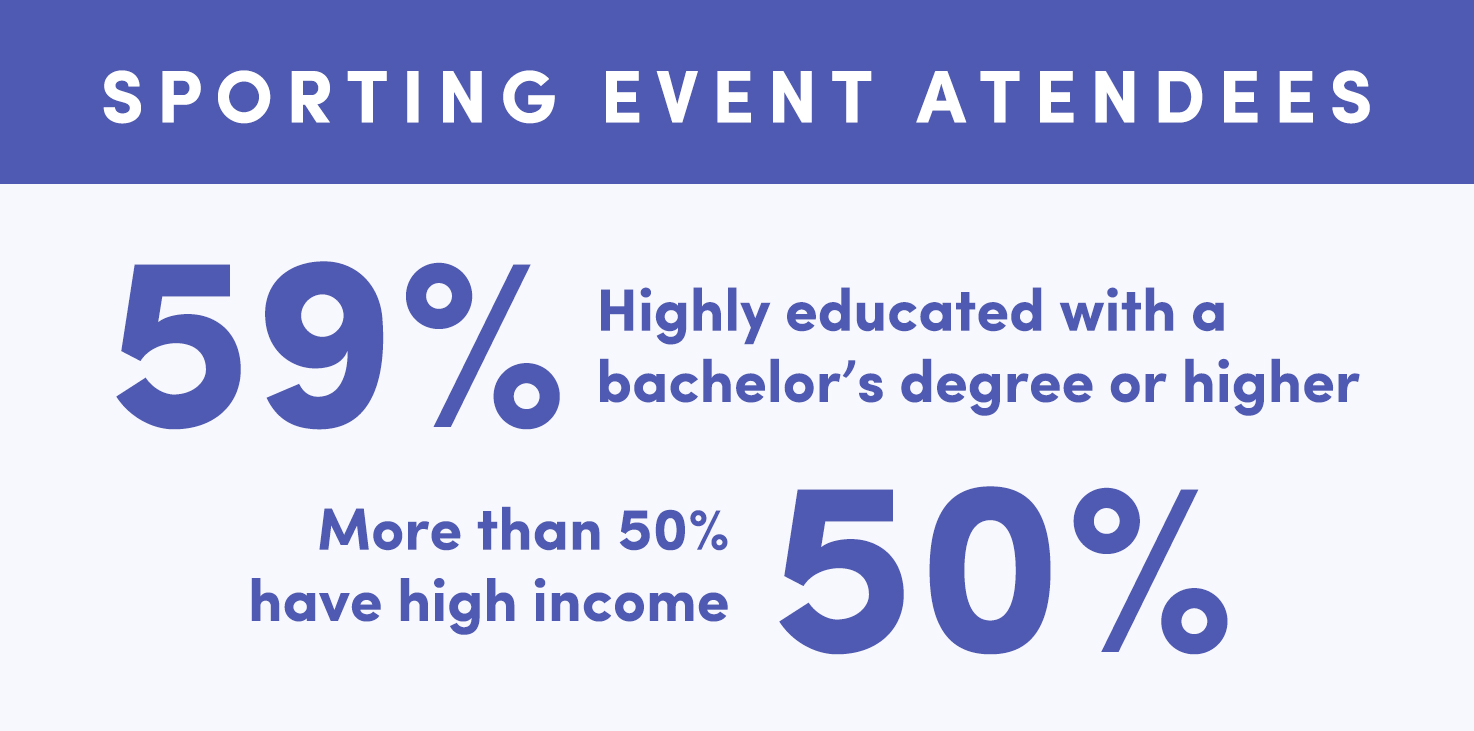
57% of sporting event attendees are highly educated, with a bachelor's degree or higher. More than 50% have high income.
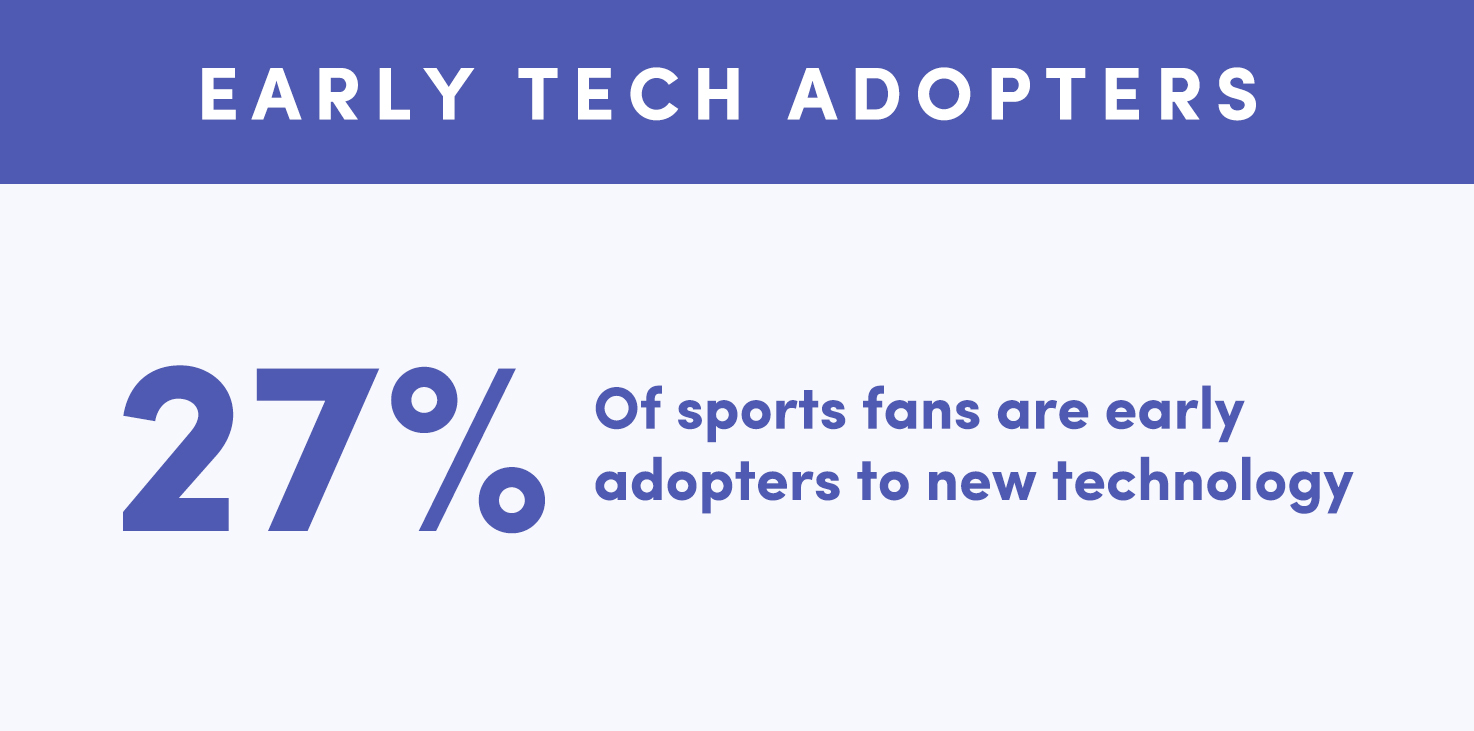
27% of sports fans are early adopters to new technology

E-sports is another frontier that cannot be ignored. Its meteoric rise offers access to a younger, affluent, and tech-forward demographic, making it a promising avenue for both brand engagement and ROI. Its surging popularity connects brands to a younger, tech-forward demographic, guaranteeing strong engagement and potentially high ROI. Additionally, unique sporting events provide occasions to captivate not only die-hard fans but also the occasional enthusiasts, crafting brand touch points that linger.

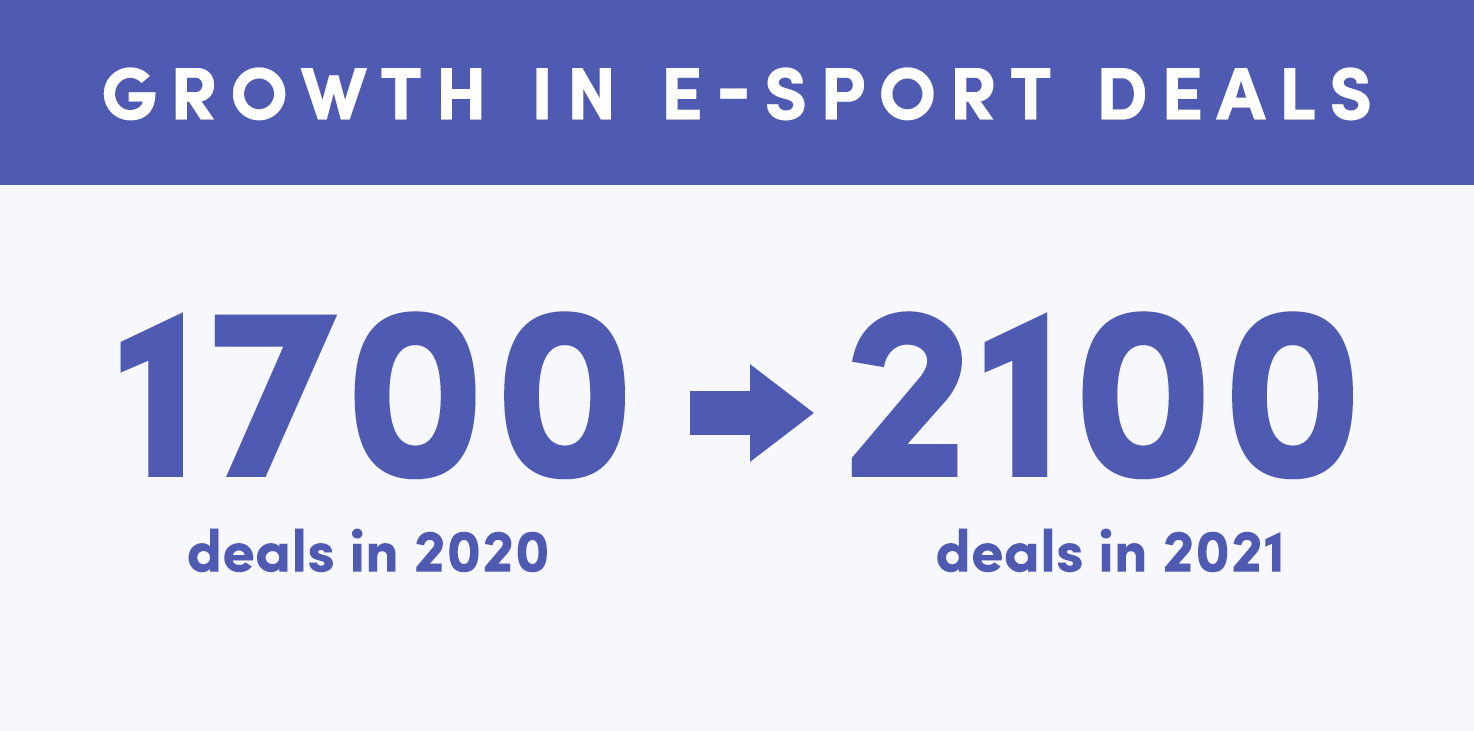
E-Sport deals grew from 1700 deals in 2020 to 2100 deals in 2021
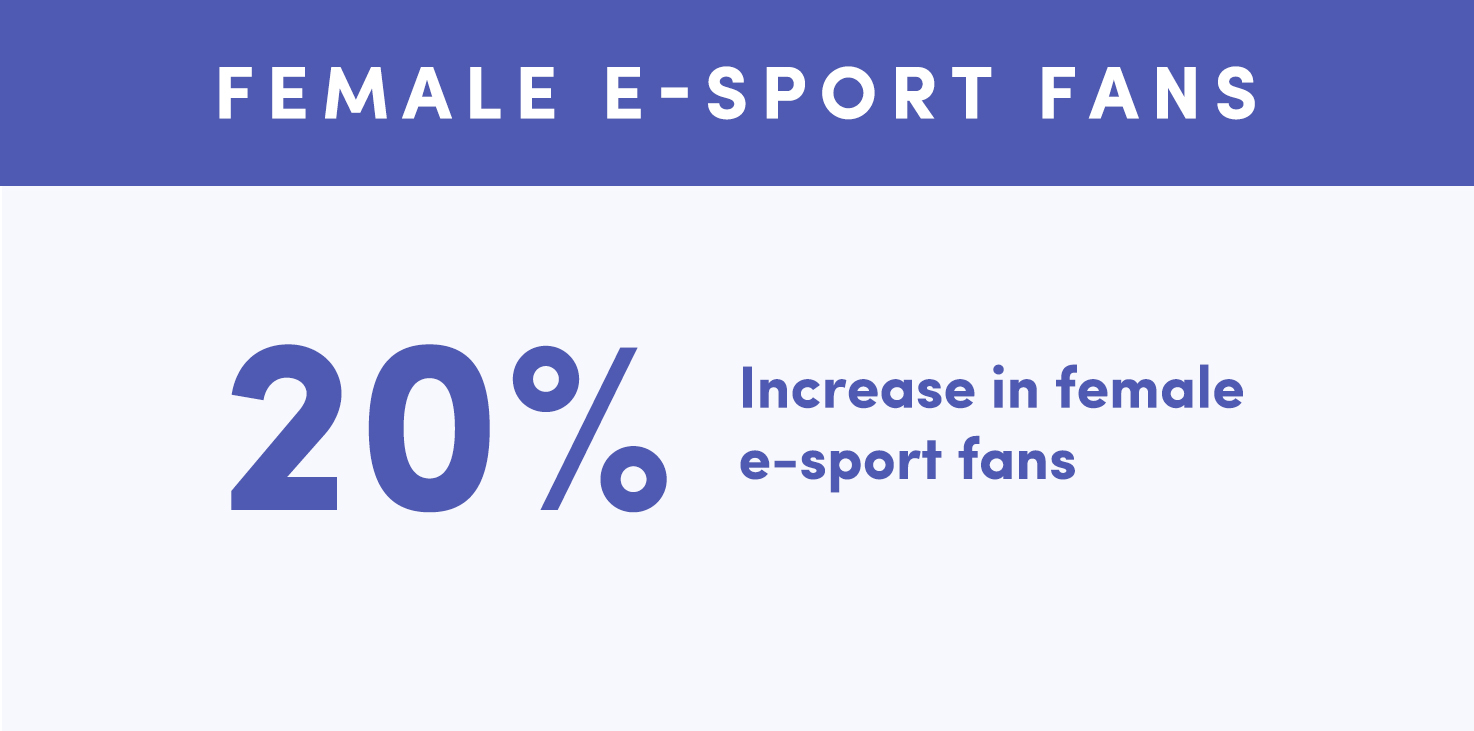
20% increase in female e-sport fans

Sporting events, meanwhile, provide unique moments to capture and engage even sporadic sports enthusiasts, creating brand experiences that leave a lasting impression. In an age where authenticity and values matter, it’s crucial to align your brand with meaningful societal causes. Taking a stand not only enhances brand loyalty but also positions you as a socially responsible entity in the industry. Ultimately, this is an era of immense opportunity for sports marketers. The key lies in understanding these shifts, adapting with agility and executing with precision.

In our digital age, it’s vital to harness the power of platforms. Learn more about sports and the impact these platforms have on marketing in the full report.

Ned Ludd, Amara’s Law, and Protecting Your Career Against AI

Posted on by Ryan Lee

100 miles northwest of London in the heart of the English Midlands lies the land of Robin Hood, lace and industrial protest: Nottingham. In the early years of the nineteenth century, textile workers in the city began to lash out at their employers, who had taken to using weaving machines manned by untrained, unskilled workers to make shoddy products that would bring in a quick buck—or pound sterling, as it were. 

It wasn’t even the machines themselves that were the problem in their eyes. No, these skilled laborers who had apprenticed and trained and spent years of their lives learning their craft—which included making handy use of these machines—were being cut out and replaced. Manufacturers had become content to hire low-paid workers to make inferior products, rather than rely on the expertise of their craftsmen. 

So, as disgruntled workers throughout history have been known to do, they started causing a ruckus, sneaking in at night and bashing up these machines to stick it to The Man. They took as their patron saint a fellow machine-bashing malcontent from Leicester named Ned Ludd (he’s that handsome lad in the photo up there.)

They called themselves the Luddites. And modern workers have a whole lot of common cause with them.

One of the most persistent reasons that workers, especially in creative fields, are wringing their hands over AI is the possibility that, given the opportunity, they’ll be replaced. If a Large Language Model (LLM) like ChatGPT can write blogs, why hire writers? If generative image AI platforms and built-in AI like Adobe’s Firefly can generate images with a few words of prompt or just a few clicks, why hire designers? Even a decade ago an Oxford study predicted that up to 47% of U.S. jobs could be at risk due to automation. Recent estimates from Goldman Sachs suggest that up to 300 million jobs worldwide could be affected: 

Using data on occupational tasks in both the US and Europe, we find that roughly two-thirds of current jobs are exposed to some degree of AI automation, and that generative AI could substitute up to one-fourth of current work. Extrapolating our estimates globally suggests that generative AI could expose the equivalent of 300mn full-time jobs to automation.

The Potentially Large Effects of Artificial Intelligence on Economic Growth, Goldman Sachs, 2023

As a writer, researcher and strategist who works alongside a cadre of insanely talented designers, developers, and other creative geniuses, quite frankly that scares the hell out of me. 

And when I get stressed and in my head, I like to listen to podcasts to shift my brain to something else that’s both edifying and distracting. Imagine my utter horror to turn on my favorite podcast, Stuff You Should Know, and hear this little chestnut:

So one of the astounding things about this that it really caught everybody off guard is that these large language models, the jobs they’re coming after are white-collar knowledge jobs. Yeah. They’re so good at things like writing. They’re good at researching. They’re good at analyzing photos now. And that’s a huge sea change from what it’s been like traditionally, right? Whenever we’ve automated things, it’s usually replaced manual labor. Now it’s the manual labor that’s safe in this generation of automation. It’s the white-collar knowledge jobs that are at risk. And not just white-collar jobs, but artists who have nothing to do with white-collar or jobs, they’re at risk as well.

Large Language Models and You, Stuff you Should Know, June 20, 2023

Et tu, podcasts?

It’s easy to spiral in a cultural conversation wherein much of the conversation seems to center upon the inevitability that everyone who works at a computer will soon be rendered useless. Rather than speed headlong into catastrophizing, though, we’d do well to remember Amara’s Law, named for the late futurist Roy Amara:

We tend to overestimate the effect of a technology in the short run and underestimate the effect in the long run.

Roy Amara

That makes it doubly important, then, to understand what AI is good at, what the limitations of this technology are and how you can future-proof (as well as anyone can) your career.

The Helping Hand(?) of AI

To understand what AI is good at, it helps to have a baseline understanding of how it produces content. Take the name ChatGPT. The “GPT” stands for Generative Pre-Trained Transformer. ChatGPT and other LLMs scrape existing content to essentially predict a sequence of words that make sense together. For example, if I type the word “thank,” an AI can predict that the next word I’m likely to type is “you,” because among the hundreds of billions of data inputs it has to work with, that’s usually what comes next. 

If I’m setting up a meeting with a member of my team and I type “Does that…” the AI can take a guess and finish out the phrase based on something that gets input a million times a day. So it knows that there’s a good statistical probability that what I’m about to say is “Does that time work for you?” That makes LLMs incredibly useful for spitting out a routine email at lightning speed, something I’m sure you’ve already made use of with Google’s Smart Compose feature.

Another area in which generative AI can be a huge benefit to creatives is ideation. Whereas I can put 10 ideas on a page in—depending on my caffeine intake—between 10 and 30 minutes, an AI can generate 10 ideas in three seconds. And one of them might be the spark that I need to do some deeper thinking, make some long-buried connections, and start considering something in a new way.

So, these platforms are remarkably helpful for doing low-level thinking for us. But when we rely too heavily on generative AI and LLMs to do too much of the heavy lifting, we get into some real trouble.

The Hilarious Ineptitude of AI

For all of our well-founded concerns about what AI could mean for the future of these knowledge jobs, there are some serious limitations to what it can do. And “limitations” is a generous term. We’ve already talked about how generative AI platforms are trained on extant data, and then assemble that data as a response to a prompt, in a way that is statistically likely. The biggest thing that means is that LLMs are incapable of novel thought. Well, they’re incapable of thought, really. They can only output what they can predict based on existing inputs. So you can forget about the works of Cormac McCarthy (RIP) or Jean-Michel Basquiat, or the off-the-wall menus assembled by the world’s most innovative chefs. 

ChatGPT was recently asked to describe the meeting between James Joyce and V.I. Lenin. It responded dutifully:

James Joyce and Vladimir Lenin met in Zurich, Switzerland in 1916. Both men were living in exile in Zurich during World War I. Joyce was a writer and Lenin was a revolutionary. They met at the Cafe Odéon, a popular gathering place for artists and intellectuals in Zurich.

ChatGPT

Imagine being there when two of the most influential men of the 20th century met each other. Well, you’ll have to imagine it. Because 1916 was more than 100 years ago, and also that never happened. ChatGPT totally made it up.

This is a persistent problem that plagues AI, known as Hallucination. Hallucinations occur when a bot not only gets something wrong, but fabricates it completely. 

This New York Times article doesn’t exist.

Pinning too much of the legwork of researching, developing and writing content on LLMs is an unreliable way to perform work that often leads to outputs that are poor quality at best, and factually inaccurate at worst. When professionals outsource large parts of their work to AI, it can have disastrous results. New York Lawyer Peter LoDuca found that out the hard way in his client’s personal injury case against Avianca airlines, when Avianca’s lawyers noted that they couldn’t find any information on eight cases that LoDuca had cited in his brief. LoDuca had enlisted ChatGPT to do the legwork for his legal brief, resulting in the platform fabricating eight legal decisions—and detailed background on those decisions—from whole cloth.

ChatGPT isn’t a search engine. It only knows what it’s been told. It then does its level best to reconstitute all that information into a series of words that make logical sense. If you can do better than that, you already have a leg up on generative AI. But, remember Amara’s Law? While we’re probably making too much of AI right now, there will come a day when we realize we’ve underestimated the impact of AI on our jobs. 

Three  Ways to Protect Your Job Against AI

So what can we do? Here  are some concrete things you can start doing that will make you irreplaceable. 

  1. Never Stop Learning
    AI can only automate tasks that require repetitive, predictable outputs. Stay curious, continually upskill, and focus on developing new approaches to complex, strategic problems. We talked about how susceptible AI bots are to hallucinations, so become the real-world expert in your job. Become a holder of the real, accurate knowledge that AI is trying to emulate.
  2. Learn Everything You Can About AI
    The more you understand about what AI can and can’t do, the more you can use it to your advantage. By understanding the menial tasks that AI can help you with, you can be more productive and less bogged down in low-level tasks. You’ll also be able to understand what parts of your work are susceptible to automation, and develop skills that AI can’t replicate that will make you indispensable.
  3. Work on Soft Skills
    As much as AI is sure to advance, one thing that it will never be able to do is empathize. It will never be able to collaborate, be compassionate, lighten the mood or pick up the load for a team member that’s having a tough time. Engage your team, build relationships and become inimitably human.


Thanks for joining us as we continue to explore the ins and outs of AI and what it means for our advertising and marketing world. Next time we’ll dive into who owns, and gets credit for, content produced by AI.

*The content above was 100% written by a human being. 

Happy Bring Your Dog to Work Day!

Posted on by a776ed85_admin

Today is National Bring Your Dog to Work Day! Designsensory has a dog-friendly office, so we often see cute pups spending the day, but today we wanted to celebrate all pets, even the ones that only work from home.

Meet the Pets of Designsensory

Sarah Monroe's dog Steely Dan, sitting in front of the Spark logo
When Steely Dan visits with his favorite human, Sarah Monroe, he will paws-itively cheer up anyone having a ruff day!
Courtney Borgers' cat Luna and dog Hildy, curled up on the same bed
Courtney Borgers’ pets Luna (cat) and Hildy (dog) prefer to work from home.
Kate's dog Sailor sitting on a chair at the office
Sailor makes sure to supervise her human, Kate Ambos.
Kate's dog Pippa lying on the floor at the office
Pippa, also part of Kate Ambos’ family, says the floor is lava and must be touching a rug at all times!
Caroline Cleveland's dog Posey sitting in a yellow chair
Posey, posing so nicely for Caroline Cleveland!
Courtney Francis' cat Banjo, playing with a toy
Banjo, a sweet little guy who is curious and always playing, loves to sit beside Courtney Francis and be nosy when she works from home.
Ruby, Mary's dog, playing with a toy
Ruby, Mary Blair’s new puppy, is a Cavapoo who loves watching puppy tv!
Oliver, Mary's cat, placing a paw on Ruby's head
Mary Blair’s cat Oliver does NOT always appreciate Ruby’s endless puppy energy.
Barry and his dog Ivy at the office
Barry Hilton poses with his sweet dog Ivy!
Ivy and Marci's dog Nova
Ivy and Marci Claude’s pup Nova enjoy hanging out together.
Tuyen sits at a desk with her dog Dash
Dash, a yorkie poo, is pretty sure that Tuyen Ho should be paying attention to him instead of her laptop!
a glamorous photo of Tuyen's bunny Day-Z
Tuyen Ho’s bunny Day-Z knows who the prettiest one of all is (it’s Day-Z).
Huck Finn, Kelley's dog, sits on a couch
Huck Finn doesn’t come in to the office, but Kelley Gray hates leaving him when she comes in!
Kelley's dog Penny Mae hiding under a blanket
Penny Mae knows the best place to be is at home with Kelley, wrapped in a cozy blanket.
Jenna's dog Queso, playing with a pizza toy
Jenna Anderson’s golden retriever, Queso, loves pizza and work from home days!
Ryan's dog Winston, sleeping on a dog bed
Ryan Lee’s dog, Winston, doesn’t care – unless it’s a toy, a treat, or a w-a-l-k.
Allie's dog Maggie and cat Tito
Maggie (dog) and Tito (cat) love to relax while Allie Torres-Lopez works nearby.
Lindsay's dog Jack sitting in the car
Jack is always excited for a WFH lunch break outing with Lindsay Jones!
Kandyn's small gray cat, Betty
Kandyn Leach has three beautiful kitties! This petite gray sweetie is Betty.
Kandyn's cats James and Junie sitting by a window
Kandyn’s other two kitties – James is the black cat, and Junie is the gray tabby that looks like she hates you.
Luna, Madelyn's hairless cat, looking out a window
Madelyn’s kitty Luna loves to sit by the window!

We Need to Talk About Generative AI

Posted on by Ryan Lee

I’m not an ethicist. I’m not a technologist. And I can definitely attest that reading one Michio Kaku book does not a futurist make. But to not be curious, concerned, thrilled, terrified and generally fascinated by Artificial Intelligence is to bury your head in the proverbial sand (and yes, I know ostriches don’t actually do that.) Or at the very least, ignoring AI is to make the same mistake scientist Clifford Stoll made in 1995:

I’d say [the Internet is] not that important. I think it’s grossly oversold and within two or three years people will shrug and say, ‘”Uh yep, it was a fad of the early 90’s and now, oh yeah, it still exists but hey, I’ve got a life to lead and work to do. I don’t have time to waste online.

And, in the ad/marketing world, to ignore AI is to sign your organization’s death warrant. AI isn’t coming: it’s here. And not only is it here, it’s already making fundamental changes to the way marketers, strategists, creatives and technologists do their work. Which makes it incumbent on us, an agency with clients who look to us to innovate and eschew the status quo, to ask our questions and take part in a global conversation about what it all means.

Generative AI Effects

For our industry that largely means talking about the impacts, both positive and negative, that come with Generative AI specifically. If you or anyone you know have used ChatGPT or DALL-E, that’s generative AI. There are scores of variations of artificial intelligence, but generative AI is (in the most simple of simple terms) the technology that takes extant data, rearranges those billions of inputs in new and useful ways, and uses it to respond to user requests to do or make something.

This makes generative AI incredibly useful for thousands of everyday tasks in marketing and technology. Need campaign ideas? Ask AI. Need a blog post? Ask AI. Need help laying down the base code for a new website. Well, thankfully, only a human being can handle that one.

Just kidding. AI can do that, too.

So you might be wondering: is AI good? Yep! It’s helpful on a number of levels, in ways that free up human brain power to focus on more complex and strategic thinking. You may also be thinking “Wait, I thought there were huge problems with AI…” Right again. It can be used for some pretty duplicitous (or downright deceptive) purposes, there are ethical questions about who gets credit for things created by generative AI, and then there’s the ever-present fear of the whole planet getting Skynet-ed.

This almost certainly might not happen. Probably.

So we’re going to spend a few weeks (months?) exploring the good, the bad, and the ugly of AI and how it can, and almost certainly will, transform the way we do almost everything in our industry. Buckle up.

Environmental Sustainability

One of the most persistently overlooked impacts of the wonders of generative AI is the massive energy consumption required to power the physical infrastructure that underlies the systems. While the past few years have seen a flurry of concerns about the environmental impact of cryptocurrency, the recent proliferation of generative AI comes with its own sustainability concerns.

These large language models comprise hundreds of billions of parameters, and the computing power required to run those operations is gargantuan. By some estimates, the amount of energy needed to power GPT3 could have powered 120 U.S. homes for a year. That same amount of energy would take the average Tesla nearly 4 million miles. GPT3 also consumed about 700,000 liters of fresh water—that’s about 190,000 gallons for those of us in the U.S. who refuse to get with the times and use the metric system.

I should also mention one small detail. Those eye-popping consumption numbers were just to get GPT3 going. That’s before anyone even used it.

Another compounding factor is that thus far we’ve only talked about GPT3 as an example. That’s just one AI platform. The knock-on effect of hundreds and thousands of generative AI platforms coming online could create some serious environmental impacts. But, it’s not all doom and gloom for the future of AI when it comes to energy consumption. Kate Saenko, associate professor of computer science at Boston University, notes that there are reasons to be hopeful:

The good news is that AI can run on renewable energy. By bringing the computation to where green energy is more abundant, or scheduling computation for times of day when renewable energy is more available, emissions can be reduced by a factor of 30 to 40 compared to using a grid dominated by fossil fuels.

And the race to make AI systems less of a burden on the planet is already in motion. Even now, data farms in Iceland are harnessing hydroelectric and geothermal power for power, and Switzerland is experimenting with massive physical batteries that use the gravitational potential energy of 35-ton concrete blocks. So it’s not all bad. Like any nascent technology, it’s almost certain to become more efficient, more cost effective and, hopefully, less environmentally taxing to operate.

Thanks for sticking with us. Next time, we’ll have the dreaded job automation conversation.

*The content above was 100% written by a human being. I did use the internet, though. Sorry, Clifford Stoll.

Benefits of Zero-Party Data: The Future of Digital Marketing?

Posted on by a776ed85_admin

Zero-party data – the term has been thrown around quite a bit lately. But what is it? Why does it matter? And do we really want to give more personal information to businesses? Let’s dive in and find out!

First, let’s define what zero-party data is. It’s the information that customers willingly provide to businesses through various means like surveys, subscriptions, or even polls. This type of data is different from the standard first, second, and third-party data that most businesses are already using.

You might be thinking, “So what? I give out my information all the time. Who cares?” Well, you should care because zero-party data is the future, baby!

The Magic of Zero-Party Data

Now, you might be thinking that companies already have your basic information like your name, email, and maybe even your phone number. But that’s just the tip of the iceberg when it comes to zero-party data. This is the nitty-gritty, juicy stuff that really helps businesses understand what you want and need. It’s like the inside scoop on what makes you tick as a consumer.

This means that companies can use this information to personalize their marketing efforts to better meet your needs. No more generic ads that make you want to throw your phone across the room. Zero-party data helps companies send you ads and promotions that actually interest you. It’s like having a personal shopper, but for digital content.

Close up photo of glass with the word "data" printed on it
Photo by Claudio Schwarz on Unsplash

Improved Customer Experience

Not only does zero-party data benefit the business, but it benefits you too! Instead of being bombarded with irrelevant ads and promotions, you’ll only see content that is tailored to your interests. It’s like your own personalized internet experience – and it’s something you’ll appreciate more and more over time.

Think about it: you wouldn’t want to get ads for products you’re not interested in, would you? Of course not. So why not share your preferences with businesses, so they can tailor their ads and promotions for you?

Trust Building

And let’s not forget about the trust-building between businesses and customers that zero-party data can bring. When companies show that they value the information you provide, it builds a sense of trust that is hard to come by in the digital world. Trust builds loyalty, and loyalty can lead to lifelong customers.

How awesome would it be to know that a business is catering to your specific needs and wants, rather than offering up a generic experience?

Zero-party data is the future of digital marketing, and it’s something businesses should embrace if they want to stay ahead of the game. By engaging with customers and getting to know their preferences, businesses can create a loyal customer base that will stick around for the long haul.

The Risks

With all that said, there are certainly risks associated with zero-party data. For example, there’s always the possibility that companies could misuse personal information. There’s also the risk of confusing people with too many ill-conceived and irrelevant marketing messages.

However, businesses that want to use zero-party data must be transparent and ethical in their practices, and only collect data that customers feel comfortable providing. That’s where a solid data privacy policy comes in, which isn’t just responsible from a legal perspective, but it also shows customers that the company has their best interests in mind.

The Future of Digital Marketing

Zero-party data is the magic ingredient that can help businesses provide personalized, hyper-relevant experiences to their customers. By engaging with customers, businesses can create a loyal customer base that will stick around for the long haul. But companies must be transparent and ethical in their practices to make it work.

So the next time you’re asked to take a survey or provide some personal preferences to a company, don’t be afraid to share! Giving up zero-party data is a win-win for everyone involved. And let’s be honest – who doesn’t want more personalized, relevant experiences online?

The content above was written using ChatGPT, and lightly edited by human hands and brains.

How to Show Your Brand’s True Colors During Pride Month, Impactfully

Posted on by Courtney Borgers

Written By Caroline Stringfellow, Copywriter
Research By Cole Pawlaczyk, Marketing Intelligence Strategist

Brands today are eager to be viewed as inclusive, diverse and equal, but there’s a big difference between making public statements to influence your image and doing so to inspire positive change. We’ve all seen the fallout that companies face when they try to capitalize on issues that they have no connection to or involvement with. Heightened skepticism from consumers comes at a time when tensions are rising across the nation in response to lesbian, gay, bisexual, transgender and questioning (LGBTQ+) rights shifting.

What’s really changed is that now there’s almost an imperative for marketers and companies to signal during June that they are in solidarity with and supportive of LGBTQ communities and particularly really want to court LGBTQ consumers and their allies.

Katherine Sender, Professor of Media and Sexuality at Cornell University, in an interview with NPR

We identified recent trends in brands’ attempts at inclusivity and wanted to pinpoint some of the most notable things they’re doing right, in hopes of inspiring other organizations to engage in positive, proactive and authentic LGBTQ+ initiatives. And we’ll explore others’ major missteps, to help prevent you from making the mistakes others already have and offending the community. Take a look at these examples to learn some of the best ways your brand can showcase LGBTQ+ Pride intentionally.

Tip #1: Don’t rainbow-wash.

If you decide to slap the flag of an oppressed community onto your packaging, you better back it up with accurate LGBTQ+ representation, donations to gay rights organizations, partnerships with members of the community and authentic messaging. What happens if you don’t? You may wind up caught in the crossfire of LGTBQ+ leaders voicing disappointment in your actions on social media and aggressive right-wingers, like Kid Rock, blasting your product with an AR-15.

To backtrack, one of the nation’s favorite beermakers, Anheuser-Busch (AB InBev), attempted to profit off of Pride by partnering with transgender TikToker, Dylan Mulvaney in a TikTok “Easy Carry Contest” promoting Bud Light. The big-name influencer caught the unwanted attention of right-wingers who turned to social media to organize a Budweiser boycott, and demeaned Mulvaney, publicly posting slander and misgendering her. AB InBev’s Global CEO, Michel Doukeris, responded to the snowballing hate by saying, “We will need to continue to clarify the fact that this was one can, one influencer, one post and not a campaign and repeat this message for some time.”

If his message strikes you as alarmingly impartial, vague and insincere, the audience that this campaign was initially targeting would agree. By retracting the initial sentiment, the Anheuser-Busch has lost trust from the LGBTQ+ community, and liberals, while remaining ostracized by conservatives. The brand’s statement made it crystal clear that its intention for the partnership was to attract a new audience by posing as LGBTQ+ positive, using a transgender influencer as bait and then dropping her the moment the campaign received backlash.

Do be colorful and expressive, in June and the other 11 months of the year.

Instead of attempting to cash out on the important movement and treating it like a trend, Anheuser-Busch should be following Macy’s example. The major retailer has earned its longstanding reputation for supporting the gay rights movement by meaningfully advocating for the community and demonstrating inclusivity in brand behaviors year-round. Macy’s partners with LGBTQ+ designers and suppliers, showcasing their products on an ongoing basis. In June, the brand maintains its regular practices and participates in additional initiatives.

This year Macy’s raised and donated $1M to The Trevor Project (TTP), a national organization that provides LGBTQ+ youth with crisis-intervention and suicide prevention services, educational materials, resources and advocacy. And the retailer isn’t just writing checks. Macy’s is using its website to connect people with positive LGBTQ+ events across the country, like pride parades, and featuring resources for those in need. The brand encourages people to donate to TTP on their site without requiring them to purchase anything from Macy’s.

Additionally, they’ve launched an inclusive marketing campaign celebrating the styles of LGBTQ+ individuals and announced that they will sponsor The Trevor Project’s semi-annual gala this year.

Don’t just rep the rainbow. Recognize and realize it.

What did we learn from Bud Light and Macy’s? Actions speak louder than rainbow ink. There are plenty of creative ways to get involved and offer genuine support. Whether you choose to fundraise advocacy groups, feature LGBTQ+ influencers, create inclusive campaigns on a regular basis or contribute to awareness or celebratory events, your brand’s actions will make a positive impact and the community will notice.

Tip #2: Don’t back down to bullies.

Remember that the pushback comes from a place that is the antithesis of inclusion. So respond accordingly. Be more supportive of the community, not less.

Aby Hawker, Founder of TransMission PR, a communications consultancy specializing in trans and non-binary inclusion and awareness

Authenticity goes a long way, in the eyes of the consumer, your audience, your skeptics and the media. Additionally, words spread like wildfire in 2023. Whether an executive makes a statement to the press, in a social media post or through brand behaviors, it is being documented. People will see it, share it and remember it long after its source can retract it. Because of this, it’s important to pause and make sure that your position is one you’ll stick with for the long haul before you voice it publicly. Or you’ll have a Target-like debacle on your hands.

The popular retailer began to earn a reputation for being LGBTQ+-friendly and progressive, partnering with LGBTQ+ designers, featuring their products and representing members of the community in merchandise photography and advertisements. When Target launched its annual pride collection this year, the brand received strong criticism, particularly surrounding Pride baby onesies, swimwear and Erik Carnell’s line, Abprallen. Conservatives found products he sold outside of Target with phrases like “Satan Respects Pronouns” and spread rumors and misinformation that Carnell created “satanic” products and marketed them towards children.

As a result of these false claims, rapidly spread by right-wingers, Target, individuals employed by Target and Erik Carnell all received death threats. The major retailer took down their 2,000+ item Pride collection and removed all of Carnell’s products from its stores, website and app, in response. LGBTQ+ consumers and allies took note of Target’s poor reaction to the backlash and voiced their frustration and disappointment with the company. The transgender designer reported that Target has yet to contact him since he began receiving hateful messages and death threats.

There will always be bias and discrimination toward our community. So preparing for anti-LGBTQ+ action is part and parcel of reaping the benefits of a Pride campaign that lands well.

Matt Dabrowski, CEO of OutBritain, the UK’s LGBTQ+ Chamber of Commerce

Do take a stand and own it.

Erasing the evidence of a partnership with Carnell and failing to support him when the collaboration went south revealed a cowardly and disingenuous side of Target to consumers. Other brands have experienced hatred for their Pride initiatives and took a more respectable approach in their response. Instead of ghosting its campaign and collaborators, North Face doubled-down on its position.

The outerwear brand turned Instagram comments off on posts announcing its second-annual Summer of Pride tour in partnership with drag queen, Pattie Gonia. When Pattie’s sponsored videos went live, conservatives were quick to criticize both the queen and the brand. U.S. Representative, Marjorie Taylor Greene turned to her large Twitter following to complain and incentivize a boycott. The North Face gave a statement saying their brand has always believed that the outdoors should be a “welcoming, equitable and safe place for all.” They added, “Creating community and belonging in the outdoors is a core part of our values and is needed now more than ever. We stand with those who support our vision for a more inclusive outdoor industry.”

North Face and Pattie Gonia will kick off the sold-out Summer of Pride tour in Salt Lake City in July, as scheduled. The brand did three excellent things during this campaign:

  1. They were proactive. TNF anticipated negative reactions, created a response plan and prevented instagram users from sharing hurtful comments by simply turning the feature off.
  2. They were authentic. Yes, they released a rainbow apparel line in June, but it’s in conjunction with a partnership with transgender influencers and the upcoming outdoor event series their hosting that offers LGBTQ+ individuals hikes, art, workshops and a community to enjoy the events. When backlash bubbled, they connected their actions and beliefs back to their brand values.
  3. They maintained their position. Now the brand is viewed as even more credible by the LGBTQ+ community and its allies, and the event and campaign get to resume.

This was a beautiful example of a brand that cares. The North Face stood by their LGBTQ+ audience and drag queen partner during a time when they needed support. They demonstrated how quickly and calmly companies that act intentionally can de-escalate a situation and prevent a crisis.

Take the high road. Stay true to your brand. Love your audience and let them know where you stand. THIS earns credibility and support, from audiences that will stick with you.

Tip #3: Don’t slap the rainbow flag on your packaging without tailoring the products to LGBTQ+ individuals.

If you walk the walk, you will be celebrated. You will get what all of these brands are chasing: the consumer base… you have to be convincing and come across with that authenticity and integrity. More than anything, it’s about action.

Cole Pawlaczyk, Marketing Intelligence Strategist

The first month of summer brings longer days, warmer temperatures and shelves that scream “We love love!” from the top of their lungs, at many major retailers. For over fifty years, Pride month has brought LGBTQ+ individuals together to advocate for their rights as a community, combat the discrimination they’ve faced by oppressors and celebrate love in all of its forms. Companies that have tried to paint their packages rainbow for personal profit without connecting back to the community the flag represents cause more harm than good. When brands attempt to capitalize on the important political movement without contributing anything to the LGBTQ+ community, they’re signing up for public scrutiny.

Beyond earning public disapproval, empty attempts to join the movement take attention away from organizations and individuals who are actively trying to make progress and benefit the oppressed. Ben & Jerry’s rebranded its iconic chocolate chip cookie dough ice cream in celebration of the historic Supreme Court ruling that guarentees the right to same-sex marriage. Leading the charge in 2015 with their progressive “I Dough, I Dough” pints, Ben & Jerry’s used the ice cream sleeves to raise awareness for the victory and made the honorary pints available for purchase online through the Human Rights Campaign, so all proceeds benefitted the nonprofit.

Ben & Jerry’s is proud of the Supreme Court’s landmark decision against discrimination as it boldly stands up for equality for same sex couples everywhere.

Jostein Solheim, CEO of Ben & Jerry’s

If their position wasn’t clear before, the company’s CEO went out of her way to make it. Prior to this, and since, B&J’s Founders, Ben Cohen and Jerry Greenfield have been proponents for equal rights and the LGBTQ+ Movement. The company celebrated the legalization of gay marriage in Vermont, where the creamery is based, by rebranding “Chubby Hubby” to “Hubby Hubby” in a similar pint initiative.

Everyone and their mother wants to comment on Pride, but thoughtlessly doing it will not earn your brand support from LGBTQ+ consumers or boost sales. Your audience is smarter than you think. (See Tip #1)

Do collaborate and partner with LGBTQ+ creators, influencers and other professionals.

Representation is key. By giving LGBTQ+ individuals equal opportunities to work for and with your company, you gain team members who can offer insight on how the community might respond to different attempts at inclusive marketing. They might be able to offer suggestions for meaningful initiatives your company can get involved with and they are equally qualified for the position as the next candidate.

Your audience wants to see themselves in the brands they buy from. When a company looks like its consumers, makes products and services for them and is by their side through challenging times, that organization builds secure, meaningful relationships with long-term consumers.

This is year 10 for Nike’s “Be True” campaign, one of its many ongoing efforts featuring LGBTQ+ audiences that was made to inspire them. The brand has a longstanding reputation for advocating for the LGBTQ+ community and welcoming them into the world of sports, a space that historically has discriminated against this demographic. Nike partnered with artist Xavier Schipani and featured the transgender man’s euphoric designs in the 2023 Be True collection.

The athletic apparel brand released a statement on their website voicing their position that, “Every Body Should Be Safe in Sport.” This aligns with their brand identity, and precedes information about their gender-expansive run crew, Team Phenom, which is actively creating inclusive spaces and breaking down barriers for LGBTQ+ athletes.

Inclusive Advice

Designsensory aims to be transparent and considerate of all audiences, working to accurately and equally reach individuals of all backgrounds, and we invite you to learn from our findings. We hope this read inspires you to make a conscious effort to better represent the LGBTQ+ community in your marketing efforts, company culture and brand practices year-round. Learn from other brands’ mistakes so you don’t repeat them yourself, and learn from their accomplishments so you can enjoy the benefits of broadened brand love.

To recap:

  1. Anticipate
  2. Plan
  3. Celebrate & engage with LGBTQ+ audiences: partner, promote, provide with support, make your products the source of impactful change.
  4. Respond to the feedback appropriately: respectfully, responsibly and in a way that reflects your brand values.
  5. Repeat, every day of the year (not just when the #LoveWins is popping off on social).

As always, if you’re interested in learning more about the most effective and respectful ways to practice inclusive marketing, we’re here to provide research-driven guidance and branded services.

*We’re striving to better represent these groups as a company and hope you’ll join us in our support of LGBTQ+ individuals, the community and other minority groups.