Author: Chris Talbert

How Ethnographic Studies Help Marketers Craft Messaging

Posted on by Chris Talbert

This was a question Desginsensory was faced with recently. While working on an integrated project with UT Extension to enhance both communities and the lives of its members in four rural west Tennessee counties, we needed a better understanding of our audience and their lifestyles when it came to healthy living. 

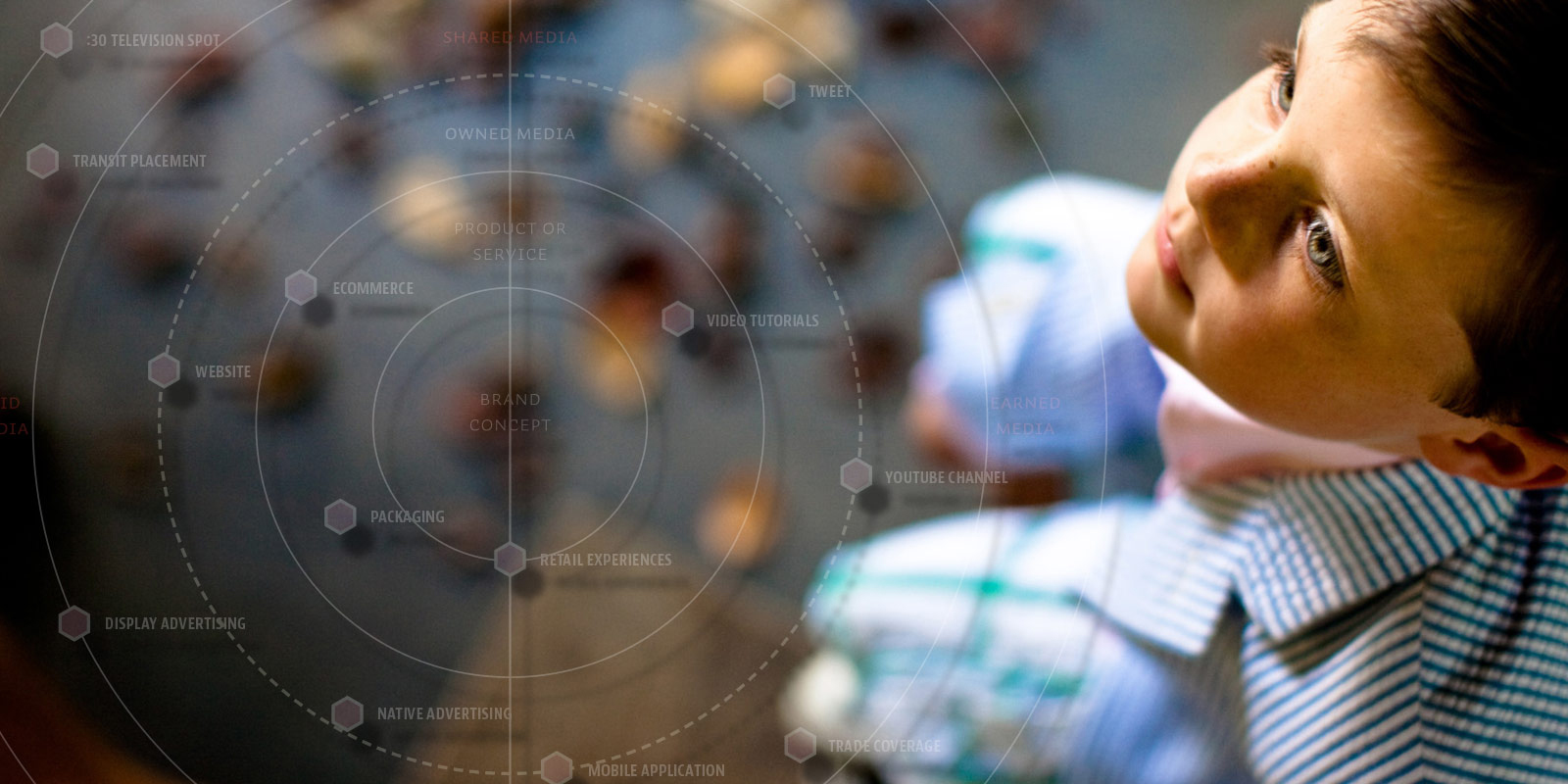
We partnered with Lancaster Market Intelligence to facilitate an ethnographic study to better understand the consumers in each of the four counties. An ethnographic study is an approach to qualitative research, which puts emphasis on an entire culture.

According to a survey by Columbia University decision researcher, Sheena Iyengar, the average American makes approximately 70 conscious decisions every day. In addition, a study conducted by MDI showed the number of ads that adults are now exposed to across all five media (TV, radio, Internet, newspapers and magazines) is about 360 per day; of these, only 150-155 are even noted, and far fewer make a strong enough impact to be recalled, make an impression and, ultimately, make a sale.

So, how do we reach and resonate with consumers when they are faced with so many choices? Based on social behavior, it’s easy to make assumptions. However, we knew in order to create messaging, we really needed to dig deep with the use of an ethnography study to understand how the communities live and consume on a daily basis.

“As marketers, we are engaged in a relentless effort to best understand human behavior, opinions and paradigms so effective products, services and communication devices can be developed and employed,” comments Chris Wise, chief research strategist. “We find it advantageous to not only conduct traditional research but to actually study WHAT they do along with what they SAY they do and understand.”

The study conducted by Lancaster allowed them to be fully immersed in the lives of the participants by observing and recording their action for a period of time.

Sixty people within the select counties were recruited to participate in the qualitative study—agreeing to record their sleeping, eating and leisure activities in a written journal and photographically.

 “It is one of the most intimate research tools marketers can use to truly understand and empathize with the population they desire to serve. Additionally, it helps manage any preconceived opinions so as to be ‘spot on’ with marketing activities geared toward the audience,” notes Wise.

The results of the study have given us an in-depth, up-close and personal look at day-to-day activities and key motivators of each community that we otherwise would not have known.

We, at Designsensory, firmly believe in collaborating with our clients to determine the best type of research needed in order to be as strategic and targeted with our brand and messaging as possible.
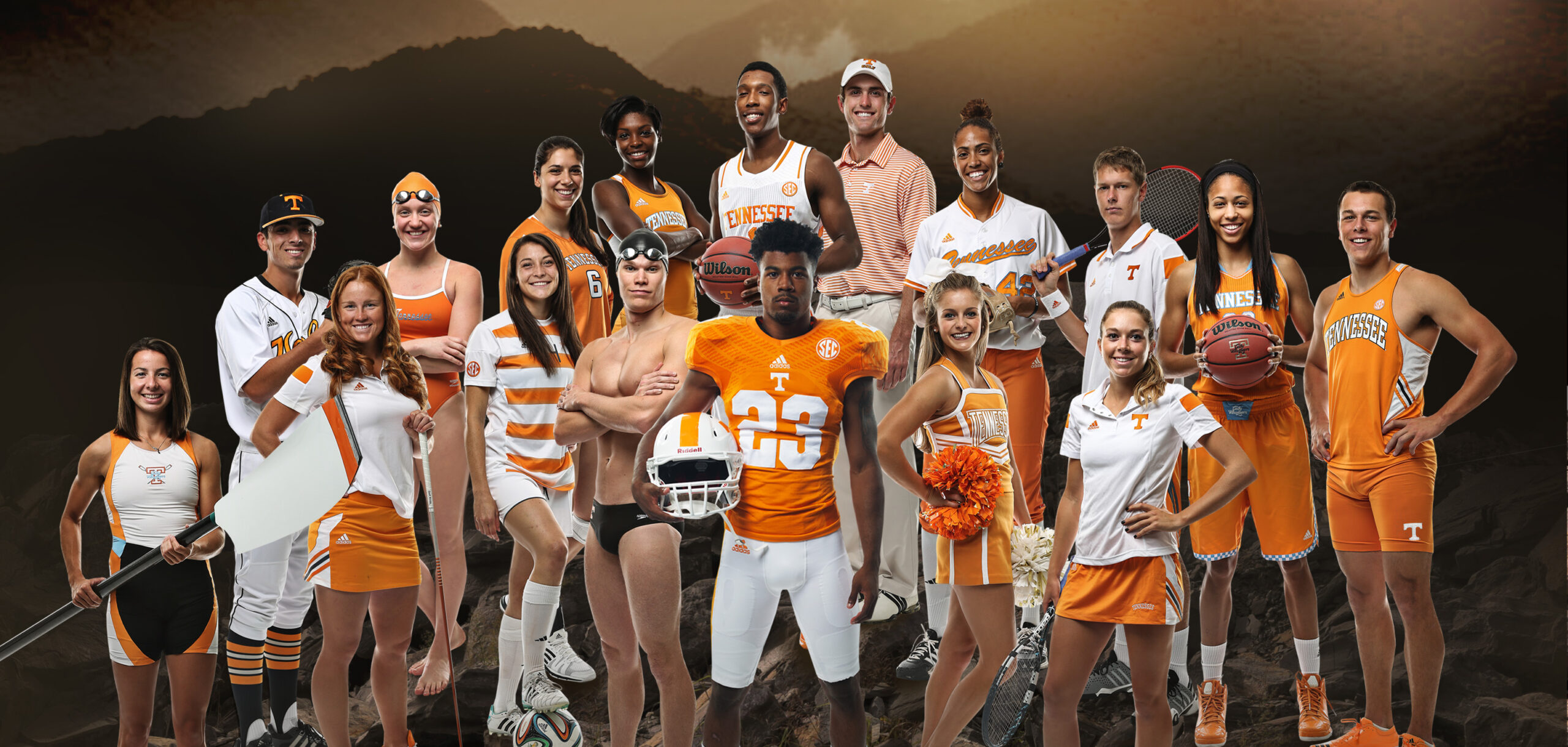

Designsensory and Tennessee Fund: 2015 Membership Guide 2015

Posted on by Chris Talbert

The 44-page printed piece showcases how the Tennessee Fund, with the generosity of donors, makes a difference and provides resources needed for student-athletes at the University of Tennessee to achieve excellence in both the classroom and competition.

The brochure captures the combined energy of the entire University of Tennessee sports community by highlighting individual student-athletes, as well as providing additional information on annual giving, membership tickets, premium seating and parking.

Overall, the brochure blends the message of rich history and heritage of the University of Tennessee’s athletics with today’s teams to showcase how Tennessee Fund members play a key role in the athletic department’s pursuit of comprehensive excellence.

For the 2015 guide, we worked with the Tennessee Fund development assistant to update the content and design of the fundraising brochure, giving it a new cover with a fresh feel but also keeping it consistent with the Tennessee Fund brand, such as overall colors, content and identity.

We look forward to continuing our work with the Tennessee Fund.

For more information on the Tennessee Fund, visit www.tennesseefund.org.

Go Vols!

Tennessee Uncharted: Increasing Exposure Through Video

Posted on by Chris Talbert

When Designsensory began working with Tennessee Wildlife Resources Agency on the concept for a new television show, we wanted to a look at current trends as well as the needs of viewers. With the rise of “reality” entertainment, the digital and mobile explosion, and rise of social and content-sharing networks, it was evident that viewers’ needs have evolved.

Tennessee Wildside, TWRA’s previous show, was a variety show in the traditional sense. Behavioral trends showed a rise in outdoor leisure activities versus traditional hook and bullet activities. It was evident that Tennessee Uncharted needed to extend the brand by showcasing what the Tennessee outdoors had to offer through hunting, fishing, and the gamut of recreation, but with the emphasis on outdoors adventure.

We also know there is more competition today when it comes to brand exposure, and engaging video is more important than ever. The new show would engage viewers by making them feel as though they are experiencing the action, with viewers becoming part of the show. What set Tennessee Uncharted apart from Wildside was that the show wasn’t about simply showing . . . but doing. Tennessee Uncharted tells the story through actual hands-on experiences.

In Season 1, the crew edited 16 episodes, running 26:47 in length, filmed in high definition, and they shot endless hours of beautiful video content and interviews. When edited, the additional footage provided snackable videos to be shared through social channels and websites, creating awareness for the show, TWRA, Tennessee tourism, and all involved.

PBS digital channels across Tennessee aired Season 1. In addition to the traditional television broadcast of Tennessee Uncharted, it could also be seen online via www.tnuncharted.com, Tennessee Uncharted YouTube channel, East Tennessee PBS app on smartphones, Apple TV, Roku box, Amazon Fire and Xbox.

As an extension of each episode, the Designsensory public relations team was able to share behind-the-scenes images, vignettes and teasers on Tennessee Uncharted social channels. Providing shareable video and imagery maximized exposure and shares each week. This contributed to the increase in views, ultimately leading to the show’s popularity and success.

In just over four months, the Tennessee Uncharted crew has a strong social media presence and following. To date, Tennessee Uncharted has 242 subscribers and more than 24,600 views on YouTube, 1,884 Facebook fans, 247 Instagram followers and 128 followers on Twitter.

The Tennessee Uncharted crew is well underway with Season 2.  Their work brings more ways to promote Tennessee’s uncharted territories and more creative ways to enjoy those recreational opportunities. 

Want to know more about how video content can extend your brand? Check out this month’s Utilize.

Why You Need Video Content to Tell Your Brand’s Story

Posted on by Chris Talbert

We are a visual society with a shrinking attention span. We love small doses of video that tug at our emotions. They make us laugh and cry, we relate and reminisce. These video snippets that are on websites and in our daily feeds are telling brand stories in snackable, shareable moment.

Do you have video in your latest marketing plan? Perhaps you should. The thing is, creating a video isn’t the hard part. It’s creating a video that tells your story in a way that is both engaging and shareable, that can be the challenge.

With strategic planning and determining how to evoke the right emotion in your target audience, video content can take your brand to a new level.

Does your budget have room for video?
Maybe the better question is, can you afford to not have it? According to a recent Aberdeen research, organizations using video require 37% fewer unique site visits to generate a marketing response.

Telling your brand story through video doesn’t have to cost a fortune. In fact, it’s more cost effective now than ever. Decades ago, traditional commercial and videos were much longer, but with the ever-shrinking attention span of today’s audience, the same message can be shared in a quicker, more cost-effective way.  Setting goals on the front end—to determine your needs and how to maximize the video, b-roll and vignettes in a way that allows you to tell your brand story through multiple facets—will give you the biggest bang for your buck.

Trending on social
Along with an uptick of shareable video content has come a shift in the way videos are performing on social media. According to new data from social media analytics company Socialbakers, photo posts are half as likely to be seen as are videos.

Looking at more than 670,000 posts by 4,445 brand pages (not including celebrity, entertainment or media pages) between October 2014 and February 2015, Socialbakers found that video posts had an organic reach of 8.71%, meaning that an average of nearly nine fans out of 100 see such posts. The reach was only 3.73% for photo posts, well below the results for text-only statuses (5.77%) and link posts (5.29%).

Taking it a step further with Advertainment
This is where advertising and entertainment collide. It’s utilizing various forms of entertainment to promote a product or brand. It’s going beyond the traditional 30- or 60-second commercial and using other creative ways to promote a brand. Today, we see brands everywhere. It’s not always obvious, but they are there. We see products through content sponsorship, product placement, branded short-form, performance and participatory art, episodic narrative and even cinematic long-form. 

At Designsensory, we believe in telling our client’s brand story in a way that intrigues, entertains and delights. How will you tell your brand story?

Meet Our Spring Interns for 2015

Posted on by Chris Talbert

Each year, Designsensory provides college students an opportunity to develop their skills with internships dedicated to giving the best experiences possible in an agency setting. Interns Alex Hunt, Greg Simpson and Alyssa Garbien are currently with us for the spring semester.

Alex Hunt

Alex, research and strategy intern from Morristown, TN, is a senior at the University of Tennessee and will graduate with a bachelor’s in advertising and with minors in business and psychology. When Alex isn’t at the office, she plays intramural soccer and is learning fun things to cook at home, such as zucchini and pita pizzas. Alex likes that Designsensory is a small, tight-knit group. She thoroughly enjoys the freedom she has to learn more about the advertising industry and the experiences she is getting in the field.

“Advertising is constantly evolving and becoming more effective and efficient,” says Alex. “It keeps you on your toes. If you want to stay current in this industry, you have to always be learning, reading and adapting.”

In the future, she wants to work where she can enjoy the type of work that she is doing now.

Greg Simpson

Greg is a web developer intern from Bristol, VA, and a senior in computer science at UT. Greg is not only a huge Game of Thrones fan but enjoys working on cars, attending shows and spending time playing video games to unwind. Greg likes the friendliness of Designsensory staffers and their passion for what they do. He feels good about the staff’s helpful approach and has a deep appreciation for the support shown him by team members Michael Pryfogle and Ian Fitz.

“I love working with software because of all the unique challenges and problems I get to solve,” Greg observes. “It keeps my brain busy and lets me be creative in how I go about approaching a problem and finding the solution.”

Greg is most interested in a job in software development engineering and architecting, but his overall goal is to work with a great team to collaborate on ideas.

Alyssa Garbien

Alyssa is a public relations and strategy intern from Shelton, CT. She is a senior at UT, pursuing a degree in communication studies. Alyssa enjoys hiking, attending concerts, the ocean, traveling, and playing board and card games. Alyssa likes the diverse range of clients and projects at Designsensory.

“I absolutely love the public relations side because of how creative you get to be,” Alyssa says. “It gives me a good feeling to know that I just helped a company or organization grow, even if what I contributed was a minor task.”

She likes working in an agency because she enjoys the close relationships the employees have with one another. In the future, she hopes to work in an agency and be involved with a nonprofit organization.

Is a DS internship for you?

Designsensory offers competitive internships to provide hands-on experience in graphic design, web development, strategy and public relations. If you are interested in working with us, take a look at our internships page. We will hire another batch of interns for the summer. We look forward to hearing from you!

The Importance of Content Marketing

Posted on by Chris Talbert

Content marketing continues to dominate in 2015. It seems that lots of people missed that memo. In fact, issues we regularly face with clients indicate that few people outside the marketing world even know what content marketing is. And, content strategy? They’ve never heard of it. So, let’s take a look at some common client questions.

What is content, anyway?
Isn’t content just a few words on a few pages? Actually, “we’ll be providing our own content” may be the undoing of the thought and hard work you put into your shiny new website or your latest marketing brochure.

Prateek Sarkar, creative director for the Walt Disney Company, has said, “Content is story. And content strategy is storytelling.” So, listen up. After all, who knows how to tell a story better than Disney?  

What’s wrong with our old content?
Perhaps nothing. For example, evergreen content, such as great white papers, is content that stays relevant and can establish you as a thought leader in your field. However, the world changes fast. So does language and the way we use it. And, people don’t buy the same way they did five years ago. With millions of websites competing with yours, you need fresh content to capture and inspire your audience and a strong strategy to sustain audience interest. 

Where do I start?
To tell your story in a way that resonates with readers and pays off at the bank, you have to ask the right questions and set the right priorities.

Margot Bloomstein, in her book Content Strategy at Work, writes, “Prioritization means holding your work and efforts accountable to a bigger plan, a sort of raison d’etre: why this and why now?”

  • Why are we doing this website/video/social media plan?
  • Who are we trying to reach? (HINT: “Everybody” is not the correct answer.)
  • What are we trying to communicate? What is the heart of our story?
  • What do we want our intended audience to do?

How do I create good content? 
Paul Grice, a linguist known for studying how people communicate, developed four maxims for conversation—a good place to start when you evaluate current or new content. 

The short version: Give readers content that is appropriate in quality, quantity, relevance and clarity.

Know your audience’s needs and tell them what they need to know, not what you want them to know.  Speak to them in language and tone they understand. 

Although Paul Grice didn’t ask me—from an editor’s point of view—I would add consistency to the list. From staying on brand to correctly employing all those pesky commas and apostrophes, errors and inconsistencies can confuse readers and redirect their focus in a negative way.

Why isn’t our SEO better? Or “Shhh! Don’t tell anybody.”
Your Search Engine Optimization depends on good content, thoughtfully written, organized for ease of use, with appropriate links. Cram a lot of keywords into every paragraph, and Google will punish you. “Borrow” from other websites, and, yes, Google will punish you.

One of the most common, and most counterproductive, mistakes we see is burying information deep within the site. Again, Google will punish you. Some clients are strangely shy, even secretive, about what they do. “We sell widgets, but we don’t want those words on the main page. Let’s get people deeper in the site before we start selling them.”

The bad news is twofold: 

  1. They won’t get deeper into the site if you don’t give them a reason to go there. 
  2. It doesn’t matter if you sell the most righteous widgets on the planet, nobody will buy yours if you don’t talk about them. 

Give them information up front. If your FAQs page is one of your most frequently visited areas, chances are good that you aren’t giving readers adequate information when they first visit your website. 

Above all, make it easy for potential customers to know what you do and why they should give you their business and their money. To do that, you need a marriage of great design, great content and the right medium for the right audience.

Designsensory Founders Named in ’40-Under-40′

Posted on by Chris Talbert

40_under.jpg

Congratulations to Designsensory’s founders Joseph Nother and Brandon Rochelle for being recognized in the eighth annual edition of the Greater Knoxville Business Journal’s 40 under Forty: The region’s Rising Stars!

When Designsensory was formed in 2001, Joseph’s design aesthetic coupled with Brandon’s technical expertise created a combination that helped differentiate it within the industry. At the intersection of culture, design and technology, it was always important to be craft-oriented: To produce quality material that is beautiful, inspirational and creative.

“I still obsess over beauty and meaning,” says Joseph. “Beautiful packaging design can telegraph a sense of respect and care not only for the user but for the planet. Thoughtful advertising can remind people of their own humanity. A funny Facebook post can make people laugh. These designed experiences, however small, have the ability to inform, persuade and influence. That has always excited me and always will.”

The branding and marketing industry is constantly evolving but, with the leadership of Joseph and Brandon, Designsensory has adapted to changing technology and media through the years while maintaining its focus on what really matters: creating moments that delight and inspire.

“Since our founding, brands are now perceived and experienced across a much more diverse set of touchpoints,” Brandon observes. “Navigating the complexities of how each of those technologies is unique while also staying consistent with brand messaging is difficult.”

Current consumers can easily become overwhelmed. Determining what information to provide and in what manner is just as important as the information itself. Adapting your message to a variety of channels (social media, press releases, blog posts, websites, mobile apps, videos, etc.) is paramount, as using the same content can make a brand seem unapproachable or out of touch. Our team is presented the opportunity and the challenge of balancing cohesion while also respecting the uniqueness of each platform.

Along with shifts in technology come changes in how we talk about process and progress. We hear more about mobile, social, programmatic and inbound. Now, Web 2.0 has been replaced with the Internet of Things. Fixed to fluid to adaptive to responsive. The design process became Design Thinking, which is really just Human Centered Design, which then became just one more method of sparking innovation.

“Progression is exciting, and adapting to new tools is very important, but the underlying needs of people remain the same,” Joseph comments. “For as much as methods have become more data-driven, targeted, tech-enabled and sophisticated, people still pine for moments that matter. They want to feel connected. They expect value and respect for their time, money, family and community. They want to be delighted and they are looking for a little joy. This has not changed.”

While Designsensory has adapted to a changing media and technology landscape, it has remained focused on connecting with people—not targets, segments or cohorts. And so, Designsensory helps brands tell stories and sell dreams and aspirations, not simply products or services.

Amid all the change, the brands that take the time to understand who they are, what they want to be, and how they make good on their promises in all those small moments, are the ones with staying power.

Today, Designsensory has more than 35 employees in Knoxville and Nashville. For the second year in a row, the company has been named one of the fastest growing companies in Tennessee by Inc. 5000. Read more about Designsensory in the latest edition of Cityview Magazine.

5 Trends for Tourism Organizations

Posted on by Chris Talbert

When the weather outside is frightful, it’s a good time to daydream about vacations and warmer travel destinations. No matter the season, our team at Designsensory is creating and developing ways to enhance travel, tourism and destination marketing. While some of you reading this may not be in the tourism industry, we’re sure these trends and our best-in-category solutions are insightful for every marketer.

Designsensory knows tourism. It shows throughout our process. From the first concepts we bring to our experienced, collaborative approach, we know how to create a brand that will entice visitors to destinations, intriguing and delighting them once they connect with our content. We’re driven by focusing on results—the results you, as a client, want to see—no matter the size or location of the destination. We’ve designed productive campaigns at the state and regional level, as well as county, city, neighborhood and district initiatives.

We are more than merely part of a conversation with your team. To help get the destination story started, we’re comfortable guiding digital and integrated problem-solving, asking and answering questions, and engaging in a collaborative approach. Let’s look at five trends for destination marketing and what we’re doing to stay ahead of the curve. 

Expand Your Communication Goals
Shift all-important key performance indicators, KPIs, for your digital and integrated efforts from travel guides mailed, heads-in-beds or butts-in-seats to encompass more moments throughout a journey. We’ve helped spur success for destination clients by focusing on measurement categories of demand, engagement and conversion with separate KPIs for each.

Measuring Demand
KPIs: unique visits, inbound links, referrals, social shares, likes

Measuring Engagement
KPIs: time on site, page shares, video views, partner page views (value to partners)

Measuring Conversion
KPIs: vacation requests, itinerary planning, retrospective travel, click-through rates on partners 

Embrace Seamlessly Sharing Your Destination
We know sharing is fundamental to social media. Sharing your story in content and creativity with other Destination Marketing Organizations (DMOs) can also enhance your destination’s brand efforts. Rather than a singular focus on what your community has to offer, recognize that your location is one of many stops. Showcasing the destination connections helps visitors piece together their larger journey.

Designsensory partnered with the Tennessee Department of Tourist Development to create 16 apps for Tennessee’s Trails and Byways program. DMOs and CVBs across the state collaborated to enhance each trail app, bringing together a seamless, shared story. 

Integrate Communication Efforts
Whether your audience is a tour group, a business looking to relocate, weekend road trippers, conventioneers, locals, the travel press or others, developing an integrated campaign focused on each segment will allow your destination to create moments that connect on any device, from desktop to tablet to mobile and in the spaces and places that matter.

Among other initiatives, the Tennessee Department of Economic and Community Development motivates businesses, musicians, entertainers and filmmakers to live, work and perform in Tennessee. Our integrated campaign efforts to help achieve these goals included original photography, video and development of websites and print pieces.

Remember Residents
Destination marketers that stay focused on travelers and tourists may be missing out on one of their most important groups—residents of that community. Even if your website isn’t targeting tourists—rather, focused on the people who live and work in your area—a compelling digital presence can play a key role in community building, promotion and DMO performance.

Designsensory is working with the city of Milton, Georgia, to develop a new website that goes beyond the typical bureaucratic site and promises personalization, highlights the relationship between the city and its residents, and spotlights relevant and timely news.

Create Never-Ending Content Wells
Rarely does anyone want that perfect vacation or destination visit to end. Neither should your content. Social media and content calendars, public relations and other campaign efforts create strong connections. Travel happens in stages: daydreaming, researching, planning, visiting, sharing, decision-making, booking. And, if the experience is wonderful, often we make plans to revisit the destination. When a vacation comes to an end, engagement with that destination and your connection with the experiences can continue.

We’re always proud to celebrate this great state, and its new travel website—as well as producing and developing the state’s most impactful seasonal advertising campaign to date, with original photography and videos spotlighting regions. The experience was an amazing chance to showcase the Volunteer State and welcome everyone to Tennessee. 

Remember, there’s more to tourism marketing than just getting the information out there. Our campaigns work to move people from destination awareness to folks sharing stories, then all the way to planning a return trip. We’re excited to be your travel partner throughout the journey.

The Importance of Rich Media in Integrated Marketing

Posted on by Chris Talbert

At Designsensory, we believe in the power of richly crafted stories. We’ve been hard at work (and having lots of fun) with our production partner, PopFizz, creating rich media that helps clients promote their brands. We’ve collaborated with PopFizz on photo and video shoots from Anderson County, Tennessee, to Cook Inlet, Alaska. On the ground and in the air, on four-wheelers and oil rigs, we’ve captured amazing images that tell great stories.

PopFizz’s talented photographers and production staff are a perfect accompaniment to our creative crew here at Designsensory. Our philosophy is to create moments of truth—experiences that inspire people to act. As our name implies, we’re about connecting all the senses and integrating across print, digital, video and beyond. Our relationship with PopFizz adds that extra layer of value that helps us offer fully integrated solutions for our clients. Below are some examples of how our partnership with PopFizz has enhanced some of our work.

When one of our clients, PetSafe, wanted an online video and national commercial, along with photography for print ads used in a national campaign, we called in the PopFizz crew. Our team wrote the scripts, found the talent, scouted the locations, and designed the look of the videos and photographs to satisfy the goals of the advertisements. After all the prep work, we partnered with our PopFizz friends to carry out the task of producing images that would fit perfectly with the campaign’s overall look and feel.

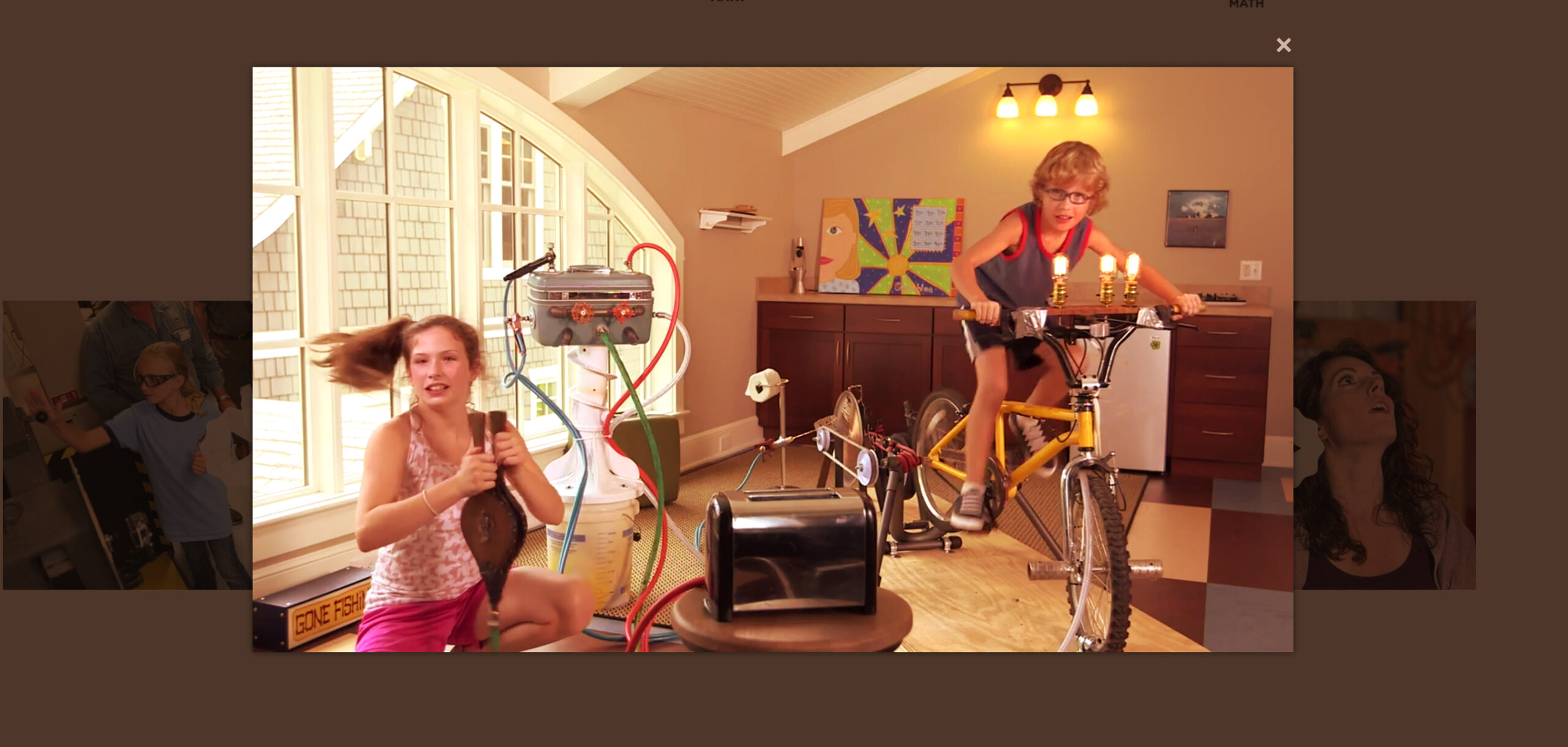
For STEM Scouts, a new educational program from the Boy Scouts of America, our collaborative work with PopFizz ran the gamut from scriptwriting to postproduction. Together, we captured still photos of students as they did experiments. We built a Rube Goldberg machine for a television commercial. In keeping with the purpose of the program—to educate youth about Science, Technology, Engineering and Math (STEM) through hands-on learning—we used footage of the cast and crew shot during production for a fun and educational, behind-the-scenes video.

No place is too far to go for great shots, not even Alaska. Earlier this year, Bryan Allen and his PopFizz crew got a bird’s-eye view of beautiful Cook Inlet, shooting breathtaking images of the oil drilling operations of Designsensory client Miller Energy. By working closely with PopFizz, we were able to capture the images we needed, in the way we needed them, to use across several of Miller Energy’s print and electronic pieces.

In Anderson County, PopFizz and Designsensory covered four-wheelers, museums, water sports and wildlife. Web-based video and still photography for Big South Fork Air Park promoted the community’s airstrip and equestrian facilities. Footage shot with our drone helps promote industrial sites across the state for the Tennessee Economic Development Commission. That’s right, we have a drone, and we’re not afraid to use it.