Author: Hunter Foster

Our Entries for the 61st Annual American Advertising Awards

Posted on by Hunter Foster

We’re so excited to share that our team has officially submitted several standout projects to the American Advertising Federation (AAF) Knoxville Awards.

Being based in Knoxville, Tennessee, we take so much pride in the work we produce for both local and national partners. This year’s submissions span a wide range of disciplines—from immersive branding and AI-driven social content to high-profile web experiences.

Here’s a look at our 2025-2026 Addy entries:

Zoo Knoxville – “Aviary: A World of Wonder” Campaign

  • Best of Show + Gold

For the launch of Max’s Aviary, we built a campaign celebrating macaws as nature’s most vibrant storytellers. Vivid, National Geographic–style portraits and evocative headlines invited guests to see these birds as dazzling, intelligent, and worthy of awe.

  • Credits: Ben Maxey, Chris Cable, Ilana Stark, Kate Ambos

Designsensory – Brand & Website

  • Gold

Our own flagship digital experience! Rebuilt from the ground up, the new DS website embodies our evolved identity: bold, intelligent creativity rooted in strategy. It functions as both a brand flagship and a high-performance business development tool.

  • Credits: Ben Maxey, Joseph Nother, Erik Vass, Ryan Lee
Raptor Coffee Social Media AI Content

  • Judge’s Choice + Silver

To match the bold character of Raptor Coffee, we brought their mascot, Wyatt the Raptor, to life using 3D modeling and cutting-edge AI technology. This project let us create high-volume, high-quality animated content that’s as layered as the coffee blend itself.

  • Credits: Ben Maxey, Hunter Foster, Ilana Stark, Joseph Nother, Chelsea Penticuff, Abby Webb

Bush’s Beans – Bluey Web Campaign

  • Silver

Collaborating with the global phenomenon Bluey, we developed a digital hub for Bush’s Beans that felt like an extension of the Heeler family home. Featuring interactive “sticker” animations and thematic recipes, the site successfully bridged the gap between fan engagement and in-store purchase.

  • Credits: Ryan Lee, Courtney Borgers, Colby Johnson, Kate Ambos

South Dakota Governor’s Office of Economic Development – “Open for Opportunity” Campaign

  • Silver

Tasked with attracting business and talent to the state, we developed the “Open for Opportunity” campaign. By featuring real people from successful companies instead of stock imagery, we built an authentic and persuasive narrative for the state.

  • Credits: Ben Maxey, Joseph Nother, Erik Vass, Ryan Lee, Chelsea Penticuff, Abby Webb

Our Other 2026 Entries:

South Dakota Governor’s Office of Economic Development – Branding

We executed a comprehensive brand architecture overhaul for the South Dakota Governor’s Office of Economic Development. The new system includes a modern brand mark inspired by Sioux tribal motifs, symbolizing precision and momentum.

  • Credits: Ben Maxey, Joseph Nother, Erik Vass, Ryan Lee, Chelsea Penticuff, Abby Webb

Arrowmont School of Arts and Crafts – Branding

Honoring 80 years of legacy, we reimagined the brand for Arrowmont School of Arts and Crafts. The new visual identity features the “Arrowmont Alpha”—a symbol designed for artist reinterpretation—and a modular design philosophy that echoes the creative process.

  • Credits: Erik Vass, Joseph Nother, Ben Maxey, Chris Wise, Ryan Lee, Barry Hylton, Chris Talbert, Courtney Borgers, Mary Blair, Jenna Newton

Good Gravity Entertainment – Branding, Video, Web

To launch our new unscripted entertainment division, we developed a modular, lunar-inspired “G” mark. The identity system is future-proof, anchoring everything from broadcast lower-thirds to responsive web layouts.

  • Credits: Ben Maxey, Joseph Nother, Erik Vass, Ryan Lee

Designsensory Boosts Strategic Communications and Public Relations Capabilities with Ackermann Marketing & PR Integration

Posted on by Hunter Foster

The combined team expands earned media, advisory, and reputation offerings to meet the evolving demands of AI-driven communications

KNOXVILLE, Tenn. – February 17, 2026 – Designsensory, an award-winning branding, digital, and creative agency, today announced a strategic integration with Ackermann Marketing & PR, a nationally respected public relations and strategic communications firm with four decades of proven results. The combination brings together two industry-leading teams, uniting deep expertise in storytelling, digital innovation, brand strategy, PR, and design into one fully integrated agency under the Designsensory brand. 

Ackermann Marketing & PR, founded by Cathy Ackermann in 1982, has built a legacy as one of the most trusted and influential communications firms in the Southeast. Known for its excellence in strategic counsel, crisis communications, thought leadership development, and long-standing client partnerships, the firm has shaped brands locally, regionally, and nationally for more than 40 years.

Designsensory, co-founded by Joseph Nother and Brandon Rochelle, is recognized for its creative excellence, digital-first mindset, research-driven strategy, and award-winning work across industries including tourism, education, healthcare, and consumer brands.

Together, the firms will introduce a new standard for creative and strategic communications in the region and beyond, offering clients a rare combination of insight, innovation, and execution under one roof. As part of the transition, Ackermann Marketing & PR’s team and client relationships will move into Designsensory, creating a seamless path forward for clients while preserving the high-touch counsel and reputation-focused work the Ackermann firm is known for.

“As AI floods the market with more content, what brands need isn’t just more, it’s meaning,” said Joseph Nother, Co-Founder and Principal of Designsensory. “Earned media builds trust where automation cannot. By integrating with Ackermann Marketing & PR, we’re not only strengthening PR, we’re expanding its impact beyond earned media into branded content, original storytelling, and high-engagement channels such as events, experiential activations, and influencer partnerships. This is a strategic leap that pairs creative and digital depth with the credibility today’s audiences demand.”

According to Nother, the transition is designed to ensure continuity, while expanding the depth and breadth of services available through Designsensory’s broader creative, digital, media, and research platform. The combined firm will operate under the Designsensory brand, with expanded strategic services, deeper industry expertise, and a more comprehensive suite of capabilities.

With the integration, Erin Burns Freeman will join Designsensory as Vice President of Communications, leading the agency’s strategic communications and public relations practice. Freeman brings more than 20 years of experience advising brands, institutions, and executives on reputation management, crisis communications, thought leadership, and multi-sector strategic planning.

“This move allows us to deliver for our clients at a much higher level with more integrated, reputation-centered communications solutions,” said Freeman. “Joining Designsensory allows us to build on Ackermann Marketing & PR’s legacy with even greater creative power, digital capabilities, research insight, and storytelling depth. Together, we are creating an agency that is both deeply rooted and boldly future-focused. I could not be more excited for this next chapter, for our clients, our team, and the communities we serve.” 

Cathy Ackermann will support the transition in an advisory role to ensure continuity for clients and to help steward long-standing client relationships during the integration.

“Ackermann Marketing & PR has always been about impact, integrity, and partnership,” said Ackermann. “I have long admired the work and culture of Designsensory as they are creative, innovative, smart, and strategic. This move ensures that our legacy will not only be preserved, but elevated as it creates a unified agency platform that brings together our combined expertise to better support clients across industries and communities.” 

“With this partnership investment, Designsensory is well positioned to become one of the most comprehensive and forward-thinking marketing agencies in the region with national ambition.” Nother added. “I am excited to see what we will accomplish together.”

###

About Designsensory:
Designsensory is a full-service research, strategy, branding, digital, creative, and content agency headquartered in Knoxville, Tenn. Known for its innovation, storytelling, and data-driven approach, Designsensory partners with clients to solve complex challenges and drive measurable results across industries including tourism, education, healthcare, and consumer brands. The agency also includes sister brands Good Gravity, PopFizz, and Designsensory Intelligence (DSI), expanding its capabilities across content production, experiential marketing, and advanced research and analytics. For more information visit www.designsensory.com.

About Ackermann Marketing & PR:
Founded in 1982 in Knoxville, Tenn., Ackermann Marketing & PR is a nationally respected strategic communications firm known for its expertise in public relations, crisis communications, thought leadership, community engagement, and client partnerships spanning decades. Ackermann has helped shape brand reputations across the nonprofit, corporate, government, education, and financial sectors with integrity, insight, and impact.

Our 2025 Year in Review

Posted on by Hunter Foster

As we wrap up 2025, we can’t help but feel incredibly grateful. This wasn’t just a year of growth, it was about strengthening our foundation and getting crystal clear on where we’re headed. With our 25th anniversary coming up in 2026, we’re looking back at a year packed with major awards, strategic acquisitions, and partnerships that truly moved the needle.

Here’s what made 2025 one for the books.

Growing Our Team and Our Capabilities

This year, we made some big moves to level up both our work and our culture.

We brought on some serious talent – Stuart Hohl, Brian Fuson, and Lauren Schuster  – to join our Client Services, Creative, and Business Development teams, and they’re already bringing fresh energy and perspective to everything we do.

We also unveiled our agency rebrand, finally aligning our look with the forward-thinking work we’ve been creating all along.

But the biggest game-changer? Acquiring our sister production company, PopFizz. Bringing their incredible production capabilities in-house means we can move faster and push creative boundaries like never before.

Winning on the National Stage

Our work kept getting recognized in some pretty big places this year.

We took home a National Gold ADDY for our Wicked activation in Regal Times Square—a project that was equal parts crowdpleasing spectacle and behind-the-scenes execution.

And we won a People’s Voice Webby Award for Food Network Obsessed, which shows we’re leading the way in the ever-changing digital and audio world.

Building Partnerships That Matter

From our Tennessee backyard to regional powerhouses, our 2025 partnerships have been all over the map (in the best way):

In sports and entertainment, we deepened our relationship with The Volunteer Club by helping the NIL collective shift into its next era and partnering with them for the launch of a new University of Tennessee athlete interview broadcast series, Beyond the Orange.

We’re supporting The Memphis Chamber (the 2025 ACCE Chamber of the Year) on their innovative Digital Delta initiative, which is economic development work we’re really proud of.

On the tourism front, we’re deepening our roots in Gatlinburg by working with The Greystone Lodge. And, we partnered with the Tennessee Department of Tourist Development to launch a social media training program for counties across the state—something we’re excited to keep building next year.

Our media and experiential team has been busy with Discovery Park of America and Covenant Health, handling everything from influencer partnerships to traditional media buying. While our interactive and creative teams are continuing to grow our longtime relationships with Rock City and Bush’s Beans.

We also kicked off exciting new work with the Bowling Green Area CVB, helping tell their story in fresh ways through research and branding. And we’ve got a surprise up our sleeve—a whisky account we’re not quite ready to announce yet, but trust us, it’s worth the wait.

Where We’re Headed Next

As we head into 2026, a year in which Designsensory will turn 25, we know exactly where we’re focused. We’re leaning into AI to help us do more, faster. By automating the repetitive stuff, we’re freeing up our greatest asset: our people. The goal for 2026? Let technology handle the data and the grunt work, so our team can focus on what humans do best—the strategy, the empathy, and those wild what-if ideas that only people can dream up.

Beyond workflows, we’re also expanding our services to stay ahead of AI’s impact on digital marketing—things like GEO (Generative Engine Optimization)—while doubling down on what we’ve always done well: building interactive tools and systems now powered by AI.

Thanks for an Incredible Year

To our clients, our team, and our community, thank you! We’ve spent 24 years building something special, and heading into year 25, the momentum has never felt stronger.

Let’s keep breaking the mold in 2026. 

Aisle to Algorithm: From Shelf Space to Screen Space

Posted on by Hunter Foster

In 2024, U.S. brands spent nearly $80 billion on social, almost double 2020 levels. Add in TikTok’s rise, Instagram’s influence on food culture, and the explosion of influencers-turned-brand-founders, and the story is clear: the algorithm is now the new aisle. What people see, scroll, or binge is shaping their carts just as much as what they notice in-store. Shelf space still matters, but now screen space holds just as much weight if not more.

That’s a hard pill to swallow for many. For decades, CPG marketing was basically a street fight for shelf space. Endcaps, coupons (aisle dispensers, anyone?), and cardboard cutouts. If you won the aisle, you won the sale.

Shelf space still matters, but today the scroll shapes the cart.

The Old Model vs. The New Reality

  • Old world: Retail was king. You fought for visibility in-store, maybe layered on some coupons or a catchy jingle. Consumers still waited hours outside in the cold for Black Friday deals found in the latest circular only to be nearly trampled by a stampede of fellow bargain hunters.
  • Now: Consumers discover in a dozen places before they ever hit the aisle: Instagram recipes, podcast ads, YouTube pre-roll, TikTok influencers, and the relentless push of deals through a phone app.

In other words, the aisle is no longer the finish line. It’s just one of many pit stops in the consumer journey.

What “Aisle to Algorithm” Really Means

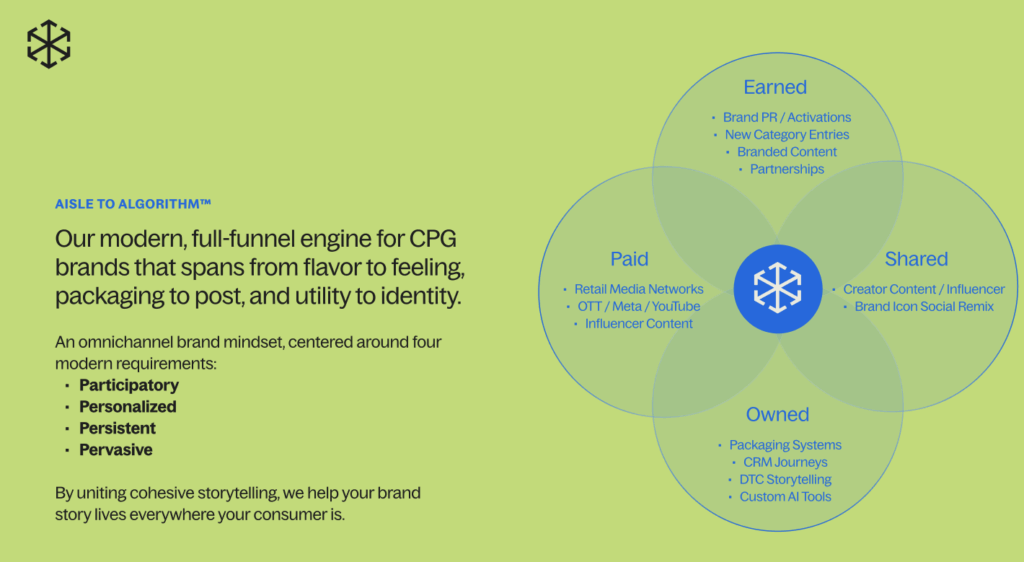
It’s not a buzzword, but it is catchy. Maybe even genius, if I do say so myself. Winning today requires brands to show up across four realities: Participatory, Personalized, Persistent, Pervasive. Let’s break it down:

Participatory: People don’t just buy products, they remix them, review them, and meme them. Your brand needs to be co-created or it won’t be celebrated. Think of it as giving consumers the pen.

Example: Olipop tapped into TikTok by inviting fans to remix their product in wellness routines and mocktail recipes, turning consumers into brand storytellers.

Personalized: Algorithms curate everything, from dinner recipes to what’s in their Amazon cart. Brands must lean into data-driven storytelling.

Example: Magic Spoon leaned on algorithm-driven ads to deliver custom flavor bundles to health-conscious millennials, showing how personalization can drive conversion.

Persistent: Once the cart rolls away, the story shouldn’t end. Smart brands live on in content, rituals, and moments people seek.

Example: Unilever is shifting half of its ad spend to social and multiplying influencer partnerships, demonstrating how legacy brands are working to stay present in the scroll long after the first purchase.

Pervasive: Shelf, screen, and stream aren’t silos. They’re all part of the same funnel. When your brand shows up everywhere with consistency, it feels less like advertising and more like belonging.

Example: Graza built ubiquity by pairing striking packaging with viral Instagram and TikTok moments, creating consistency across shelf and screen.

Challenger vs. Legacy: Two Paths to the Same Shelf

  • Challenger brands like Olipop, Magic Spoon, Graza, and Fishwife prove how a social-first approach builds momentum that eventually translates into retail success. Screen presence pulls them into the aisle.
  • Legacy brands like Unilever and PepsiCo are learning to invert the old model, using social-first strategies to keep their dominance as consumers shift attention away from shelves to screens. Aisle visibility now follows algorithmic relevance.

Both paths point to the same truth: screen and shelf are inseparable.

Opportunities for CPG Brands

  • Retail Media Networks: The new prime shelf.
  • Influencer & Creator Spaces: Digital word-of-mouth with infinite reach.
  • DTC Storytelling: Build loyalty beyond the promo code.
  • Media & Memory: Own the moments that stick, from podcasts to OTT.

The Takeaway

Aisle to Algorithm isn’t about abandoning retail. It’s about making sure your brand story lives everywhere your consumer is. From packaging to post, utility to identity, the brands that succeed don’t just show up—they show up in ways people remember, repeat, and share.

Because today, algorithms don’t just decide what you binge-watch. They’re deciding what you cook, crave, and carry home.

A Question-Based Challenge

You’ve seen what it takes to win in this new era. But let’s be honest: is your brand built to be participatory, personalized, persistent, and pervasive?
Is your social strategy just a series of posts, or is it a cohesive story that pulls consumers from the scroll to the shelf? Are you treating retail media like an afterthought or the new prime real estate it is?

The aisle to algorithm journey is a a race for relevance, and the winner will be the one who owns the story on and off the shelf.

Designsensory Wins National Silver ADDY for Regal’s Wicked OOH Installation

Posted on by Hunter Foster

We’re proud to share that Designsensory has been honored with a National Silver American Advertising Award (ADDY) for our work on a one-of-a-kind out-of-home (OOH) installation promoting Wicked for Regal Cinemas.

This immersive experience brought the magic of Oz to life in a Regal lobby in New York City, where influencers were greeted by a massive screen and a mysterious, booming voice from “behind the curtain.” Just like the Wizard himself, our live performer (our very own Brad Carpenter) interacted with guests in real time, welcoming, joking, and surprising audiences with personalized banter. The result? A theatrical, larger-than-life experience that blurred the lines between marketing and movie magic.

The activation transformed a simple lobby into a moment of wonder and connection, perfectly aligned with the spirit of Wicked, and drew crowds that lingered, laughed, and shared.

Our thanks to the Regal team, who helped make the vision real through creative, technical, and logistical wizardry to the table. This award is a recognition of what’s possible when experience design meets showmanship.

More to come—this is only the beginning.

A Fly in the Soup: The Art of Disruption

Posted on by Hunter Foster

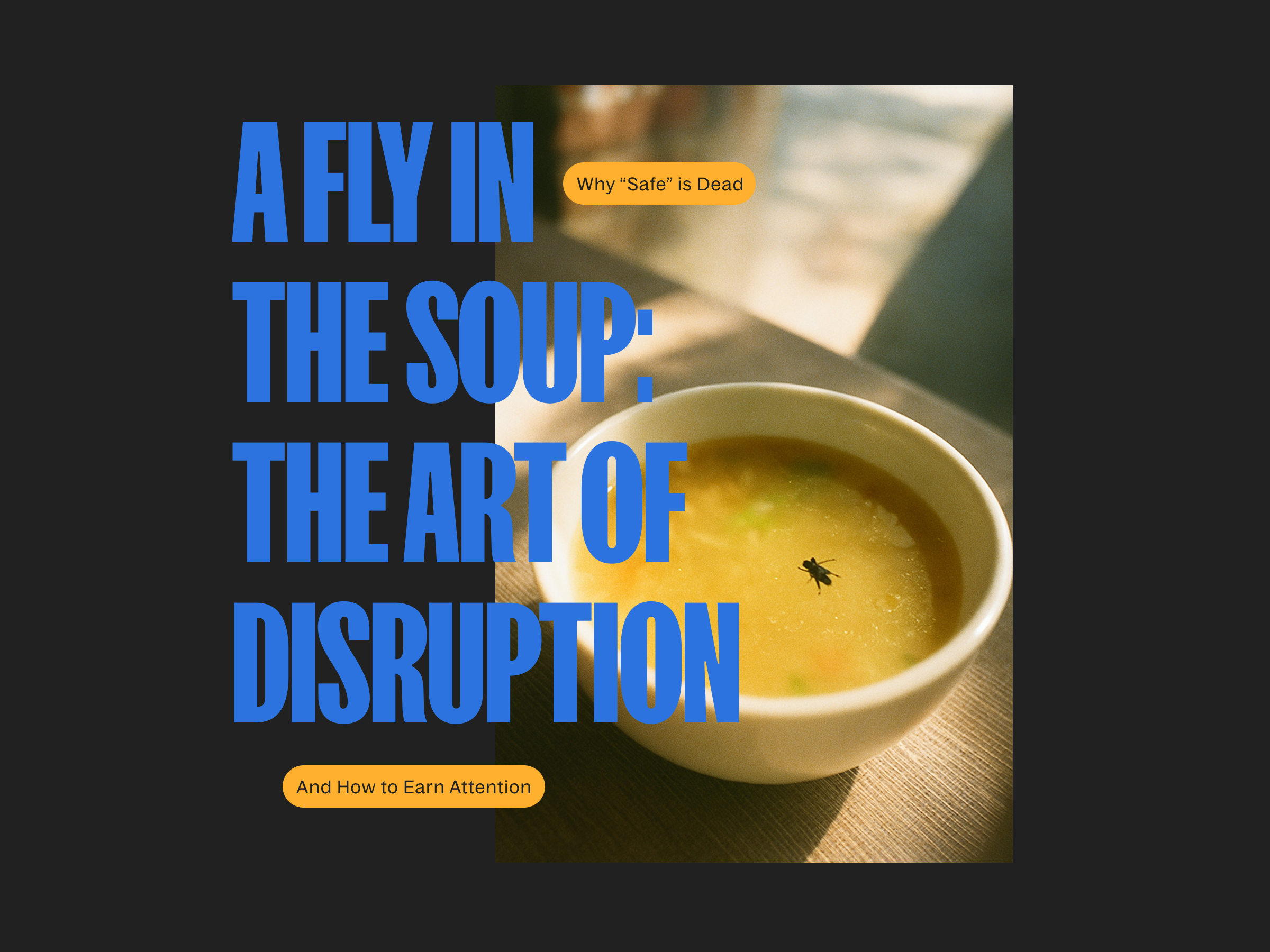
There’s something so wonderfully disruptive about the age-old idiom “a fly in the soup.”

Why? It’s not just simply because the meal is ruined. No… It’s the story. It’s the moment. And while every other bowl vanishes in conformity, our soup makes a scene. In a world of polished perfection, it reminds us that something unexpected can still happen. 

Brands, take note. Conflict isn’t a catastrophe. It’s the beginning of a story. 

These days, audiences are not seeking polish. We don’t care about purpose. Give us presence.

In an age of overstimulated scrolling, attention isn’t just a commodity—it’s the whole damn economy. Being seen, remembered, talked about… that’s the mission. That’s the quest.  

Because here’s the truth: your audience owes you nothing. No loyalty. No eyeballs. No clicks. If your message doesn’t arrest their dopamine-depleted brains in under two seconds, it doesn’t matter how noble your purpose is or how sustainable your packaging may be.

We live in the golden age of distraction. TikTok chefs pull more viewers than broadcast networks. Cartoon mascots trend harder than Oscar winners. And somewhere, a man livestreaming clipping his toenails has a bigger audience than the entirety of your last campaign.

To be ignored is the default. To be memorable is divine.

To truly ascend—to become what we’ll call a branding god—you have to be more than visible. You have to be irresistible.

But most gods are boring.

The God of Strategy, a rigid deity, all metrics and no mood. The Goddess of Synergy, humming softly in corporate sans serif. The Sacred Duo of Budget Spreadsheet and ROI, whispering from behind the legal table. A divine yawn. 

Keep your day job, Odin. Nobody gives eye contact to Hermes. I don’t want to be Apollo. I want to be Loki.

The trickster. The chaos agent. The one who tosses the fly into the soup, then waits to see who screams and who laughs. Because that, dear reader, is what gets remembered. That’s what gets shared.

Everything Is Entertainment

In 1985, ABC, CBS, and NBC had a 70% share of TV viewership. Today, that’s barely 30%. The top MrBeast video makes SNL look like a high school talent show. A Duolingo owl flirts with Dua Lipa on TikTok and hijacks Super Bowl conversations. 

This isn’t about being “fun.” It’s about being entertaining. There’s a difference.

A fun brand might drop a meme now and then. But… An entertaining brand creates culture. It shows up as a character, builds worlds, tells stories that ripple outward across platforms and group chats.

The data backs this up. According to the Entertainment Index, the top 30 most entertaining brands on earth aren’t just viral—they’re profitable. 67% reported double-digit growth. Nearly all of them saw revenue increases. Not because they’re “cool,” not because they “caught a trendy vibe” … but because they understood something most brands have forgotten:

There are no categories anymore. No industry lines. Just the great screaming maw of culture devouring content 24/7. And brands? They’re snacks.

Most of you are in denial. You think you’re building brands. You’re not. You’re auditioning. In a multi-billion-dollar talent show with a million distracted judges. And they swipe with impunity.

Characters Win, Campaigns Die

Forget “brand consistency.” Let’s talk Brand Lore.

Duolingo doesn’t have a brand. It has a sentient, slightly unhinged owl with a TikTok problem. Liquid Death sells canned water… Canned water! But, by the gods, these storytellers have become the face of disruptive, entertaining marketing. 

Characters. Narratives. Universes. Not logos. But… mythologies.

Every touchpoint is another page in the story. Every merch drop, another prop in the play. Every comment section, another line of dialogue in an ongoing improv performance.

And these stories don’t require love. They require attention. The data showed that the top brands didn’t even score highest in trust or memory. They scored in humor, social shareability, shock, and character.

In other words: Stop trying to be liked. Start being watched.

Hire the Freaks, Find the Fire

You can’t create this kind of fire with stock assets and a whiteboard.

To be entertaining, you need un-standard talent. Bartenders. Dungeon Masters. People who juggle for fun. YouTubers. Failed comedians (this one hits close to home lol!). Creatives who’ve lived inside the feedback loop of an audience’s attention, not just watched a webinar about it.

And increasingly, brands are letting them lead. Doritos gave the Super Bowl keys to a couple of unknown content creators and got one of the best-performing chip ads in seven years. Duolingo’s TikTok reign was architected by a fresh-out-of-college Gen Z’er who turned a green owl into a national icon.

Entertainment doesn’t start with strategy. It starts with guts.

The Gospel of In-House Hollywood

And now, the good news.

Some of us have seen the light. And we’re building churches—not for conversion, but for creation. We call it: In-House Hollywood.

Designsensory doesn’t have departments. We have writers’ rooms. Our briefs don’t read like project charters. They read like pilots. Series arcs. Plot twists. Our productions don’t feel like ads—they feel like episodes. Like sketch comedy. Like something you’d actually watch on purpose.

We don’t pitch “deliverables.” We preach the gospel of earned attention.

The brands that embrace this model are the ones turning marketing from background noise into bingeable narratives. They’re not buying space in culture. They’re making it. Owning it. Becoming it.

Because when you treat every campaign like a cold open, every product like a prop, and every post like a punchline—the audience comes back. They subscribe. They share the sermon.

So yes, be the fly in the soup, the pickle in the punchbowl, the sock in the salad. Be the thing people remember, even if it unsettles the palate. Be weird. Be risky. Be wildly, wonderfully entertaining.

Because in this pantheon of branding gods, safe is dead. And the trickster is king.

The Food Network Obsessed Fans Have Spoken and We’ve Got the Webby to Prove It

Posted on by Hunter Foster

After numerous years of nominations, Food Network Obsessed has officially claimed the 2025 Webby People’s Voice Award in Podcasts: Television & Film.

This isn’t just a win for the show, it’s a win for superfans, for storytelling that sticks, and for the team that’s been shaping it from day one.

Hosted by food blogger and former ESPN anchor Jaymee Sire, Food Network Obsessed isn’t just a podcast, it’s your VIP pass to the culinary world’s biggest personalities. 

Each week, Jaymee Sire sits down with Food Network chefs, influencers, and creators to talk food, fame, and everything in between. From the best bites to the biggest behind-the-scenes fails, no topic is off the table. Whether you’re tuning in for pro tips or just want to know what it’s really like on set, this show serves it up hot.

“This award reflects the energy we’ve poured into every episode, from research to edit lock,” said Brad Carpenter, VP of Engagement at Designsensory. “We know we have something special, and now the fans have backed that up. We couldn’t be happier for Food Network fans, our partners, and Jaymee.”

With 16 seasons, 170 episodes, and guests like Michael Symon, Maneet Chauhan, Brooke Williamson, and Bobby Flay, the podcast has become a go-to for food lovers and Food Network loyalists alike.

“I’m proud of the craft, the team, and the staying power of this show,” said Madelyn Cunningham, Head of Development at Good Gravity Entertainment. “To be recognized by the fans makes the tight schedules and extra love we pour in all worth it.”

“It’s difficult to break through and have staying power in the current content climate,” said Madelyn Cunningham, Head of Development at Good Gravity Entertainment. “But our attention to detail in crafting compelling interviews that capture each guest’s unique point of view resonates with our listeners.”

Shout out to our internal production leads, Brad Carpenter and Bonnie Adams, as well as our partner Madelyn Cunningham, whose vision and production chops helped this podcast evolve into an audience favorite.

🎧 Catch Food Network Obsessed on Apple Podcasts, Spotify, or wherever you stream your favorites.

Agency News: The Foundation for a Great Year

Posted on by Hunter Foster

What a start to the year. Based on just these first few months of 2024, we’re excited to see where the rest of the year will take us. Read on to find out what we’ve been up to and where we’ve been.

So You Think You Can Sing

Well, do you? If so, good! We recently helped Bush’s Beans launch a campaign called The Musical Fruit Contest, which will award one lucky winner $10,000, a trip to the Grand Ole Opry, recording studio time and – last, but not least – a lifetime of Bush’s Beans. Warm up those pipes, prepare your rendition of “beans, beans the musical fruit, the more you eat…” and post it on Instagram or TikTok using #TheMusicalFruitContest to enter. 

Alright, so what if you can’t sing? Can you roar? Our office has been pretty noisy as we’ve helped Zoo Knoxville launch its new “Predators” campaign. This May, Zoo Knoxville is unveiling its newest experience, Planet Predator, a walk-through experience of primal landscapes, where you can encounter thrilling and awe-inspiring creatures from millions of years ago.

We supported the launch of the campaign with a fully animated teaser, an update of the zoo’s landing page and ample media support. We’re more than ready to experience the next iteration of Zoo Knoxville’s animatronic-led, experiential activations. We’re also thrilled to begin redeveloping the zoo’s current website, which will be in progress over the next few months.

Real Talk and Real Stories

If you’ve been keeping up with us, you’ve likely caught a few updates on our sustainable fashion documentary, “Let Them Be Naked”. Post-production will wrap in early summer, with a festival run through the rest of 2024 and the hopes of being accepted to some of the most prestigious film festivals in the world (fingers crossed). Much more to come on The Redford Center-backed project that will uncover the fashion industry’s biggest secrets soon. 

Here’s something else you can check out soon: the first episode of “Freedom Works Here: An Original Series”. Following four groups of individuals in South Dakota, this four-part docuseries highlights the diverse industries thriving in the state — from cutting-edge technology and innovative higher education programs to established manufacturing powerhouses. We’re proud to share the stories of passionate professionals and their experiences, challenges and triumphs in South Dakota’s dynamic work environment.

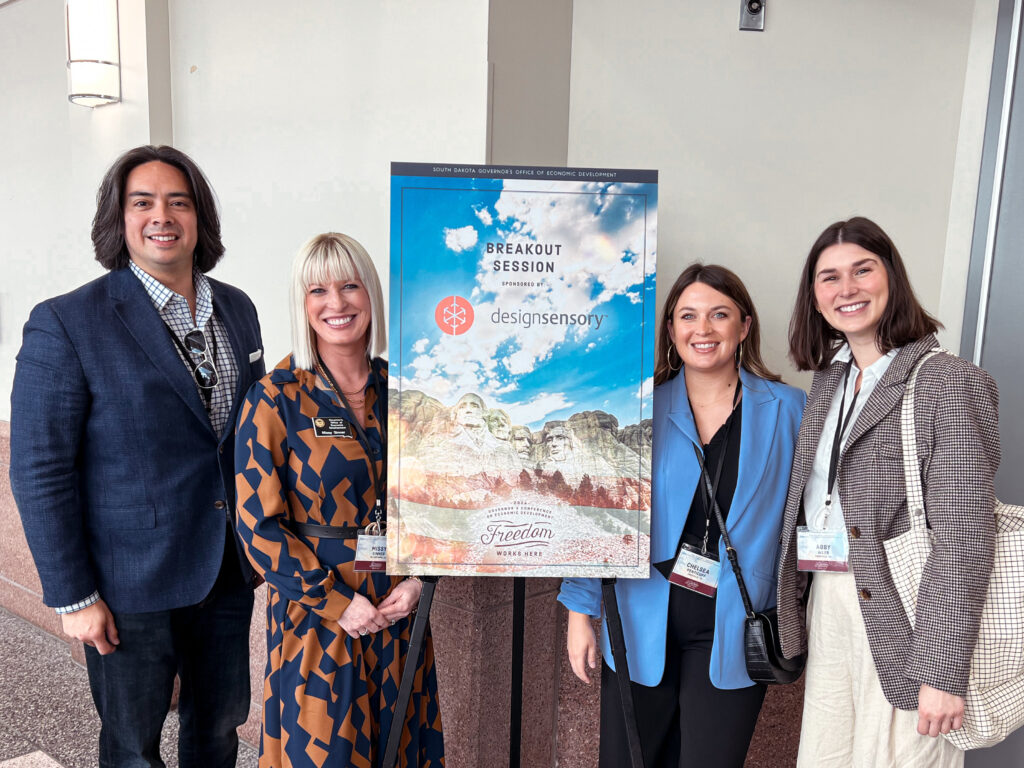
The series was created in partnership with the South Dakota Governor’s Office of Economic Development and our sister agency, PopFizz. After a year in the making, we discussed it and the larger Freedom Works Here campaign at the state’s Governor’s Conference on Economic Development in Sioux Falls earlier this week, at which our own Joseph Nother took the stage to speak on behalf of. After three years of working with SD GOED to help the organization develop its workforce and reach into key markets, we’re thrilled to bring some of those incredible stories to everyone. 

Oh, and if there are any Vol fans out there, we’re coming to a close on Season 2 of our weekly interview show featuring some of the biggest names in Volunteer sports, Vol Club Confidential. There’s a lot of content to catch up on. Whether you prefer video or audio, plug in and get to know some of your favorite Vols.

Speaking of shows with a ton of content, vote for Food Network Obsessed in the People’s Choice Webby Awards! Our branded content team continues to deliver week in and week out on this podcast, which is now on its 14th season and has spent countless weeks atop the charts on Apple Podcasts. 

Next Edition of Team Additions 

For the second time in our history, we’ve officially welcomed a talented professional back to Designsensory. Can’t say that every day. 

We’re incredibly pleased to say (once again) welcome to Designsensory, Erik Vass. Once a junior designer on our team – back in 2017 – Erik has rejoined the team after a stint at another agency in Knoxville where he flexed and advanced his already excellent branding skills. Now, he joins us as an Associate Art Director. 

We also have two DSers who have hit major milestones at the agency — Chris Cable and Michael Pryfogle

A whole blog post (or an entire website) should be made to recognize Michael Pryfogle, our Senior Technical Director, who just rounded the corner on 20 years with the agency. Yes, he was indeed one of the first hires the agency ever made. And it was a good one.

And Chris has officially racked up 10 years with the company. Once our leading copywriter, now our Interim VP of Design and Content. We can’t thank you enough for all you bring to the team, Chris! 

I’ve Been Everywhere, Man

Finally, another quick shout-out to our team, but this time for traveling around the country to make our client’s vision a reality. The DS team just returned from the aforementioned South Dakota Governor’s Conference in Sioux Falls, as well as the International Security Conference & Exposition in Las Vegas and NCECA in Richmond, Virginia, for Arrowmont School of Arts and Crafts. We continue to believe in the power of experiential marketing, especially at major tradeshows and conferences, which have rebounded significantly since the pandemic. 

Tradeshows aside, our team has been on the road in other ways: tackling our seasonal Old Dominick production, heading a little further down south for Discover Greenwood’s annual Stories of Greenwood campaign, popping over to Middle Tennessee for a Rutherford County CVB social shoot and a little further down the road for a scout in West Tennessee for the Tennessee Department of Tourist Development.

As always, we’d love to hear from you, too. Please feel free to reach out to any DSer, pick their brains and chat with them about what you have coming up, we know they’d love to hear about it. 

The Impact of AI on Travel and Tourism Marketing

Posted on by Hunter Foster

With warmer weather and booking season for summer holiday travel approaching, we asked our team to dream up their ideal vacation with the help of Generative Artificial Intelligence (Gen AI). We started with a Mad-Libs-style prompt, “Generate an image of (specific noun) in (dream destination) doing (verb).” A couple of our fellow DS team members gladly jumped on the prompt using a variety of different tools. 

If you’ve explored these tools, you’ve already realized that Gen AI is here to stay — unlike some of us this summer. Statista reported that 27-29% of Gen X, Millenials and Gen Z use AI tools in the workplace, and that number has likely only increased. According to a recent Salesforce survey, Millennials or Gen Z account for 65% of users of Gen AI, and 72% of these users are employed.

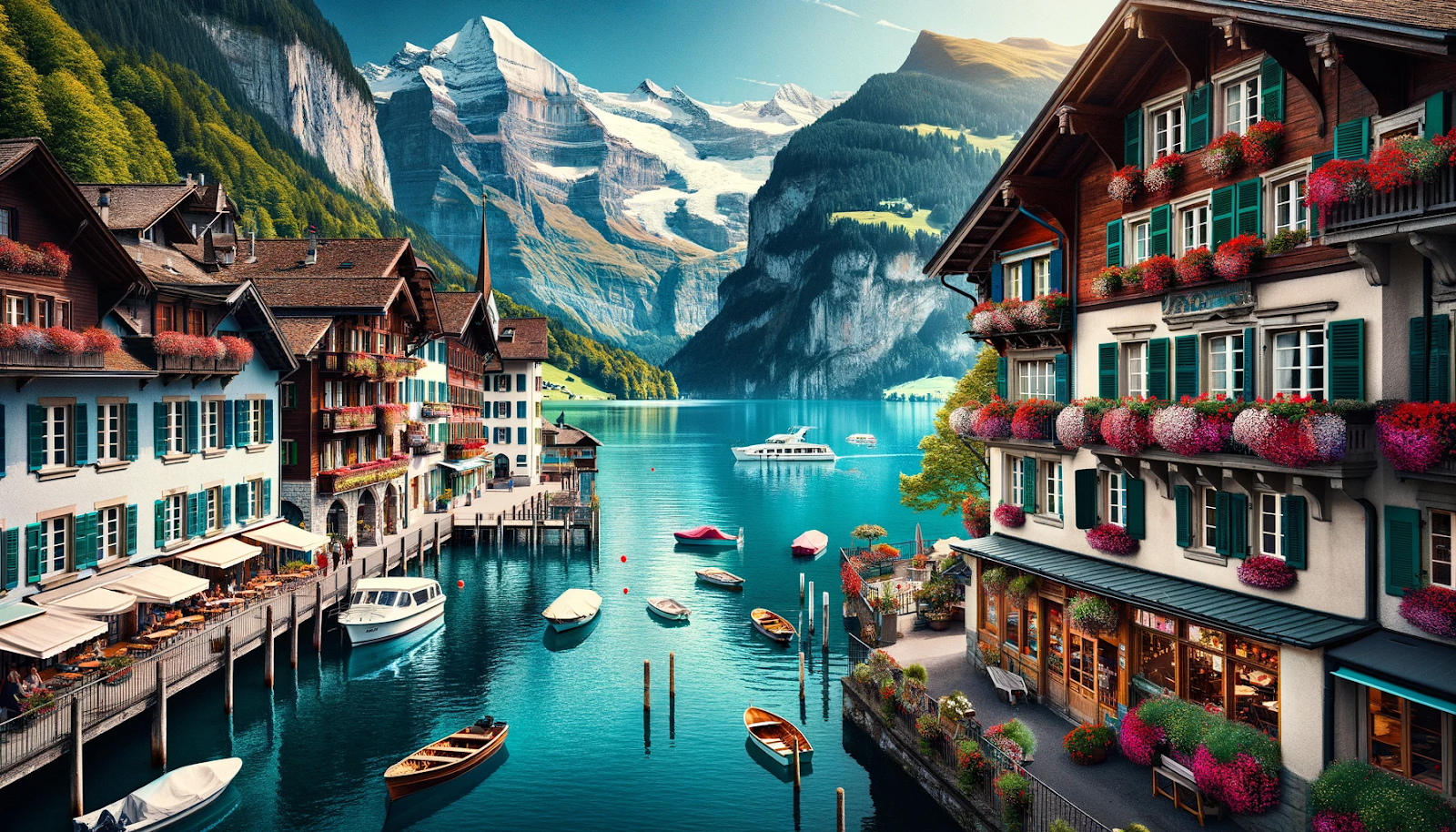
Hunter Foster, Dall-E, Prompt: “A Swiss mountain town alongside a crystal blue lake with shops and cafes, boats in the water, flowers on the building, and the Swiss Alps in the background mimicking the style of a medium format camera.”

AI Image Generation Is Just the Start

AI image generation is a branch of artificial intelligence that leverages neural networks and deep learning to produce realistic images. These algorithms are trained on vast datasets to understand patterns, styles and features present in different types of images. Once trained, the AI model can generate new images by combining and modifying learned patterns. 

It’s like having a digital artist who uses their learned knowledge and creative flair to generate realistic and unique visuals based on the input or objective provided. This technology can be valuable for businesses seeking innovative and visually appealing content for various applications, from marketing materials to design inspiration. 

Many are familiar with the current challenges in AI image generation, such as improperly sourcing from artists of a specific style or its continued struggle with generating intricate and intimate details within an image, like hands. While an airtight prompt, a bit of patience and pulling the image back into traditional editing software can help to alleviate some of those pain points, the question remains: is it a good solution for marketing a destination?

However, within tourism and hospitality, it’s still difficult to replicate the realism that photography and videography provides (for now, at least). But there are several other ways that this technology is being implemented within the sector. In these cases, AI lives up to “the real thing.”

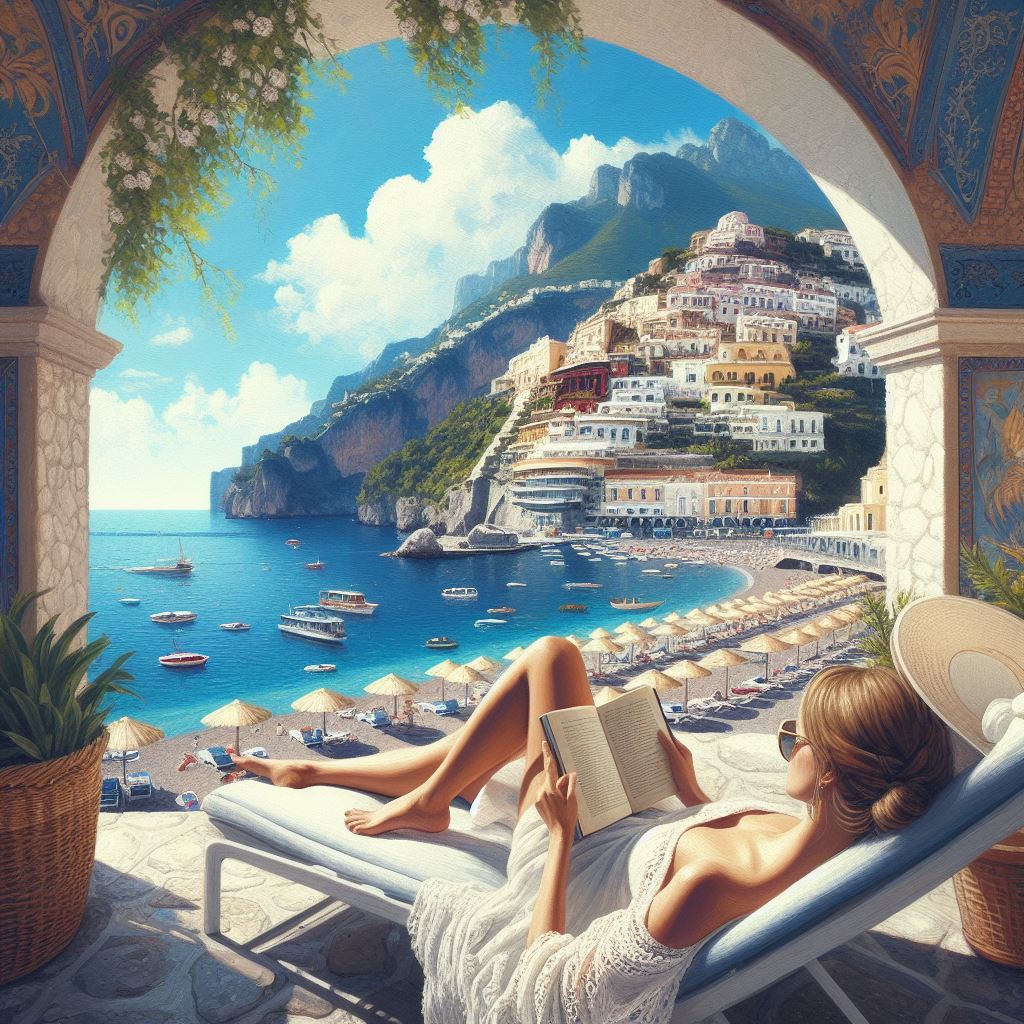
Ilana Stark, Microsoft Co-Pilot, Prompt: “A woman basking in the sun on the Amalfi coast, reading a novel.” 

Virtual Everything

Take these travel industry companies, for example, that are integrating AI to address the pain points of travelers, hoteliers, travel agents, airlines and guides:

  • Hotels and attractions use AI platforms like Sojern’s AI Smart Concierge to text with their customers before and after their stay.
  • IHG Hotels & Resorts launched the first voice-controlled smart hotel room with the help of Josh.ai.
  • TripAdvisor provides AI virtual voice tours of destinations that highlight popular cultural spots.
  • Booking companies like Hopper and Kayak are using AI-powered predictive analytics and modeling to help travelers find the best time to buy hotels and flights.

Artificial intelligence is revolutionizing the travel industry by enhancing personalized recommendations, streamlining booking processes and providing real-time assistance, ultimately improving the overall travel experience for users.

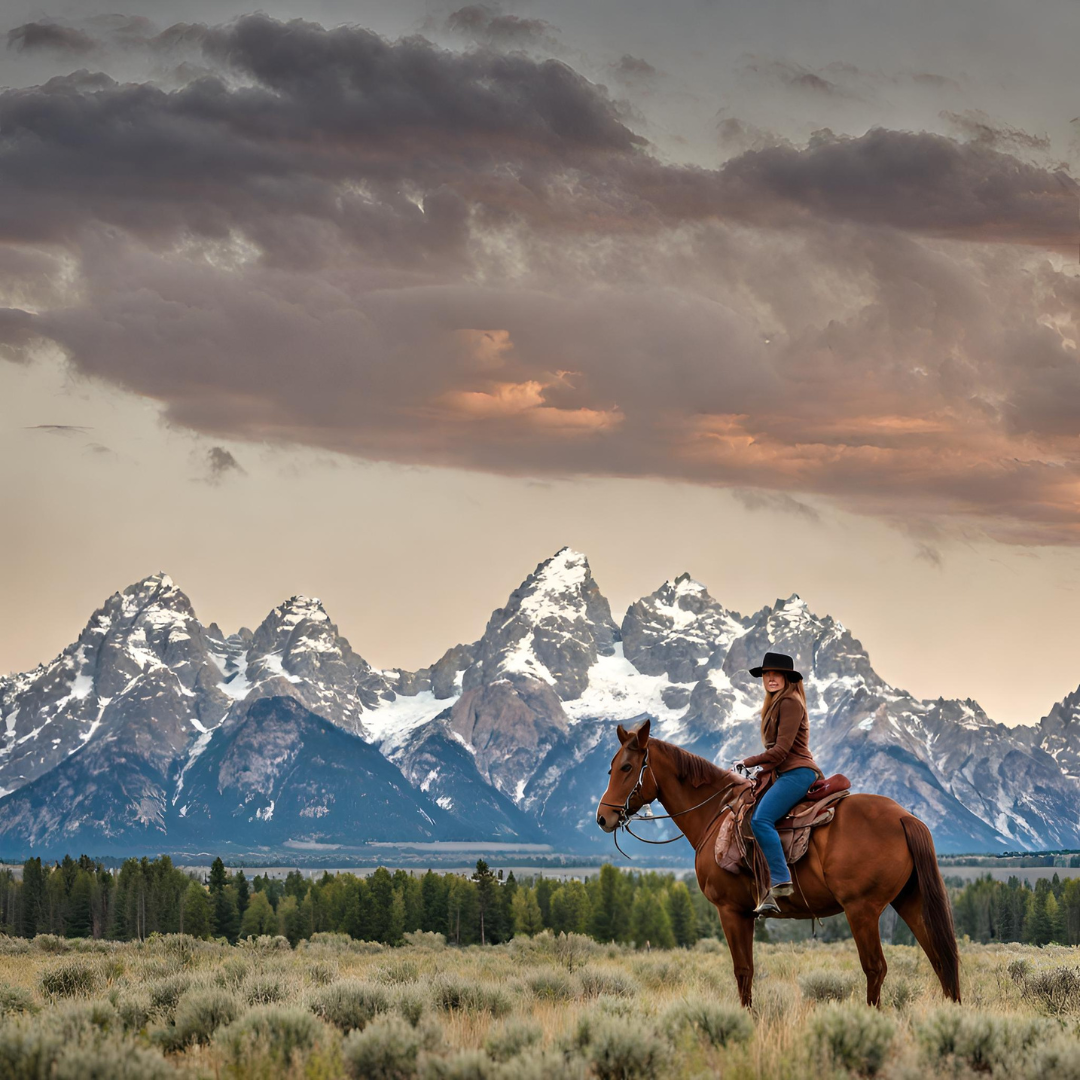
Abby Webb, Canva, Prompt: “A woman riding a horse in Grand Teton National Park with the mountains in the background.”

AI in Your Tourism Marketing

Let’s take it further, though. While virtual assistants and predictive models are extremely compelling use cases for AI within the larger industry, you may not be at that scale. So what are some baseline marketing activities that every DMO needs to be using AI to support today? 

For one, social media. Each of the major social media management tools offers social media listening, but now, many of them are powered by AI and help your organization be significantly more efficient and focused. And, even if you don’t generate your imagery/footage, AI can support the content creation process in countless ways — scripting, VO, editing, post-processing, clip generation, digital avatars and so much more. While we can’t recommend deep fakes (yes, AI can do this too) in place of real creators, AI influencers are certainly already in place, which makes for an interesting potential tactic as well.

But content marketing is so much more than social media. Take (another) note from Tripadvisor, which is using AI to support its trip planning offering, Trips. Trips builds custom itineraries for travelers based on their interests and preferences. So why not leverage and utilize the tool for your destination to build quick and easy itineraries at the request of your potential visitors, or consider developing an AI itinerary builder for your destination?

Or consider how you can better understand your audience through customer segmentation, better speak to them through personalized marketing and get them to act based on price optimization — all with a little help from AI.

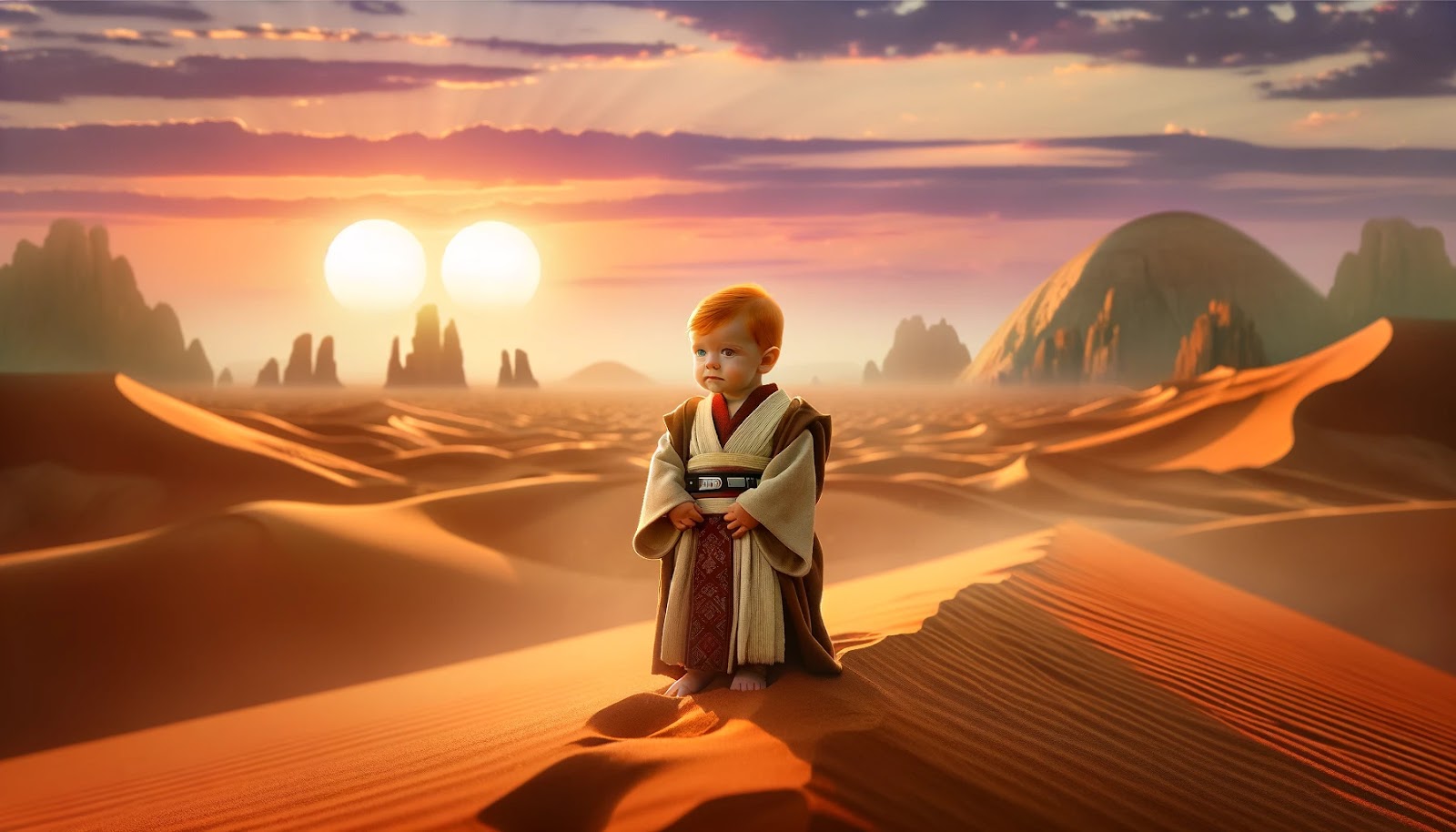
Ben Maxey, Dall-E, Prompt: “A cute red-haired baby dressed in Jedi robes looking over the twin desert suns of Tatooine at sunset.”

As more and more applications for Artificial Intelligence surface within the industry, think about how you can integrate artificial intelligence into your efforts — or how entire workflows and service offerings can be built or rebuilt from the ground up. In the above examples, these AI-driven solutions aim to optimize the planning process, enhance user experiences and streamline booking procedures. All of these solutions offer a more efficient and personalized approach to travel services. Need help figuring out how AI can assist your business? Let us help you develop a strategic approach to adding artificial intelligence to improve how you appeal to potential visitors and elevate your services.