As we approach 2025, the marketing landscape is set to undergo significant transformations driven by technological advancements and evolving consumer behaviors. At Designsensory, we are committed to staying ahead of these trends to help our clients navigate the shifting terrain effectively. In this blog, we explore the most impactful marketing trends of 2025 and analyze their implications for marketers and businesses.
1. The Rise of Artificial Intelligence (AI)
The integration of Artificial Intelligence into marketing strategies is no longer a futuristic concept; it’s an immediate reality reshaping the industry. A substantial 60% of marketers plan to increase their AI usage, according to Meltwater’s 2024 State of Social survey. AI’s capabilities extend across efficiency enhancement, social listening, data pattern analysis, content generation, and summarizing media coverage.
By 2030, AI could contribute $15.7 trillion to the global economy, potentially boosting local GDPs by 26%.
However, the rapid adoption of AI brings forth regulatory considerations. The European Union’s AI Act introduces risk-based regulations focusing on transparency, which will impact how marketing AI tools process data and how chatbots disclose information. In the United States, executive orders emphasize standards for AI content labeling and model transparency, though legislative permanence remains uncertain due to varying state-level developments.
Marketers face challenges in optimizing content for AI-driven tools like ChatGPT because of non-transparent data gathering methods. Additionally, the proliferation of low-quality, AI-generated content competes with human-generated material, affecting search results and potentially diluting brand messaging. Originality.ai estimates that 14% of top Google results are AI-generated, highlighting the magnitude of this issue.
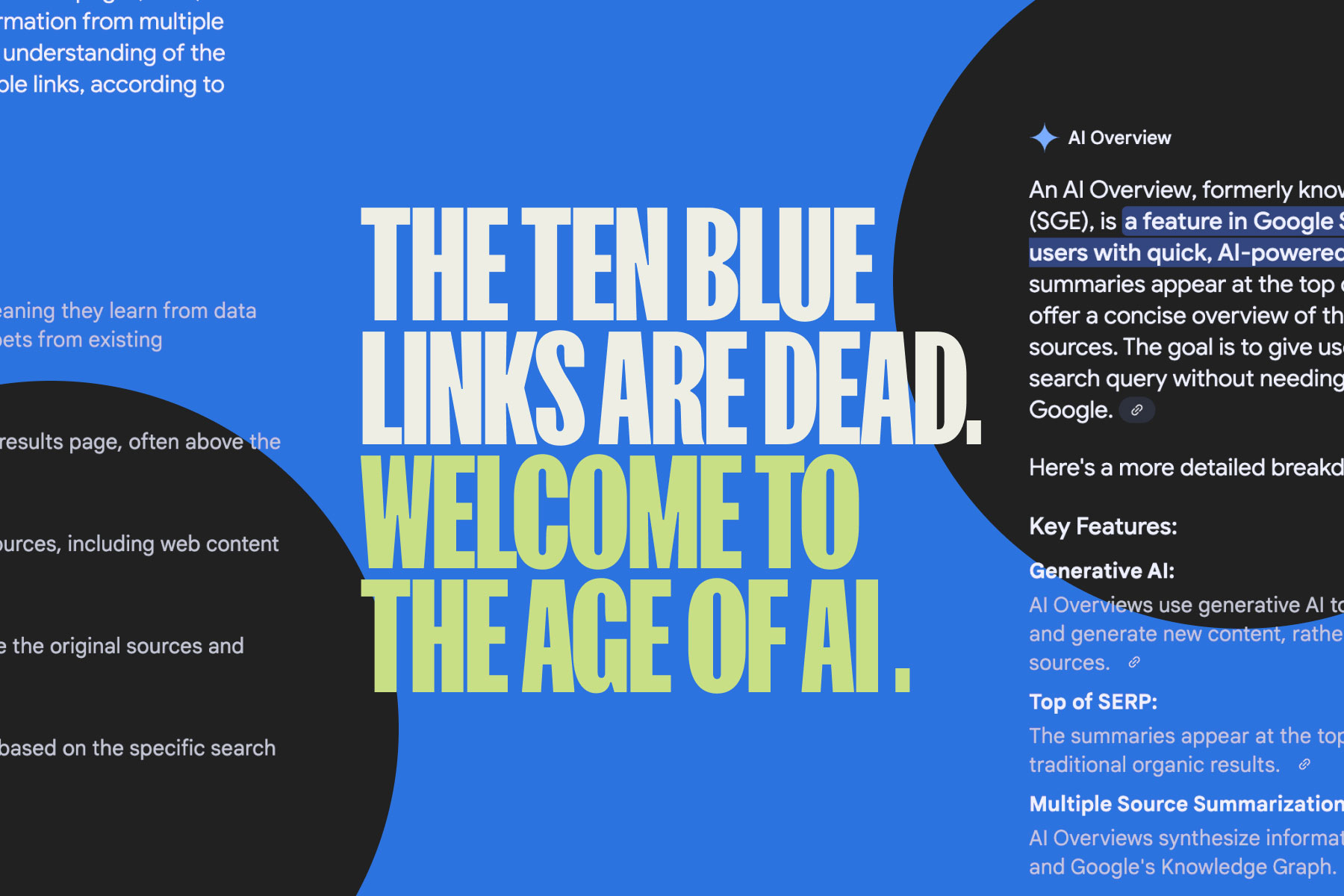
Moreover, AI-generated summaries by search engines like Google can reduce site traffic by providing direct answers to user queries, bypassing the need to visit websites. Research from MIT indicates that consumers prefer transparent, human-generated content over AI-produced content, emphasizing the importance of authenticity in marketing communications.
Navigating these challenges requires a strategic approach. Marketers should leverage AI to enhance efficiency and data analysis while maintaining a commitment to transparency and quality. Emphasizing human creativity and oversight in content production can help brands stand out in an increasingly AI-saturated environment.
2. Doubling Down on Video
Video isn’t just a medium; it’s the driving force in digital marketing. According to Wyzowl, 87% of marketers have seen sales and leads soar through video content. This isn’t a passing trend—it’s the future as we head towards 2025 and beyond.
89% of consumers crave more video content from brands.
User-generated content (UGC) is particularly impactful. Join Brands reports that video ads incorporating UGC boast a 400% higher click-through rate than traditional ads. Consumers trust real voices over brand narratives, so leveraging UGC can amplify credibility and expand reach.
Think beyond social media; craft videos that inform and educate. Dive into brand positioning, host webinars, showcase product demos, and share case studies that highlight experiences and expertise. Video content that educates and provides value not only engages audiences but also positions brands as thought leaders in their industry.
With platforms like YouTube, TikTok, and Instagram reinforcing video’s role, consumers are shifting from traditional TV schedules to on-demand platforms. Prioritizing video content in marketing strategies is essential to meet consumer preferences.
3. Social Media as the New Search Engine
As we charge toward 2025, social media is redefining its role as a search engine titan. Traditional search engines are no longer the sole gateway to information. 87% of social media marketers believe that by 2024, consumers will favor finding brands via social platforms. Already, 21% of users are ahead of the curve, opting for social media to get answers.
Brandwatch confirms this shift, revealing that 76% of consumers trust social media to discover new products and brands, viewing it as more genuine than giants like Google. Among Gen Z, Instagram and TikTok have become go-to search engines, leaving Google trailing despite owning over 81.7% of the search market. Even YouTube, with its 2.5 billion logged-in monthly users, follows in Google’s footsteps.
In 2025, social media will dominate e-commerce, making shopping seamless within social apps. Expect more shoppable posts and influencer collaborations to rise. 18.5% of all internet purchases already stem from social media sales in 2023, with growth on the horizon. The allure of social shopping is undeniable, and brands must evolve to capture these opportunities and stay relevant.
Building strong social media communities is crucial. Engaging content, responsive interactions, and active community management enhance brand visibility and consumer trust. Optimizing social media profiles and content to be easily discoverable, using relevant hashtags, keywords, and engaging visuals, attracts and retains followers.
4. Evolving Social Media Dynamics
Social media platforms are not just channels for communication but have become pivotal in influencing consumer attention and behavior. In 2025, daily social media usage averages 2 hours and 19 minutes, surpassing the 1 hour and 47 minutes spent on linear TV. Platforms like YouTube and TikTok are leading the charge in video consumption, indicating a significant shift toward on-demand, visual content. (Meltwater)
Each social media platform is experiencing unique trends:
- Reddit boasts 1.2 billion monthly users who are highly engaged, offering strong opportunities for both organic and paid content strategies. The platform’s investment in AI, such as acquiring Memorable AI, enhances advertiser tools and targeting capabilities.
- TikTok continues to thrive with 1 billion monthly users, despite facing potential regulatory challenges in the U.S. The public’s support for a TikTok ban has decreased to 32%, down from 50% in 2023, reflecting the platform’s deep-rooted influence on consumers.
- Threads, with 175 million monthly users, offers new features like analytics, API access, and cross-posting with Meta platforms, making it an attractive option for brands looking to expand their social media footprint.
- Instagram is witnessing a demographic shift as Gen Z users overtake Millennials. New features like Broadcast Channels and enhanced Close Friends lists provide innovative ways to engage with audiences.
- Facebook maintains a massive user base of 3 billion monthly users and is focusing on attracting Gen Z with features like Reels, which competes directly with TikTok. The platform has also reduced the visibility of political content to enhance user experience.
- YouTube accounts for 10% of U.S. TV viewing, emphasizing its dominance in video content. The platform is enhancing creator tools, including monetizable courses and members-only shorts, to foster a robust creator economy.
Understanding the nuances of each platform is crucial. The shift from traditional media to social platforms necessitates a reevaluation of content strategies. Brands need to create platform-specific content that resonates with unique audiences and leverages the features offered by each platform.
5. The Boom of the Creator Economy
The creator economy is experiencing exponential growth, with revenue from branded content reaching $8.14 billion in 2024. Platforms are actively incentivizing creators through improved payouts, subscriptions, and tools. For instance, TikTok has expanded its subscription model, YouTube introduced Shorts monetization, and Meta platforms have increased creator payouts.
This surge presents significant opportunities for brands. Authentic partnerships with creators can lead to higher engagement and brand distinction. According to Kantar, creator-led content exceeds U.S. benchmarks in brand distinction by 4.85 times.
When tapping into influencers, the focus is shifting towards micro and nano-influencers. These influencers deliver authentic content and boast higher engagement rates, paving the way for long-term brand partnerships instead of fleeting promotions. They connect more intimately with their audiences, which can enhance trust and credibility for brands that collaborate with them.
Brands should consider collaborating with creators who align with their values and can authentically represent their products or services. This approach not only enhances brand visibility but also builds trust with consumers who value genuine endorsements over traditional advertising.
6. The Resurgence of Organic Content
Contrary to the belief that organic reach is dead, there’s a resurgence of organic content’s effectiveness. Success stories like Wendy’s viral organic Facebook post challenge assumptions about the ineffectiveness of unpaid social content.
Leveraging timely trends, or “trendjacking,” can amplify the reach of organic content. By being agile and responsive to current events or viral topics, brands can increase engagement without significant investment in paid advertising.
Combining organic efforts with paid strategies can offer new opportunities. Organic content builds credibility and fosters community engagement, which can be further amplified through targeted paid promotions.
Revisiting content strategies to include a balanced mix of organic and paid efforts ensures that brands maintain authenticity while reaching wider audiences.
7. Inclusivity and Representation in Marketing
Inclusivity and representation are becoming essential components of successful marketing strategies. According to Kantar’s Brand Inclusion Index 2024, 8 in 10 people consider diversity and inclusion in their buying decisions.
Underserved markets show higher demand for inclusivity, with 89% in emerging economies versus 71% in developed ones. The “Africanisation” trend predicts that 1 in 4 people globally will be African by 2050, urging brands to authentically represent diverse audiences.
Authentic representation in marketing can tap into new markets and foster deeper connections with consumers. Ensuring that campaigns reflect the diversity of audiences and promote inclusivity in messaging is crucial.
8. Leveraging Data Foundations and Personalization
In an increasingly diverse and interconnected world, authentic inclusion and representation are not just ethical imperatives but strategic necessities in marketing. Consumers are more socially conscious than ever, and they expect brands to reflect the rich tapestry of society in their messaging and actions.
Authentic inclusion means more than featuring diverse faces in advertising; it requires a deep understanding and genuine representation of different cultures, experiences, and perspectives. This involves:
- Inclusive Content Creation: Engaging with creators from diverse backgrounds to ensure that content resonates authentically with various audiences.
- Cultural Competence: Investing in cultural insights and sensitivity training to avoid stereotypes and misrepresentations.
- Diverse Teams: Building internal teams that reflect diversity, fostering a variety of viewpoints and ideas in marketing strategies.
- Community Engagement: Participating in and supporting initiatives that uplift underrepresented groups, demonstrating commitment beyond marketing.
By embracing authentic inclusion and representation, brands can forge deeper connections with consumers, enhance brand loyalty, and tap into new markets. It’s about building a brand narrative that not only reflects society but also contributes positively to it.
9. Embracing Continuous Innovation and Ethical AI Use
As technology evolves, continuous innovation is essential for staying competitive. A significant 89% of marketers believe that ongoing innovation is necessary. While 32% have fully implemented AI, concerns about data exposure, biased outputs, and environmental impacts remain.
Balancing the adoption of AI with considerations of ethics and trust is vital. Implementing AI responsibly, with attention to data privacy and transparency, enhances effectiveness without compromising consumer trust.
Conclusion
The marketing landscape of 2025 is set to be dynamic and challenging, driven by technological advancements and changing consumer behaviors. From the rise of AI and the creator economy to the importance of video content and social media as a new search engine, these trends present both opportunities and challenges.
At Designsensory, we are committed to helping our clients navigate these changes. Our expertise spans strategy, creative services, digital solutions, and media strategies, ensuring comprehensive support in adapting to the evolving marketing environment.
By staying informed and embracing innovation, marketers can leverage these trends to drive growth and success. We invite you to partner with us at Designsensory to explore these opportunities and chart a course for success in 2025 and beyond.
Ready to future-proof your marketing strategy? Contact Designsensory today to get started.
Sources: Meltwater, Kantar, Brandwatch, Wyzowl, Salesforce, GWI, SEMRush, Gartner, Coursera, Forbes: Digital Marketing Trends, Forbes: AI Marketing Trends, FinExtra, Social Insider, Statista.