Category: Articles 🔎

The Case for Custom Lettering

Posted on by Chris Talbert

In an age where type foundries and independent typographers are creating more high-quality fonts than ever before, it seems like every typeface we could ever need has already been created. With so many options at our fingertips, it is easy to assume that there isn’t much of a place for custom type anymore. However, there are times when pre-existing fonts miss the mark, and a more tailored solution is needed.

At Designsensory, we love custom lettering because:

It’s timeless.
From the beloved Coca-Cola logo to some of our newer brands (Hello, PopFizz!), hand-rendered type is an art. When it is done beautifully, it can stand the test of time to represent an unchanging promise in a changing world. As type styles ebb and flow, there’s something relatable that still stands about type that is hand-drawn.

By changing its color, Pop Fizz’s logo can have a variety of looks—while the letters themselves are unchanging.


It’s custom.
Typographers make typefaces that are supposed to be used for a variety of projects. By nature, their letterforms have to hold up, regardless of the order in which someone types them. Although there are accommodations, like glyphs and ligatures, that can give alternate styles of letters, they still can come up short because the fonts still have to work within such a tight system. With type drawn by hand, we can avoid some of those problems by writing just the letters we need, allowing them to be a lot more free-flowing than generic letters.

Soak in Roane’s logo allows for the “OA” to be larger, while still keeping the stroke width in scale. Because we knew the letters we needed, we could make the logo centered around using the letterforms themselves.


It shows personality.
Your brand can cut through the clutter when it has its own je ne sais quoi that gives it its distinct appeal. In a digital age, it’s refreshing to have something that feels human and personal. Whether hand-lettering has wobbly letterforms, uses uneven strokes, or is perfectly-drawn, these subtleties can say more about the nuance in a brand’s personality than a typographer who made a font without your company in mind.

In a collaboration with Jon Contino, the Tennessee Vacation Guide has soulful type, with a musical flair.


It’s unique.
Remember when Lobster hit? It seemed like a cute, cursive font that could be a good tool to keep in our collective back pocket. However, its massive overuse made it kitschy far too quickly for it to ever become a staple. Unfortunately, every font out there is prone to this kind of overuse, and often the best way to protect your brand is to go for something a little more out of the ordinary, a little more unique and a whole lot more lovable.

Boo at the Zoo logo

As it turns out, there weren’t spooky enough typefaces for us to use for Boo At The Zoo’s logo so we took it upon ourselves to make the scariest logo ever with hand-rendered type.


Sometimes premade type is the right solution for a brand or a project, but for those times when readymade typefaces aren’t the answer, hand-rendered type can still save the day, just as it always has … and just like Designsensory. We always love a shameless plug, so hit us up for some jazzy, handmade typefaces!


eCommerce: Who Wears it Best?

Posted on by Chris Talbert

Who doesn’t love online shopping? It’s quick and convenient. It can be done from the comfort of your own home—in your pajamas with a warm cup of coffee. However, online shopping is more than just a consumer luxury. Sites with eCommerce are a bear necessity for businesses these days.

What makes a good eCommerce website? Design.

A great deal of planning and effort goes into getting an eCommerce site up-and-running—and keeping it that way. For inspiration, here are three examples of great eCommerce websites.

Polaroid Originals
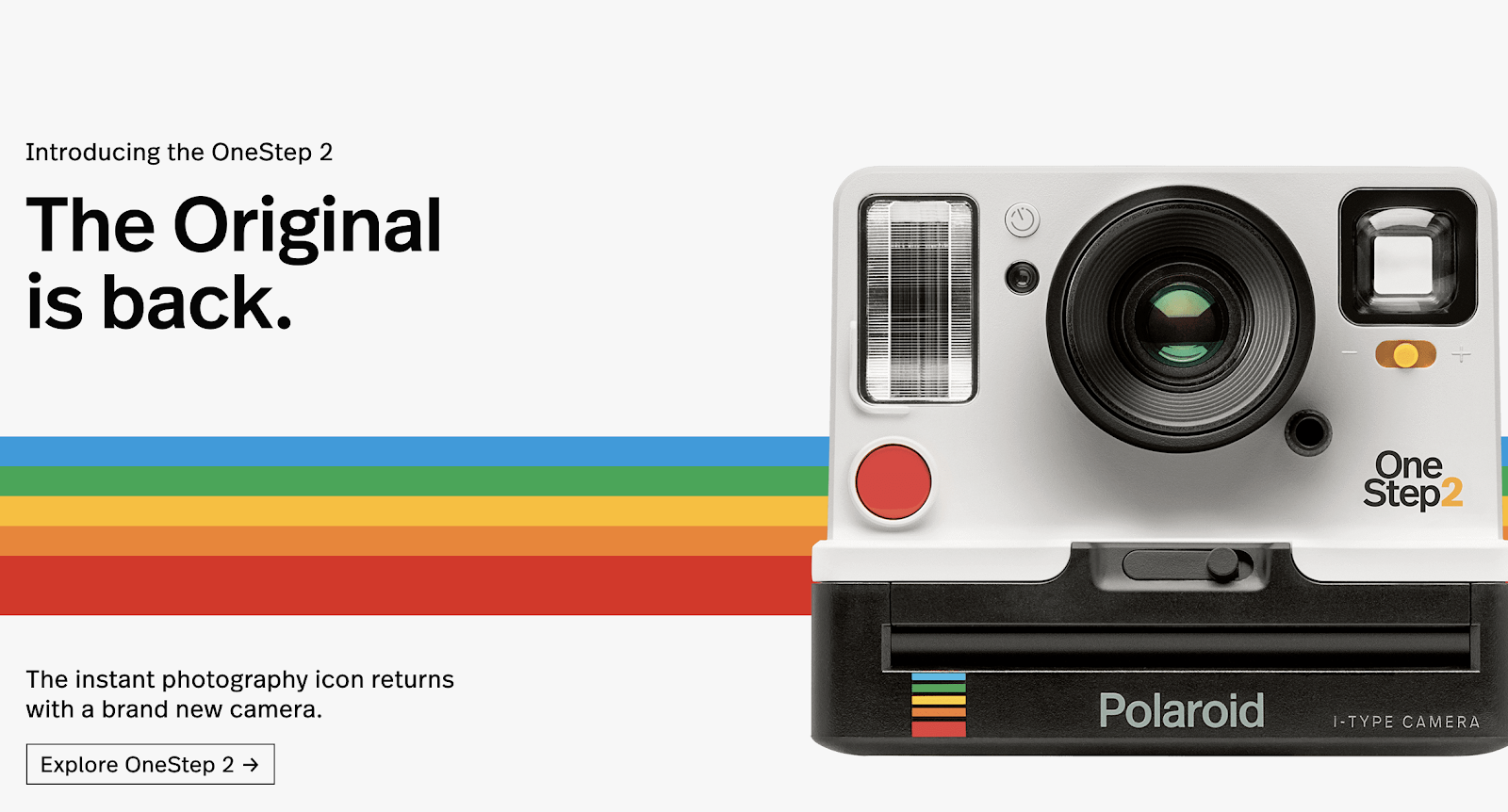
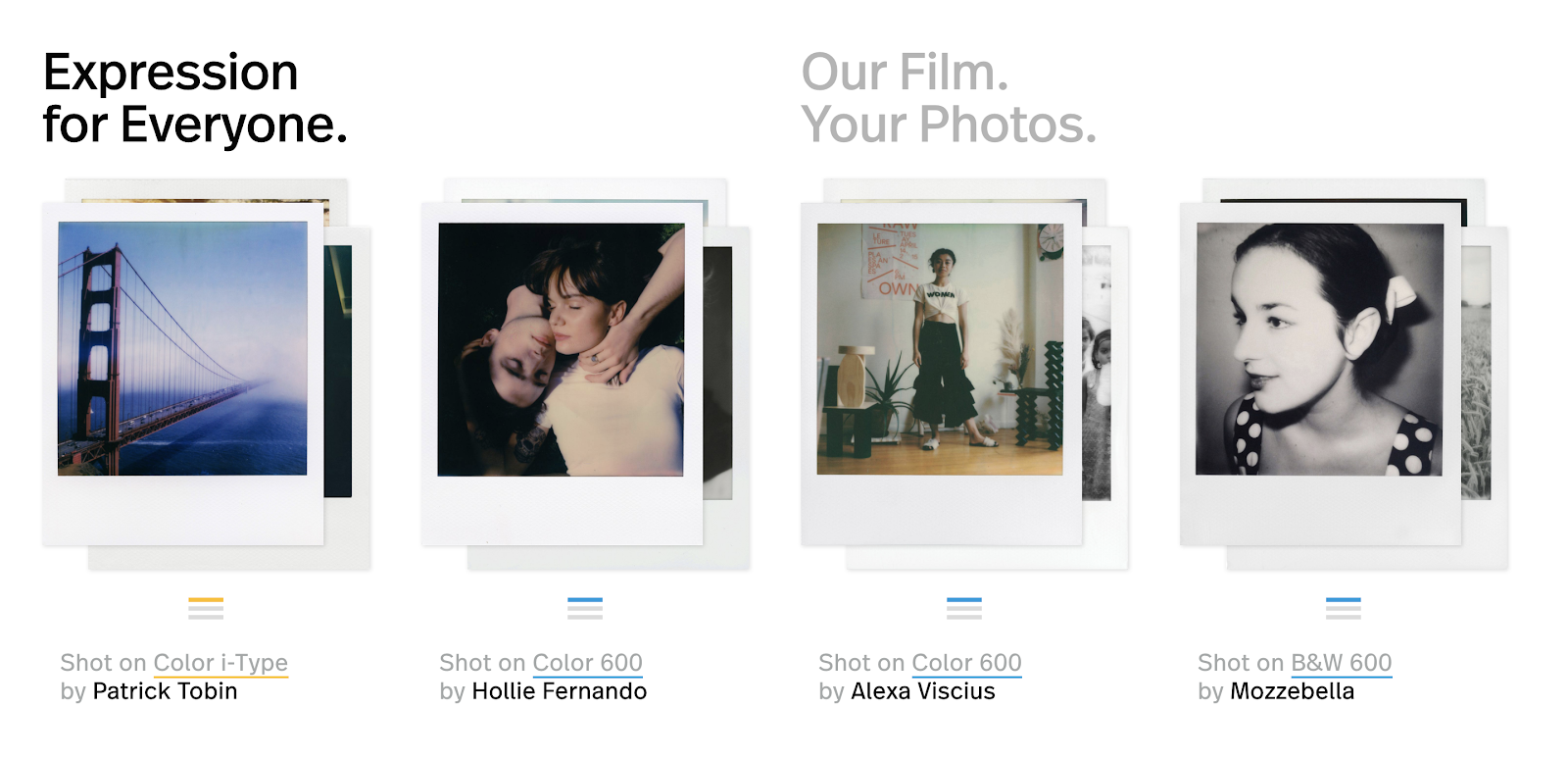
Polaroid is bringing back its iconic, instant photo cameras. This new product line is showcased on a well-designed and simple microsite, “Polaroid Original.” It’s a great example of an optimized, efficient eCommerce site. On the homepage, consumers are greeted with a one-click order option for the new OneStep 2 camera.

Polaroid Homepage.png


The look of this website is “picture-perfect” (I had to).

You can see that their team put a lot of thought into this layout, as most images and links resemble a Polaroid photo—even offering a curated collection of user submitted photos.


Polaroid Customers.png

Can’t decide what to order? Just a fan of the brand? Polaroid highlights its camera users through brand news, interviews and an owned magazine. This website tells a story.

Milk Makeup
This makeup brand beautifully blends modern design with vintage aesthetics. From its 70s typography, 80s and 90s fashion, and early 2000s scrolling text, this multi-generation inspiration culminates in an effective eCommerce site. (Yeah, we just jumped four decades).

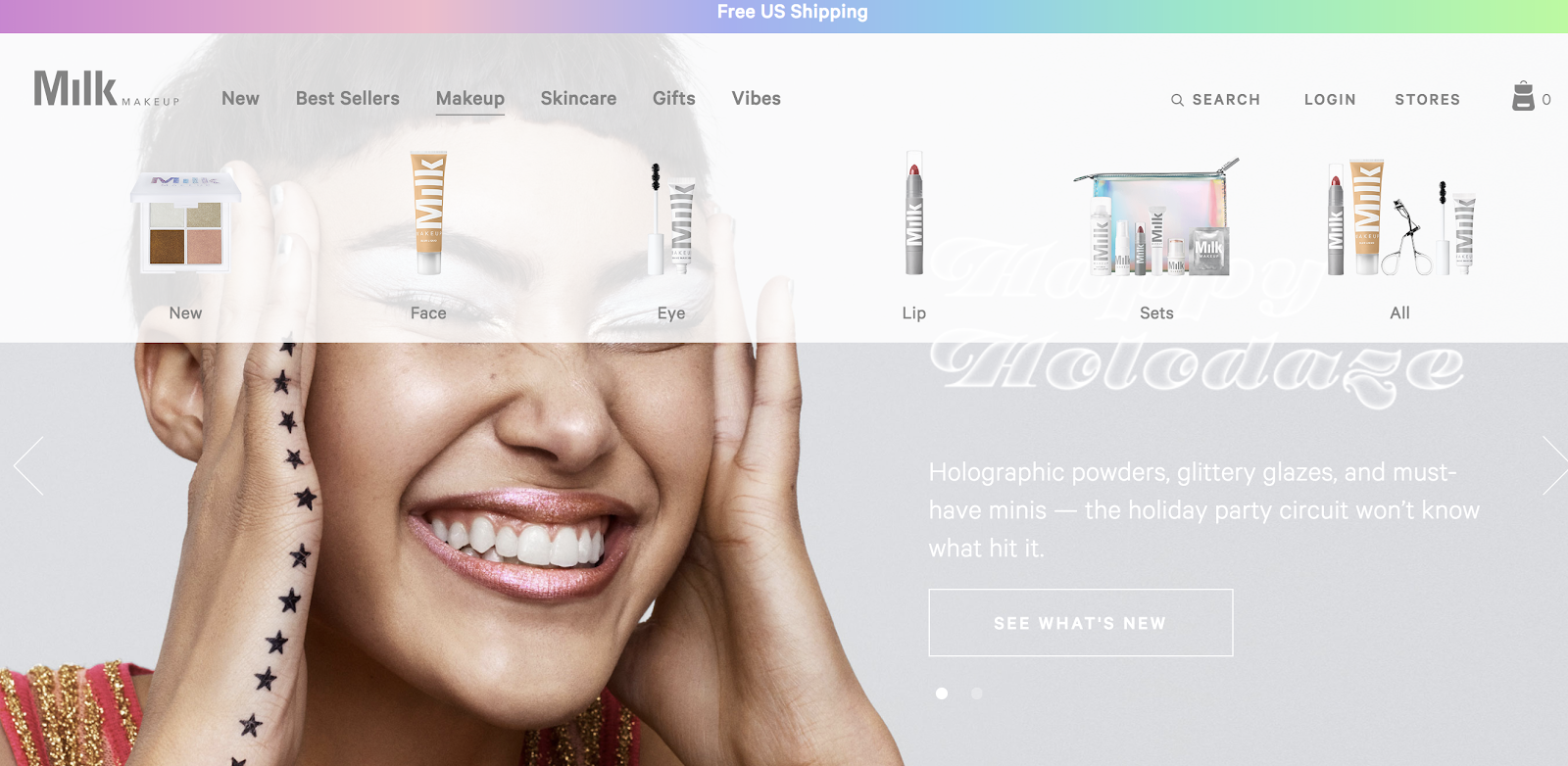
The Milk Makeup designers use photos throughout the site that showcase new collections, seasonal offerings and written blog posts. The drop-down menu at the top of the page includes actual images of the product. This makes it easier for the consumer to know exactly what they’re looking for and what they’re getting.


Milk Makeup Drop Down.png


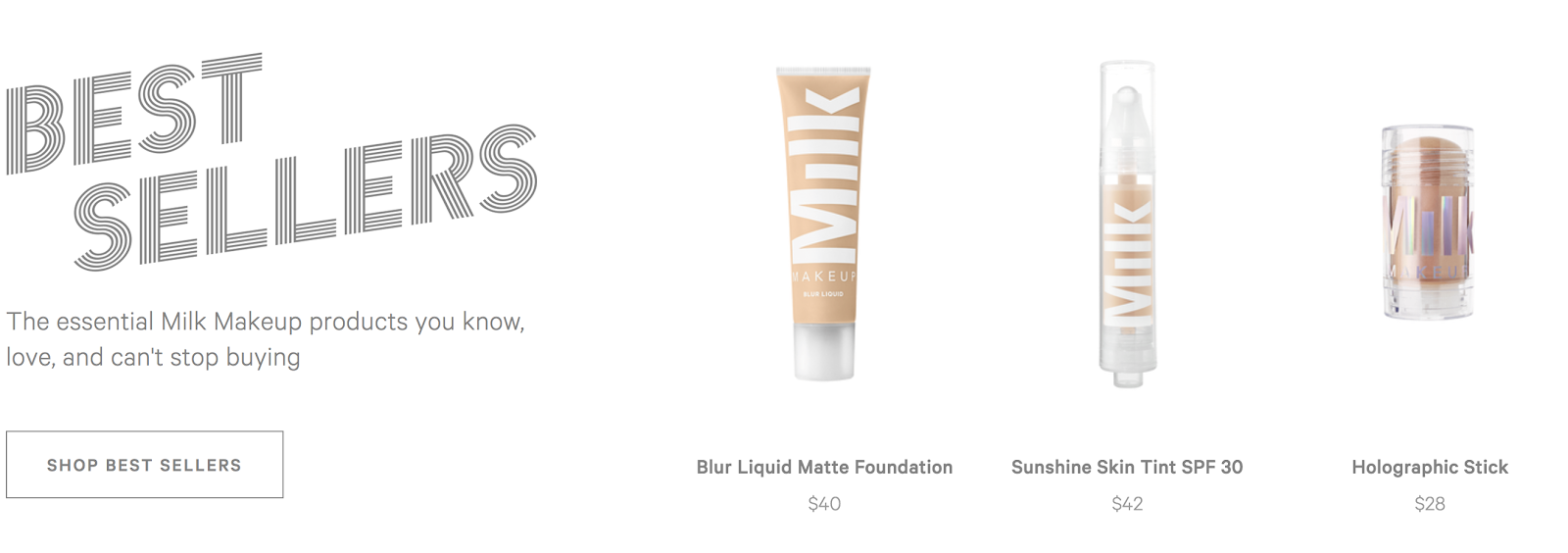
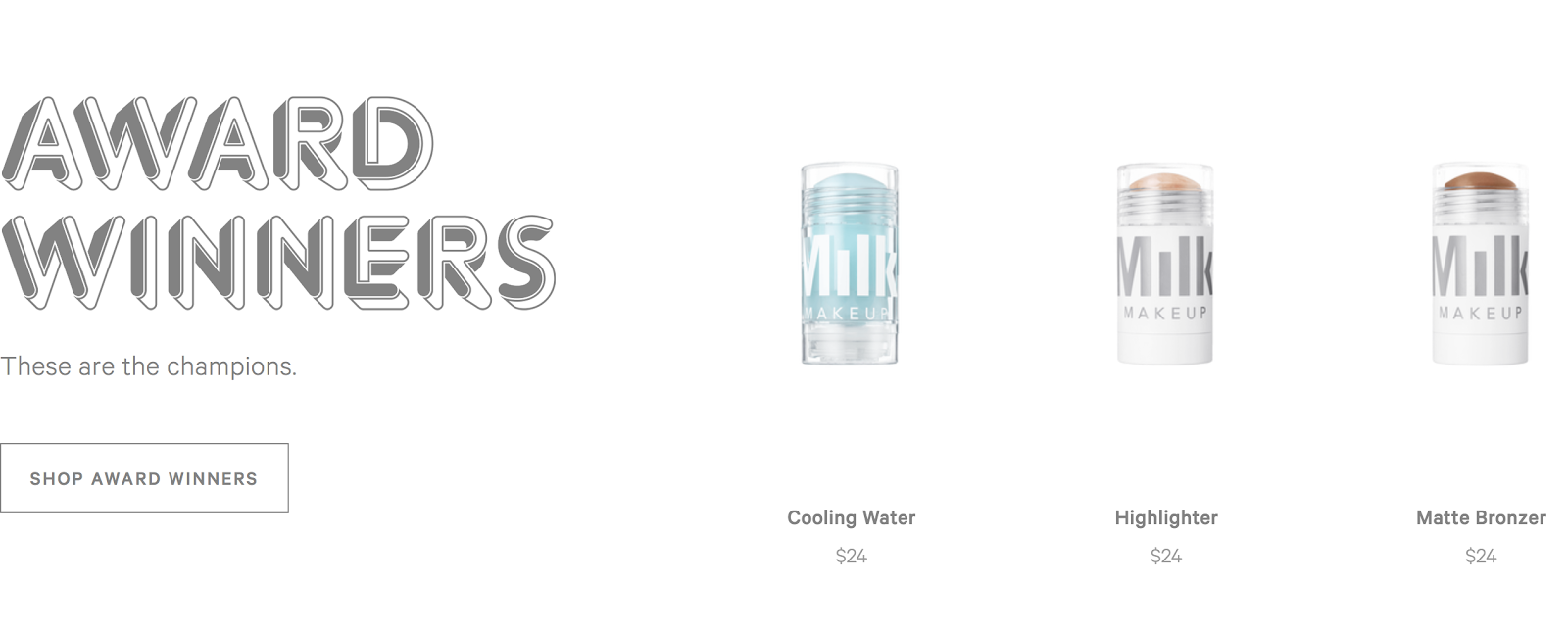
Like the Polaroid website, one-click products fill the page. Milk Makeup uses searchable categories and collections for their products. For instance, “best sellers” and “award winners.” This hits both the design and accessibility or ease-of-use requirements.  


best sellers.png
award winners.png

Again, beyond the simple (and user-friendly) purchasing tools, this website has multiple pages for helpful hints, FAQs and more. Throughout the website, the makeup retailer stays on brand with bright colors and scrolling text, making for an overall aesthetically pleasing website, albeit in a retro fashion. A little digital makeup, if you will.

CamelBak
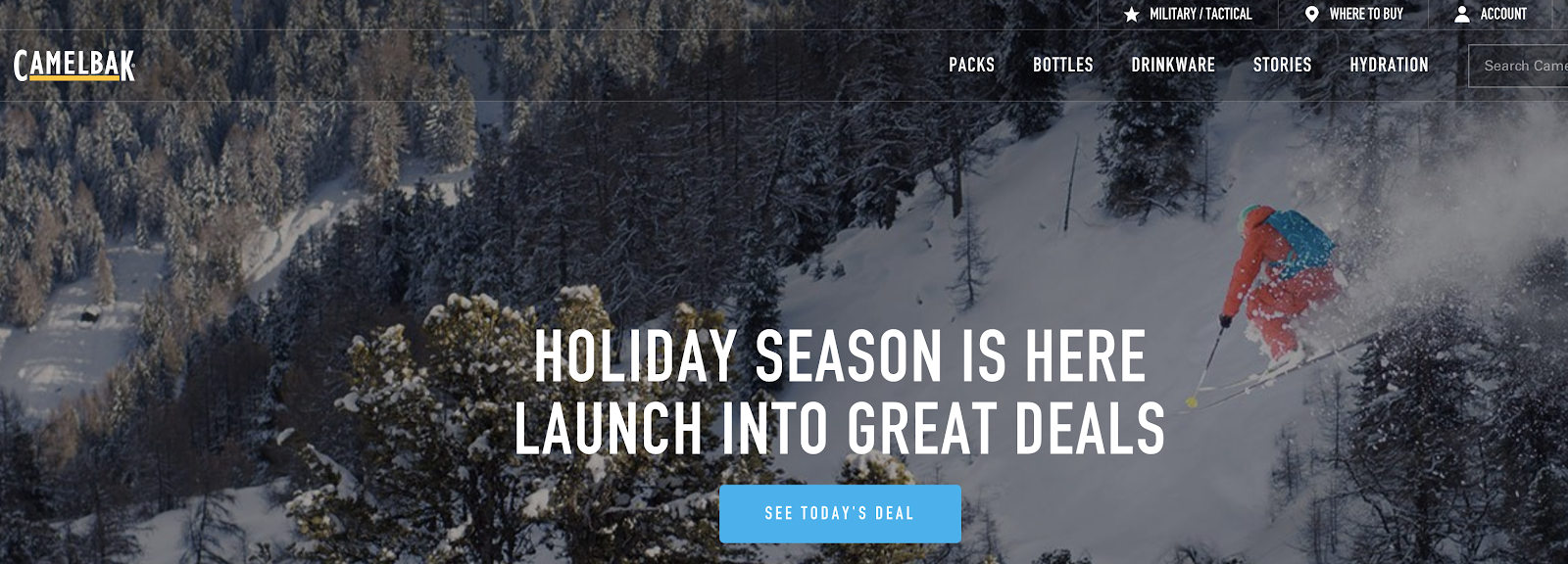
With its easy accessibility, CamelBak is a great website for eCommerce. 

Screen Shot 2017-11-14 at 1.25.15 PM.png

On CamelBak’s website, visitors are greeted by high-impact imagery and an engaging parallax effect—a big, big word meaning “blocking” while scrolling. Quickly following this header are the adventure drinkware company’s top selling products, from packs to bottles and more.

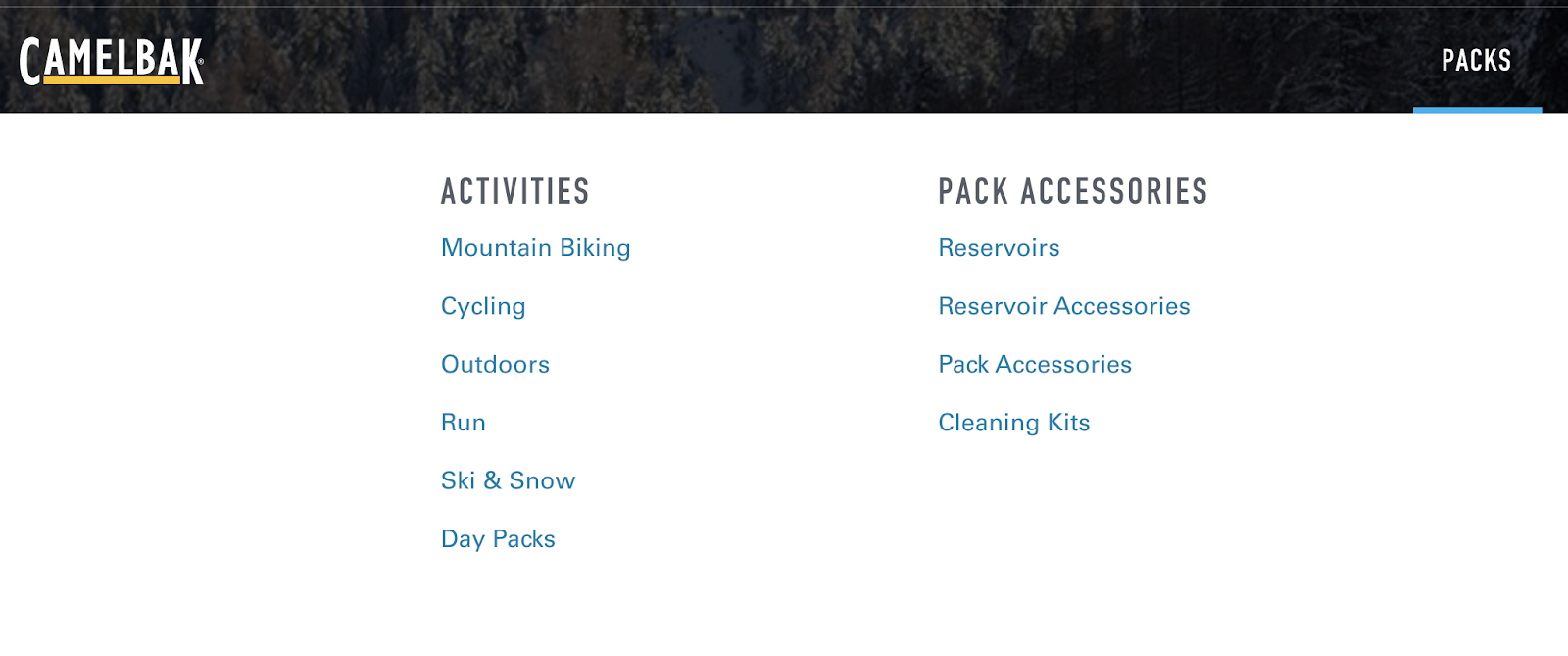
The top of the page allows for quick navigation. Are you looking to buy a blue backpack specifically for mountain biking? Do you know your budget? The drop-down menu at the top of their page will take you right where you need to be.

Screen Shot 2017-11-14 at 1.25.42 PM.png

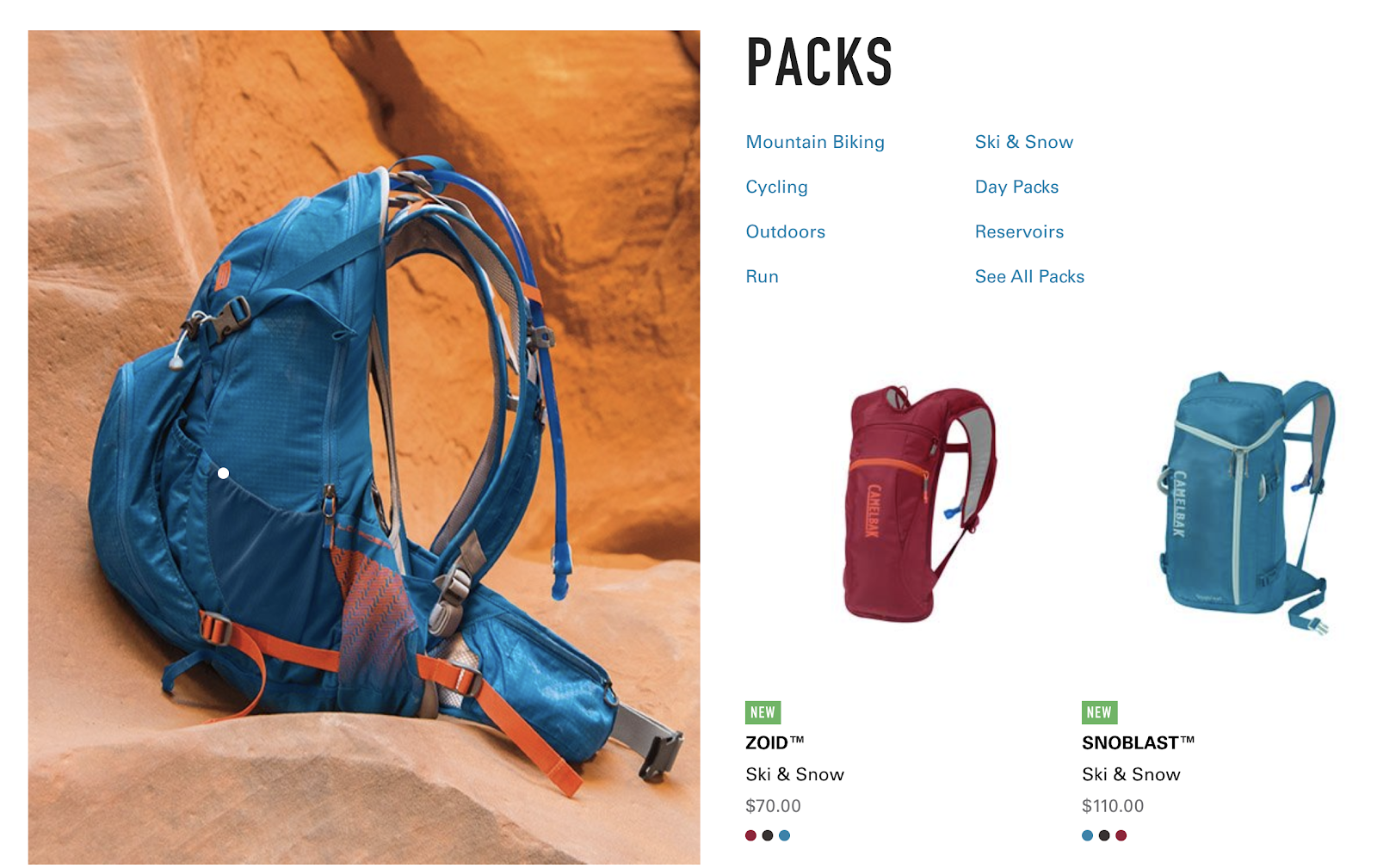
If you know that you want a backpack, but you aren’t sure what color or price, just scroll down the page. You can research each bag style and its purpose.

Screen Shot 2017-11-14 at 1.26.02 PM.png

The website design is eye-catching. They use photos of beautiful scenery to showcase the product. Finally, at the bottom of each page, the brand pulls its Instagram feed where it regularly shares user-generated content in an effort to community build. #backpacksareback

While companies like Polaroid Originals, Milk Makeup and CamelBak work to find new ways to grow and improve their eCommerce, you can place your order—and have a second cup of joe at the same time.

Need some help building a strong website for eCommerce? Contact us.


Media Monitoring: What Is It And Why Do We Do It?

Posted on by Chris Talbert

Monitoring the media is crucial for understanding the impact that your company (or client) has on the public. While there are many PR softwares available to help monitor the media, Designsensory uses Cision to track what the public is saying about our clients.

So what exactly is a media monitoring service?

Media monitoring services have many uses. They provide businesses with media content that is relevant to them.

This resource allows us to browse articles about our clients, find information about media outlets, build media contact lists and more.

What do we monitor?

The term “media” comes in many forms. Print media includes newspapers and magazines; broadcast media refers to television and radio; and digital media includes news sites, blogs and social media.

Powerful monitoring tracks this media coverage. As PR professionals, we want to know when our clients’ names show up! Cision helps us keep track of each news article, post or blog in which they’re mentioned.

We also want to know that we’re distributing news content to the right places. Cision provides access to journalist profiles that include contact information, professional social media accounts, past stories, etc. This helps us to filter between the types of content that each journalist (or outlet) focuses on—so we can avoid sending a press release about the zoo to a court reporter.

Why is this important?

When we use Cision, we can see how our clients are referenced on the aforementioned media platforms. What is the tone? Are the posts and articles positive? Are they negative? What worked and what didn’t? Is it accurate? What should we change to ensure that our client is getting their desired point across? What demographic are our clients reaching? Are we sending our news releases to the right people?

The list goes on and on. It’s important that we at DS are advocating, staying informed and keeping up with the Joneses. So, with that in mind, consider a platform that works for your specific needs, and let us know how we can help! Press on.

Our Sketchy Friend: 4 Ways Sketch Improves the Design Process

Posted on by Chris Talbert

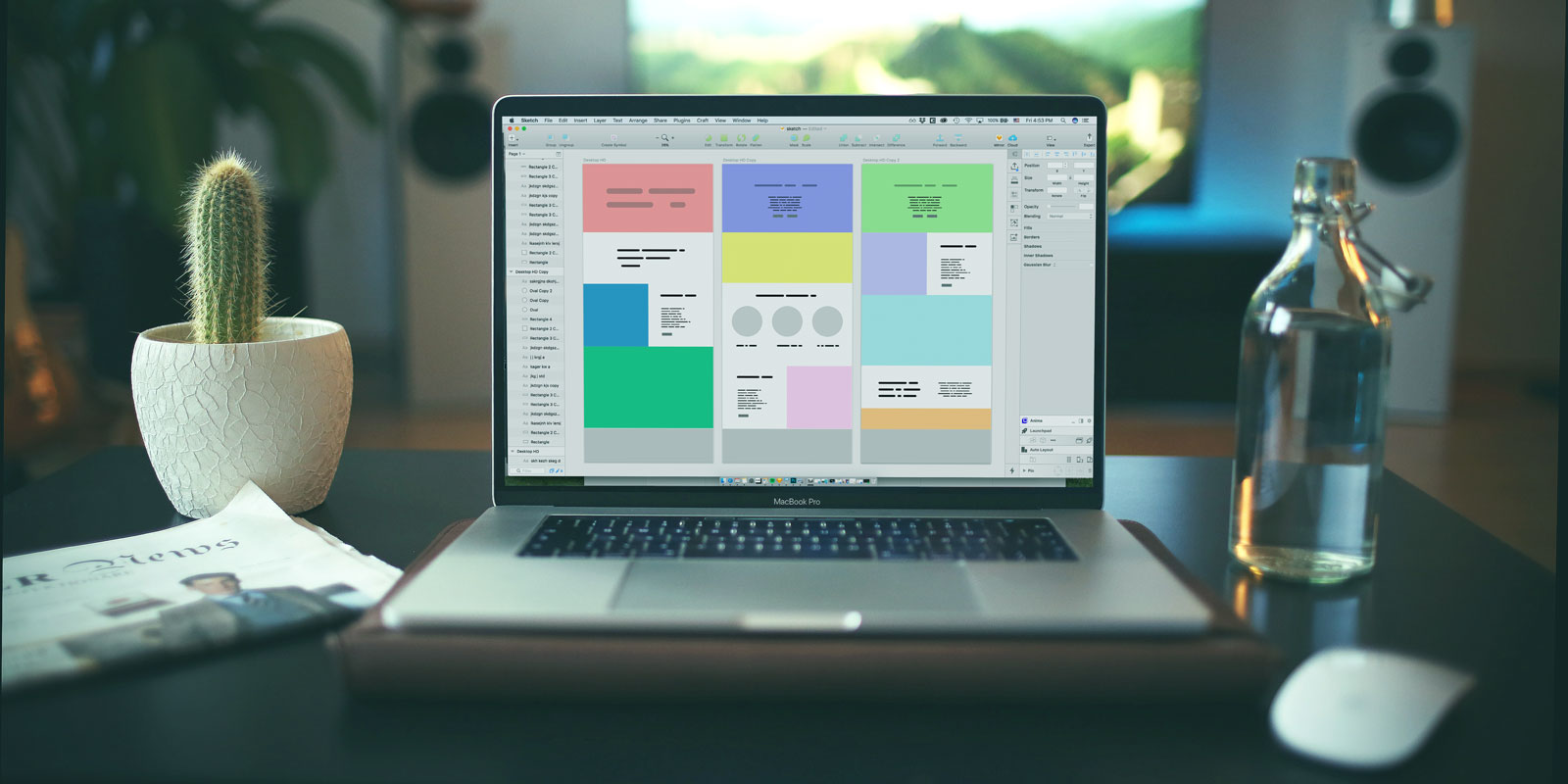
Not too long ago, we used to carry around bulky cameras, video cameras, audio recorders, calculators and photo albums. Now, we’ve got the iPhone, a device that’s adept enough that we can leave all of that gear at home, letting us travel lighter. If we needed to solve the double-integral of a function, we would still have to get the result on a graphing calculator, but for most day-to-day tasks, the iPhone is sufficient. Luckily, the design team has been using a program named Sketch that does the same thing: it streamlines building for web without the extra weight.

So, what is Sketch?

If you’re an Adobe fan, it’s the master pages of InDesign, the artboards of Illustrator and the pixel-perfection of Photoshop. More simply, it’s a program that’s reshaping the digital design community, allowing designers to create, iterate and prototype at breakneck speeds without having to start at square one after every iteration. It takes the high points of the Adobe products and combines them into a web-centric platform—without lugging along some of the more complex features. (And when you do need those, they’ll be right around the corner, embracing you with open arms).

What does it have to offer?

  1. Have your cake and eat it too! Different “pages” mean that you can have different layers of different artboards, so you can keep old versions and still overwrite copies. This allows us to create wireframes, keep them and skin the design, while keeping everything neatly bundled in a single Sketch file.
  2. Never miss a beat with symbols. Say you’re making a footer for every webpage you design—you copy-paste it on every page, and you realize you made a typo. In Photoshop, this could take several minutes to fix every instance of the typo. In Sketch, instead of fixing where it says “Fcaebook” on every footer (and kicking yourself for not proof-reading more carefully), you only fix it once, and it’ll auto-update in every footer since they’re all copies of the same symbol. If that sounds too good to be true, ride alongside us in the Sketch bandwagon.
  3. Take your font for a test-drive. Another key feature is type styles, where you can create categories of type, like a H1 Header, and those H1s can auto-update as well. If you’re trying to find the right font for your site, this is an easy way to test-drive the styles without having to overhaul everything and meticulously change every text box. Again, these change every text box set in the type style—so every P2 can be a size 18, left-aligned Lato, if that floats your boat. If not, keep updating fonts for the entire document in as little as two clicks.
  4. Drag, drop, and design! Moving from wireframes to skinning a design is as simple as replacing images in image masks and updating type styles. There’s no major overhaul, and we can reference wireframes as we move from one step in the process to the next; since the wireframes are also in Sketch, it’s often as simple as re-skinning the wireframes and customizing the look and feel of the site.

Will Sketch be our multi-tool of choice forever? Probably not. The market of competitive products is heating up quickly, and as creatives, our eyes are always on the horizon for the latest and greatest. For now, however, this is our Sketchy best friend, and we look forward to the memories we have yet to make.

Why Video is Your Best Friend in Tourism

Posted on by Chris Talbert

For good reason, tourism is a hustling and bustling industry. It’s the livelihood of any destination—because without it, economically speaking, most would be without the capital necessary to function. It makes sense, then, that everyone, from countries to states to local CVBs, has taken a turn toward more interactive content. A key driver being video development. Here are four reasons why using video for tourism promotion is probably your best friend.

1. The TA-DA Factor.
What is different about your destination? Video is your chance to show off the visual intricacies that are all too often lackluster in a photo or written description. Raging waterfall that cascades 500 feet? Great. Small country store downtown that sells historical memorabilia? Fantastic. Your moment is all about you. Check out one of fourteen videos we produced for the State’s county marketing program. *Glitter bomb*

2. All the “Feels.”
Creating memories is truly what this is about. With thousands of places begging for attention, you want to make something that connects your destination with the emotional sensitivities of the traveller. Beyond the visuals of your destination, what is going to give them an experience they dream about for the rest of their lives? Show them “the happy” in three ways: love, sweat and tears. That means dinner, activities and unforgettable moments.

3. Modern Life.
Unless it’s your thing to look “vintage,” having a video—let me rephrase—having a well-crafted video shows the world that you are going to bring something modern to their traveling experience. I don’t mean modern as in the style. I mean you are in today’s state of mind. Again, people want experiences. They also want free wifi. So, maybe highlight some of those things in the video. We have our own comprehensive video showcasing our tourism clients here. Shameless plug.

4. Conversion, Conversion, Conversion.
Enough about your visitors, am I right? The real reason you want video is for conversions. From a marketing perspective, the chances of a video capturing the attention of your audience is much higher than, say, a static website or online brochure. Now don’t get me wrong, those things are important, but the bigger picture includes ALL of the things. They work together. A great example of integrated methodology would be breaking up your video into vignettes for social. A little snack for your audience.

And there you have it. There are many more reasons to create video as a tourism destination, but I think we’re already convinced. My last piece of advice is, if you’re going for video, do it right. Don’t have your intern shoot the footage on their phone [no shade]. You really do get what you pay for … roll on!

Six Tips for Targeting in Digital Media Campaigns

Posted on by Chris Talbert

When it comes to advertising, it’s all about getting your message in front of the right people at the right time. Thanks to social media, display and search engine marketing platforms, it’s easier than ever to reach your target audience. Before launching a media campaign, take a look at these targeting tips.

Think strategically before tactically.
Before considering any targeting strategies, reflect on who your customers are, what their behavior looks like and where they spend their time. Identify an audience persona by researching your target audience’s interests, lifestyle, demographics and search habits.

Start with the basics.
Select relevant locations and languages before refining your audience. Exclude people that don’t fit into your ad goals. For instance, if you are running a Facebook ad with the goal of brand awareness, exclude people who have already liked your Facebook page.

Be specific, but not too specific.
The more specific you get, the more you reduce the number of potential customers. With this in mind, determine what your campaign goals are and find the right balance. Are you launching an awareness campaign? You would likely benefit from casting a wider net with a more generalized audience. Are you looking for conversions? Consider using a specific, hypertargeting strategy.

Experiment.
Utilize A/B testing on ad copy, landing pages, call-to-actions, targeting techniques and images to gain a better understanding of a campaign’s successes, failures and future optimization opportunities.

Track, track and track some more.
The worst thing you can do for a media campaign is leave it untouched for weeks (or even months) after the initial setup. Careful tracking will not only ensure that your campaign is delivering on pace, but it can also provide insight into your audience’s preferences. Monitor your campaign’s performance as early and as often as possible, and make proper optimizations every step of the way.

Record and analyze historical data.
Historical data is most helpful when it comes to launching a successful media campaign. Throughout a campaign, keep an accurate and detailed report of performance—when it’s time to launch another, you’ll be thankful you did.

Ready to get started? From research and planning to implementation and optimization, Designsensory can help. Contact us today!

Brand Identity: The Badge and Other Favorites

Posted on by Chris Talbert

Logo. Symbol. Emblem. Mark.

Whatever you call it, the logo has given visual life to aristocracy, trade systems, businesses and more for quite a long time. If you look back many moons ago, you’ll find remnants of these well-thought-out “brand” identifiers—think family crest. And oh, how they’ve evolved. The creation of logos, even here at Designsensory, can’t really be nailed down to just one method, but I’ve listed a few “types” of logos below that we may consider when building out visual identities for the modern age.

The Badge

Somewhat of a trend today, the badge is being seen in brands like Starbucks, BMW, Lamborghini, UPS, Harley-Davidson and many others. For good reason. Badges have a bit of a history. They worked for wealthy families in the middle ages, and they certainly work for distinguishing today’s programs for the Boy and Girl Scouts of America. So, what you need to know is that the badge is a great storyteller. It is flexible. It is nimble. Badges work quite well when companies or brands have sub-interests that call for a flex logo system. Even better, badges can, and usually do, have themes: vintage, floral, art-inspired, modern, educational, ornamental, flat, dynamic, etc. Need I say more?

Beyond drawing inspiration from the past, there are also classic and experimental ways to dream up a visual identity for your brand.

The Logotype


In some cases, a brand’s visual identity solves itself in the form of a wordmark. I refrain from the word “only.” It’s not “only” or “just” a wordmark. What most people don’t realize is the intricate font play that designers go through when creating wordmarks—we’re talking customization. The special experimentation with stroke, kerning, weight and size that is required to differentiate a brand through textual support is enormous. This approach is still very much visual and is an art form in and of itself. Think about brands like Coca-Cola, FedEx or Chanel. Disney, Porsche, Ray Ban, Lexus, Pottery Barn—oh, and our new Maker City logo. Check it out here. They’re all classic, memorable and iconic. All the right words that you want associated with your brand.

The Icon

Creativity meets common sense. When I say common sense, I don’t mean obvious. Graphic designers have a way of creating things that should have been obvious from the things that, in actuality, aren’t. That is what I call gaslighting—kidding! The brain of a graphic designer sees abstract pieces in practical applications. But they also see things as they are. Great designers take strategy and tactic to deploy something beautiful. In logo world, sometimes designers take a person, place or thing, whatever is relevant to the desired brand, and turn it into beautiful iconography. Get ready for examples: Apple, Twitter, Penguin Books, John Deer, etc.

What’s special about a logo, or a “brand” in general—I won’t delve into that implication for the sake of my word count—is that it is part of your past, present and (hopefully) future story. For many people, your brand identity will be the only thing they remember about you. Hence, you should never underestimate the power of integrated marketing. Don’t stop at your logo. Get your entire brand built around the novella you’ve written.

Now, go get branded. You know what they say, if you can’t make a good brand yourself, go to Designsensory … okay, fine. I just made that up.

5 Myths About Facebook

Posted on by Chris Talbert

With over two billion active users, Facebook is the largest social media network in existence. Facebook is a powerful tool for growing your business when used correctly. Here, we debunk five commonly believed myths that may be hurting your Facebook marketing efforts.

Myth #1: All you really need to do is fill out your profile.

There’s much more to a credible Facebook Page than just filling out your profile and keeping it updated. While that is all very important, a successful page begins with an engaged audience. Facebook recognizes and rewards responsiveness, interesting content and relevance. The most important rule of Facebook is to use it as a tool for communicating with your followers and fans.

Myth #2: The more your post, the higher your engagement rates will be.

Don’t be one of those pages spamming news feeds multiple times everyday. Posting too frequently will actually lower your engagement rates, cause people to unlike your page or even result in poor reviews. Be selective about what you choose to post, and make sure all of your content is compelling. Quality, not quantity!

Myth #3: SEO doesn’t matter on Facebook.

“Search engine optimization” tends to exclusively refer to Google or other traditional search engines. But with the amount of resources available on Facebook, coupled with the amount of time users are spending on the social network, Facebook’s search function has become an increasingly used feature. Your Facebook Page can be just as important as your website, so optimize it too! Make sure your Page contains keywords, create a relevant URL and write an optimized page description.

Confused about SEO? Check out our guides to on-page and off-page SEO.

Myth #4: Hashtags are just for Twitter.

While Twitter popularized the use of hashtags, Facebookers have hopped on the hashtag train as well. They’re great search features, and using them will help optimize your Facebook posts. But please only use them where it makes sense to do so—crowding your posts with an endless string of hashtags does not make for compelling content. Use hashtags when referring to events or to take part in (relevant) trending topics.

Myth #5: There’s a “right” time to post.

The best time to post differs between industries, page types, audience personas, etc. There is no hard and fast rule that can tell you when you should be publishing content. The best way to figure out when your target market is most active on social media is to experiment. Vary the times that you post, and use Facebook Insights to figure out when users are most engaged.


Need some help building a strong Facebook campaign? Our social media experts can help! Contact us.

SEO 101: Off-Page SEO

Posted on by Chris Talbert

On-page SEO is (or should be) the first step in drawing people to your website. But what about off-page SEO? For most people, this term is synonymous with link building. However, off-page SEO goes much deeper than that—it’s all about improving your site’s reputation through links, content and relationships. Utilizing off-page SEO will eventually lead to an increase in brand mentions, links, traffic and conversions. So let’s dive into some of the best strategies for building up your off-page SEO.

Know and interact with your audience.

You’ve heard it time and time again—know your target market. When it comes to building your internet reputation, understanding your audience is crucial. Where do they spend their time? Who are their biggest influencers? Once you answer these questions, it’s time to become part of the conversation.

Contribute to forums and discussions, be responsive on social media, build relationships with online influencers. But be careful, you should always be adding value. Don’t use social media or online forums as just a tool for linking to your website. Be an active and engaging contributor.

Consider guest blogging.

Guest blogging has gotten a bad rap in recent years. The misconception that “off-page SEO is just link building” led to a flood of spammy guest blogs around the internet. But done correctly, guest blogging can be a powerful tool for off-page SEO.

So how do you guest blog correctly?

First, don’t look at guest blogging as an easy way to gain links. Look at it as a mutually beneficial relationship. Your goal as a guest blogger should be to build brand authority and be seen as an industry expert (while increasing brand mentions and yes, links too). In turn, your contributions should add a fresh perspective to the blog, and its readers should gain valuable knowledge.

Create link-worthy content and build online relationships.

In the SEO world, quality matters. Links to your site need to be from reputable sources (and trust me, Google can tell). Because of this, it’s more important than ever to create compelling content to which people wantto share and link. Get to know relevant bloggers and influencers, and build actual relationships with them. Become an expert in your industry, and share that expertise with others. In short, earn your links!

Still wondering how to draw links to your site? Check out Hubspot’s link-building best practices.

Sure, but is my hard work paying off?

As we all know, building a good reputation doesn’t happen overnight and neither does site optimization. To get a clearer picture of the status of your off-page SEO efforts, you can use tools like Moz’s Open Site Explorer to measure inbound links, anchor text and top pages. Overall, just remember—SEO is a marathon, not a sprint.

Think you need help optimizing your site or measuring your SEO effectiveness? Contact us!