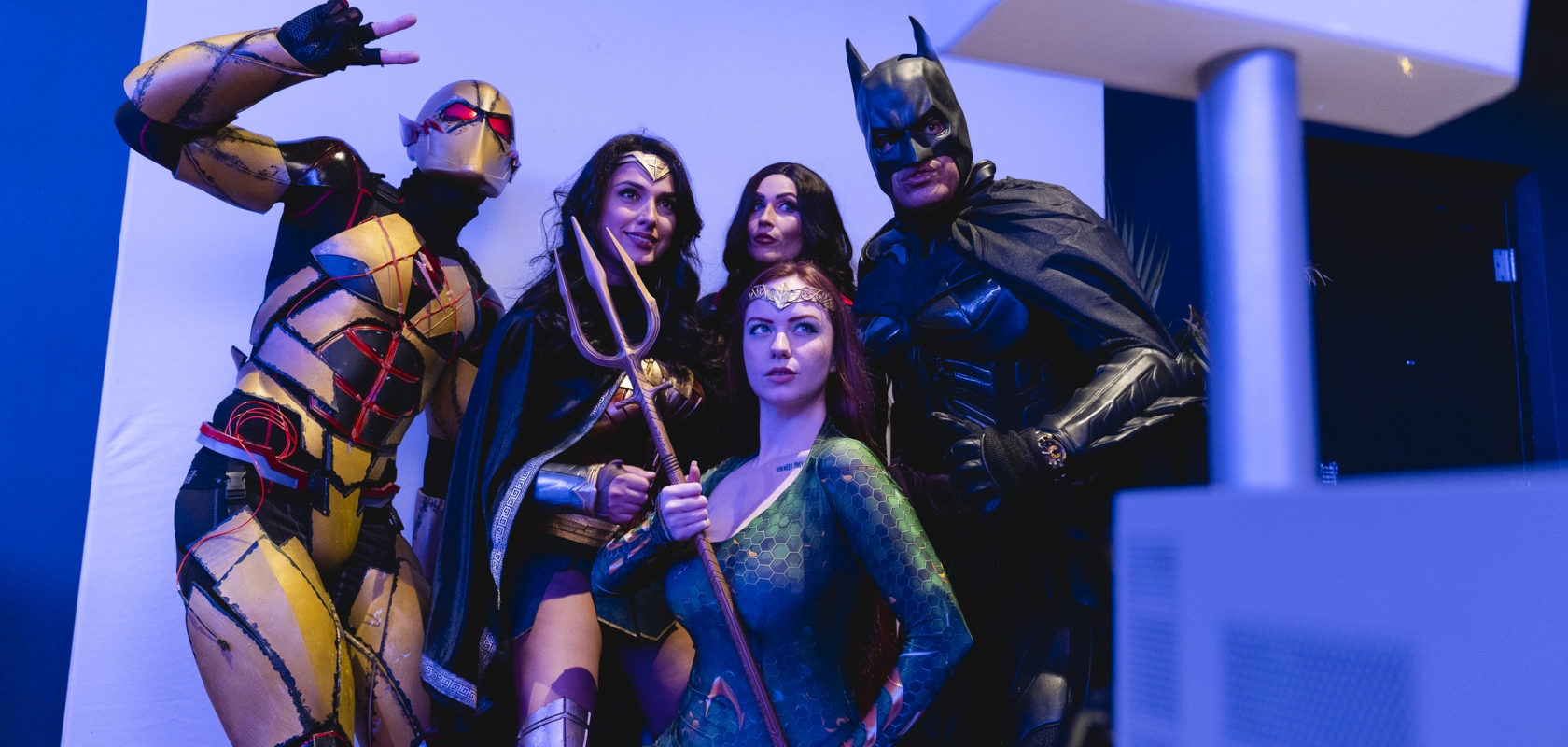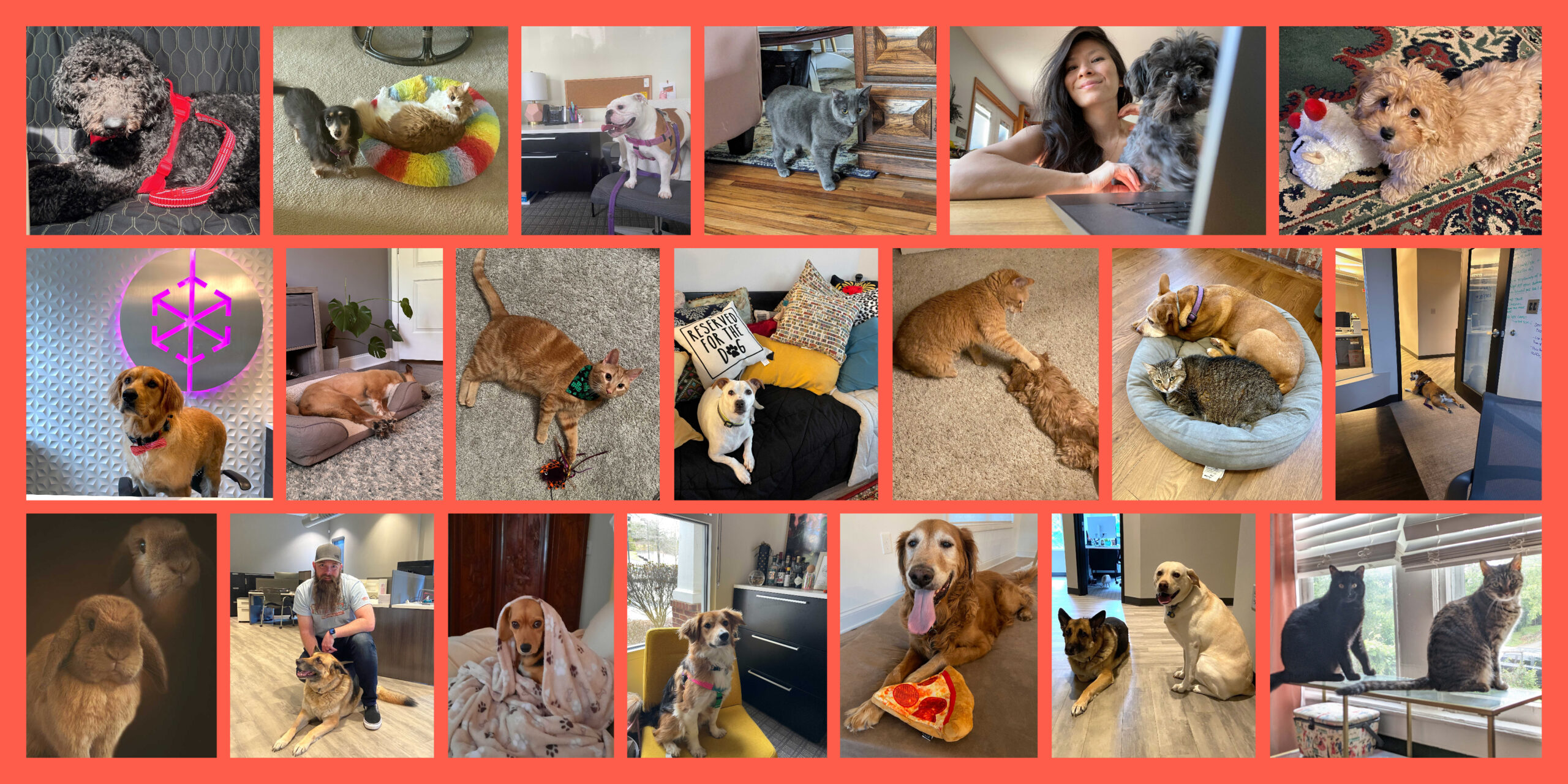
Today is National Bring Your Dog to Work Day! Designsensory has a dog-friendly office, so we often see cute pups spending the day, but today we wanted to celebrate all pets, even the ones that only work from home.
Meet the Pets of Designsensory

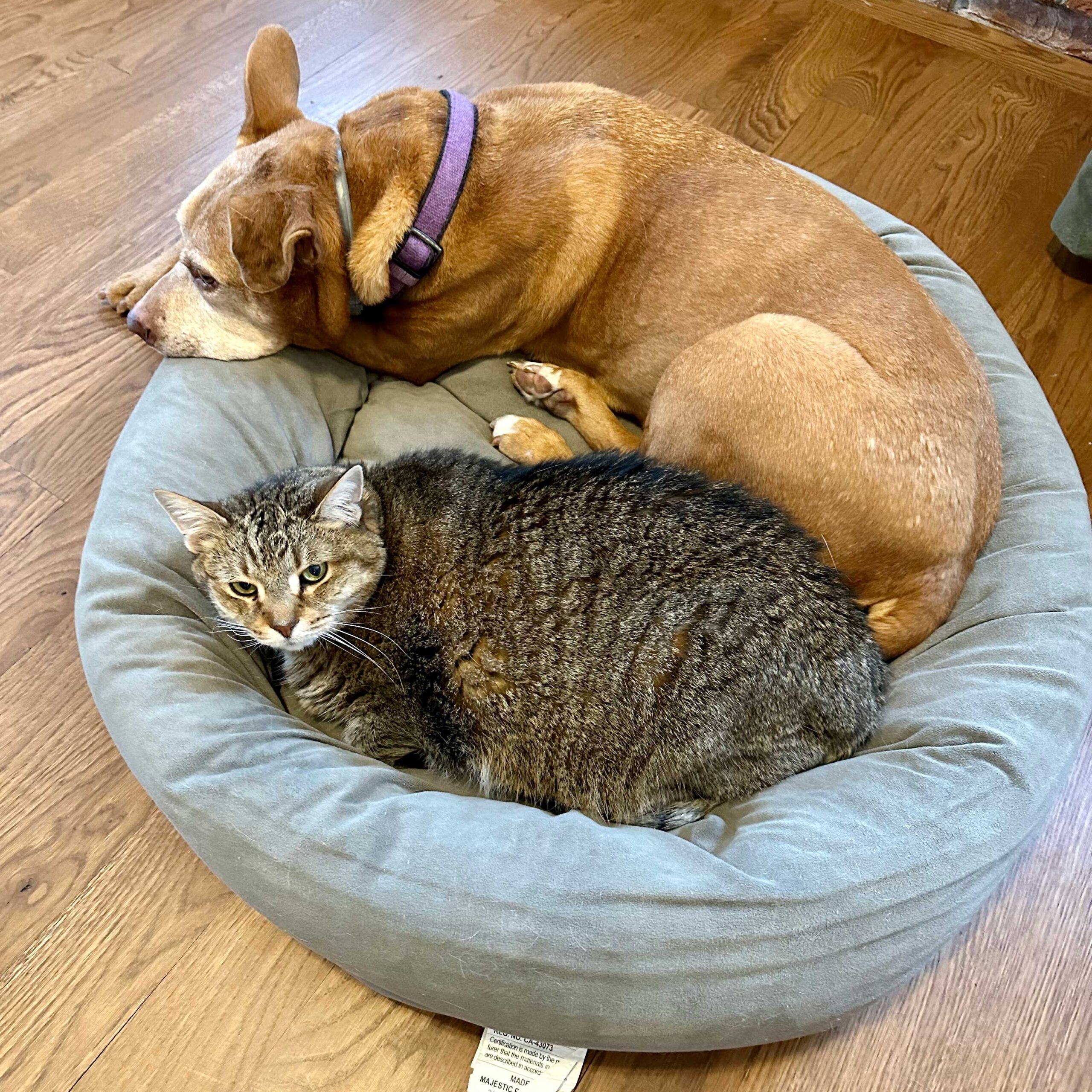

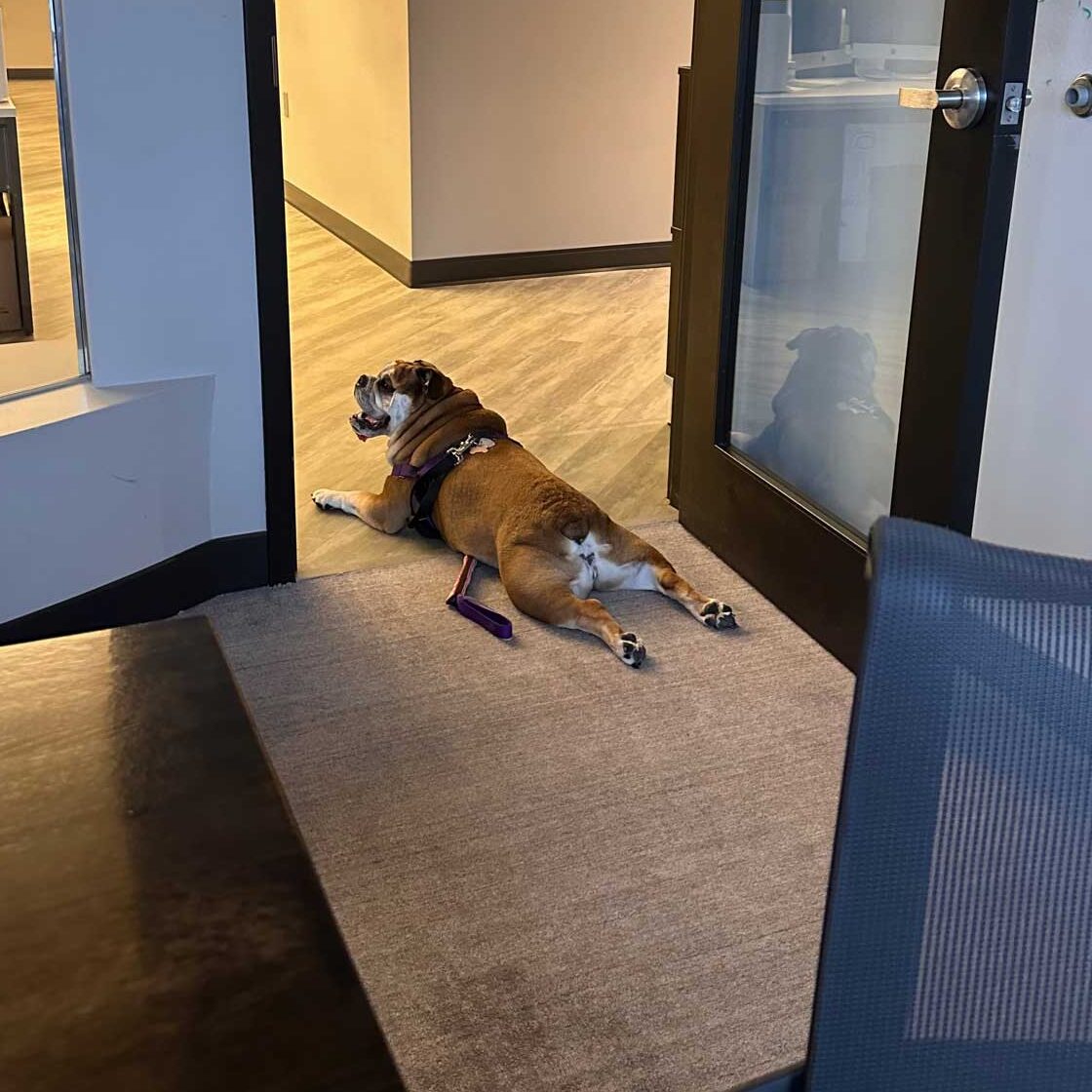
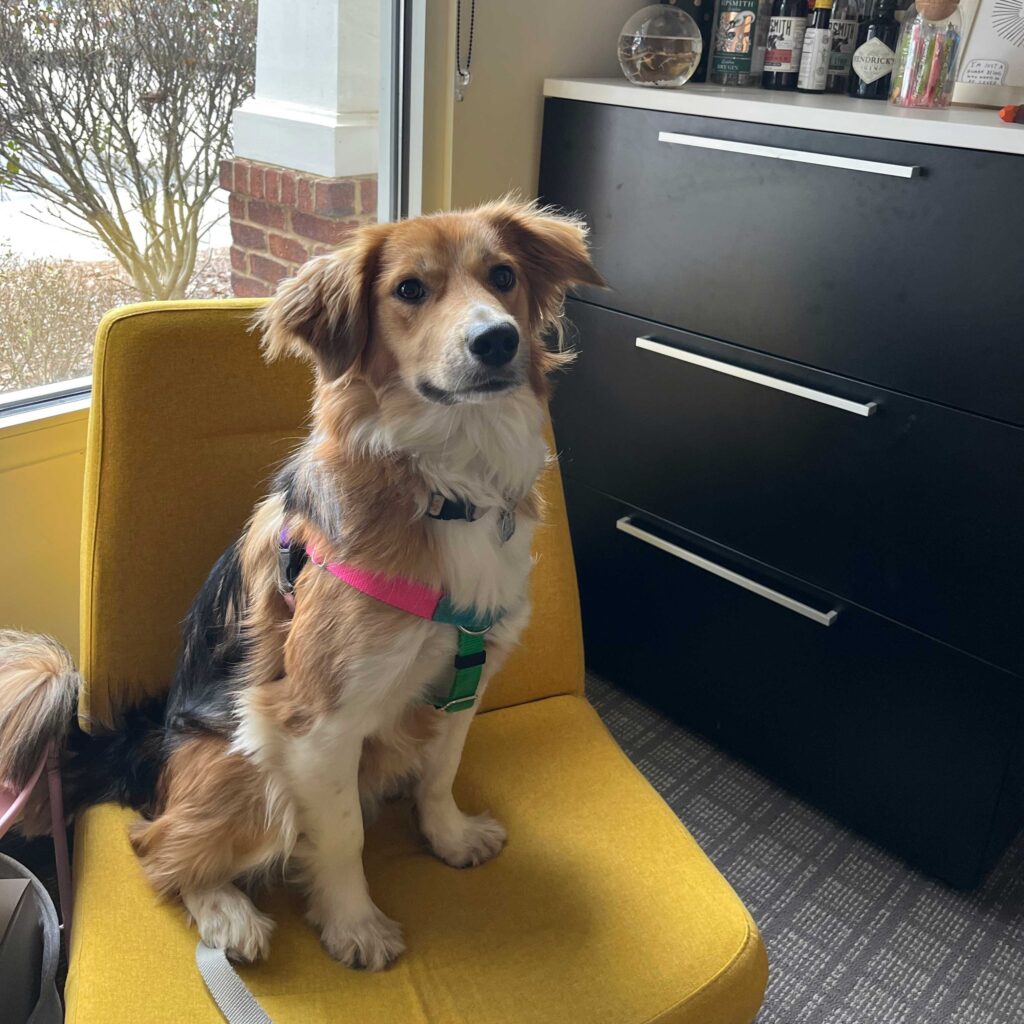
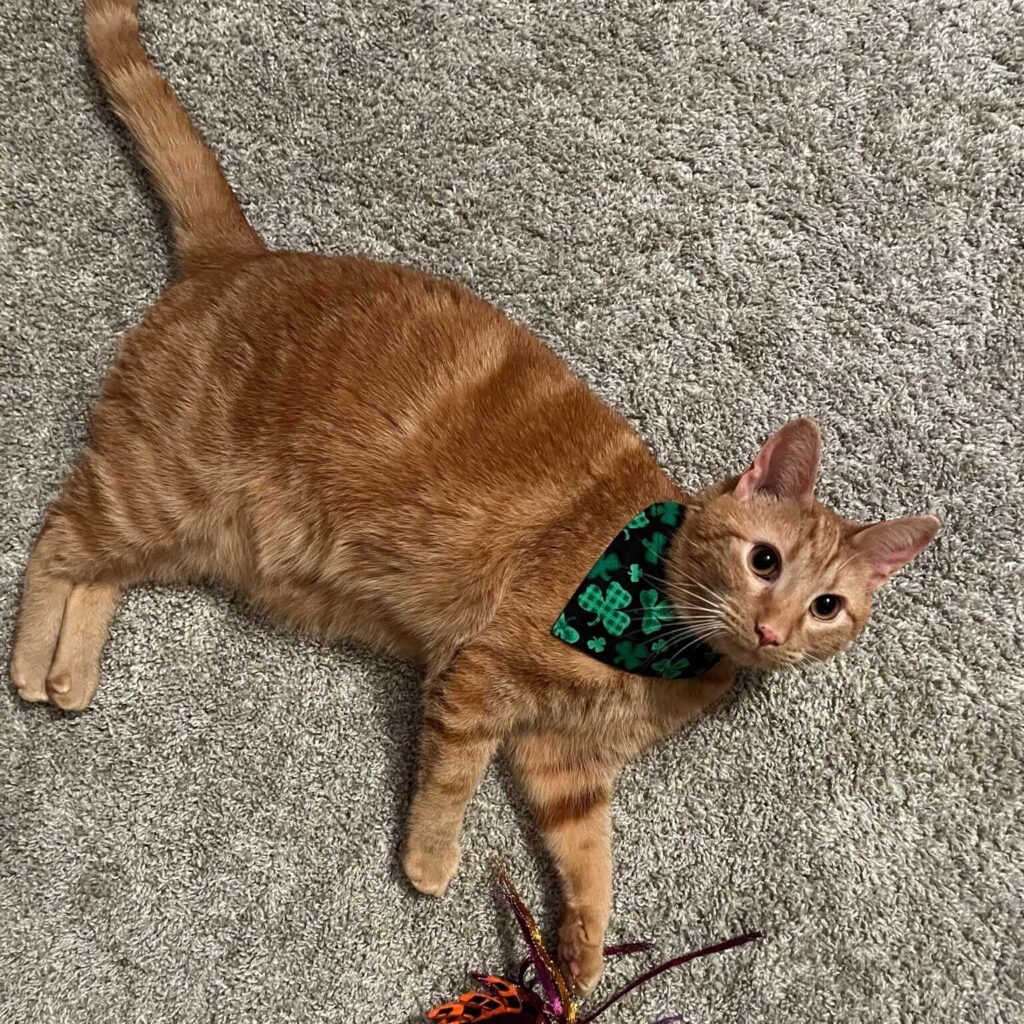

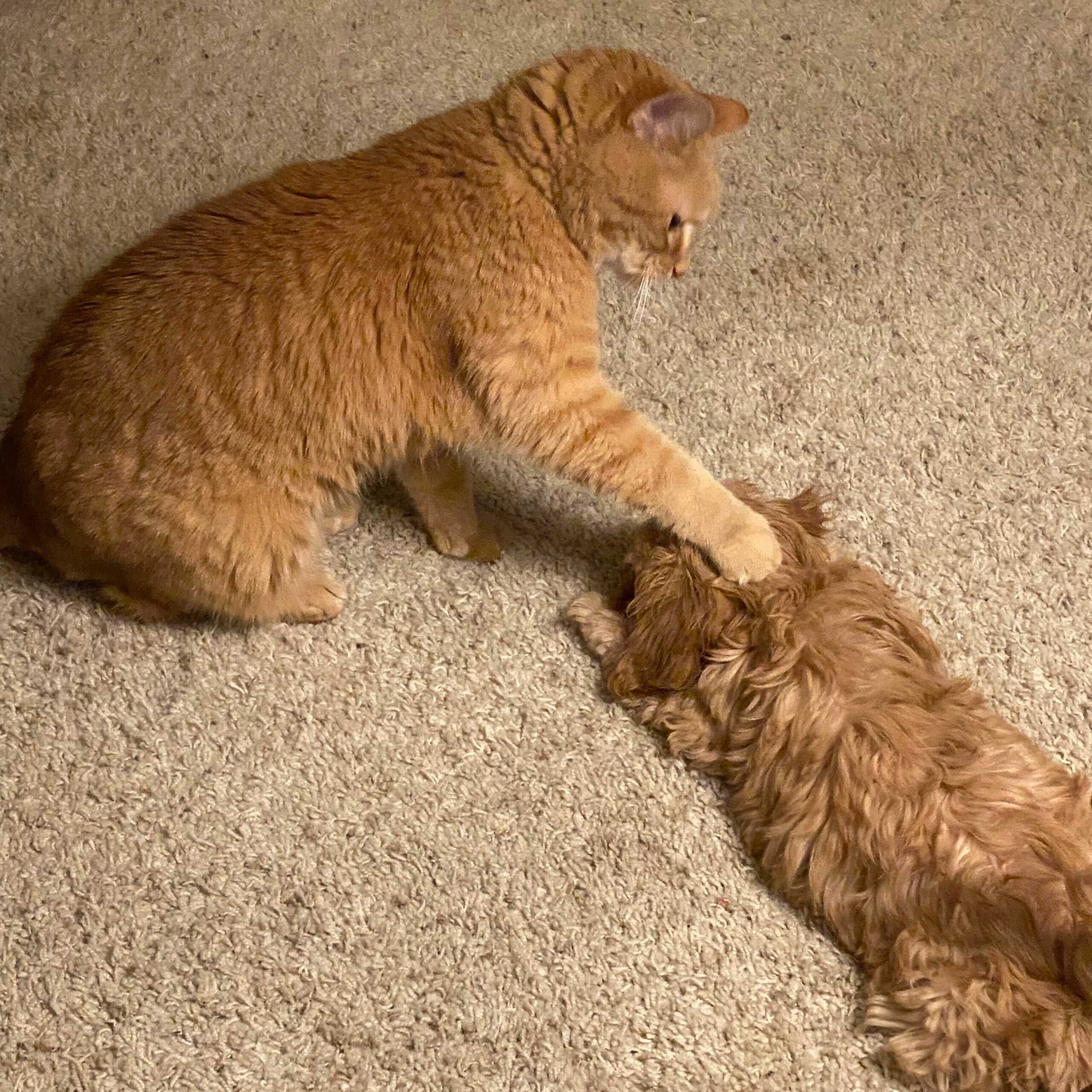
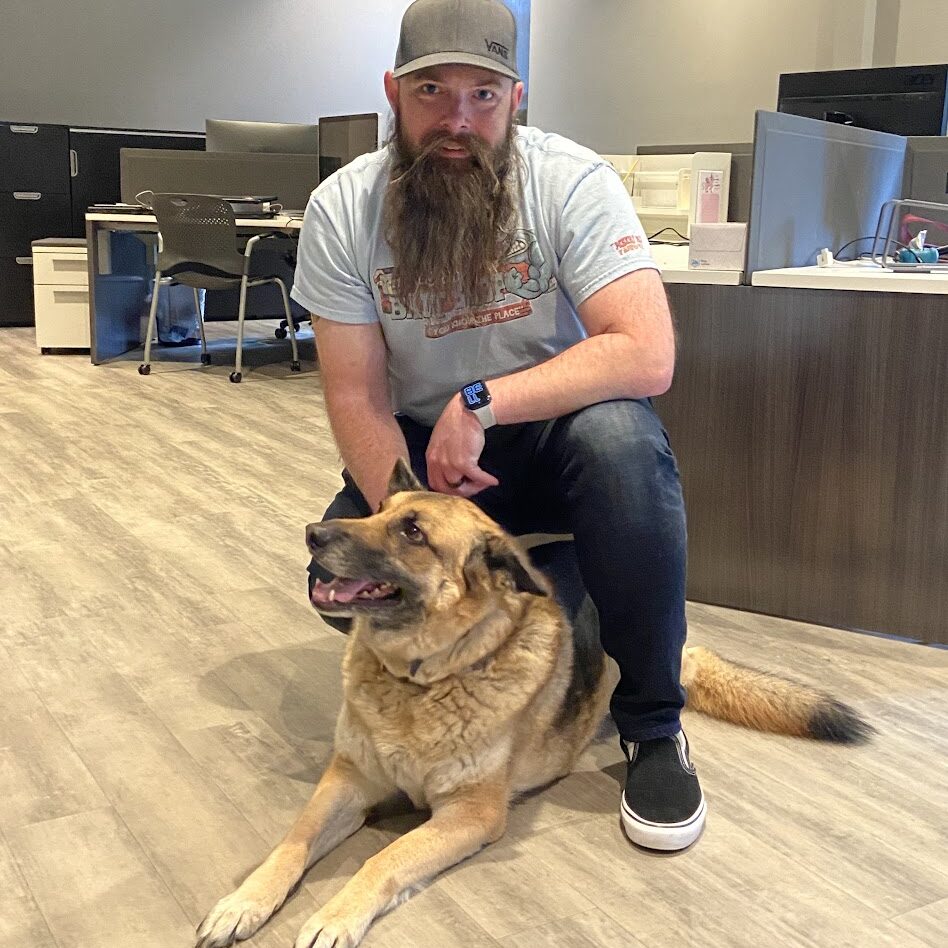

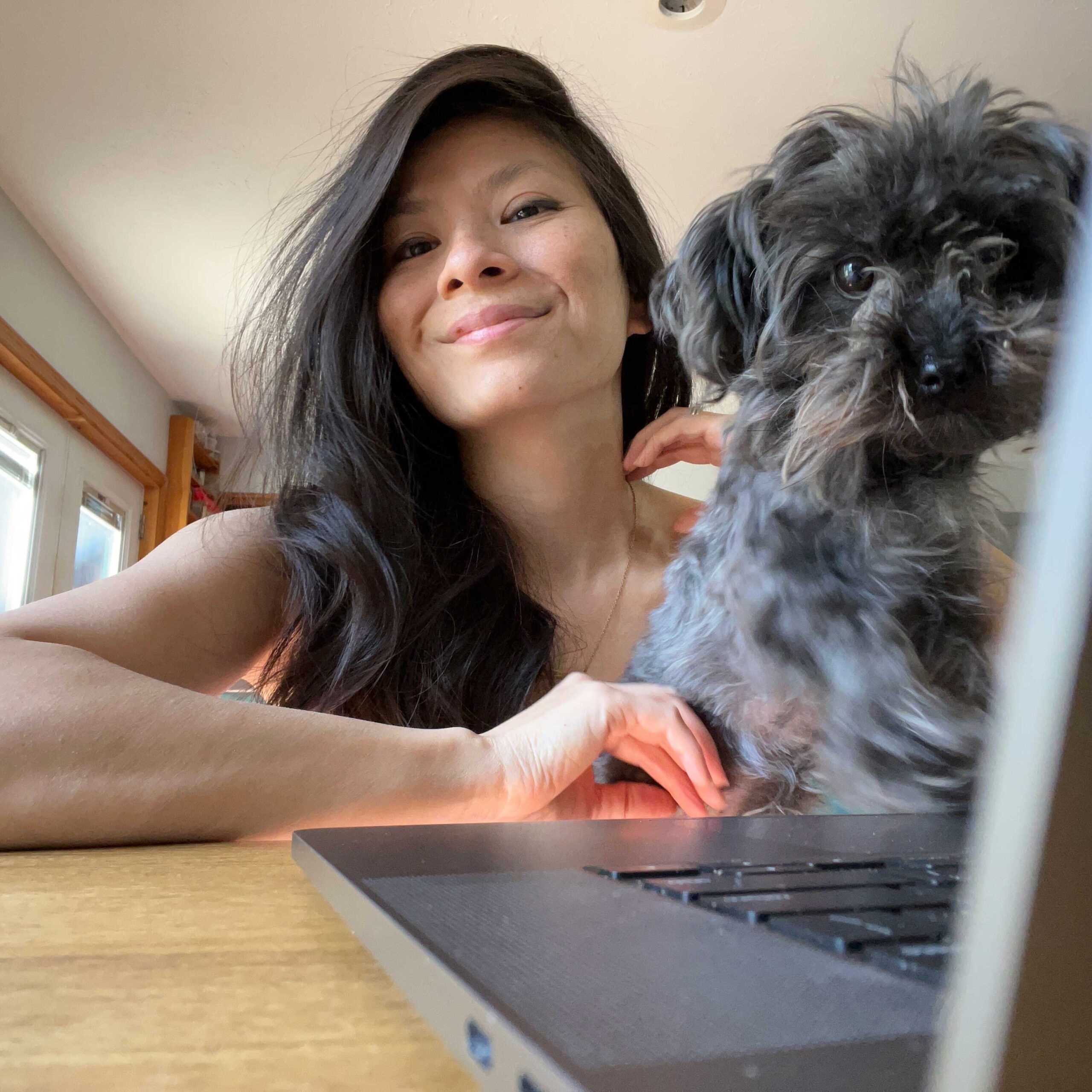



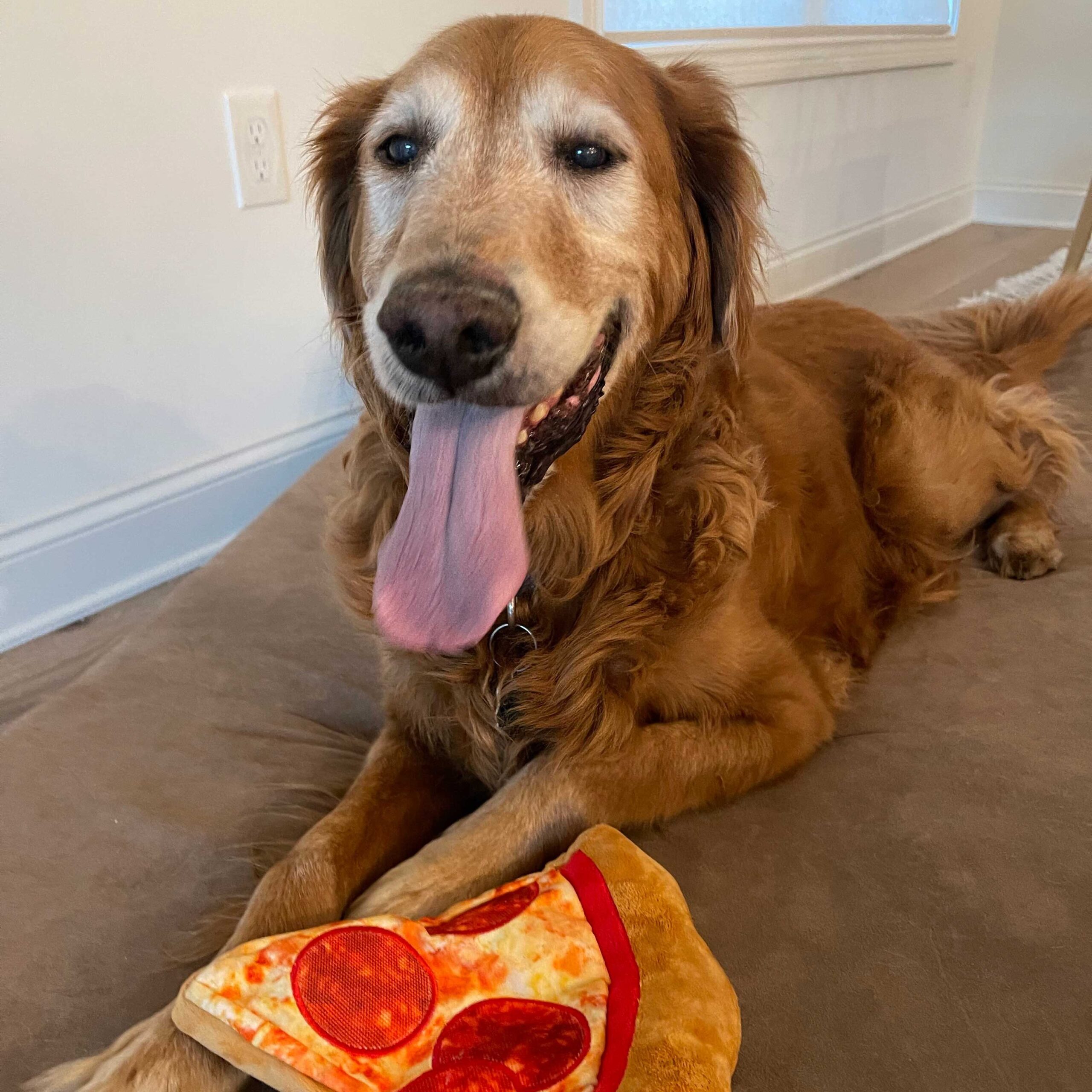

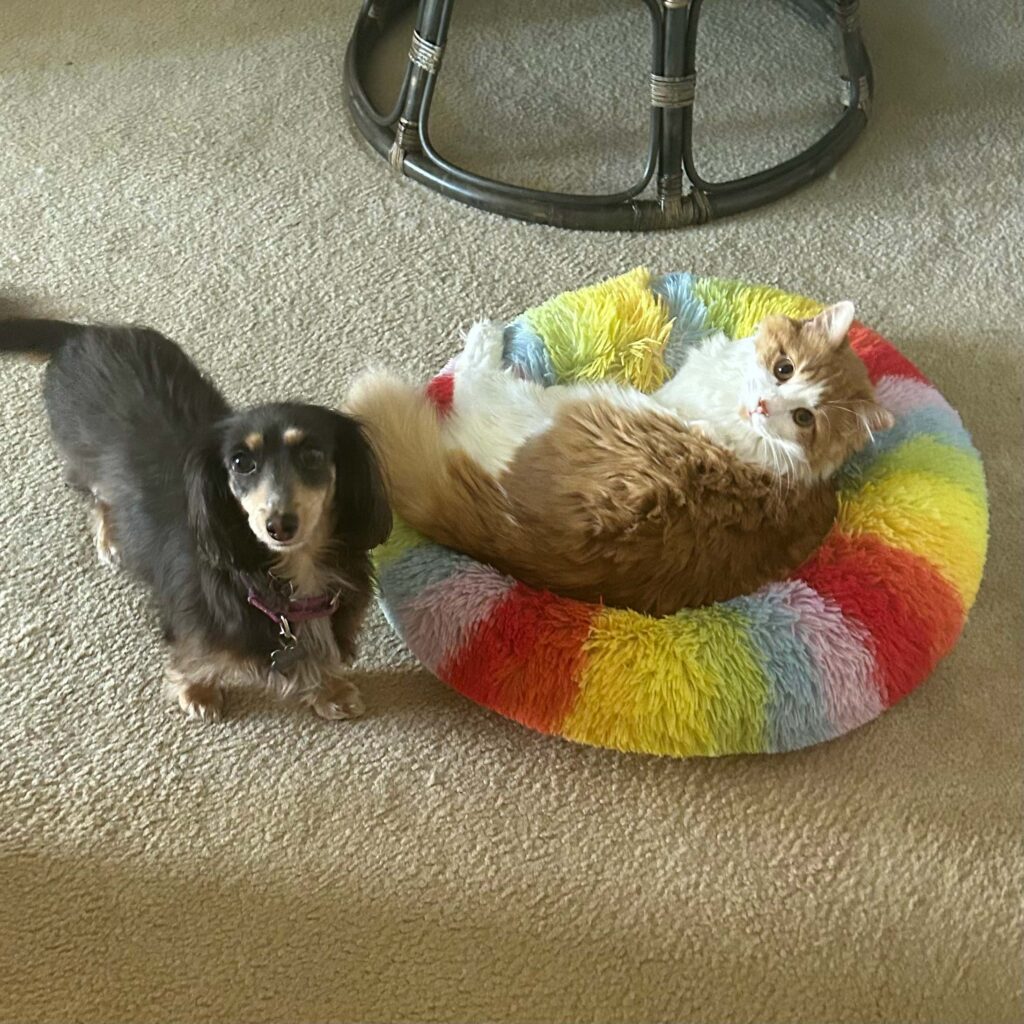
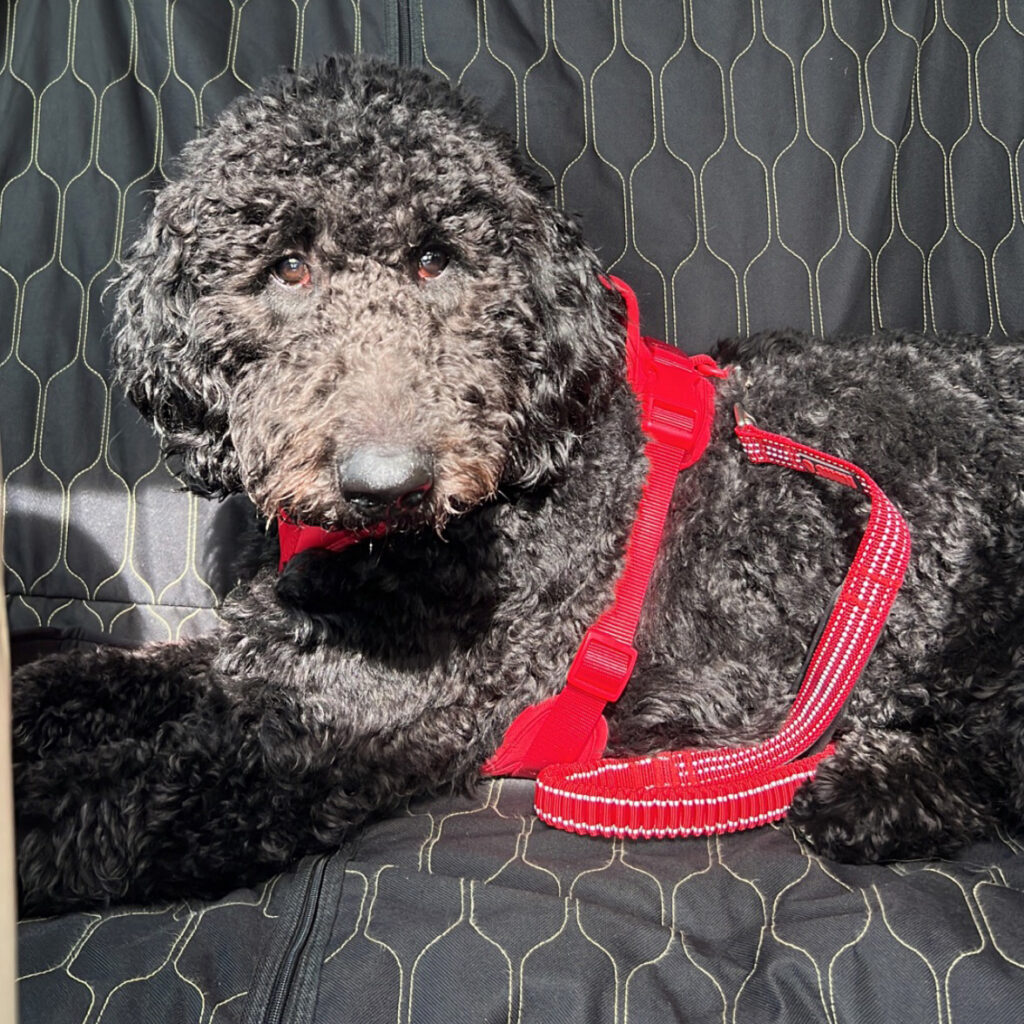
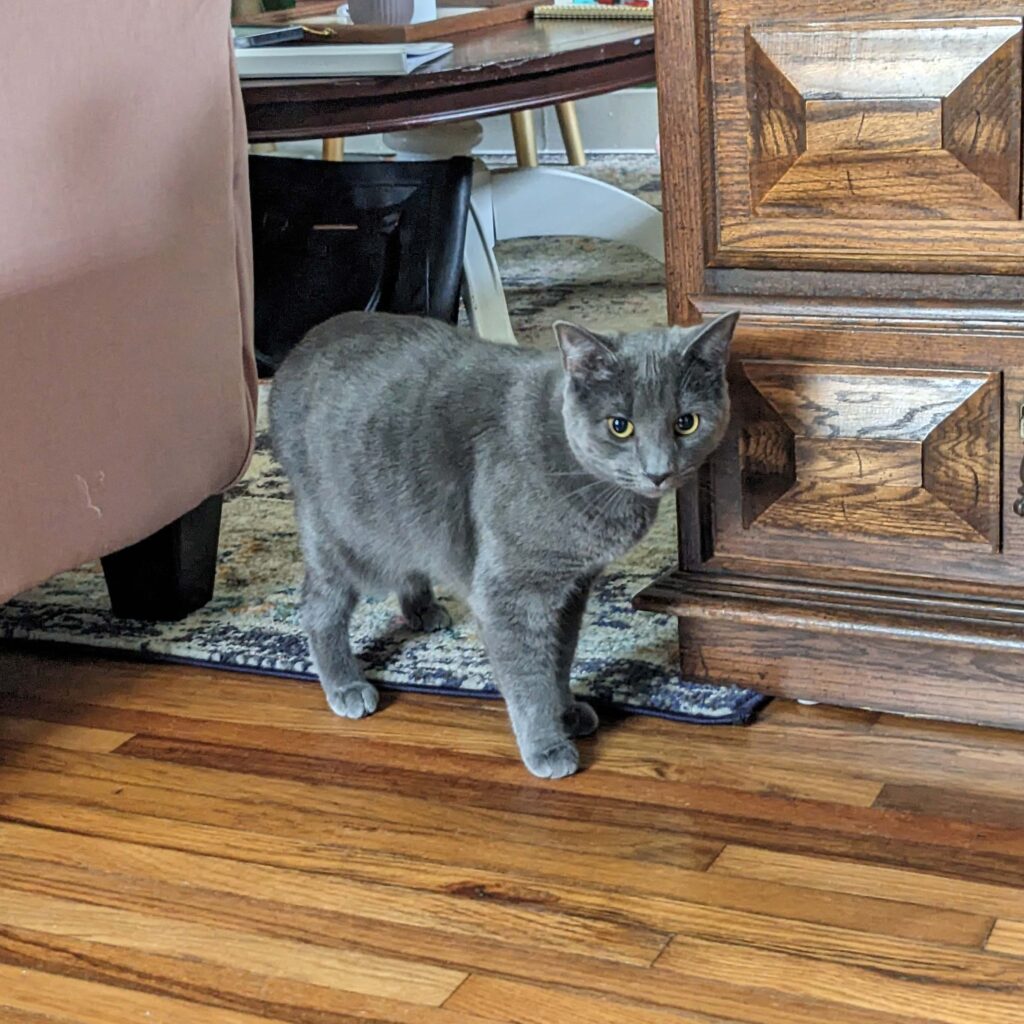
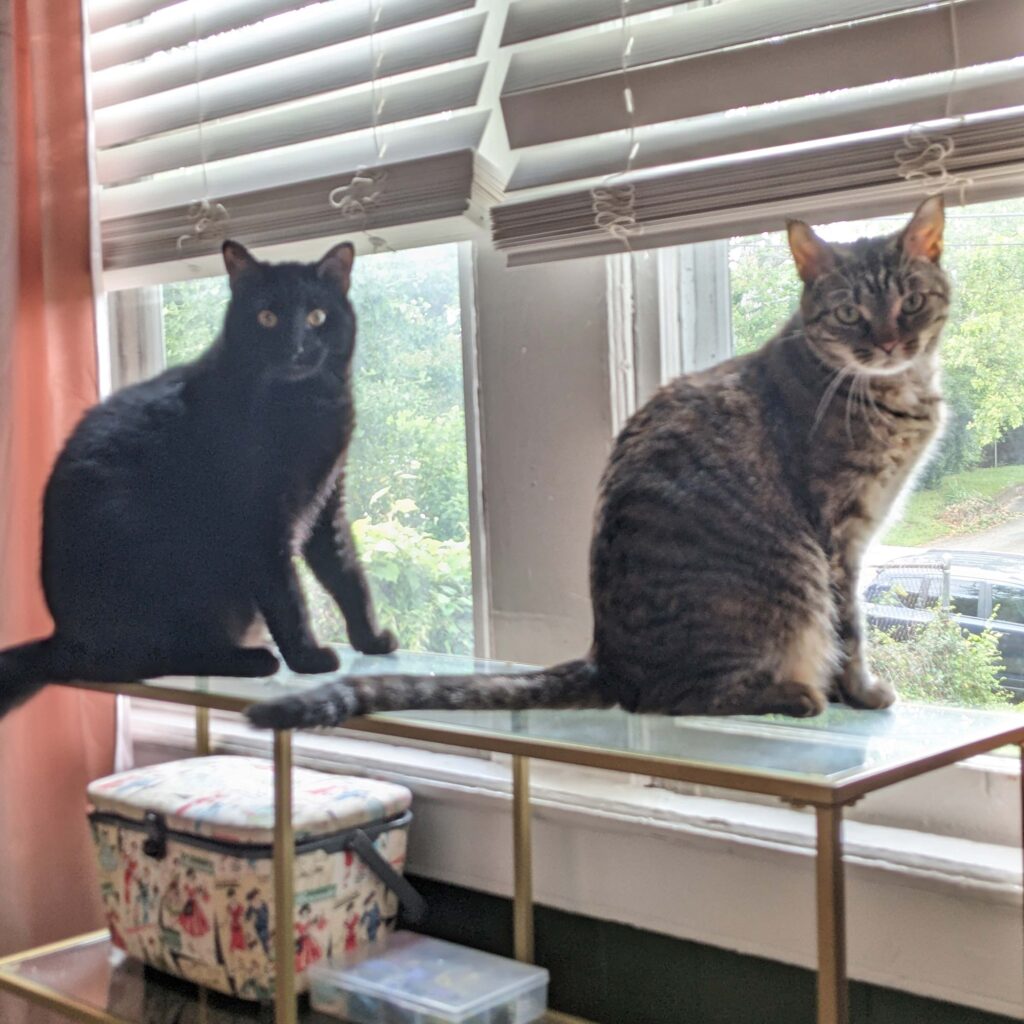
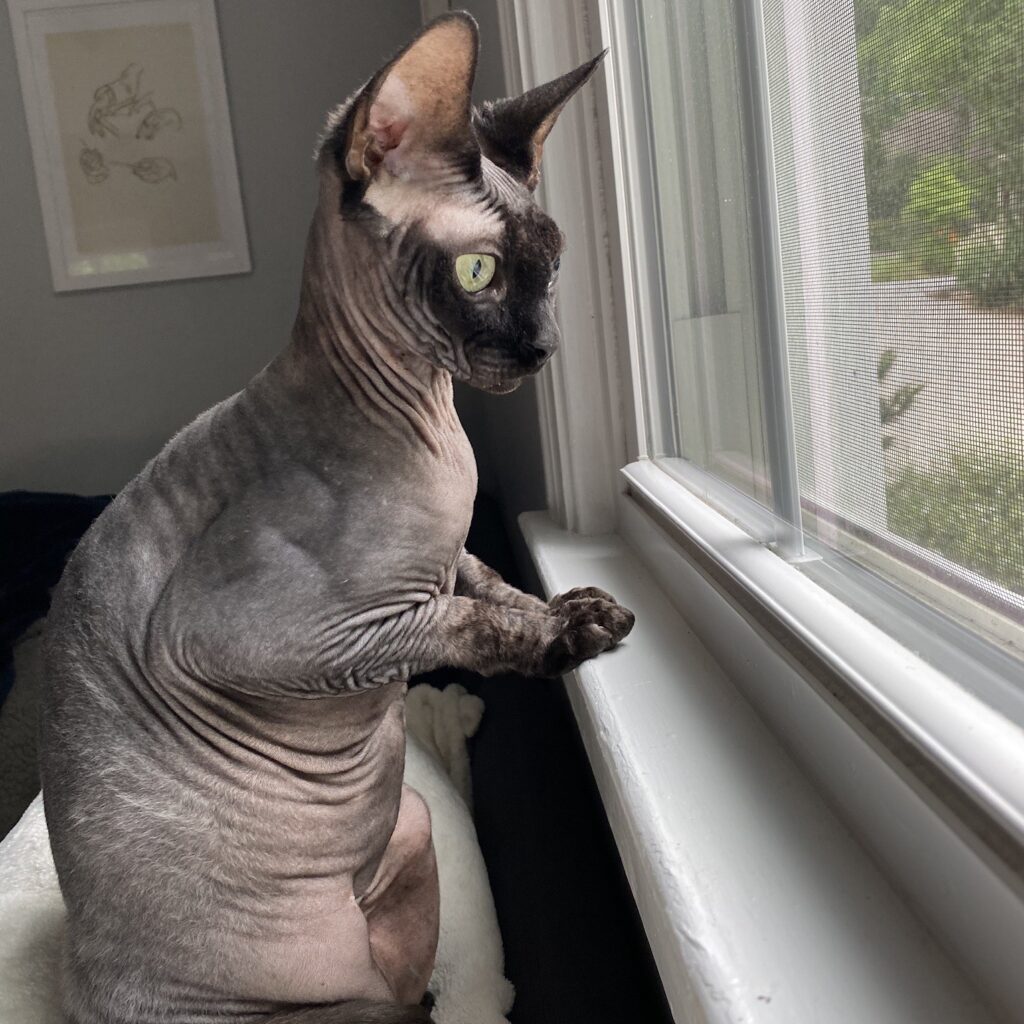
Today is National Bring Your Dog to Work Day! Designsensory has a dog-friendly office, so we often see cute pups spending the day, but today we wanted to celebrate all pets, even the ones that only work from home.
Zero-party data – the term has been thrown around quite a bit lately. But what is it? Why does it matter? And do we really want to give more personal information to businesses? Let’s dive in and find out!
First, let’s define what zero-party data is. It’s the information that customers willingly provide to businesses through various means like surveys, subscriptions, or even polls. This type of data is different from the standard first, second, and third-party data that most businesses are already using.
You might be thinking, “So what? I give out my information all the time. Who cares?” Well, you should care because zero-party data is the future, baby!
Now, you might be thinking that companies already have your basic information like your name, email, and maybe even your phone number. But that’s just the tip of the iceberg when it comes to zero-party data. This is the nitty-gritty, juicy stuff that really helps businesses understand what you want and need. It’s like the inside scoop on what makes you tick as a consumer.
This means that companies can use this information to personalize their marketing efforts to better meet your needs. No more generic ads that make you want to throw your phone across the room. Zero-party data helps companies send you ads and promotions that actually interest you. It’s like having a personal shopper, but for digital content.
Not only does zero-party data benefit the business, but it benefits you too! Instead of being bombarded with irrelevant ads and promotions, you’ll only see content that is tailored to your interests. It’s like your own personalized internet experience – and it’s something you’ll appreciate more and more over time.
Think about it: you wouldn’t want to get ads for products you’re not interested in, would you? Of course not. So why not share your preferences with businesses, so they can tailor their ads and promotions for you?
And let’s not forget about the trust-building between businesses and customers that zero-party data can bring. When companies show that they value the information you provide, it builds a sense of trust that is hard to come by in the digital world. Trust builds loyalty, and loyalty can lead to lifelong customers.
How awesome would it be to know that a business is catering to your specific needs and wants, rather than offering up a generic experience?
Zero-party data is the future of digital marketing, and it’s something businesses should embrace if they want to stay ahead of the game. By engaging with customers and getting to know their preferences, businesses can create a loyal customer base that will stick around for the long haul.
With all that said, there are certainly risks associated with zero-party data. For example, there’s always the possibility that companies could misuse personal information. There’s also the risk of confusing people with too many ill-conceived and irrelevant marketing messages.
However, businesses that want to use zero-party data must be transparent and ethical in their practices, and only collect data that customers feel comfortable providing. That’s where a solid data privacy policy comes in, which isn’t just responsible from a legal perspective, but it also shows customers that the company has their best interests in mind.
Zero-party data is the magic ingredient that can help businesses provide personalized, hyper-relevant experiences to their customers. By engaging with customers, businesses can create a loyal customer base that will stick around for the long haul. But companies must be transparent and ethical in their practices to make it work.
So the next time you’re asked to take a survey or provide some personal preferences to a company, don’t be afraid to share! Giving up zero-party data is a win-win for everyone involved. And let’s be honest – who doesn’t want more personalized, relevant experiences online?
The content above was written using ChatGPT, and lightly edited by human hands and brains.
Designsensory is thrilled to announce that we are adding two talented individuals, former interns Jua Im and Jacqueline Juneau, to our team! Jua and Jacqueline graduated from University of Tennessee, Knoxville in May and will be starting full-time this July. We are excited to add Jua’s unique skills to our UX team and Jacqueline’s to our design team! They are sure to bring innovative ideas and fresh perspectives to the table.

“My goal is to make this project real and expand it to other endangered species. By creating these cards, I got to learn more about really wonderful animals and [how they] tie into climate change. Hopefully, this speaks to others and gets people to learn more too,” Jua Im said about her project.
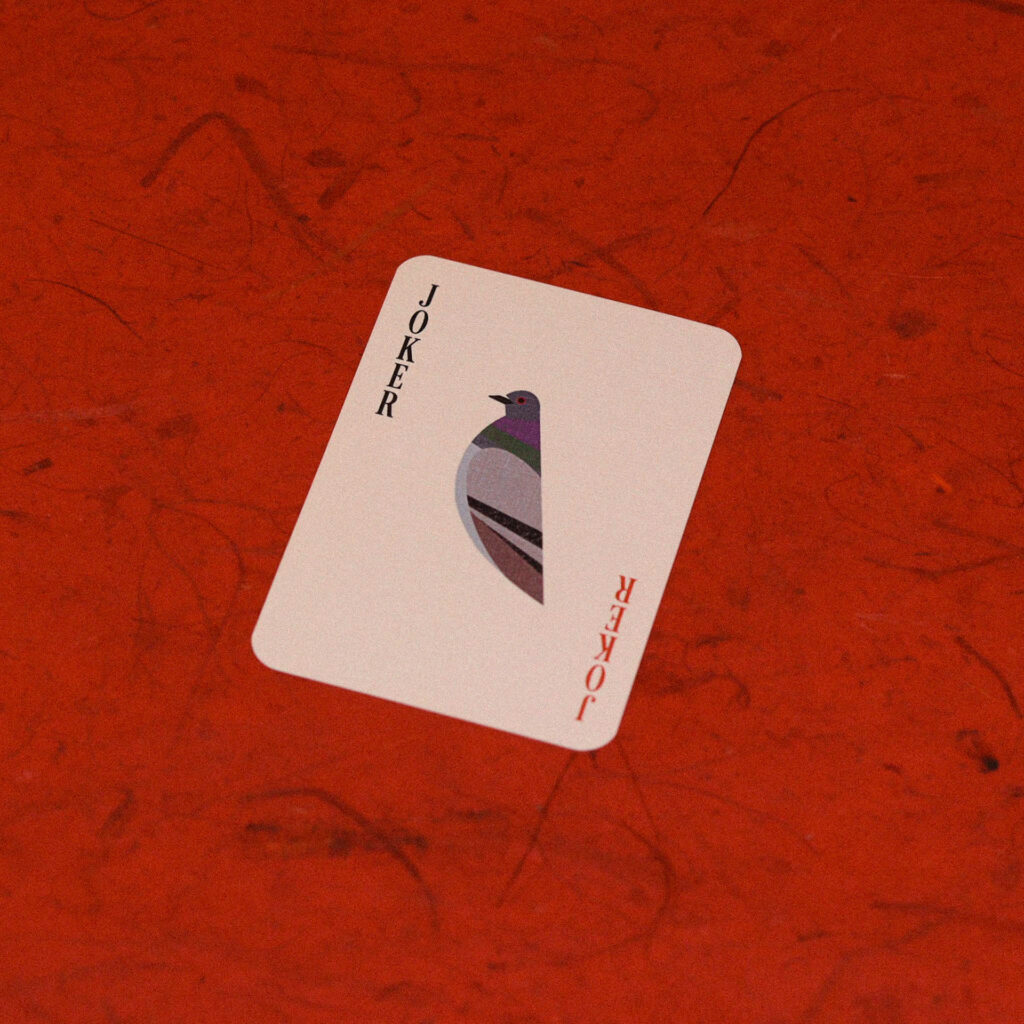
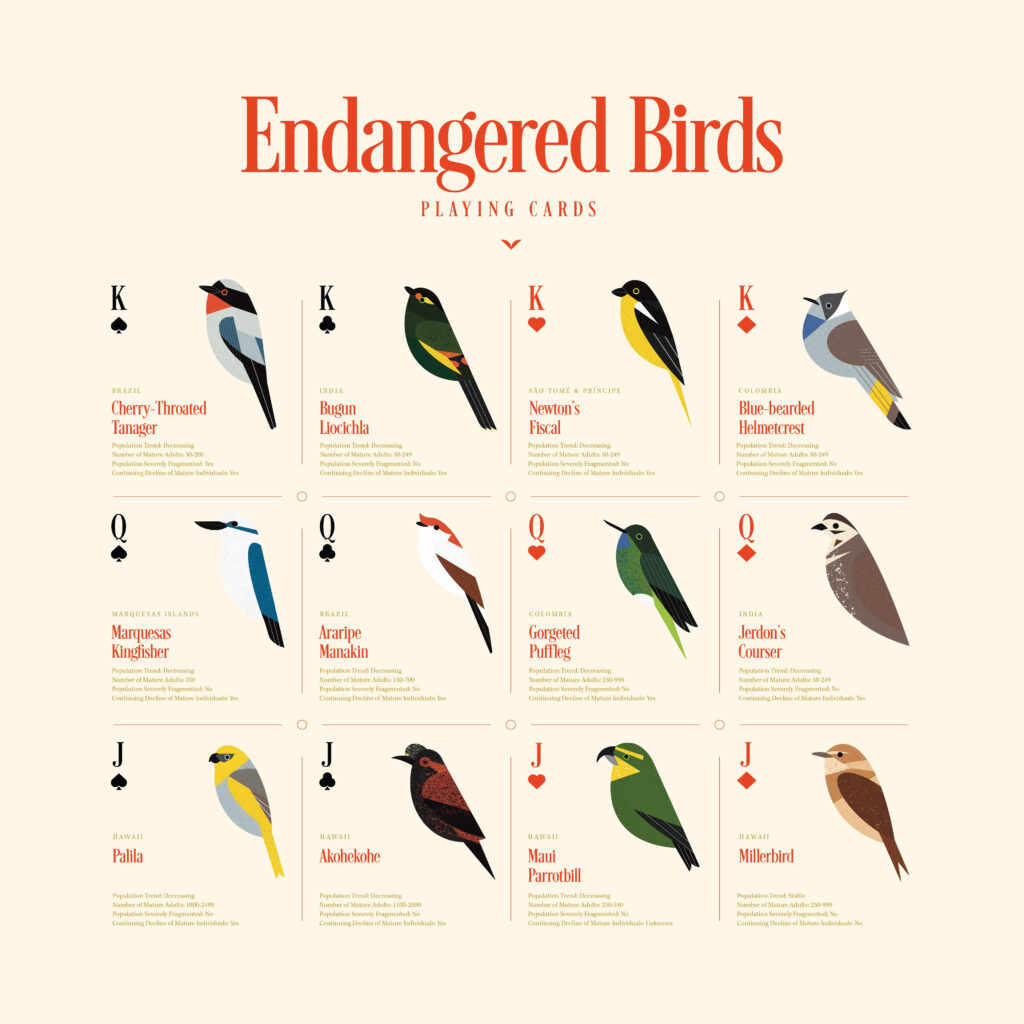
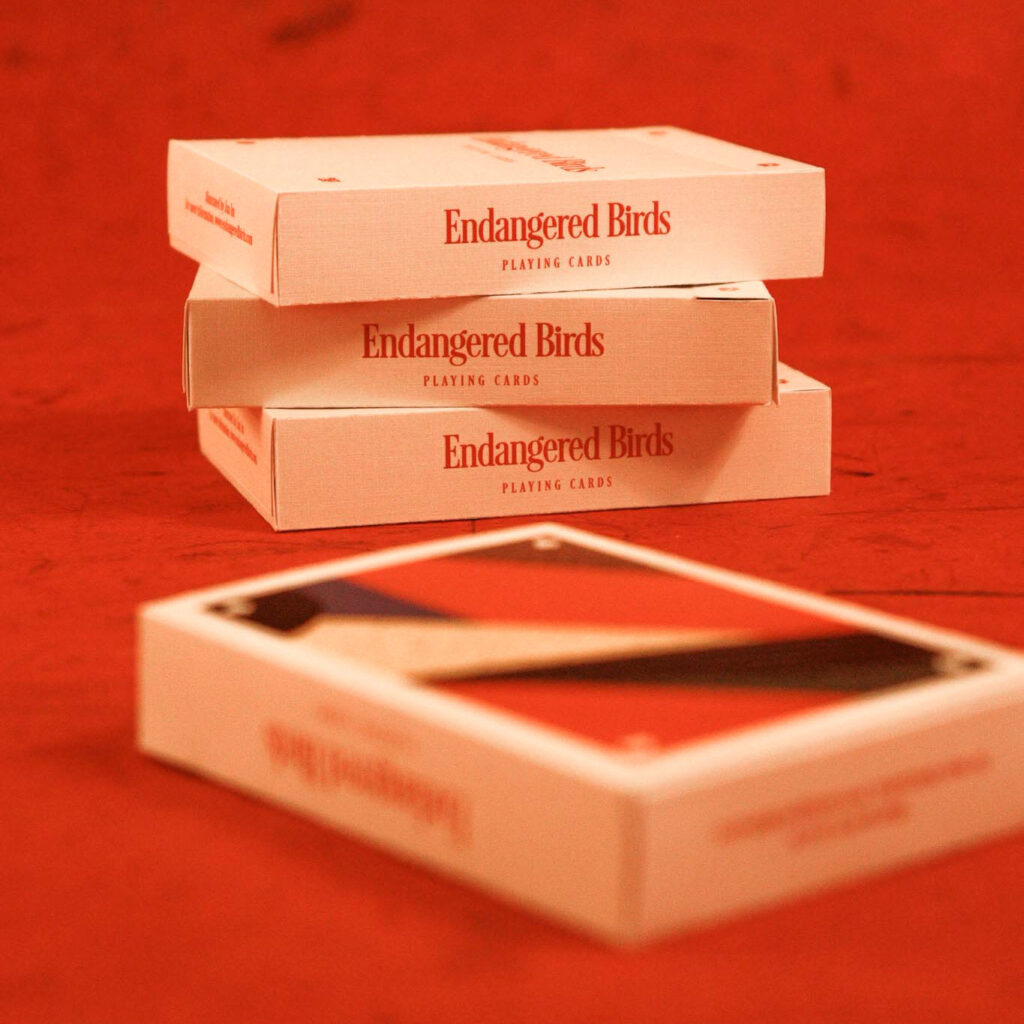
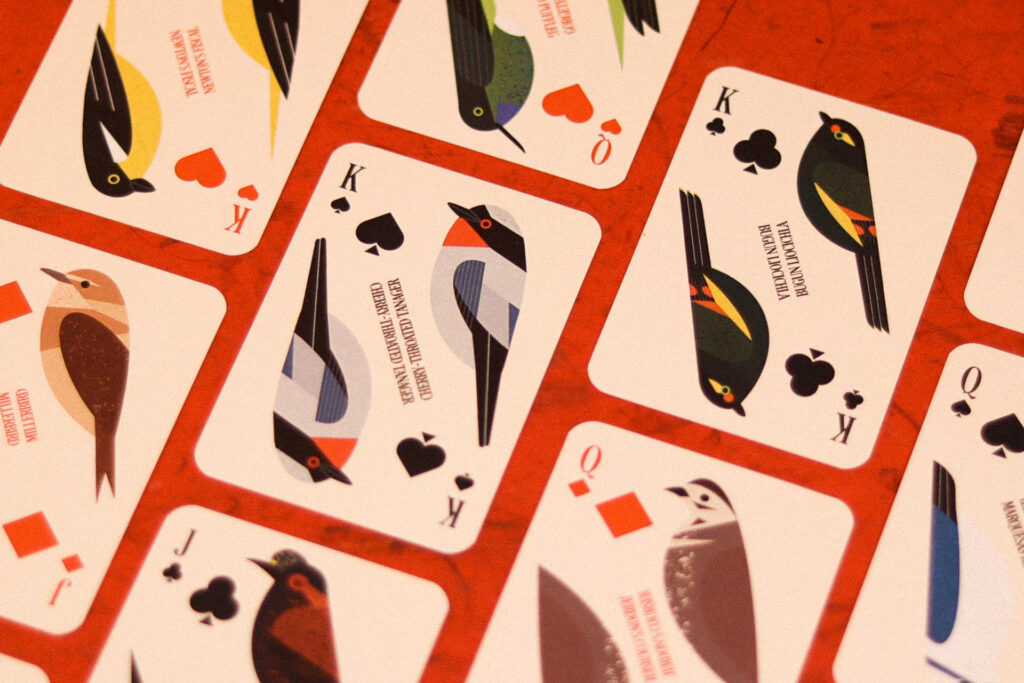
Jua imagined for her project a deck of cards developed in partnership with environmental organization The International Union for Conservation of Nature (IUCN) Red List. Called the Endangered Birds Playing Cards, the project design highlights twelve small critically endangered birds. Paired with a website, the goal of this project is to increase awareness and engagement and raise funds (via sales of the cards) for the critically endangered animals.
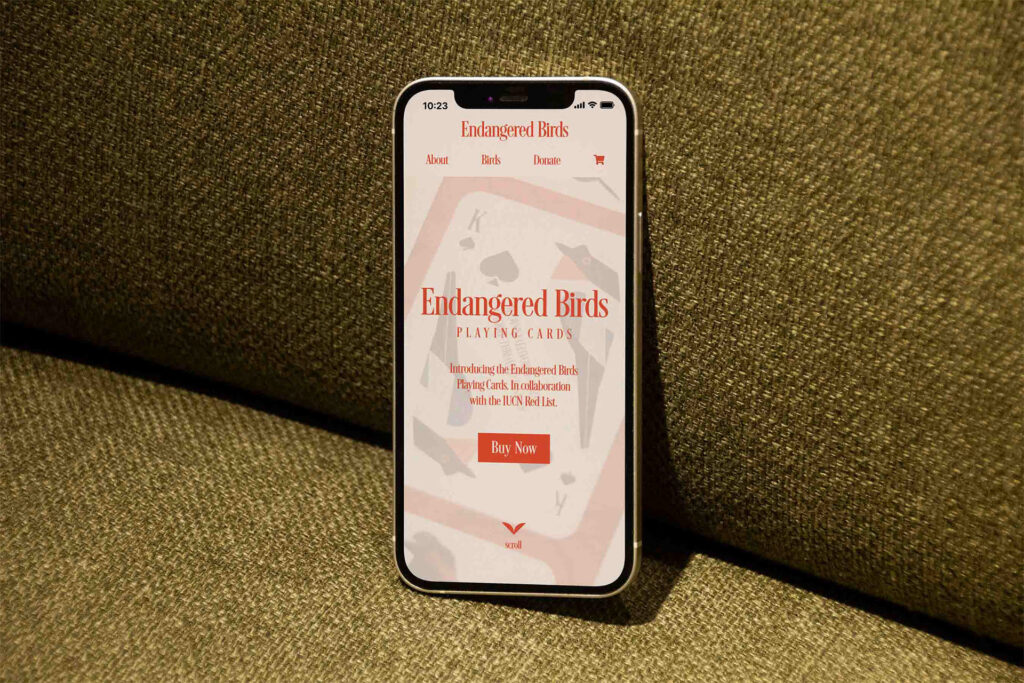
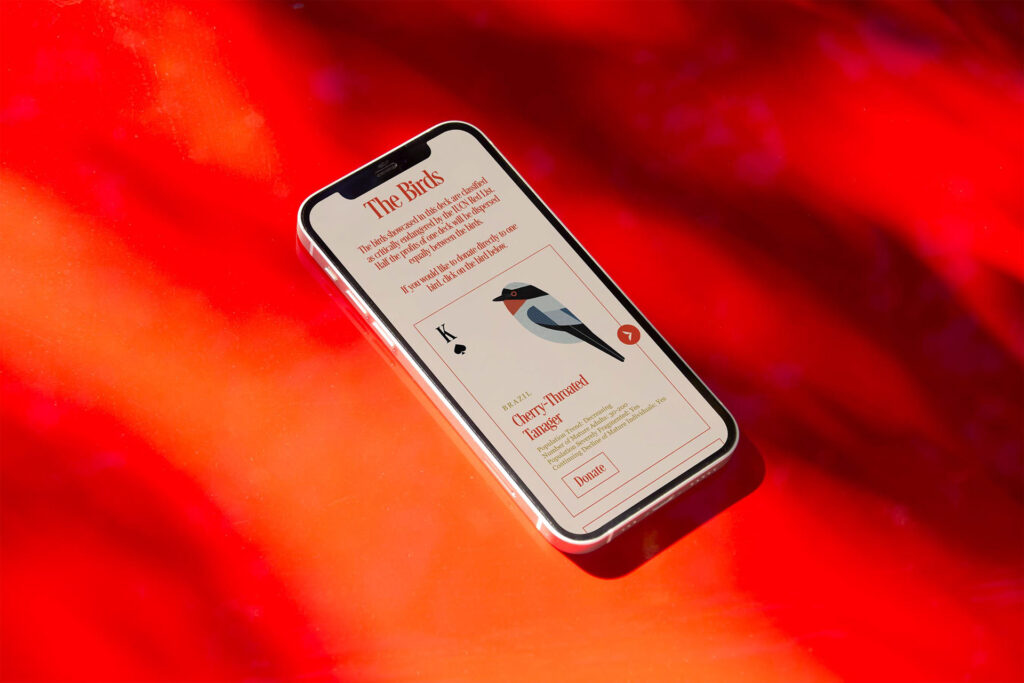
The cards are both visually stunning and environmentally friendly, crafted using premium FSC-certified recycled paper sourced from sustainable forests. The inks used are vegetable-based, and the laminates are starch-based, minimizing harm to the planet. All shipping materials are also recyclable, reducing the cards’ environmental impact.

Jacqueline says, “What interested me the most was the sharing that was happening throughout the community of sourdough bakers. They share starters, recipes, pictures, oven set-ups, scoring patterns; the list is endless and varied!”
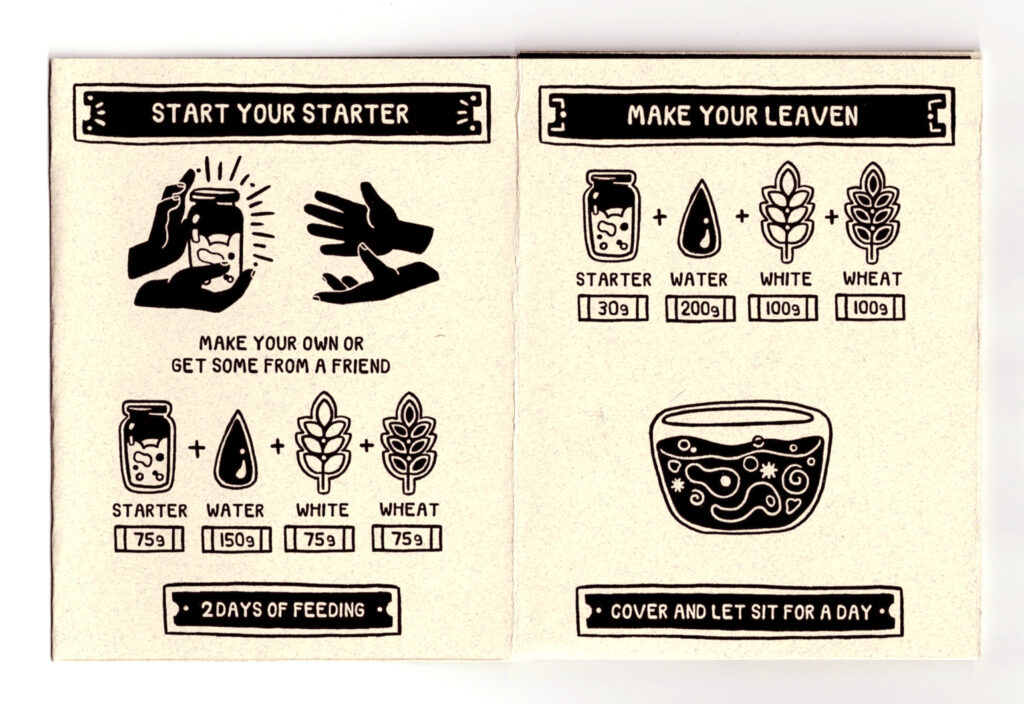
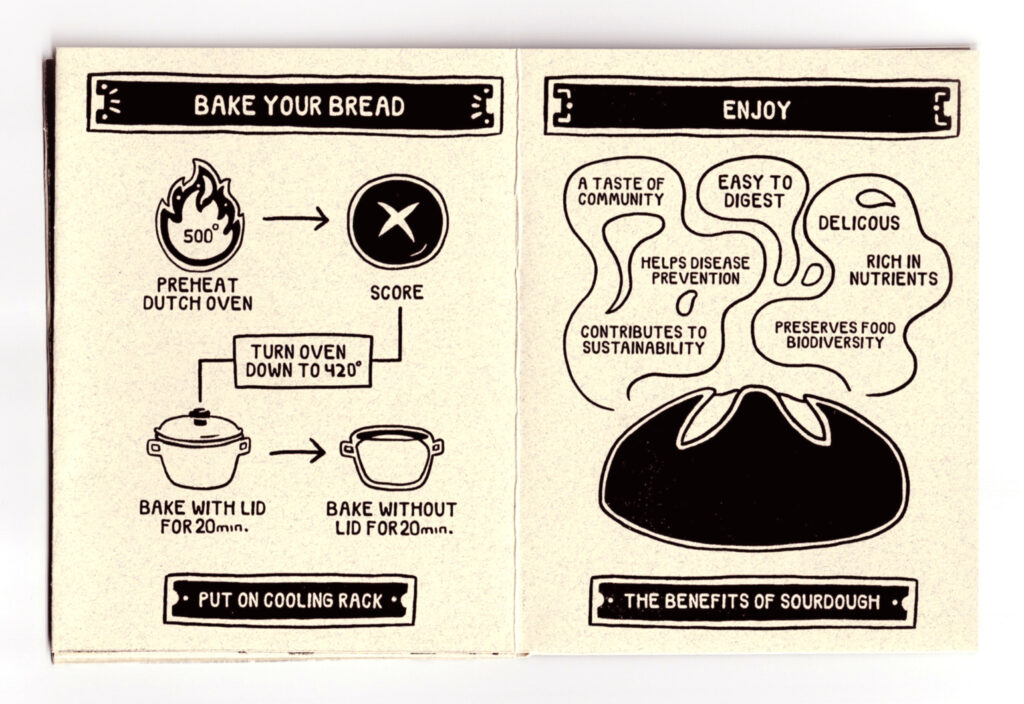
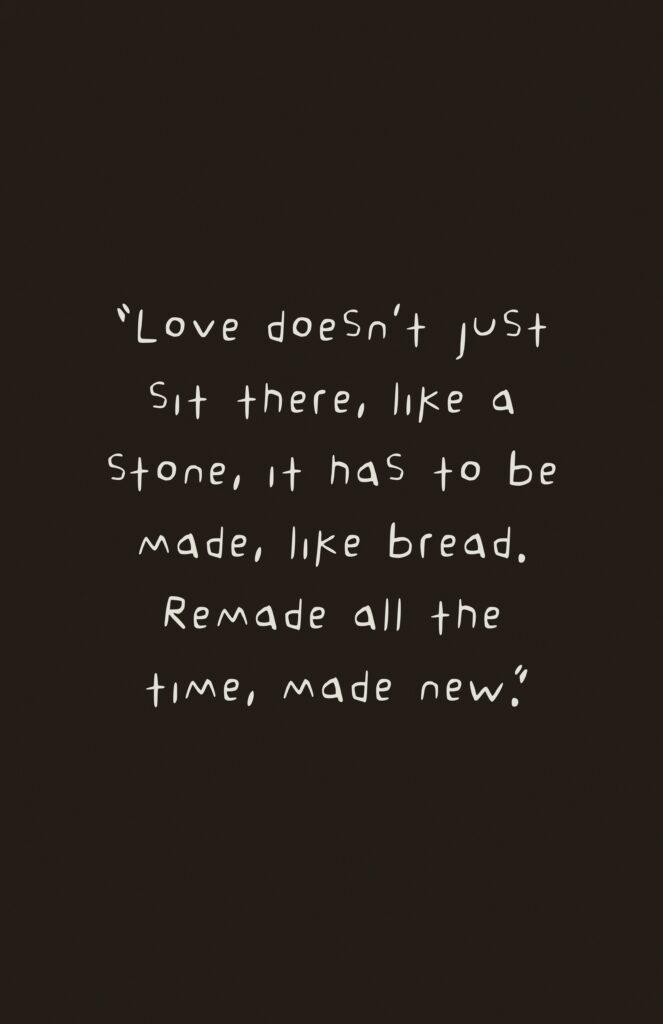
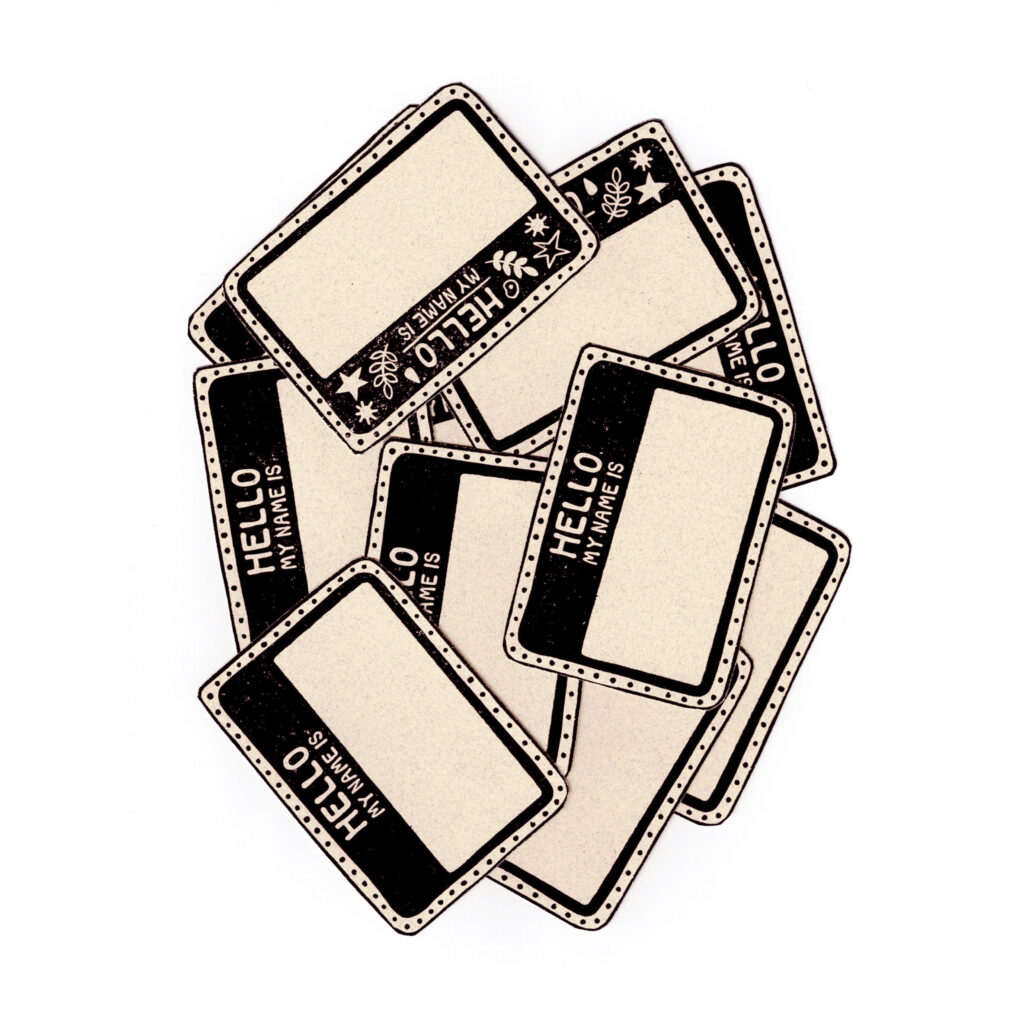
Intrigued by the mysterious and unique nature of starter and its ability to give people a taste of their environment, Jacqueline captured the sense of helpfulness and community among the sourdough bakers with an illustrated zine for beginners. She created fonts for the zine based on dough and scoring, and designed matching name tags for starters.
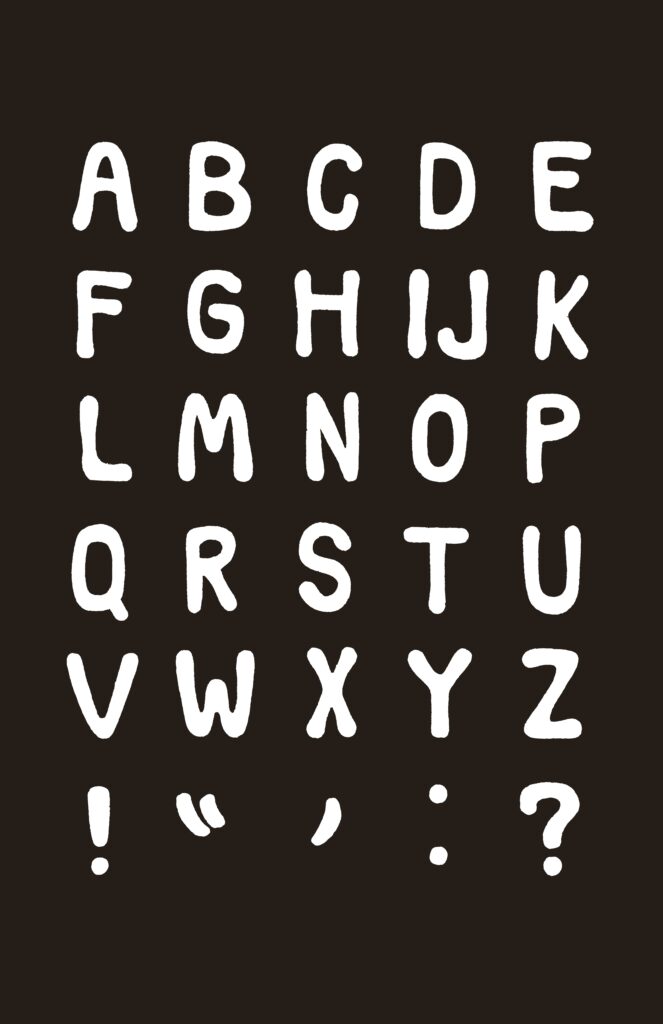
Left: Font based on bread dough
Right: Quote written in font based on dough scoring.
“Love doesn’t just sit there, like a stone, it has to be made, like bread. Remade all the time, made new.”
-Ursula K. Le Guin, The Lathe of Heaven
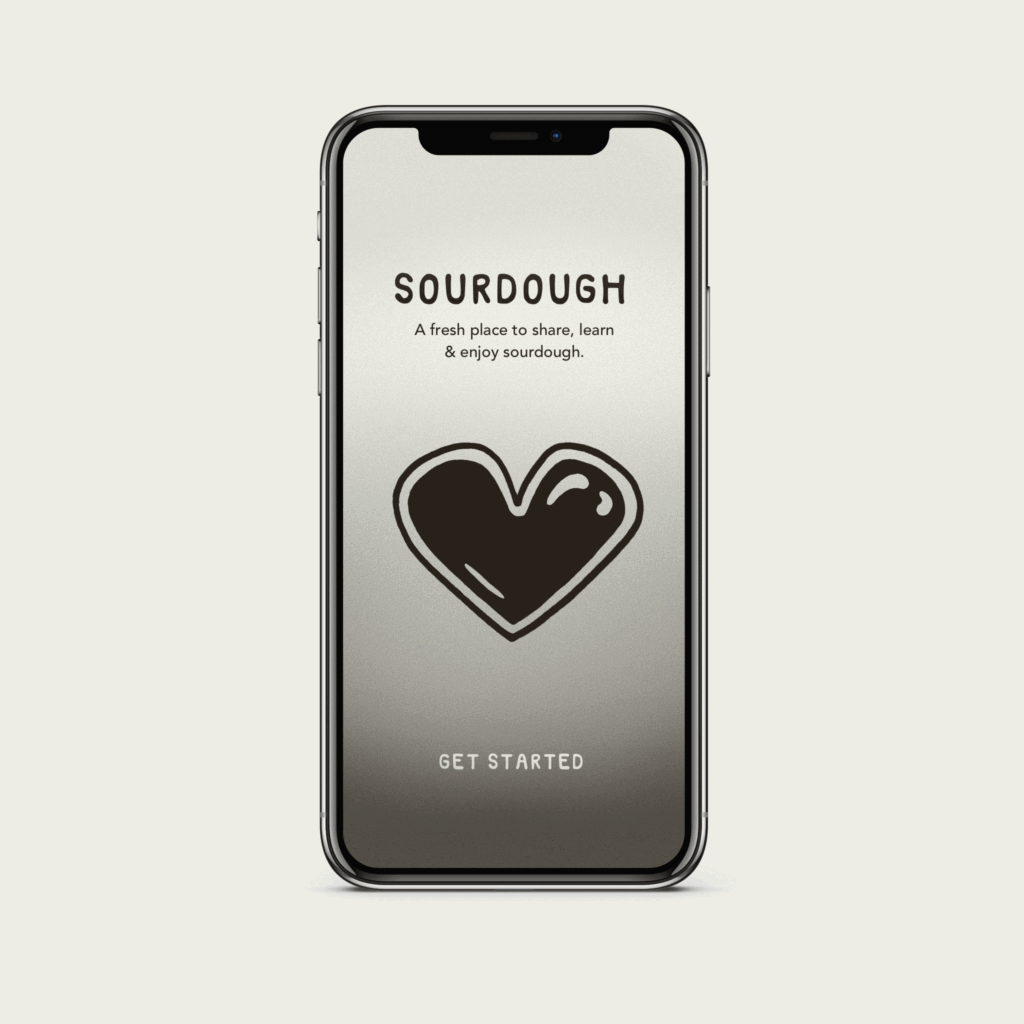
Taking the idea of community a step further, Jacqueline added an app concept that would help sourdough enthusiasts connect and share with each other.
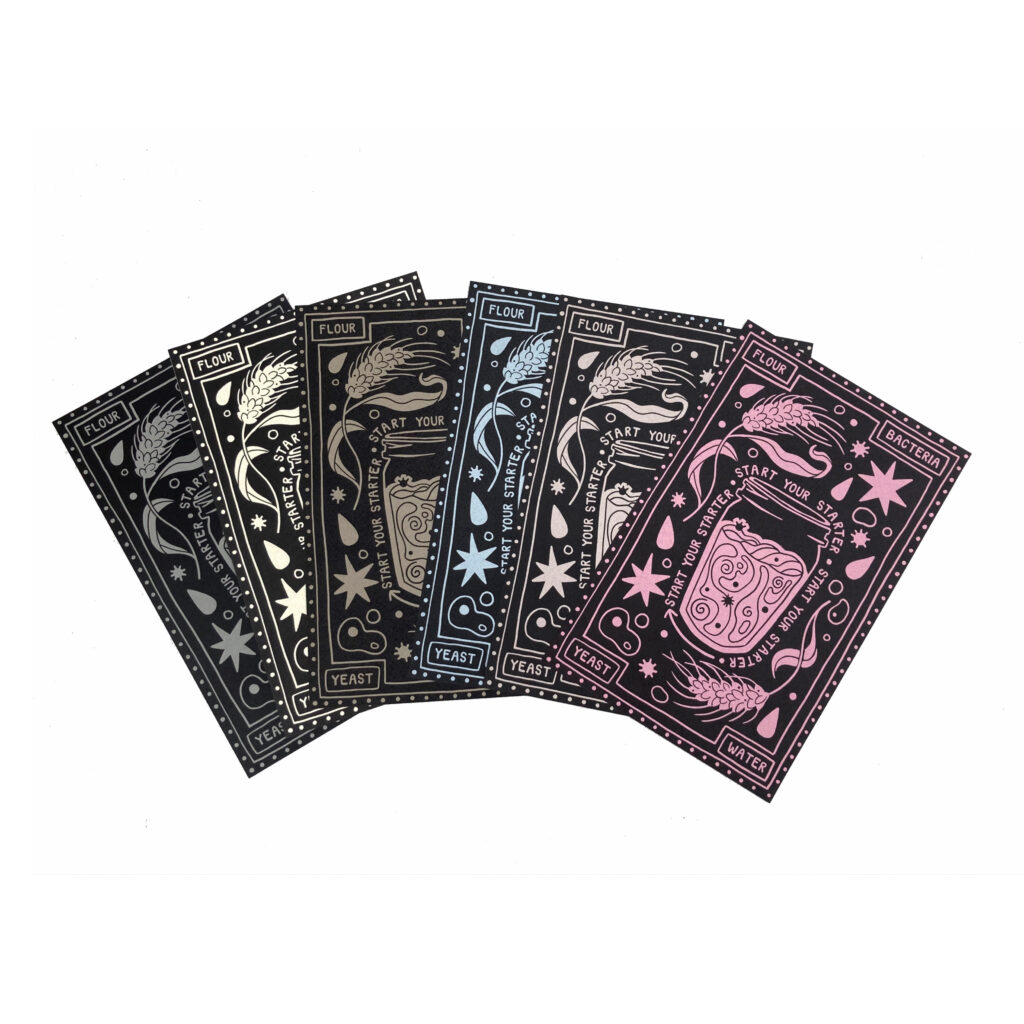
We are so proud of our newest team members for their senior thesis projects and we can’t wait to see more of their creative ideas in action!
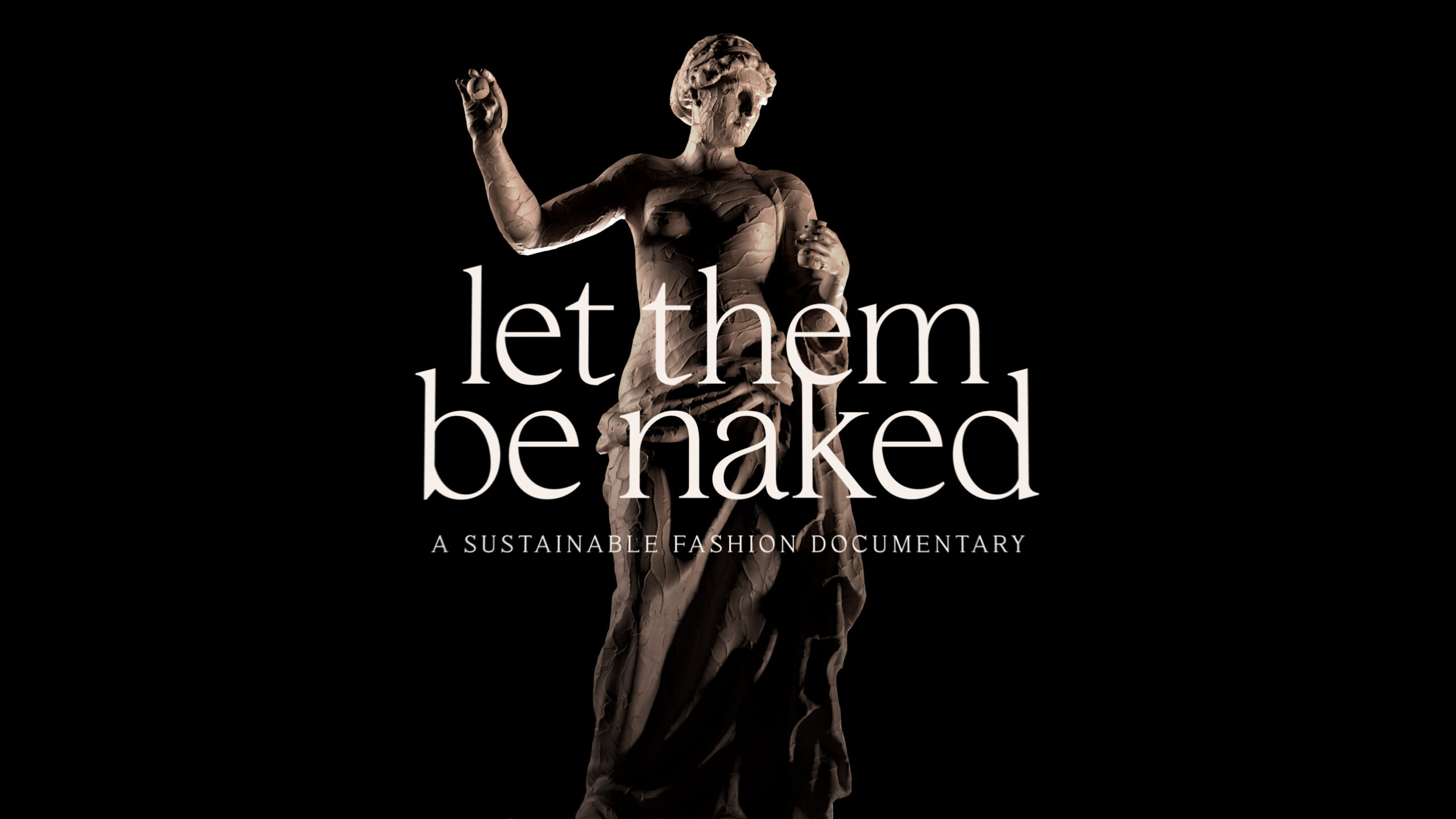
The Redford Center announced it will provide fiscal sponsorship for a sustainable fashion documentary produced by Prophetik designer and eco-fashion pioneer Jeff Garner with the Knoxville-based agency Designsensory and production partner PopFizz.
The Redford Center is a nonprofit organization in the United States that is committed exclusively to producing environmental impact films. As a fiscal sponsor, they provide support to filmmakers by managing donated funds and ensuring that they are used for their intended purpose, all while allowing creators to retain complete creative control over their work. The Redford Center leverages the power of media to captivate audiences with compelling narratives that inspire them to take action in support of the environment.
The documentary “Let Them Be Naked” (working title) will delve deeper into uncovering the health implications of the toxins and dyes utilized during the manufacturing and production of modern clothing. As host, Garner will connect with industry forerunners who are developing innovative solutions to the reliance on petroleum-based fibers and heavily-laden chemical processes to offer safer, nontoxic apparel that considers the health of the human and planet.
Watch the trailer:
Garner, who was just named the Global Sustainability Fashion Chair for Global Greens, reached out to Designsensory to collaborate on this project after the success of their 2017 Emmy Award-winning documentary, “Remastered,” profiling Garner’s artful approach to substance and sustainability in the fashion industry. “Let Them Be Naked” is not only timely, but also deeply personal for Garner, who has lost loved ones to cancer and exposure to harmful chemicals.
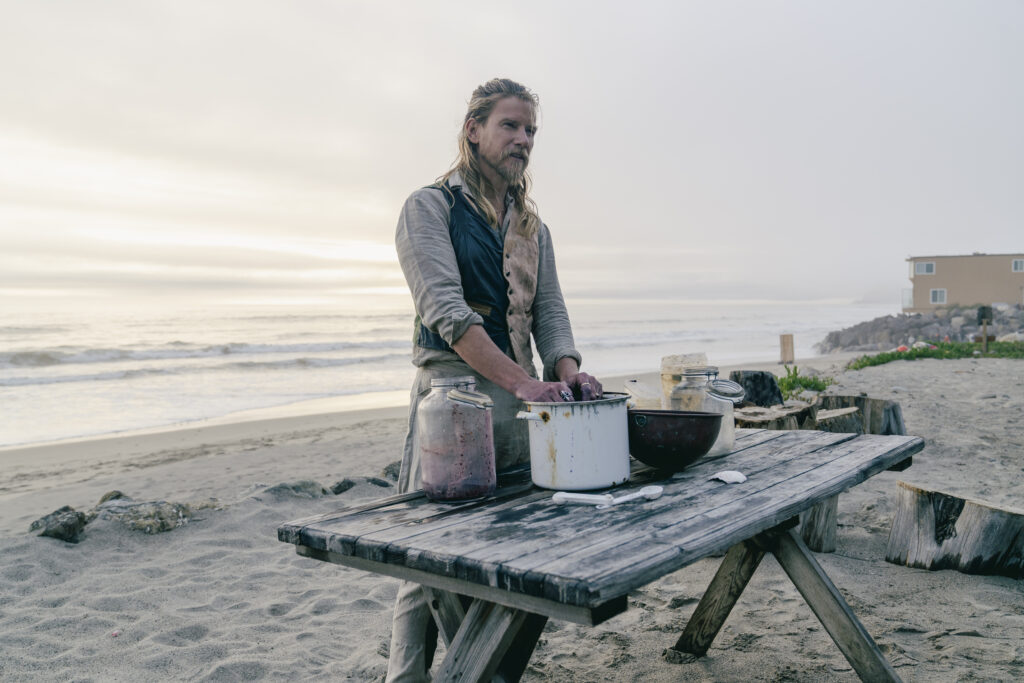
“We are so fortunate to have met Jeff when shooting “Remastered” for the Tennessee Department of Economic Development,” says Joseph Nother, Co-Founder of Designsensory, who is also Executive Producer and co-creator of this new program. “We are honored to work with him again on this significant project that not only advances his influential work but brings into focus the importance of sustainably produced fashion.”
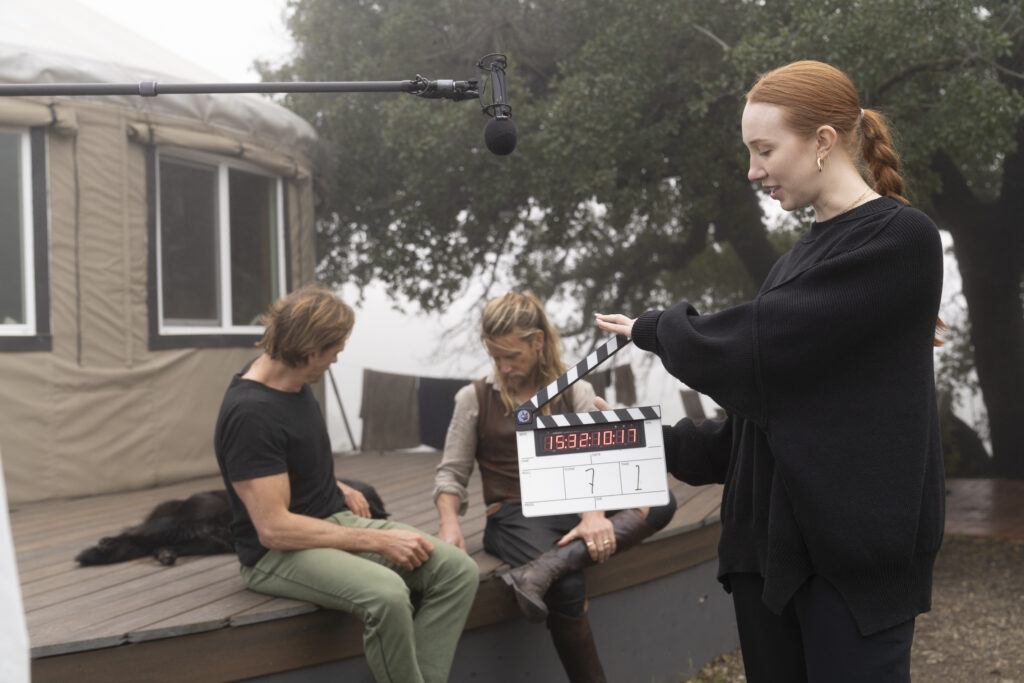
Designsensory has already begun filming, traveling to Los Angeles during Oscar’s Week to capture interviews with research organizations, activists, journalists and celebrities at the forefront of the sustainable fashion movement. The team will continue to shape the project over the next 12 months, with support from donors through The Redford Center.
Madelyn Cunningham, Designsensory Director of Branded and Original Content, is producing the documentary and was in Los Angeles for the shoot. Cunningham comments, “Jeff’s activism has generated relationships with some of the leading social and academic voices in sustainability, and it’s been an honor to witness their commitment and creativity. We hope this documentary inspires viewers to overcome the apathy and paralysis that so often accompanies this subject.”
For more information on the project, or make a donation, visit: https://www.redfordcenter.org/films/let-them-be-naked/
Prophetik is established in the United States and is fast becoming the label synonymous with fashion-led ethical design in the United Kingdom with widespread praise from mainstream fashion media.
A press favorite and a prominent voice in the ethical fashion arena, Jeff dresses many artists such as entertainers Sheryl Crow, Miley Cyrus, Taylor Swift and Kings of Leon, activist Livia Firth and environmental advocate Suzy Cameron.
Co-founded in 2005 by actor Robert Redford and his son James Redford, The Redford Center is a nonprofit organization that advances environmental solutions through the power of stories that move. The Redford Center has produced three award-winning feature documentaries and more than 40 short films, supported more than 150 film and media projects with grants and other services, inspired the creation of more than 550 student films, and dispersed more than $12 million to environmental film projects. Redford Center films and impact campaigns have halted the construction of dirty coal plants, restored the Colorado River Delta, reconnected people to nature, and helped accelerate the clean energy revolution and clean transportation solutions in communities across America. For more information, visit redfordcenter.org.
Designsensory, founded in 2001 by Joseph Nother and Brandon Rochelle, is an award-winning research, branding, design and digital agency that helps support and grow strong brands. We create connections between clients and their customers through the strategic use of design, content and technology.
By Caroline Stringfellow, Copywriter
Armed with three internships and four years of studying the ins and outs of copywriting, I eagerly and passionately stepped into the role. In my extensive, eighteen-month-long career writing for a modern multidisciplinary advertising agency, I’ve learned a lot. As prepared as I was, there were still many aspects that my classes and internships didn’t cover, which I was about to quickly realize. I’m sharing my findings to help companies understand the value that professional copywriters provide.
The following epiphanies clarify common, and my own, misconceptions about professional copywriters. I hope my learnings empower you to consider partnering with an agency and utilizing their trained copywriters’ crucial and specialized skills.
Misconception #1: Everyone can write.
Not everyone is a writer, and that’s okay. I don’t want to alarm you, nor do I want to give you this news to humble all of the aspiring authors on your staff. I’m delivering this message because you are missing a key player on your team who honestly belongs on the starting lineup. You wouldn’t ask a wide receiver to block the opposing team when they came to the field with a strong offense; you would send your best lineman out to stop them.
So what can the lineman (a trained copywriter) contribute to the play that the rest of your team, as talented as they may be, would likely drop the ball trying to complete?
Professional copywriters have three essential things: natural ability, stylistic training and practice. Some people can instinctively write beautiful words but haven’t learned the rules of writing. Others have studied the nuances of technical writing, graduated from grammar, mastered metaphor and excelled at alliteration, but lack the innate ability to transform key messages into impactful, action-inspiring, pithy narratives.
Can those with natural ability properly use the right literary devices at the right time? And can those who are too technical break fundamental rules to achieve specific goals? With the right experience and opportunity, absolutely. Trained copywriters are masters of both.
Misconception #2: Everyone knows what a copywriter is.
I’ll admit, I’m in the “everyone” camp on this one. I thought I knew exactly what my responsibilities would be as a professional copywriter, but as it turns out, I’ve just begun to realize the depths of my duties.
Part creative, part calculated and completely intentional, copywriting is storytelling that successfully reaches the right audience, motivating them to feel, think, or do a specific thing.
Copywriters are directors of the brand story. We create emotional connections between the audience and the client, through memorable narrative, undeniable truth and persuasive plot development. Beyond our wordsmithing responsibilities, we are also researchers, strategists, conceptual thinkers, idea developers, storytellers and collaborators. Copywriters are not simply people writing words to fill a page.
We consider the audience’s habits, interests, lifestyle, demographics and influences to conceptualize what they need. Then, we craft a big picture concept with the team. What would compel the audience to act? How can we meet their needs? What platform are they most likely to consume and how can we optimize it to make the message resonate with them to the degree that it elicits the response we’re striving for?
There’s an element of psychology involved, challenging writers to step out of their own minds to imagine they had someone else’s. We call this portion strategy – helping develop a plan that speaks to the right people at the right time using proven tactics. Copywriters start here.
Misconception #3: A copywriter’s job is to put words on paper to sell things.
Copywriters don’t just sell. We bring ideas to life that speak to users wherever they are in the marketing funnel: awareness, consideration, conversion or retention. We write with a richer purpose: to inspire, to connect, to inform. Whether introducing a new opportunity, raising awareness for an experience or event, or sharing a resource that would enable them to complete tasks more easily or faster, our goal is to connect our audience with opportunities to improve their lives.
Public Service Announcements (PSA) are a great example of copywriters using their skills to raise awareness and enlighten the public with impactful news and information. For example, amid the pandemic, we crafted and shared several phases of PSAs on behalf of state departments, alerting Tennesseeans of new COVID-19 safety precautions.
Copywriting is the art of building an authentic brand story, using multiple channels that work together to inspire an audience to respond in a particular way. It’s about connection, truth and capturing attention. Good copywriting will entertain, raise awareness and be memorable, sometimes in as few as three words.
Misconception #4: Copywriters are content writers.
All squares are rectangles, but not all rectangles are squares. In other words, copywriters make good content writers, but not all content writers are copywriters. Content writers produce entertaining media for viewers’ pleasure and consumption. Copywriters create content that drives action. The response piece is key, as inspiring brand interactions is both our purpose and our goal when we develop the idea.
Content writers write for the Now, in the moment capturing, responding to or initiating conversations about what’s happening right then. This is a great tool to stay relevant on social media, connect with younger audiences and keep up with trends. It is not, however, the copywriter’s primary focus.
Copywriters develop and execute big picture concepts and craft all of the supplemental elements that live under the long-term strategy’s umbrella. We consider the message’s evolution, how it may be perceived in the future and ways to make it flexible to create dynamic campaigns that evolve with our audience. Successful campaigns are able to extend, achieve more and adapt to the needs of the market, continually delivering results. Copywriting should grab the attention of your audience, inspire action and linger in their minds, beyond the ad’s runtime.
Misconception 5: Copywriters write headlines and emails.
Headlines and emails are my bread and butter, but where’s the fun in filling up on that and spoiling my appetite for the rest of the feast? Copywriters produce a myriad of written work, from articles to radio and television scripts, posters, billboards, direct mail, websites, emails and more. Short and long-form copy are a huge part of the role, but would be meaningless without a concept to drive them. Which is why we start with strategy, the main course establishing the flavors that the side dishes–supplementary deliverables–should compliment.
Copywriters are expected to think analytically, tactically and methodically. We have to anticipate our audience’s needs and circumstances months in advance, as we develop a plan that is original, interesting and well-received. I knew this position would allow me to be both strategic and creative, which was part of the appeal. What I’ve learned, is that we also must put on a number of other career hats including researcher, interviewer, visionary, SEO marketer, wireframing assistant, website developer, CMS content specialist and loader, editor, collaborator, concept tester, negotiator, listener and producer, to name a few.
One of the things I really like about the position is the variety of skills I get to use and continue to grow. It’s hard to get tired of doing something that is constantly changing and expanding. To do the job well, copywriters need to build an index of in-depth knowledge about the brands they work with, their industries and their customers. We discover new information, strengthen our intellect and become experts in all of the niche areas that relate to our clients.
Misconception 6: Writers lock themselves in a cave, write their crazy little hearts out, edit and then publish their work.
We may lock ourselves in caves for a portion of the process, but most of it is collaborative and involves strategic planning, research and regrouping with our directors, designers and account managers to refine the idea. Here is a glimpse into our working relationships with the other members of our team.
Copy & Design:
Advertising is a vehicle that can take brands from point A to point B efficiently, traditionally or chaotically–depending on how the parts work together. The first thing people notice is the body of the vehicle; its paint color, make and model, and shine will catch potential buyers’ eyes but as crucial as the design is, if the engine doesn’t work, it’s simply a piece of art or a prop. The essential component of advertising–intention–although it may not be as glamorous to look at, or prioritized as often, can only be achieved through written narrative. Between glossy designs and stunning composition lies the purpose of the piece.
What does the brand want to achieve? What do they want the consumer to experience from the ad? An emotion? A memory? A connection? Copywriters have the ability to elicit all of the above, within a single piece. The decisions that we make can accomplish all of the previously mentioned goals and inspire curiosity, provoke thought and drive action. Companies sometimes make the dangerous mistake of overlooking the engine and getting caught up in the design.
In our process, both teams get time at the beginning of a project to research the subject and brainstorm concepts for the campaign. We’ll then meet again to bounce ideas off of each other. Sometimes the designers’ vision inspires a copy strategy or conversely, the writers’ concept sparks the graphic direction. By repeatedly bouncing between independent ideation and team collaboration, we ensure that the visual message and communication harmonize to achieve a consistent tone and clear, comprehensive idea.
Copy & UX:
We’re both strategic, analytical and creative thinkers. Copy and User Experience use forethought, planning, pivoting and regrouping to achieve our goals. We collaboratively work on websites and apps and consider the ways people will be using the platform to anticipate their interactions and expectations. Both of us rely on research, understanding and innovating patterns to create smooth, clear, accessible experiences for the end user.
Copy & Content/Social:
Copywriters and content writers or social media creators work together to develop consistent messaging that captures attention. We both must know the audience very well and consider trends, relevant news, timing and other environmental factors that impact perception. Social Media specializes in the now, crafting the right content to reach a target audience, entertain them and cause them to feel, think or do something specific. Copywriters combine this thinking with our long-term, big picture focus to achieve shareable, relevant, interesting posts that are equally accurate in the moment and in the future.
Now you know what a copywriter is.
You should now have a much deeper grasp of what copywriters do, how they work with the rest of the company and their clients and the purpose they serve. There’s a lot more that goes into the strategic, collaborative and imperative role and a lot of value agency copywriters provide for the brands we work with. If you’re interested in learning more about what we can do to enhance your brand, establish meaningful relationships and efficiently inspire your audience to behave or think in a certain way, reach out to us at Designsensory. We’re here to help companies achieve more and we love using our unique training, conceptualization and creativity to elevate brands. Connect with us to take your company to the next level.
By Marci Claude, Director of Public Relations
On the cusp of 2023, we are taking a moment to reflect on the past year with a heart full of gratitude. In a post-pandemic world where the phrase “new normal” has lost its newness, we are grateful for the opportunities over the past 12 months. Challenges have arisen that we have tackled with collaboration and creativity that have indeed birthed momentum and new opportunities. We are happy to share some of those successes with you in hope that it will inspire you in the new year to keep moving, creating, and anticipating new opportunities and successes.
Keep moving ahead because action creates momentum, which in turn creates unanticipated opportunities.
Nick Vujicic
2022 was a busy year at Designsensory! We grew our client list which necessitated hiring new staff members. Coincidentally, some staff members were promoted to new positions. Throughout the year, DS’ers worked on hundreds of projects with lots of smart strategies and creative concepts to successfully help our clients meet their business needs and gain positive outcomes.
As one of our clients, you may be seeing some new names in your inbox or have sat across from a few of these folks in your last meeting. Please help up welcome our new team members!
We’ve had some faithful DSers who took on new roles this year, and we are excited for them to continue carving out great work here in the future.
Previously serving as Communications Manager, Hunter Foster has assumed the role of Director of Social Media and oversees a team responsible for developing strategic social media campaigns and content for clients.
Katie Marshall has been promoted to Art Director in recognition of her leadership on several accounts and collaboration with other DS creatives.
Ben Maxey has been elevated to Lead Motion, Art Director for his outstanding work on motion projects while mentoring Lisa Scheweikert who has become a dedicated Motion Designer so she can continue to make design and motion her specialty.
Sierra Plese has been refining her conceptual designs and has earned a Senior Designer spot that will allow her to gain more experience guiding others through the creative process.
Junior Copywriter, Caroline Stringfellow has earned the title of Copywriter after a productive year on the Creative Team.
Designsensory recently designed and launched another website for Blount Partnership to meet the need for workforce recruitment. Blountareajobs.com makes job hunting easy with real-time job listings and an easy point of contact for applicants. The new website compliments the array of websites created by Designsensory that represent the diversity of Blount Partnership.
Vacation travel is back in full swing, and travelers are looking for off-the-beaten-path destinations with stories to tell. Designsensory created Stories of Greenwood, a video series that brings the historic town to life. The videos live on its recently redesigned website DiscoverGreenwood.com. The Creative Team also recently launched “Jingle and Mingle,” a holiday contest to draw visitors to Greenwood for holiday festivities and a chance to win a prize pack full of locally sourced items valued at $1,000.
Designsensory was asked to create a Zoo Fall Break Staycation campaign to promote Zoo visitation within the greater Knoxville area. The Creative Team created a bright and playful landing page and a Zoo Staycation Passport featuring a journey through the African Grasslands, an Asian Trek, and into the tropics. The adventure also includes a ride on the Soaring Eagle Zipline, bird feeding at Budgie Landing, and unlimited rides on the Fuzzy-Go-Round Carousel and Zoo Choo Train.
As the Agency of Record for the Gatlinburg Convention and Visitors Bureau, we celebrated their recent recognition as “Destination Marketing Organization of the Year” by Hospitality Tennessee at the Annual “Stars of the Industry” Awards Luncheon. Designsensory manages marketing and advertising for Gatlinburg which was the 2021 Tripadvisor #1 Trending Destination in the U.S. and #4 in the World.
In times of economic uncertainty, people turn to experts for financial advice. DS client Rather & Kittrell Wealth Management Firm tasked our team to come up with a campaign that would encourage people to take the first step in securing their financial future. “For What it’s Worth” is a series of short videos designed to answer common questions people have when planning their financial future. The team also created Thrive, a coffee table book that brings individual success stories to life and amplifies the impact of solid financial planning.
Of course, those are just a handful of projects, and we’re excited to share even more as award season approaches. We’re thankful to those who have worked with us this past year, and the many that will continue their relationships with us into 2023!
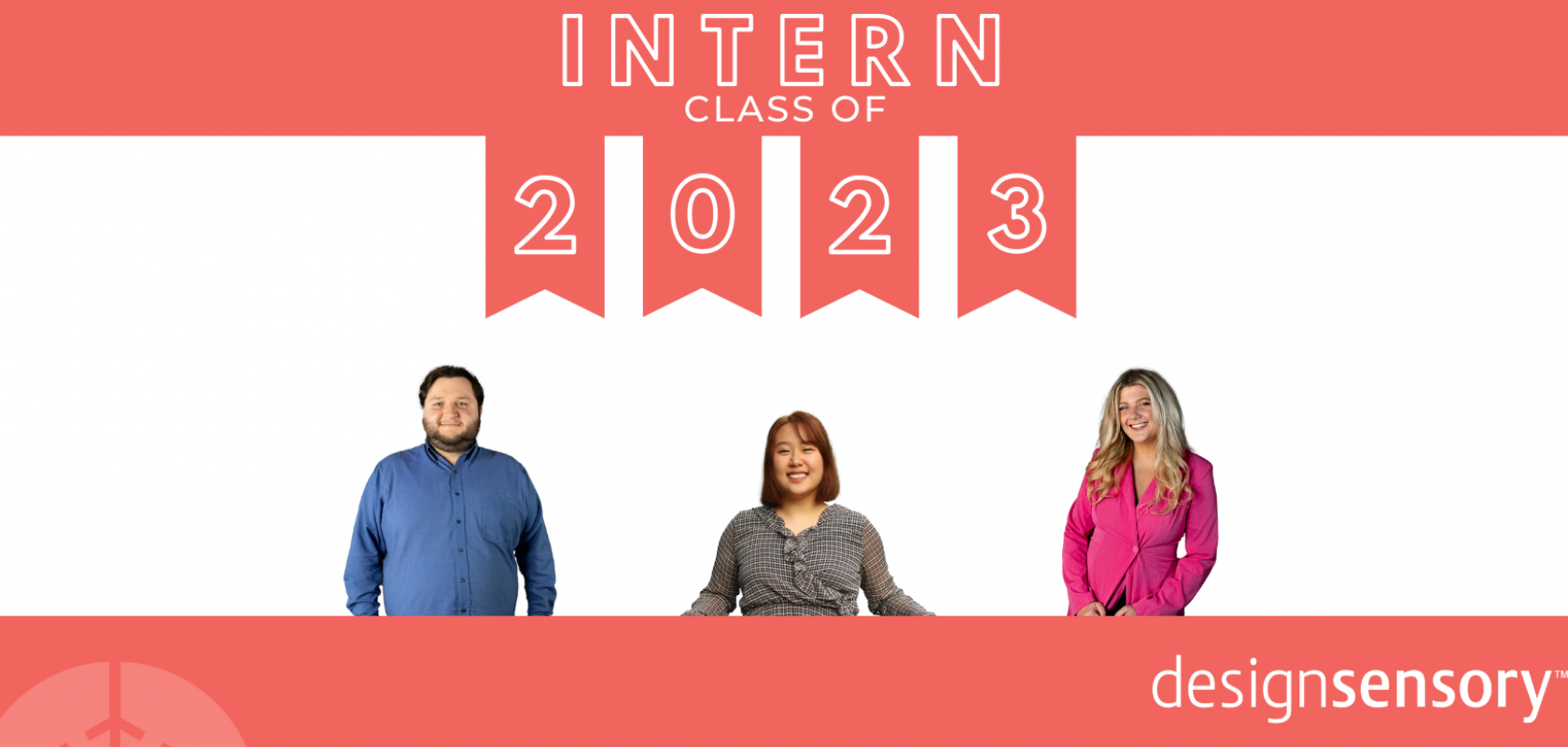
Here at Designsensory, our internship program is intended to give real-world experience to college students pursuing degrees in various fields. From research to assisting creative, our interns dive head first into agency life alongside our teams in each and every department. We gathered this year’s interns to introduce themselves, their majors, and what their experiences at Designsensory have been thus far in their internship program:
Cole Pawlaczyk, Research Analyst Intern
Hey! My name is Cole and I am a senior at the University of Tennessee’s School of Advertising and Public Relations. I major in public relations and also study communications research and analytics. I am a research analyst intern here at Designsensory and I value this experience because it coincides with my primary career interests. I collect secondary data and information and report recent trends and analyses in the current advertising and marketing landscape. The research and analysis I provide help our clients build and strengthen relationships with their consumers and the public, which is PR at its core.
Jua Im, Design Intern
Hi! I’m Jua and I am a senior at UTK’s School of Design, majoring in graphic design. I have been interning at Designsensory since September and I have learned more about UX and a lot of the detailed work surrounding it. It’s given me an opportunity to dive deeper into UX, which I’ve always wanted to do, but having to do it for real clients has been much more meaningful than the theoretical work we do in school. Working with clients with real constraints gives me the opportunity to understand different perspectives that affect the decision-making process, which in turn helps me be a better, human-centered designer.
Dani Netherland, Social Media Marketing Intern
My name is Dani Netherland and I am a senior at the University of Tennessee, Knoxville. I am currently studying hospitality and tourism management with a business minor and have been interning with Designsensory since June. As a hospitality student, I learn about all different aspects of the business including event planning which is something I am the most interested in. Interning at Designsensory has given me the opportunity to help plan different events and be there for their execution as well as working with Gatlinburg Tourism on their marketing plans and execution of content creation. Working as a Social Media Marketing Intern has given me more opportunities to learn about social media rarely covered in school and has shown me how real-world social media marketing works from planning to production and so much more.
Amidst the rise of TikTok, some of you may have added the platform to your social media strategy. What you may have also noticed recently is a decline in your Instagram page’s engagements and impressions, leaving you wondering what you can do to reach your audience. In an effort to keep up with the success of TikTok, Instagram has greatly shifted its focus–and its algorithm–to support more vertical video content, which it calls Instagram Reels, to help make it a top competitor of TikTok. If you aren’t already capitalizing on Instagram Reels and embracing all things vertical, let’s explore how you can get started.
Like TikTok videos, Instagram Reels are vertical videos that can now be up to 90 seconds long. To create a Reel, users can edit together a collection of photos or videos and accompany it with an audio track, filters, stickers, and more to engage with other users. Reels are a great way to tell your business’ story and interact with your audience on a greater, more personal level.
Recent studies have shown the impact and importance of incorporating Instagram Reels into your social media strategies. Social Insiders’ study on Instagram Reels insights showed that Instagram Reels have an average engagement rate of 1.95%, which is more than double the total engagement rate of .67% for all Instagram post types.
Later Media spoke with creator Olivia Noceda, who experimented with her viewership by posting only Instagram Reels. After 6 months of only posting Reels, Noceda grew her following from 80,000 to 140,000, a 75% increase. She now primarily posts Reels and has over 207,000 followers.
Many think that TikTok and Instagram Reels go hand-in-hand and while that can be true, enabling creators to gain content efficiency by cross-posting a single piece to each platform, the two aren’t married and your strategy for both platforms shouldn’t be the same. Often, people turn to TikTok in search of a younger audience, however, Instagram still has a massive audience made up of both younger and older demographics. Reaching your audience shouldn’t be a problem, it’s just time to rethink your Instagram content strategy. Once you begin to explore vertical video and see your success grow on Instagram, you might reconsider joining TikTok to reach a whole new audience.
We get it, video content is a big project that takes a lot of time, ongoing upkeep, and authentic effort–a few of the primary reasons many brands have yet to join TikTok. Not everyone has a ton of time to start a new trend or record their entire day. So how can you incorporate Instagram Reels? The sky is the limit with Instagram Reels. With everything from comedy to dances to travel, Instagram Reels present endless opportunities for your brand. For some, coming up with content ideas can be a challenge, especially for video content. Like all businesses, here at Designsensory, we’ve had to navigate through the ever-changing social media trends. To keep our clients up to date on all things social media, we have tackled this transition to vertical video head-on. Here are some ideas that we’ve worked through that might work for you and your business.
Many businesses, including our client, Scribble, have taken the informative route and focused on producing content that informs their audience about a specific topic. Scribble partners with innovators around the state of South Carolina to create video content that not only serves as a profile of the innovator’s career journey, but also helps to share entrepreneurial insights, key business learnings, and growth tactics. Here they highlighted Andrew Lee, sharing his insights on the meaning of innovation. Another client, Rather & Kittrell, is extending a larger video campaign and incorporating Instagram Reels into it as they share insights on financial planning, retirement and so much more. Ask yourself how you can use video content to help educate your audience on topics such as cryptocurrency or social media best practices.
Instagram Reels are a great asset to storytellers and businesses that want to put their products or services on display. What better way to showcase your brand’s products than with a video? Old Dominick Distillery has us incorporating increasingly more Instagram Reels content. Here is an example of Old Dominick’s Honeybell Vodka on display in the background of the making of a sweet, summer cocktail. In another example, a retail item is highlighted as it floats around in the pool. These fun, creative videos are paired with trending sounds to add a bit of depth to what previously may have been stills posted in-feed, and instead, add an additional touch of personality while allowing you to more easily showcase ways your product can be utilized. Check out top brands Nike & Starbucks for more inspiration on unique ways to showcase your products.
In a world of “Google this” and “Google that,” how-to videos are a huge hit on social media. Do you have a product or service that can help solve a problem? Then how-to Reels are the perfect asset to bring to your feed. Share with your audience how to use your product or service and how your product is better than others in your market. The goal is to give people a reason to buy your product, so start showing them why! As an example, we even made you a how-to Reel, teaching you everything you need to know about creating an Instagram Reel. Need some other ideas? Check out video creators, Armen Adamjan and Addison Jarman, whose accounts focus primarily on how-tos, hacks and did-you-know videos.
For many users, entertainment is their sole purpose for using the platform, and for creators, it’s their main reason for posting. Who doesn’t love scrolling through TikTok or Instagram reels and watching funny, silly, entertaining videos? Social media should be fun, it shouldn’t feel like a chore. Find an approach that gets you excited to make content and gives you joy while doing it, and ideally, engages your audience and gives them a reason to keep coming back. Instagram and TikTok are full of fun and engaging ideas to try out such as travel experiences, recipes, pranks, memes, trending dances and more. We know you’ve all heard about viral videos centered around entertainment such as corn kid or different dances using trending audio like this. So start exploring the world of Instagram Reels and you’re sure to find a video style that’s right for your brand.
Yes, as expected, Meta integrated the functionality it rolled on Instagram and extended it to Facebook. Facebook has also jumped in on the vertical video bandwagon and they’ve now added a Reels section. Facebook continues to offer a little bit of everything in terms of content—text, images, links, events, audio, long-form video or series—however, we do expect video content to continue to be the primary way of connecting with your audience. Try experimenting with Instagram or Facebook Reels and see how your business can grow!
We saw it coming, YouTube has joined Meta and TikTok and started its own vertical video section called “shorts.” As a video platform, it’s not surprising that they jumped on the bandwagon. Start exploring the different types of vertical videos each platform’s users post and consume to find the best fit for you and your business.
Here at Designsensory, we are ready to help guide you through the ever-changing world of social media. Reach out to us for assistance as you navigate through these challenges of building your brand, keeping up with the trends, and most importantly, engaging with your audience.
Written by Ilana Stark & Caroline Stringfellow
Few people have the luxury of being able to say they make a living doing what they love. Last weekend, we had the privilege of being in a room surrounded by over 200 people, who could. The inspiring group of artists, entrepreneurs and creators were gathered together for Maker City Summit.
Six years ago, a small group of DS-ers attended Etsy’s Maker Cities Summit in Brooklyn, NY and returned feeling so inspired they created one in Knoxville. Soon after, the city of Knoxville was named the first “Etsy Maker City”. And that’s when we got to jump back in. We were given the opportunity to help the Maker City brand establish its visual identity. It’s an organization close to our hearts. To this day, our very own Tuyen Ho serves as a council member of the organization.
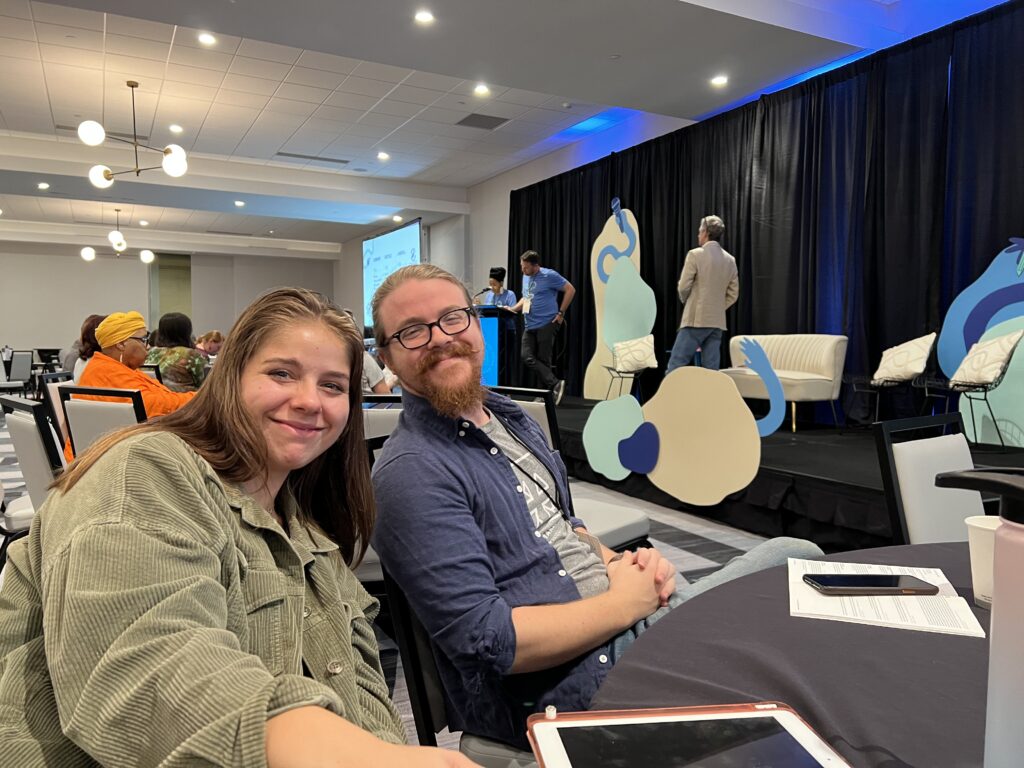
This year’s Maker City Summit was exhilarating, educational and entertaining for the creative mind. The event was back in-person at Knoxville’s Maker Exchange, meaning the kombucha and artistic spirit were flowing once again. Just days before the Autumn equinox, speakers, panelists and workshop leaders guided conversations around building your business, becoming a better creative and pursuing your dreams, sharing insightful lessons they’ve learned through their careers and inspiring exercises to help trigger creativity.
We rallied our creative team together and took the multi-day trip up to the summit, and here are some of the key learnings we came out the other side with. There were a few themes driving these makers’ passion for creation and keeping their spark alive.
The key to fulfillment is remembering it’s about human connection.
Andy J Pizza, Illustrator, Podcaster and Public Speaker, Creative Pep Talk Podcast
Many of the speakers expressed the sentiment that connection is at the center of it all. Not in the sense of having “a foot in the door,” but in the deeper sense of creating work that’s worthy of someone’s attention because it resonates with them.
The rhythm of your life is made up by choice.
Amelia Bartlett, Business Strategist and Community Weaver, The Money Class, Vision Casting
As human beings, we’re limited to a fixed amount of time, resources and attention. Our strongest work and boldest ideas happen when we are intentional and decisive about how we use those resources. To create a sustainable process and reasonable expectations, we need to set boundaries with ourselves, our clients and our commitments.
First impressions can be lasting or last impressions.
Lindsay Brine, Creative Director, Brand Strategist, Consultant, Radford University
Your work needs to grow and evolve with society, your audience, and yourself. Every creator needs to periodically consider who they are making for, why they are making and what they are making. This reflection of strategy, purpose and process is the best tool to keep your brand from going stale.
Getting sleep leads to a holistic you. At the core of your art, is the way you take care of yourself. Tell a compelling story and live your life the same way. With the shift in the ethos of Earth came a change in the pathos of the summit. The noticeable emphasis on taking care of yourself to take care of your work pivoted to focus on the way your work, and your workstyle, impacts others.
When creating your team, outsourcing help, or looking for “a brain to pick,” consider who you are talking with to diversify your view to expand your audience. The cost of taking an extra 30 seconds scrolling to the next page of Google, or a freelance site, is well-worth the resulting return on investment the broadened perspective adds. Being intentional with who you communicate with, why, and how you do it helps the greater good of the world.
From there, the breakout sessions ensued – covering topics relevant to the maker space, from legal foundations to digital mapping, starting a food business, and selling products online – and we all split up to dive deeper into our individual interests.
The event was a refreshing reset. A favorite moment was speaking to Martha Weeks from JAM Camp Communications, who gave a workshop on storytelling. She taught us the importance of maintaining a story bank, shared “confidence hacks” for public speaking, and challenged us to craft six word stories.
Telling stories for so long can naturally cause you to forget the purpose. The art of telling a good story starts with going back to the basics, looking at the foundation and building blocks, and using this reflection to simplify what is overcomplicated in the marketing world.
Our creative team reconvened on Tuesday for lunch at our signature spot, Don Gallo, and to reflect on our weekend. Munching on chips and salsa, we shared our experiences in the different breakout rooms and the networking opportunities we seized. Maker City Summit is ever-evolving, just like the creative world we live, work and make in. The added beauty of events like these is that something different resonated with everyone; we were all able to express what we learned in the breakout sessions and reinforce the lessons with one another.
We could all agree that the main benefit was simply being present at the event. The energy in Maker Exchange, the vibrant new event venue across from the Sunsphere, was reason enough to return next year to the walls covered in beautiful art and branding with ideas bouncing off every inch. It was a creative refresh, a reminder of why working with many artists and innovators can be so rewarding.
Not to mention the INCREDIBLE food. An enormous shout out to Bailey Foster at Real Good Kitchen for nurturing creative minds and filling our plates with culinary masterpieces. Thank you for crafting us diverse cuisine that reflected the values instilled throughout the summit.
Maker City Summit brought together a range of local businesses, entrepreneurs, and creatives. It gave this community–handbag designers, frontend developers, musicians, chefs, authors, TikTok trendsetters, and many others–the gift of conversation and collaboration with makers beyond our usual circles.
Although we all have different creative expertise, one thing brought us together. We are all makers.
Stay up-to-date with all things Maker City, get involved, support an artist, and don’t miss the next Summit: themakercity.org.