
The State of Social Media
Spread the word. ❤️🔥
C’mon. I know you want to subscribe to our Email List.
Or Follow us on X and Facebook.
The State of Social Media
The state of social media today: it’s not what it was yesterday, and it’s not what it will be tomorrow. As someone who works in social media, I find myself preaching about how fast these platforms, their respective algorithms and their users’ preferences change. But what is consistent is the continued growth of social media platforms and the number of users around the world. As the population grows, so too does the popularity of social media. We all ask ourselves, “Where are these platforms going next?” But it’s just as important to remember where they are today.
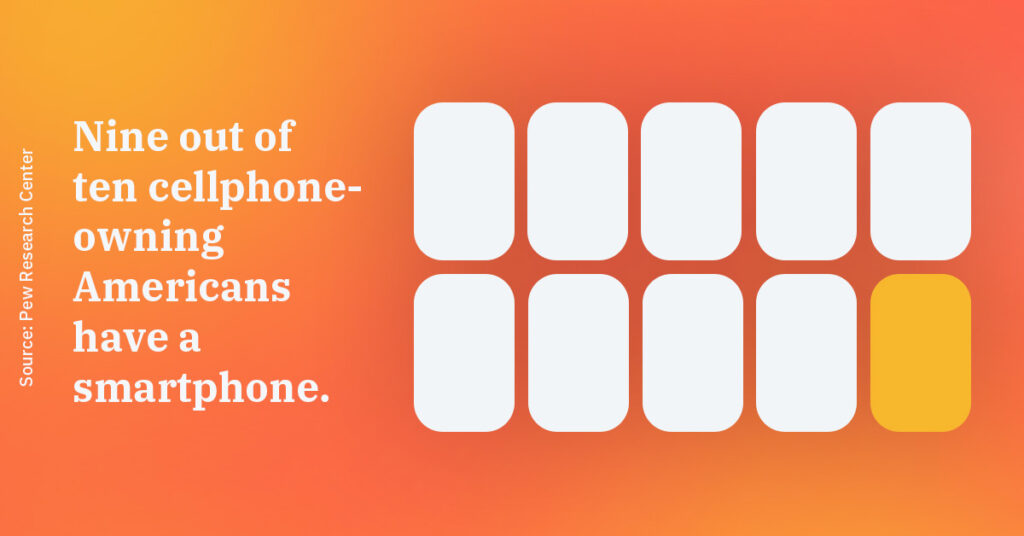
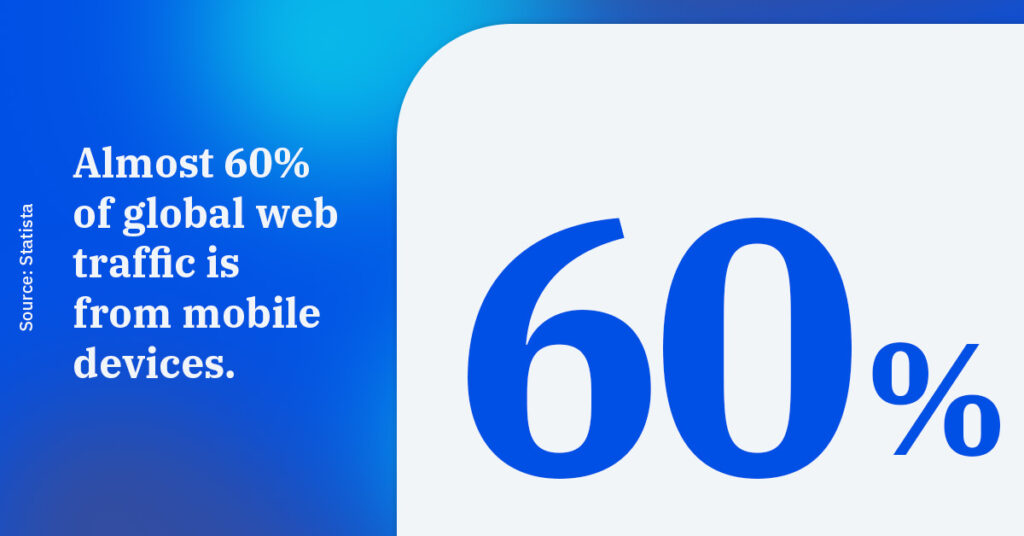
Our world is mobile-minded. As of 2022, there were more mobile subscriptions than people – 7.95 billion people with 8.58 mobile subscriptions. Nine out of ten cellphone-owning Americans have a smartphone and only 1% of Americans age 29 and younger own a phone that isn’t “smart.” Smartphone dependency is a real thing, 15% of Americans have a smartphone but no broadband internet subscription. Social media users are expected to hit 7 billion by 2027, people are spending an average of 2.5 hours a day using social media and almost 60% of global web traffic is from mobile devices (meaning if your marketing plan isn’t also mobile-first… wyd?).
In this constantly in-flux, dizzying social media landscape, knowing what users are on each platform and their behaviors while using them is paramount to effective digital marketing. When you understand this and can read the tea leaves on where each platform might be heading, it becomes far easier to pick the right platforms for your brand, create an effective content strategy and orient toward your goals. Through audience segmentation, content personalization and social media analytics, marketers can more easily navigate the intricate realm of online consumer behavior. Staying up to date with digital marketing trends and employing tools like social SEO or adding in-platform audio and captions ensures that businesses connect with their target audience and stay ahead in a competitive social media landscape. But what does that mean for you and your business today?
Get to know the current state of social media by identifying the primary audiences of these platforms. Storytelling is the most important part of content creation, but who are you creating this content for and why would they want to consume it? Through photo and video posts, captivating copy, and quite literally ‘Stories’ – we’re able to transform a brand into a personality and personify it through a handheld screen. Your brand becomes a character in the story of your audience’s life. Know key platform demographics to reach your target audience and get to know their life to better understand the stories you need to be telling.
Celebrating its 20th birthday this year, Facebook is currently the most popular social media app by users around the globe. The largest social media platform, hosting over 3 billion monthly active users and 98.5% of users access the platform via mobile. 4 million Facebook post likes occur every single minute. The odds of someone being on Facebook are higher than not having an account with the platform. While everyone might have a profile, specific groups of people are found using the app more than others. A slight majority of users are men and active users skew younger.
It seems every major update from Meta relates to AI at the moment — whether by teaming up with Amazon, launching a new multimodal model, or having fun with generative profile photos — serving as a strong indicator of where the brand aims to go next. Pair this commitment to AI with its continued hardware push, and its clear the company is diversifying its offerings to feed back into its ever-expanding ecosystem.
IG, Insta, Finsta, Rinsta, just do it for the gram! Worldwide, there is a slight majority of male users, but in the US 56% of users identify as female. Reels are the platform’s most shared content, and with shares being the most valuable engagement metric, there’s a clear desire for video content on Instagram. It’s the fourth most popular social media platform with 2 billion monthly active users. With the majority of US marketers already using the platform, the competition is hot. Instagram is the top dog for influencer marketing. HubSpot reports that influencer marketers see short-form video content on the platform as having the highest ROI.
On Instagram, the platform continues to mirror successful features from its competitors. And elsewhere (but also the same place), Meta continues to push Threads and refine the offering. Almost a year old, Threads is still “in development” as the platform continues to roll out updates like location tagging, muting notifications and other essentials that have existed on other platforms for a long, long time.
Twitter X
After changing ownership, X (formerly known as Twitter) saw a decline in users, time spent on the platform and a drop in ad dollars. In January 2022, before the change, it was the 15th most popular social media app. According to a survey conducted in spring 2023 by Pew Research, 60% of U.S. adults who had utilized Twitter in the previous year reported taking a hiatus from the platform during that period. Only 15% of content on the platform are original posts (RIP calling them Tweets), which pales in comparison to 83% of users having created at least one video over on TikTok. The platform was originally launched in 2006 as a microblogging site, and 18 years plus 2 owners later, it has become more of a microcosm for memes than anything. Still, Twitter has a large audience of high earners who are more likely to be educated, and Gen Z is downloading the app at higher rates than its competitor, Threads.
Similar to Threads, X is also in development, but more so as a major overhaul to the platform’s pre-existing systems. It continues to beef up its Premium offering in ways that are sometimes good and sometimes bad. However, it does continue to share the wealth, so to speak, by incentivizing its creators through monetization.
With 1 billion users, over 200 million of those being US users, LinkedIn spans the globe as a digital hub for professionals. More than 81% of LinkedIn users are 18-34 years old, and only 3.8% of users are 55 or older. LinkedIn is a home for young professionals to find their career path, filled with unlimited networking opportunities. Yet, only 30% of US adults have an account. All businesses should have a LinkedIn page. It helps connect your employees, market to potential clients or future team members and projects your professional brand voice. Another great way to utilize LinkedIn is its newsletter feature. Get out of your audience’s inbox and into their LinkedIn notifications. The platform hosts over 146,000 newsletters with over 500 million total subscriptions.
And LinkedIn wants its users to visit the platform more often with some unexpected moves, like introducing once-a-day games. Ultimately, we anticipate this and similar moves will continue to redefine how professionals interact and position the platform to be a one-stop-shop for all things “work” — emails, networking, news, learning and accreditation, jobs, whitepapers, think-pieces, newsletters and, now, a bit of solitaire while the boss isn’t looking. Pair the journalist exodus from Twitter/X with the rise in LinkedInfluencers and you’ve got a wealth of content and interesting features on LinkedIn to share, engage with and utilize as your brand.
YouTube
Who isn’t watching YouTube? A recent report shows that 83% of US adults use YouTube, the second most popular website in the world. And 93% of US adults aged 18-29 use the platform, most on a daily basis. The platform’s viewership is 54.4% male and veers a bit younger. With 2 billion monthly active users and 1.5 billion people watching Shorts, someone from your target audience is actively watching YouTube. Capitalize on the Shorts boom by resharing vertical video content that’s under a minute, it’ll help drive views and subscribers. With the launch of YouTubeTV and premium music offerings, the platform also reported 100 million paid subscribers, helping contribute to the platform’s 8 billion dollars in advertising revenue.
YouTube is in an interesting position. Viewers in the U.S. spending more time watching YouTube than all other major streaming services. The major streamers continue to bundle and consolidate, as they begin to mirror traditional cable networks while consumers cry “please, not another streaming service.” However, even in that race, YouTubeTV already has 8 million subscribers while it’s leading competitor Hulu Live TV has 4.5 million subscribers and other competitors like Sling TV hold a smaller market share of 2 million subscribers. Meaning, its not only dominating in online video, but in streaming TV as well. And make that music too: Apple Music 92 million subscribers, YouTube Premium and Music has 100 million subscribers (a joint offering), while Spotify has 236 million subscribers.
And all that to say: YouTube is still prioritizing its creators. Even though many are looking for ways to separate from the platform. Again, in ways that are sometimes good and sometimes bad.
TikTok
TikTok has not only taken all of the other social media platforms by storm, but now it’s on track to compete with Google. Okay, maybe not yet, but it’s now a leading search engine for more than 2 out of 5 Americans. Expected to hit 2.25 billion users by 2027, on average, people spend almost an hour a day using TikTok. And 30% of daily users reported purchasing on the platform’s shop feature, yet only 26% of marketers are on TikTok.
There’s much to be said about there’s no telling where this platform will be by 2025. As for now, users are still incredibly active and are openly voicing their opinions against a full TikTok ban. Whether or not the ban ends up finalizing in January, there is still time for your brand to create awareness and entertainment on the platform to grow your audience. It’s not uncommon for users on the app to see their accounts increase by thousands of followers with one solid piece of content. And, if the ban hammer does fall, who knows what the next platform will be, but there are certainly quite a few trying to claim the throne, like Instagram Reels, YouTube Shorts and plenty of newcomers.
The dynamic world of social media requires adaptability from anyone who wishes to leverage the platform’s power effectively. With the number of social media users projected to continue rising, staying informed about the changing demographics and behaviors on each platform is crucial. Whether you’re utilizing Facebook’s broad user base, Instagram’s visual engagement, LinkedIn’s professional networking or the unique appeal of TikTok and YouTube, understanding and targeting your audience with relevant, engaging content is key. Embrace the opportunities these platforms offer, and let your brand’s story resonate with your audience, transforming casual browsers into engaged followers and loyal customers.

